 Back
Back







 FACEBOOK
 Pinterest
 Instagram

 FACEBOOK
Pinterest
Instagram
FACEBOOK
Pinterest
Instagram
My daughter was 18 months old when we moved her across the country. Five years later, we moved to Belgium, and not long after that, we started traveling back and forth across the pond and around Europe. I used to joke that even at 9 years old she could navigate an airport better than she could read a road map, and I still think that’s true.
When she was young, travel came with built-in lessons I never planned, from trying unfamiliar foods and hearing different languages to ordering at restaurants and reading Metro schedules. She even helped me negotiate a price at a flea market once because she’d learned to count in Flemish from one of our neighbors.
None of this replaced what she learned in school, of course. But travel enhanced her world with a different kind of education, one that fostered a mix of confidence, risk-taking and learning to adapt when things didn’t go as planned.
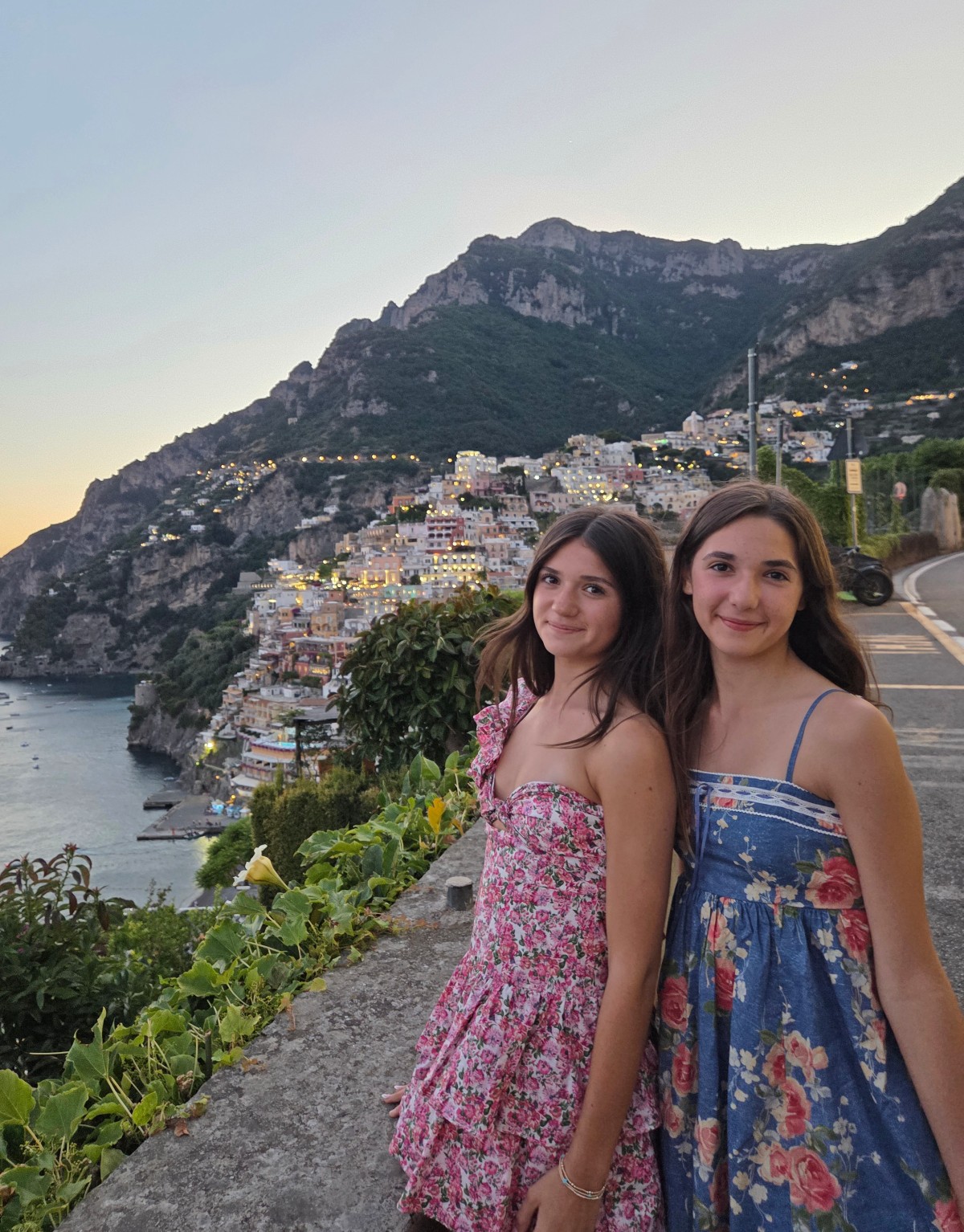
Schools already do intentional work to help children develop skills like problem-solving, emotional regulation and resilience, says L’Taundra Everhart, an education expert with Mixed Greens For The Soul who holds an M.Ed and has more than 20 years of experience in public education. But much of that practice happens in predictable, relatively low-stakes environments. “Travel gives children an opportunity to use those skills in the real world,” she says.
Research suggests parents see the benefits too. In the Family Travel Association’s 2025 U.S. Family Travel Survey, 71 percent of parents with children ages 7 and older said travel helped their kids see the world from a broader perspective, 61 percent said it increased their interest in other cultures, and 58 percent said it helped them become more confident. And none of it requires turning a family vacation into summer school.
Here are eight things kids (and adults too) can learn by getting out into the world.
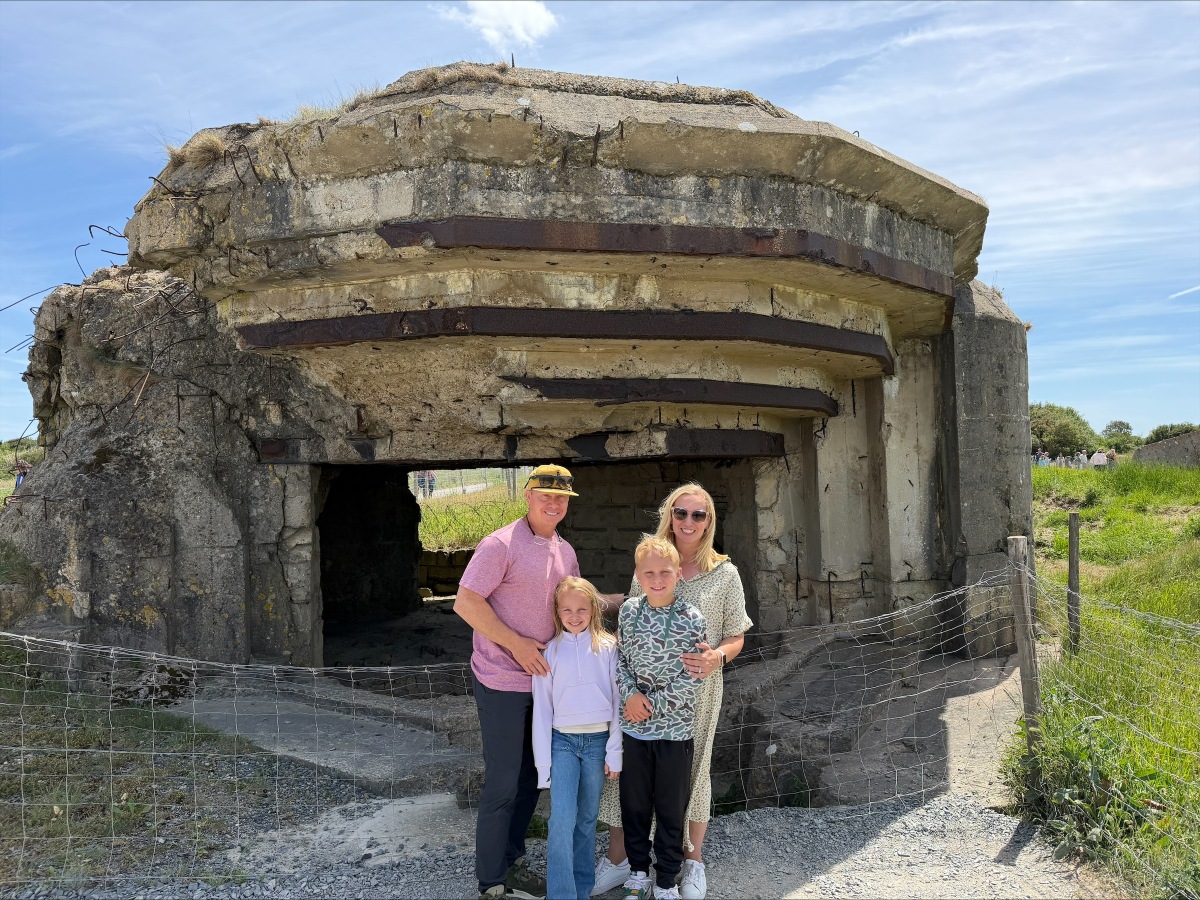
Think of it as problem-solving under pressure. A missed train, a rained-out boat ride or a restaurant that closed 5 minutes before you got there may not reveal silver linings in the moment, especially when everyone is hungry and jet-lagged. But these travel hiccups can also help children hone their problem-solving skills. “These moments can be frustrating, but they also give children an opportunity to experience adversity, work through the discomfort and realize, ‘Hey, we figured it out,’” says Everhart.
The solution doesn’t need to be ingenious or grand, either. Maybe everyone studies the train board and finds a different route. Maybe a child spots another place to eat. Maybe the boat day becomes a few hours at the aquarium. The lesson here is that disappointment doesn’t have to be the end of the story. Many of our most memorable family travel tales begin with an unexpected pivot.
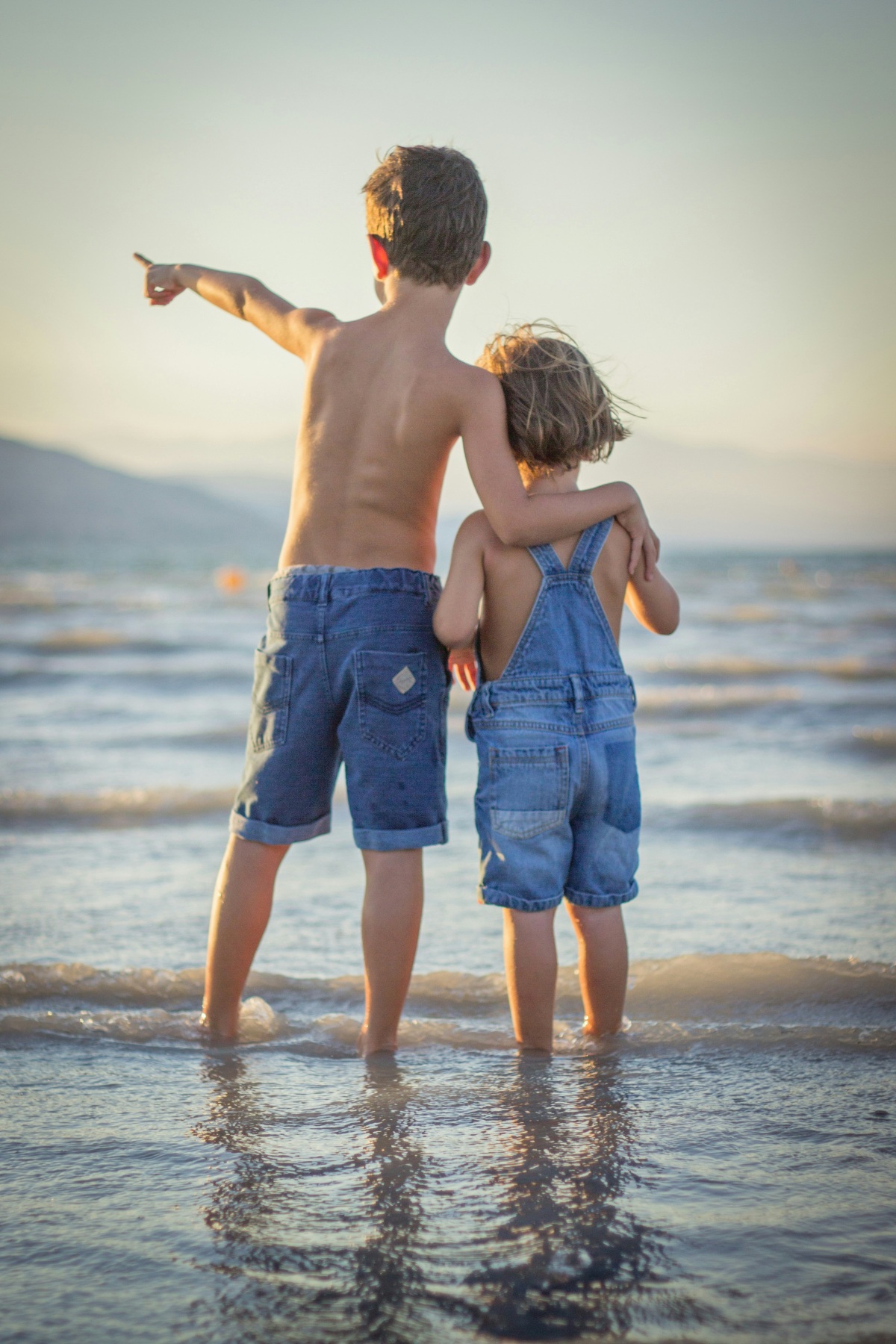
Sometimes there isn’t a problem to solve. Sometimes things are simply unfamiliar.
At home, kids generally know where they’re sleeping, what breakfast looks like, how they’re getting to school and when their next assignment is due. Travel has other ideas. New beds. Different foods. Unfamiliar languages. Strange bathrooms. A train platform that changes 3 minutes before departure. “Travel constantly asks children to adjust to new people, places and expectations,” Everhart says. “Nothing has to be dangerous or dramatic for that to be valuable.”
She adds that children who get opportunities to navigate unfamiliar situations may become more comfortable with uncertainty and more willing to try something new. That’s resilience on a very manageable scale. The hotel room isn’t quite what you expected. Dinner is later than you’re used to. Nobody understands what you’re trying to order. And yet, somehow, the day continues.
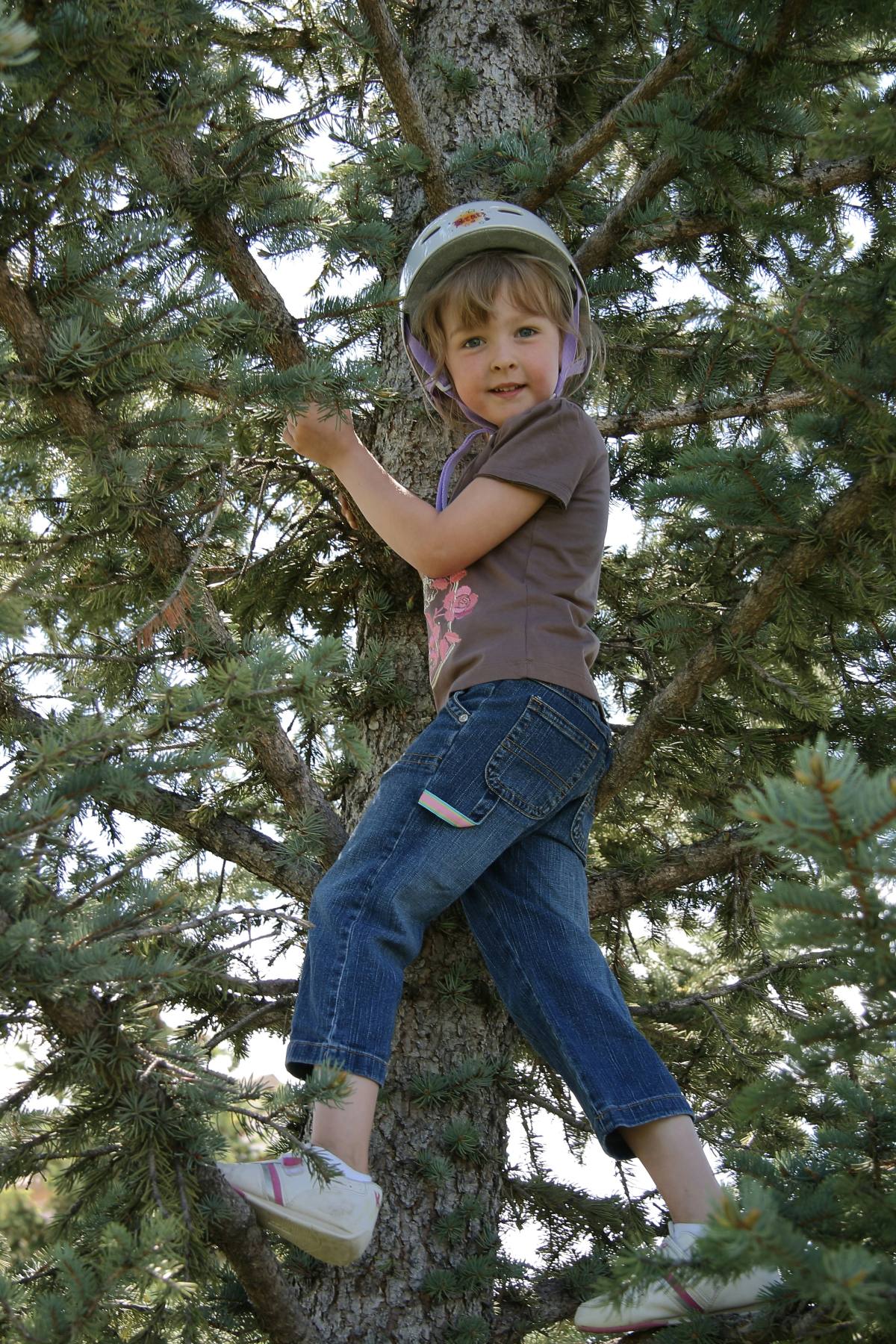
One of the pleasures, and occasional shocks, of traveling with children is watching them become capable of doing things without you. Jeanine Bobenmoyer, founder and CEO of theCityMoms, has seen it happen with her kids during their regular visits to Mackinac Island, Michigan, where there are no cars. Getting around requires them to bike, walk and figure out ferry schedules, which she says has made them noticeably more resourceful and adaptable. On another trip, she took her daughter to New York City, and the change was uncanny.
“By the end of the trip she was reading subway maps, ordering food on her own and confidently navigating a city that initially felt overwhelming,” she says. “That kind of ‘I can figure this out’ confidence is hard to replicate at home.” Travel offers endless opportunities to hand over small bits of responsibility: find the gate, read the Metro map, ask for the check, order the croissant, figure out which direction the train is going. No matter how small the task, the feeling of accomplishment never is.
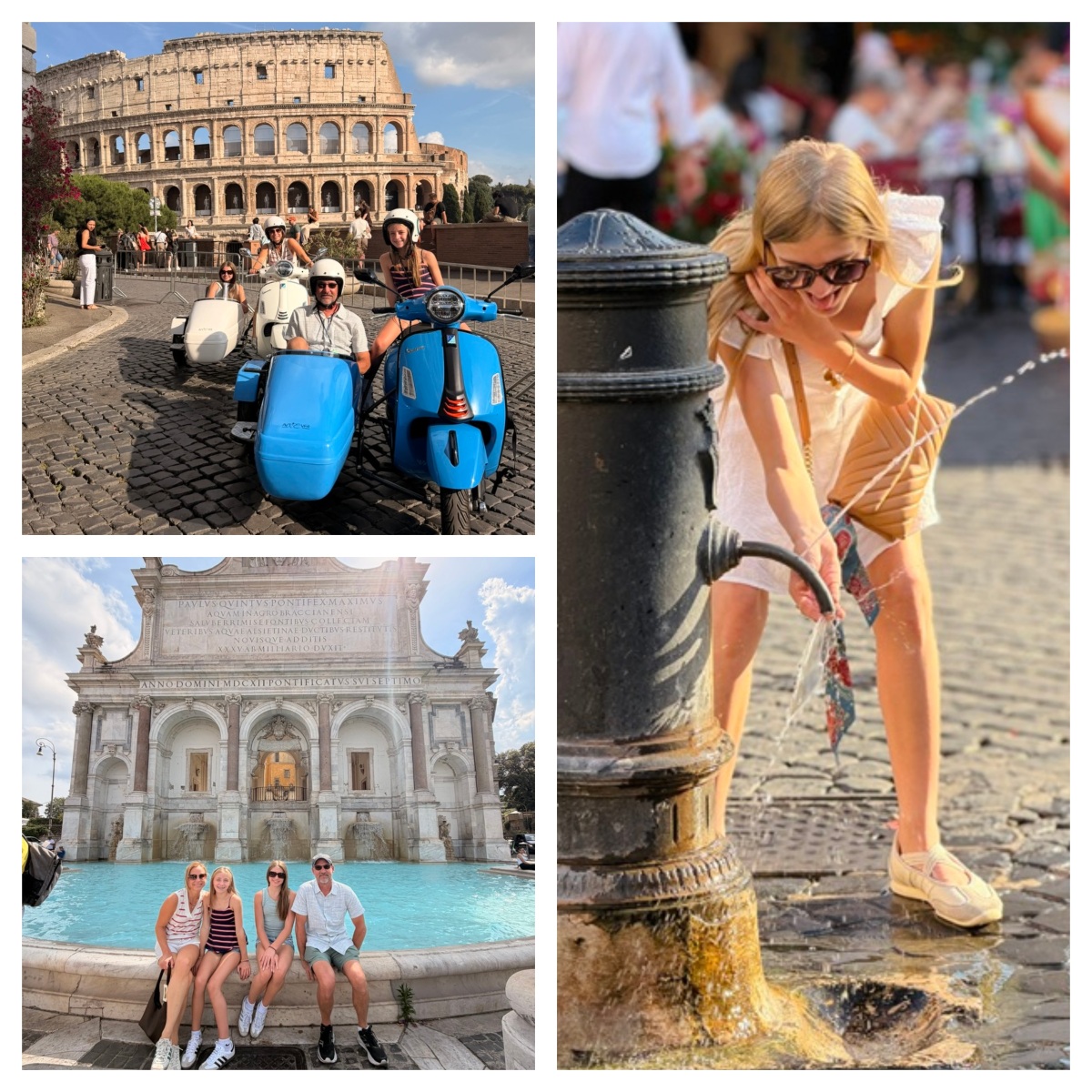
A child can read about Roman ruins in a textbook. But standing in the middle of the Colosseum can spark different questions, emotions and connections to a place. “There’s no worksheet attached to the experience. It’s genuine wonder,” Everhart says. “On a trip, learning can be much more organic, like meeting people with different customs, seeing how another family lives or trying food that looks completely unfamiliar.”
A market becomes a lesson in food, math and language. A castle prompts questions about history. A train ride becomes geography outside the window. Nobody has to announce that learning is taking place.
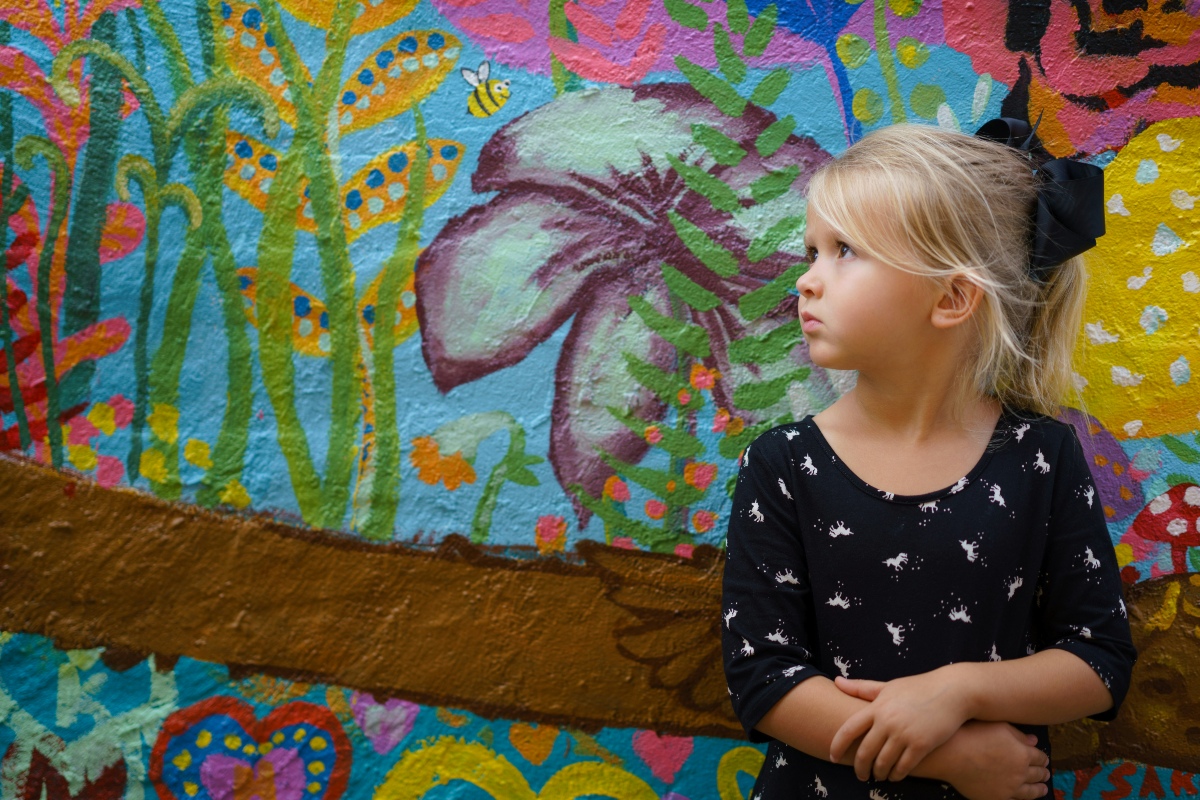
Children naturally use their own lives as the baseline for how the world works. Dinner happens at this hour. People eat these foods. Houses look like this. We speak like this.
Brian Rooney, founder of GetCruiseInfo.com and the father of five, says travel has shown his kids how many different people, cultures, landscapes and ways of life exist outside what they consider ‘normal.’ “We live in a huge, beautiful and incredibly varied world,” says Rooney. “You can teach children about that world in a classroom, but there’s something different about letting them actually experience it.”

Tell us where you’d love to go, and we’ll pair you with an expert Travel Advisor who handles the planning from beginning to end: custom itineraries, private guides, immersive local experiences and handpicked hotels.
Everhart takes that idea a step farther. “Travel also gives children the lived experience of realizing that their way of doing things is not the only way,” she says. That might happen over something profound, but it can just as easily happen at a food market, at a cultural center or by playing with local kids on the beach. Different foods, languages, greetings, mealtimes, transportation and family customs all quietly communicate the message that there are lots of ways to live a life.
And that’s backed by the Family Travel Association research, which found that 71 percent of surveyed parents with children seven and older said travel helped their children see the world from a broader perspective, while 61 percent said it increased their interest in other cultures.
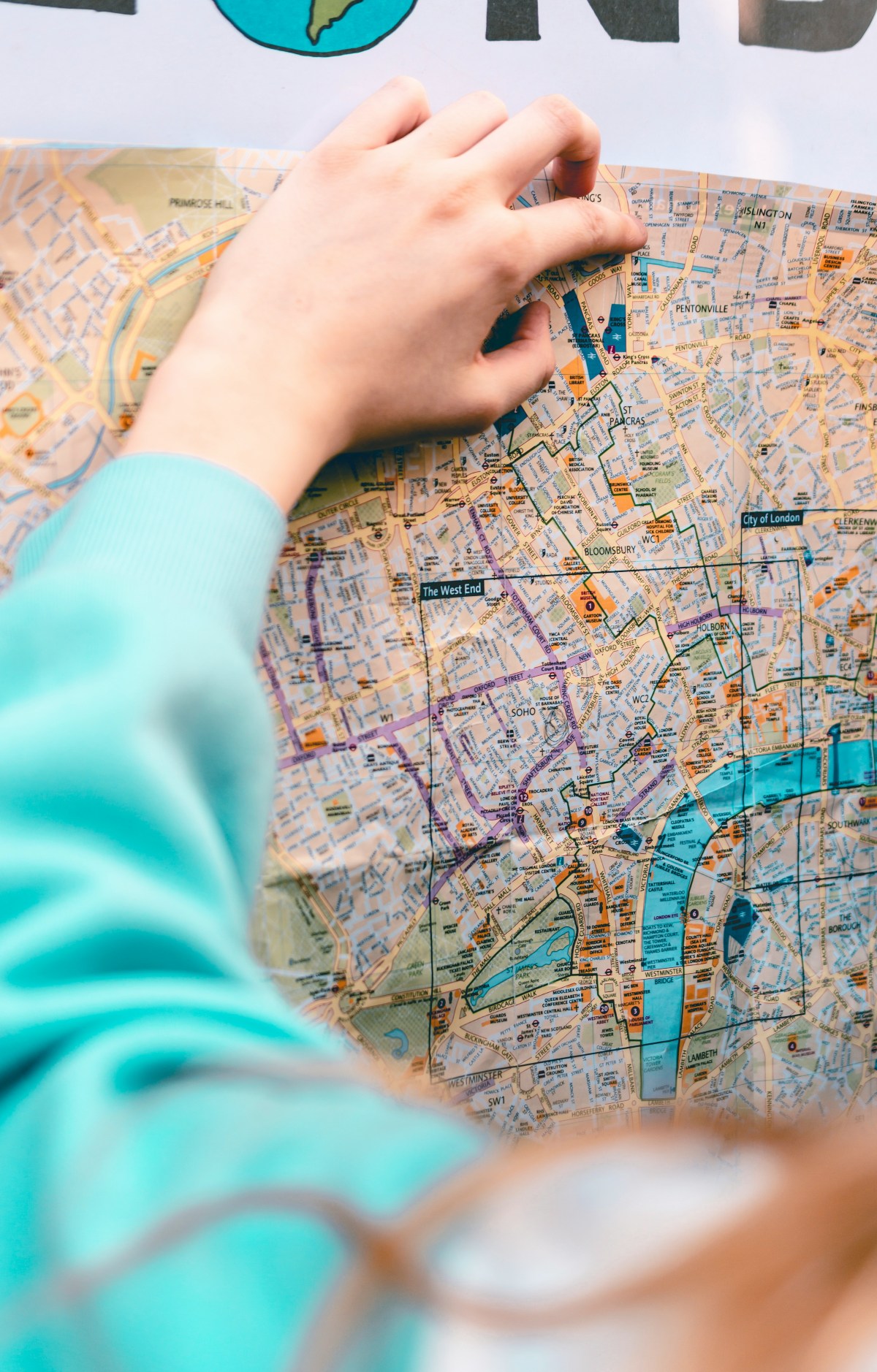
Nobody comes home from vacation raving about keeping track of boarding passes. But maybe we should.
Rooney says flying taught his five children that a successful trip requires planning ahead, packing properly, keeping track of what they need, arriving on time and being patient when things don’t go according to plan. “Travel makes kids participants in the process rather than just observers,” he says.
There are dozens of ways to give children a piece of the job. Let them pack their day bag. Give them a small amount of spending money. Ask them to check the departure board at the airport or station. Have them navigate to a lunch spot. They’re not glamorous travel moments, but they are life skills wearing a vacation hat.
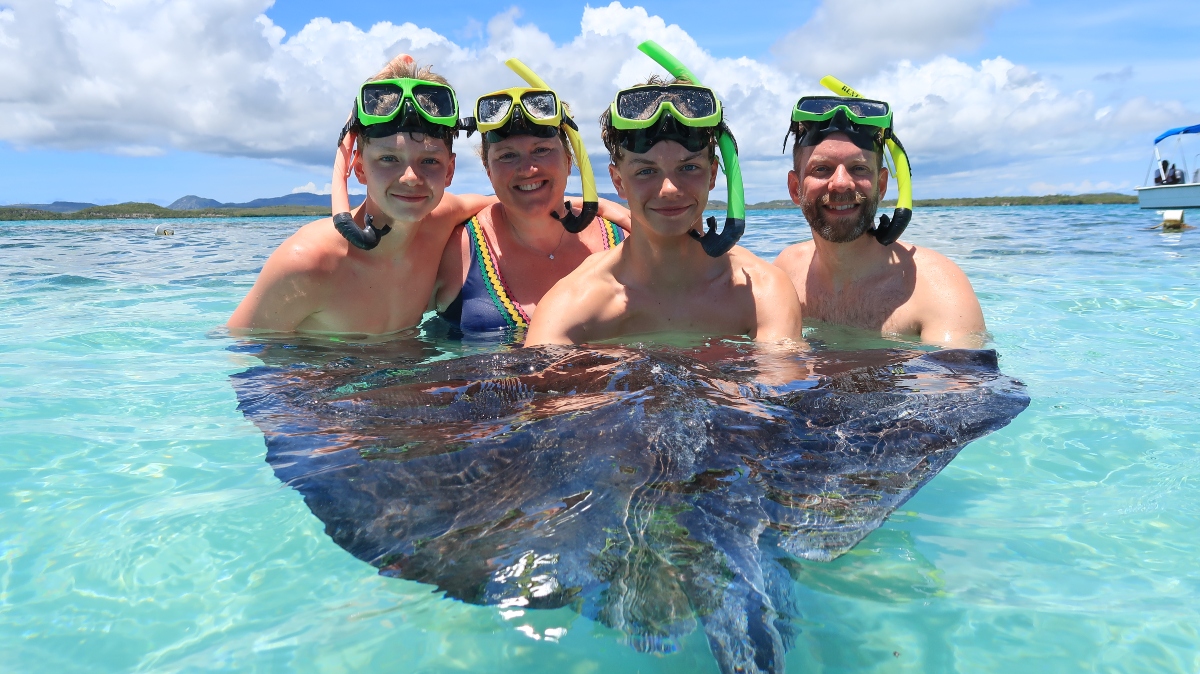
Some of travel’s best moments happen when absolutely nothing else is scheduled. No football practice in 20 minutes. No laundry waiting upstairs. Just a few hours together and, eventually, only so much scrolling anyone can do. “Some of the most honest and meaningful conversations we’ve had with our teens have happened in the car while heading somewhere together,” Bobenmoyer says.
Rooney noticed something similar with his five children. “A long drive can become a geography, history and life lesson without anyone thinking of it as a lesson,” he says.
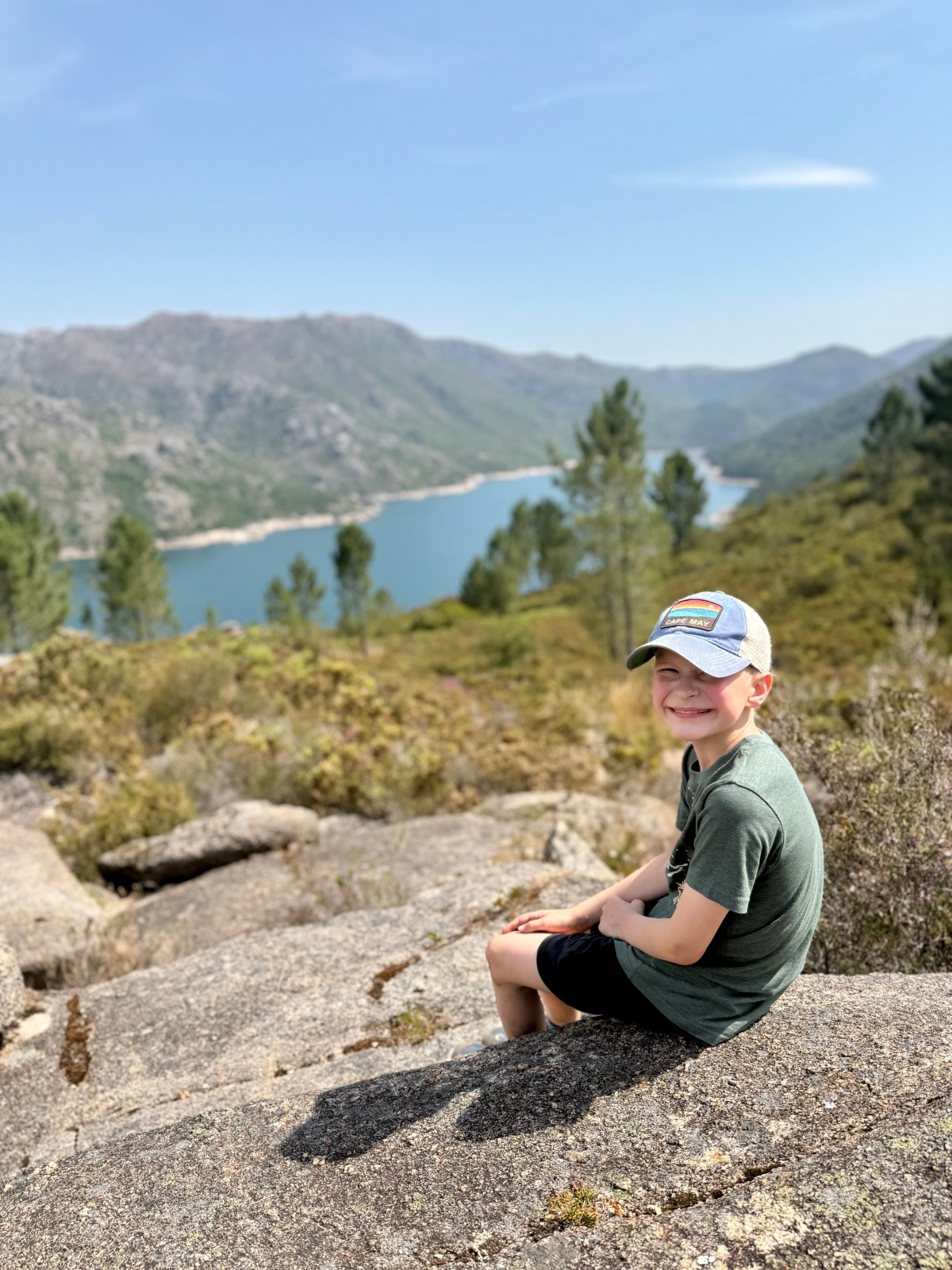
Children aren’t the only ones who stare at screens, and vacations don’t need to become battles over devices and screen limits. One thing travel does naturally is give the real world a fighting chance at getting our attention.
Bobenmoyer says her family’s trips have often provided a natural screen-time reset, not because she bans devices, but because new places, people and experiences give her children something else to engage with. That might mean spotting wildlife from a car window, hearing street musicians, watching a chef prepare something unfamiliar, trying to decipher a sign in another language or simply noticing that the buildings look nothing like the ones at home.
Sometimes the shift is even more striking. Rooney remembers taking his family from the bright lights and sensory overload of Las Vegas to the vast quiet of the Grand Canyon, where simply stopping and absorbing their surroundings became part of the experience. “The contrast with no lights, shows or screaming was extremely noticeable,” he says. “I loved how each of the kids took it all in with a quiet reverence. They’re in their 30s now, and we still talk about that trip.”
Relevant Links:
How family travel changes at every age and stage
Mindful travel tips with kids: How to live in the moment
How family travel creates resilient kids
18 summer vacations to take before your kids grow up
10 family vacations that will change kids forever
10 great places to take kids … while they are still kids
Photos courtesy of the individual families pictured, except where noted.
Editor’s note: This post was accurate when published. We advise checking independently for the latest information and updates. Ciao Bambino does not accept responsibility or liability for any errors or omissions in, or for any actions taken based on, the information presented.


 travel recommendations, inspiring adventures, and exclusive travel offers
"*" indicates required fields
Want to save all the great intel and tips you are finding on Ciao Bambino? My Trip Planner allows you to bookmark articles, family-friendly hotel reviews, and family vacation packages. Simply click the heart icon on anything you want to save. Site registration is required to get started. Happy planning!
Please fillout the form below to create your free My Trip Planner account.