 Back
Back







 FACEBOOK
 Pinterest
 Instagram

 FACEBOOK
Pinterest
Instagram
FACEBOOK
Pinterest
Instagram
When Beth Gassel and her husband first began traveling together, they hunted for cute boutique hotels in walkable neighborhoods. Then they had a child. Suddenly the hotel wasn’t the destination. It was mission control.
“We wanted relaxed mornings, day trips that could work around nap schedules, a pool or swimmable beach for hot afternoons, and separate space for just us after bedtime,” says Beth, a client of Ciao Bambino Advisor Lynda Zuber.
Two decades and three children later, Beth’s travel checklist has changed anew. “We still need that extra space, but for the opposite reason,” she says, laughing. “The kids want to stay up late into the night while my husband and I want to go to bed earlier.”
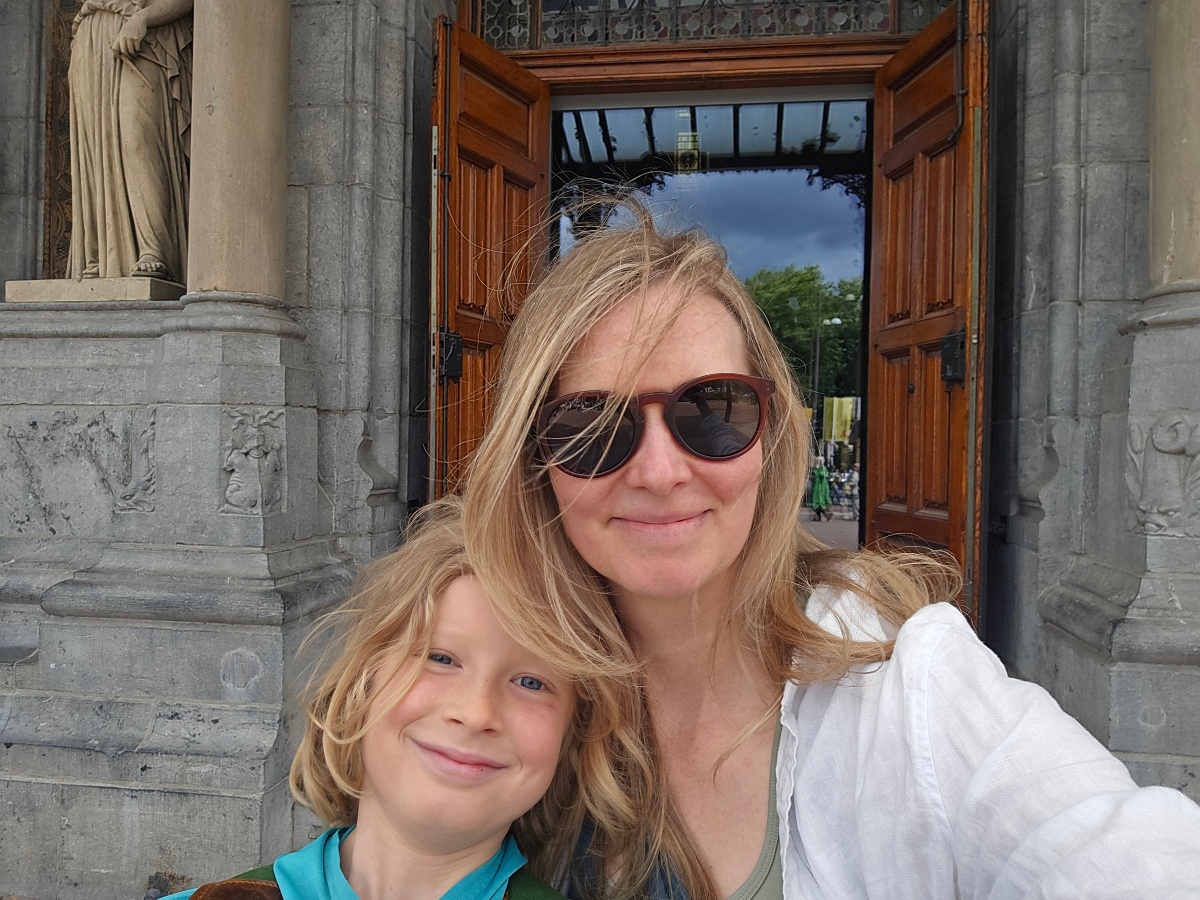
It’s a familiar evolution. Kids don’t stay the same for very long, and neither does the way families travel. In the early days it’s about packing diapers, bottles and enough snacks to survive an international flight. A few years later, it’s finding a resort with a robust kids’ club, family-friendly excursions and guides that help children learn through firsthand experience. Fast forward a few years, and teenagers are asking for reliable Wi-Fi, hands-on adventures and a degree of independence. And before long, young adult kids are helping choose the destination and maybe even bringing along their own children.
For more than two decades, Ciao Bambino has seen these shifts play out with thousands of families, and along the way, the Travel Advisor team has learned that what makes a trip successful isn’t simply the destination. Choosing accommodations, activities and a pace that fit the stage of life you’re in are all equally important. Whether that means building in naptime, giving teenagers room to explore or working around grandparents with limited mobility, smart planning helps you spend less time managing logistics and more time enjoying one another.
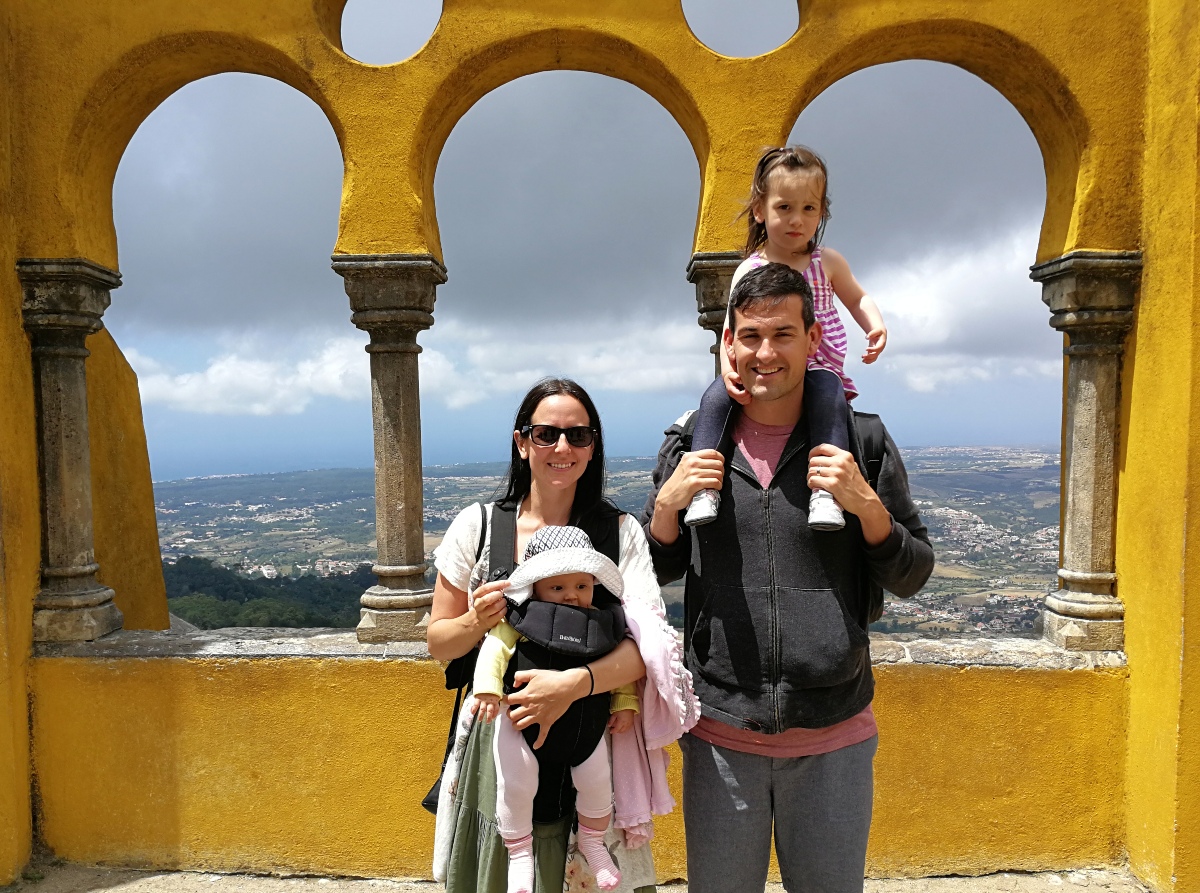
At this stage, vacation often simply means parenting somewhere prettier. The difference is that with the right strategy, parents can actually enjoy it too. Successful vacations are measured in uninterrupted sleep, smooth airport-to-hotel transfers, jet lag mitigation and loosely planned schedules in which a splash pad may matter more than another cathedral.
“Younger kids just require more stuff. Especially babies,” Beth says. “Between the stroller, car seat, Pack ‘n Play and other baby gear, it’s hard to schlep all of these things.” She recalls that Ciao Bambino was able to find places to rent some of the gear, which helped mitigate the schlep factor. She also credits realistic daily schedules rather than over-planned versions, which “turned a potentially exhausting family trip into an enjoyable one.”
For client Kate Eden Renyi, who works with CB Advisor Kristen Avini, the priority when she traveled with young children was to stay in one place rather than succumb to the temptation to keep moving from destination to destination. “Having a single home base for a week or choosing one resort to settle into with plenty of built-in amenities and activities was more relaxing and enjoyable for everyone,” she says.
Fortunately, hotels have gotten a lot better at anticipating what parents actually need, with amenity menus that include cribs, highchairs, bottle warmers, babysitting services, toys and more. This is also the age when kids aren’t as bound by school holidays and sports schedules, so traveling outside crowded, hot and more expensive peak seasons can make life on the road a little easier.
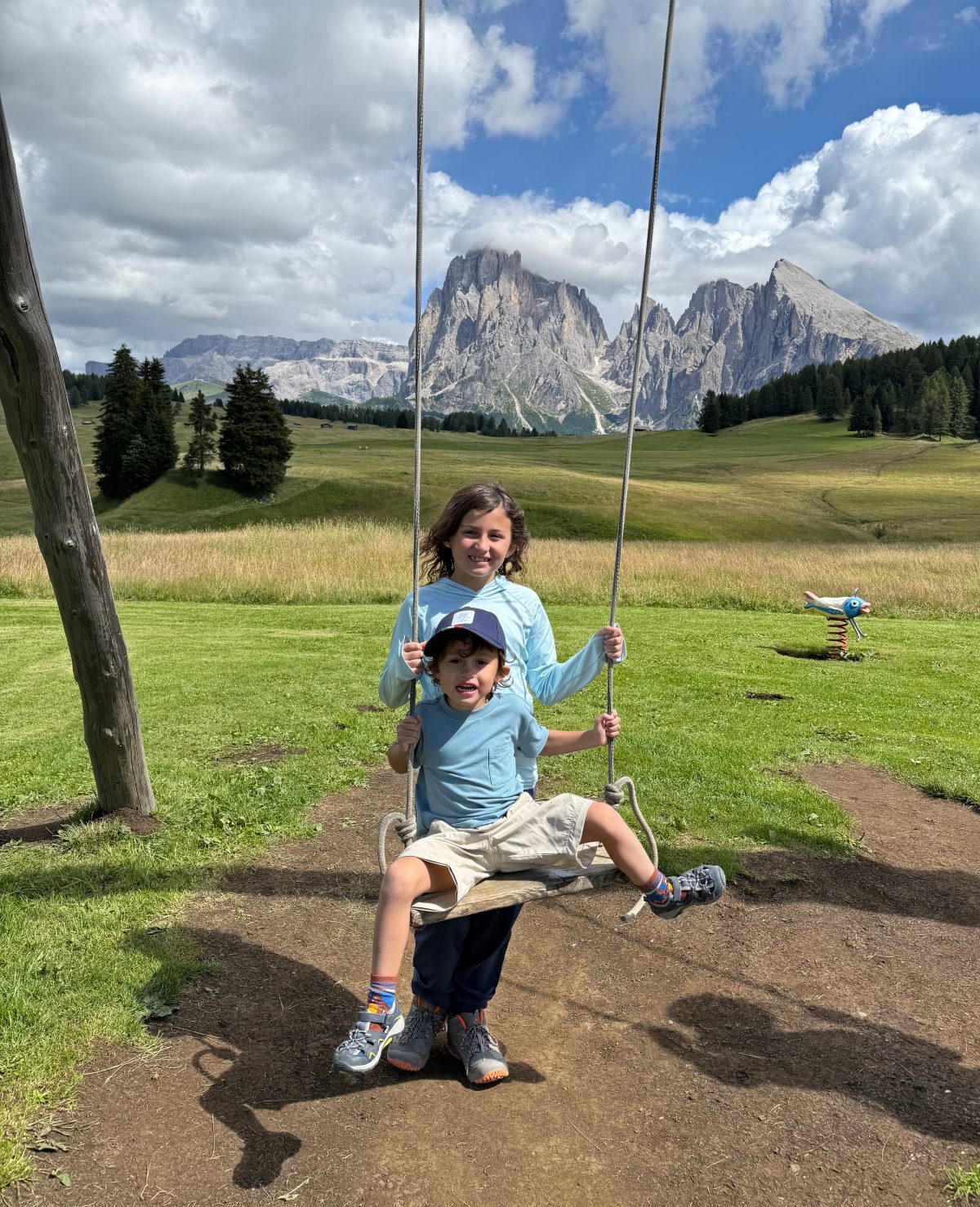
Once children outgrow strollers and strict nap schedules, maps suddenly become much bigger, activities more interesting and planning all the more important. With abundant curiosity to explore their surroundings, yet still needing time to eat, run around and rest, balanced itineraries rule. For Angela Espinosa (another of Lynda’s clients), who embarked on a trip to Spain with her 10- and 12-year-olds, it was essential.
“Kids this age don’t quite understand the context of how cool it is to visit a foreign country, so we thought an advisor could dole out the right amount of touring time with downtime,” she says.
For Beth, this was the age when she says she could begin to plan multi-stop trips. While logistics such as late trains and traffic required more patience, their vacations also became more fun and flexible. “We found that four nights per city was a good cadence for our family,” she says. “Just enough time to unpack, settle in, explore and move on.”
It also helps that kids at this age can increasingly pack themselves up, carry their own backpacks and adjust to changing schedules without too many tantrums.
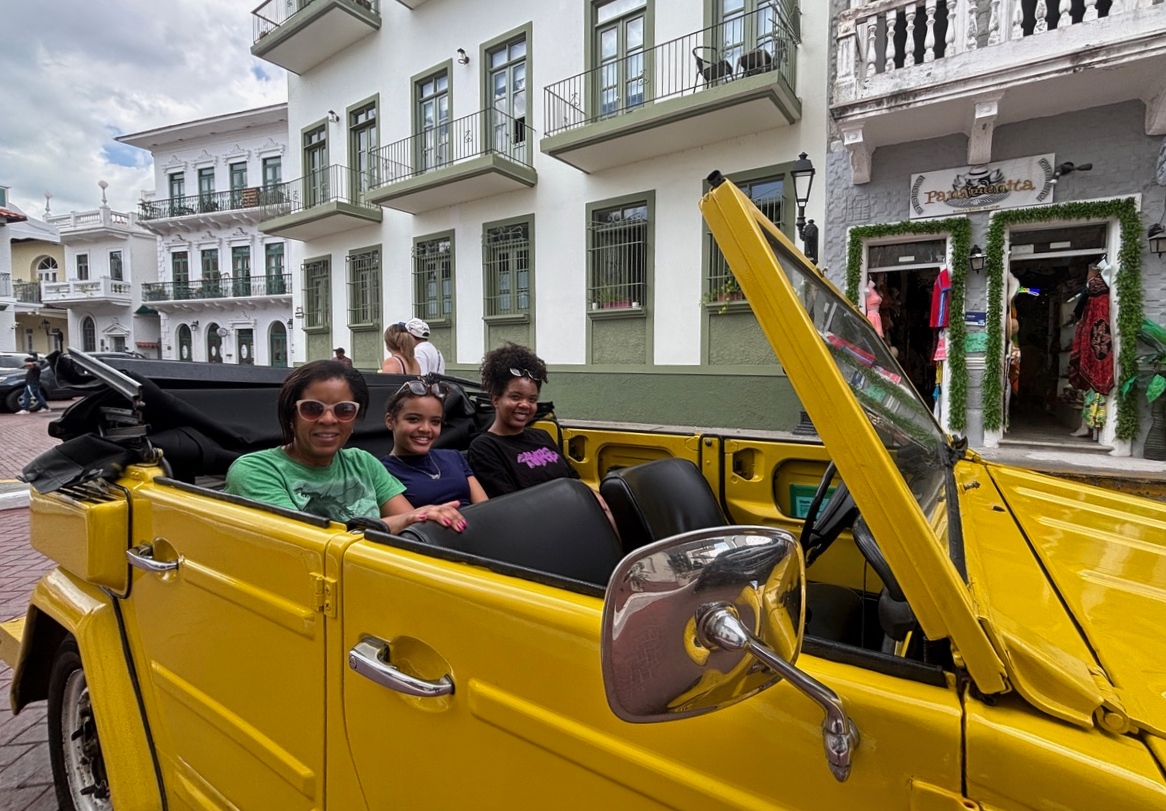
As children grow older, successful family trips become less about entertaining them and more about including them. Connecting experiences and activities to what her kids were learning in school was also important to Angela, and she found that a good 2- or 3-hour private tour gave them a lot of educational payoff without feeling over-programmed.
Kate is also impressed with the exceptional local guides CB partners with around the world. “In Athens we toured with an archaeologist named Alex, whose knowledge and storytelling were incredible,” she says. “He immediately captured all three of our kids with fascinating stories that brought ancient history to life. They were engaged from start to finish, even after a red-eye flight.”

We handle the details, you focus on the fun! Get info and read FAQs about our custom vacation planning service, from boutique hotel bookings to hand-designed itineraries and activities you can’t book on your own.
Many parents discover that tweens and teens feel more engaged and invested in the trip when they can choose an excursion, pick a neighborhood to explore or engage with the location in a more active way. Kids this age tend to prefer food markets, making pizza, learning to surf and bike rides over hushed “don’t touch” museum tours. Travel is also a time for them to spread their wings a little. After all, they won’t necessarily remember the hotel thread count, but they might recall the afternoon they found the best gelato on their own.
“I wanted our two teenage girls to have alone time on one of our trips, so [Lynda] helped us find good neighborhoods within walking distance to cafes and shopping in each city so they could safely explore on their own,” Beth says. “They loved the independence.”

Family travel changes once again when children become adults. Parents are no longer planning for them so much as planning with them. Vacations become less about showing your kids the world and more about seeing who they’ve become. These trips often revolve around a single experience: exceptional food, skiing or hiking, wellness or shopping, or a once-in-a-lifetime bucket list adventure.
Kate’s family vacation style now favors activity-based itineraries. “We look for destinations that combine cultural experiences with winter sports or water activities, and hiking and biking whenever possible,” she says. She also recalls a mother-daughter trip to Paris where Kristen arranged a private guide who was also a private historian for Louis Vuitton, saying, “She took us beyond the typical tourist experiences, introducing us to places rich in fashion history. My daughter and I were fascinated.”
Logistics can also become more complicated at this age as family members may be arriving from different cities, juggling busy class or work schedules, or traveling with kids of their own. Advisors can coordinate these moving pieces behind the scenes, ensuring everyone gets to their accommodations smoothly and that activities appeal to a range of interests and generations. Instead of managing every detail themselves, families can focus on what matters most: precious time together.
For Angela and her family, that translates to connecting at the table. “We really love great dinners,” she says. “This conversation time is really important to us. Traveling with adult kids is all about connection.”
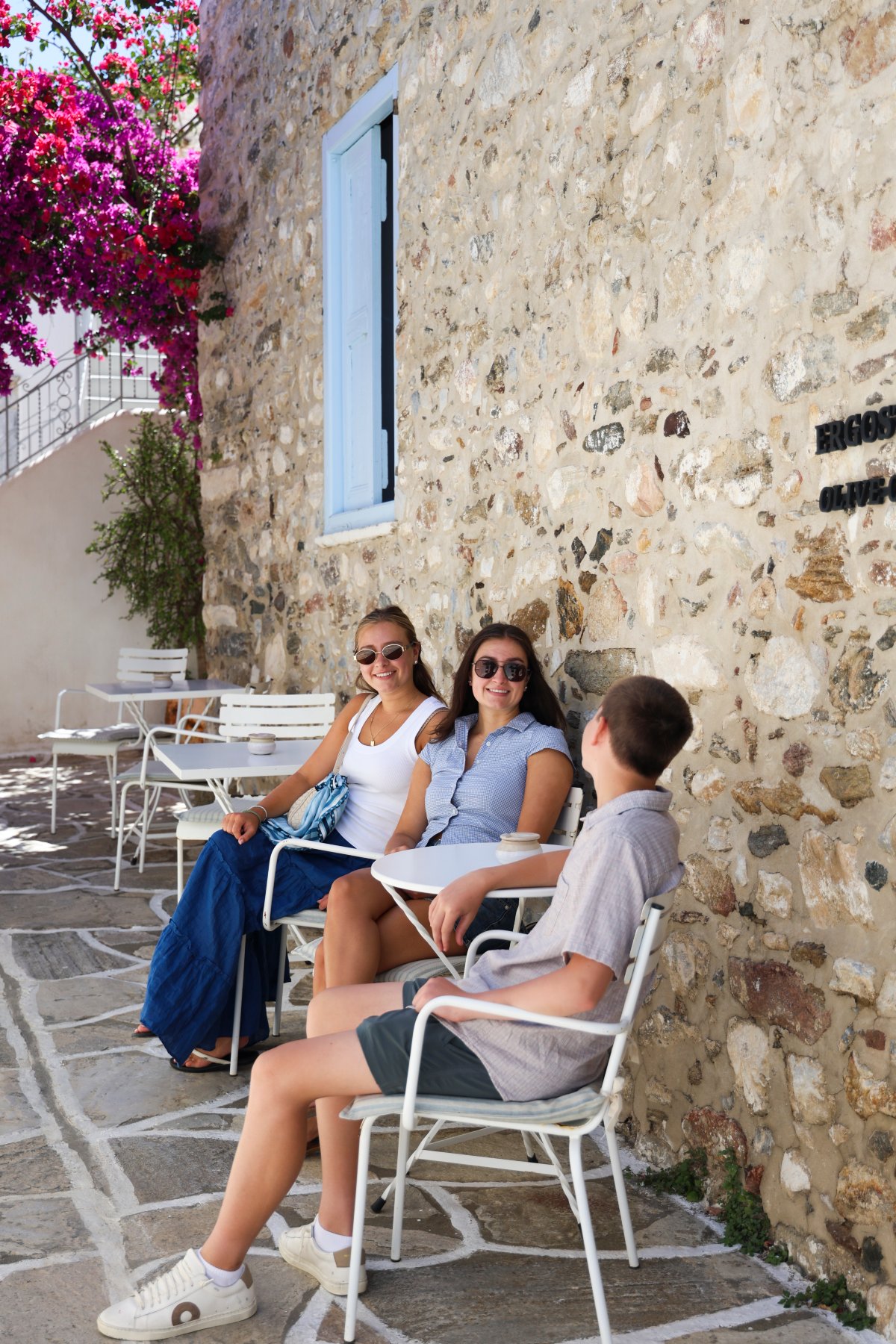
Family travel changes every few years. Strollers become backpacks. Kids’ clubs become golf cart tours. Bedtimes become late-night conversations over dinner. But the goal never really changes: Every family is trying to create a week or two (or even just a few days) that they’ll still be talking about years later. After all, the best family vacations aren’t defined by how much you see. They become the family stories that get told again and again long after the suitcases have been unpacked.
Relevant Links:
The best travel destinations for every age and stage
18 summer vacations to take before your kids grow up
10 family vacations that will change kids forever
10 great places to take kids … while they are still kids
Mindful travel tips with kids: How to live in the moment
Photos courtesy of the individual families pictured.
Editor’s note: This post was accurate when published. We advise checking independently for the latest information and updates. Ciao Bambino does not accept responsibility or liability for any errors or omissions in, or for any actions taken based on, the information presented.


 travel recommendations, inspiring adventures, and exclusive travel offers
"*" indicates required fields
Want to save all the great intel and tips you are finding on Ciao Bambino? My Trip Planner allows you to bookmark articles, family-friendly hotel reviews, and family vacation packages. Simply click the heart icon on anything you want to save. Site registration is required to get started. Happy planning!
Please fillout the form below to create your free My Trip Planner account.