 Back
Back







 FACEBOOK
 Pinterest
 Instagram

 FACEBOOK
Pinterest
Instagram
FACEBOOK
Pinterest
Instagram
Some Costa Rica hotels are all about proximity to the action. Rio Perdido Hotel & Thermal River, secluded deep in the western Guanacaste province, is about getting off the tourist path and immersing yourself in the wilderness. This boutique property feels a world away from Guanacaste’s well-known beach clubs and bustling resort towns, tucked into a private reserve where two river canyons converge (one of them thermal). With 38 private bungalows, one main restaurant, a commitment to wellness and a thrilling canyon adventure course right on the grounds, it’s a small hotel with an outsize activity roster and a wonderful sense of intimacy and remove.
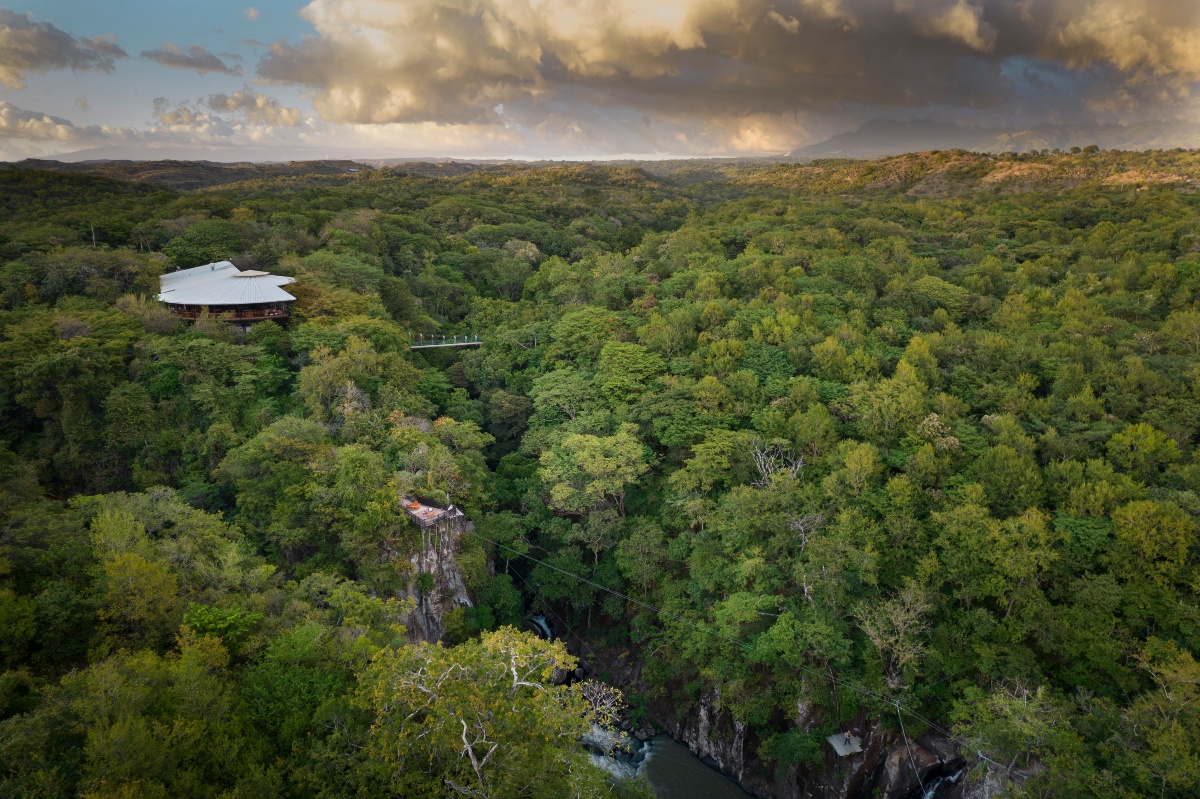
Rio Perdido sits outside the sleepy small town of Bagaces, about an hour from Liberia International Airport (LIR) and 90 minutes or so from the posh resorts of the Papagayo coast. The reserve spans well over 1,000 acres, of which only a fraction is developed; the remainder has been left to rewild. Instead of the lush, misty rainforest most Costa Rica travelers picture, Rio Perdido’s surroundings contain a jungle-like ecosystem in the canyons and a rare dwarf forest on the higher rocky ground — its deciduous trees drop their leaves during the dry season, thinning out the canopy and making wildlife much easier to spot. In addition to iguanas, colorful birds and other native creatures, we saw tons of howler monkeys overhead during our stay, munching on greenery and slinking from limb to limb.
A pair of river canyons frame the bluff where the hotel sits: the thermal Rio Perdido and the steep-walled Rio Blanco, which hosts most of the adventure activities. Together, they shape both the landscape and the experience — days naturally revolve around the water, the forest and the rugged terrain just beyond your door.
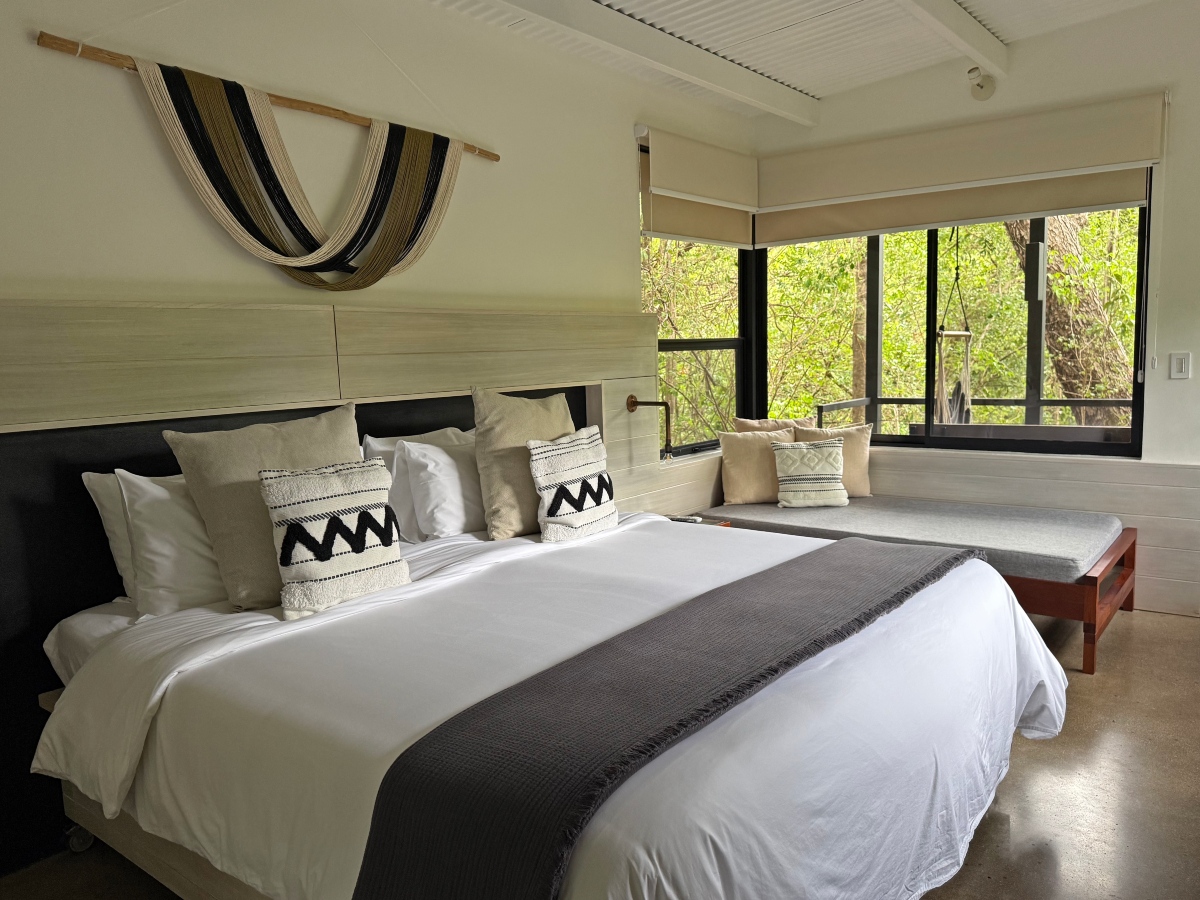
Rio Perdido’s 38 freestanding bungalows span three categories, with crucial differences that suit guests’ varying needs. Decor throughout is earthy yet sleek; neutral palettes, local woods and natural textiles get a modern edge from gleaming concrete floors and industrial-style metalwork. Although no two bungalows are completely identical, all share a strong sense of place as well as a connection to the landscape outside.

Every stay should feel special, and we’ll pair you with an expert Travel Advisor who can pass along insider perks such as complimentary breakfast, room upgrades and more, all while handling every detail behind the scenes.
The East Bungalows, in which we stayed, are the original and smallest (though still spacious) units. Each has twin beds on rollers that can be joined to form a king, plus a small daybed that can sleep a child. Important note: They’re also the only accommodations with indoor showers.
The slightly larger Center Bungalows, meanwhile, are crafted of volcanic rock, wood singed via an ancient Japanese method to yield a rich finish, and black concrete. The palette is deliberately dark to foster R&R, offset by floor-to-ceiling windows that blur the lines between indoors and out. With a king bed plus two twins that can be added upon request, they sleep up to four. Just beyond the bedroom lies a double outdoor shower, accessed through a private enclosure that shields bathers from sight.
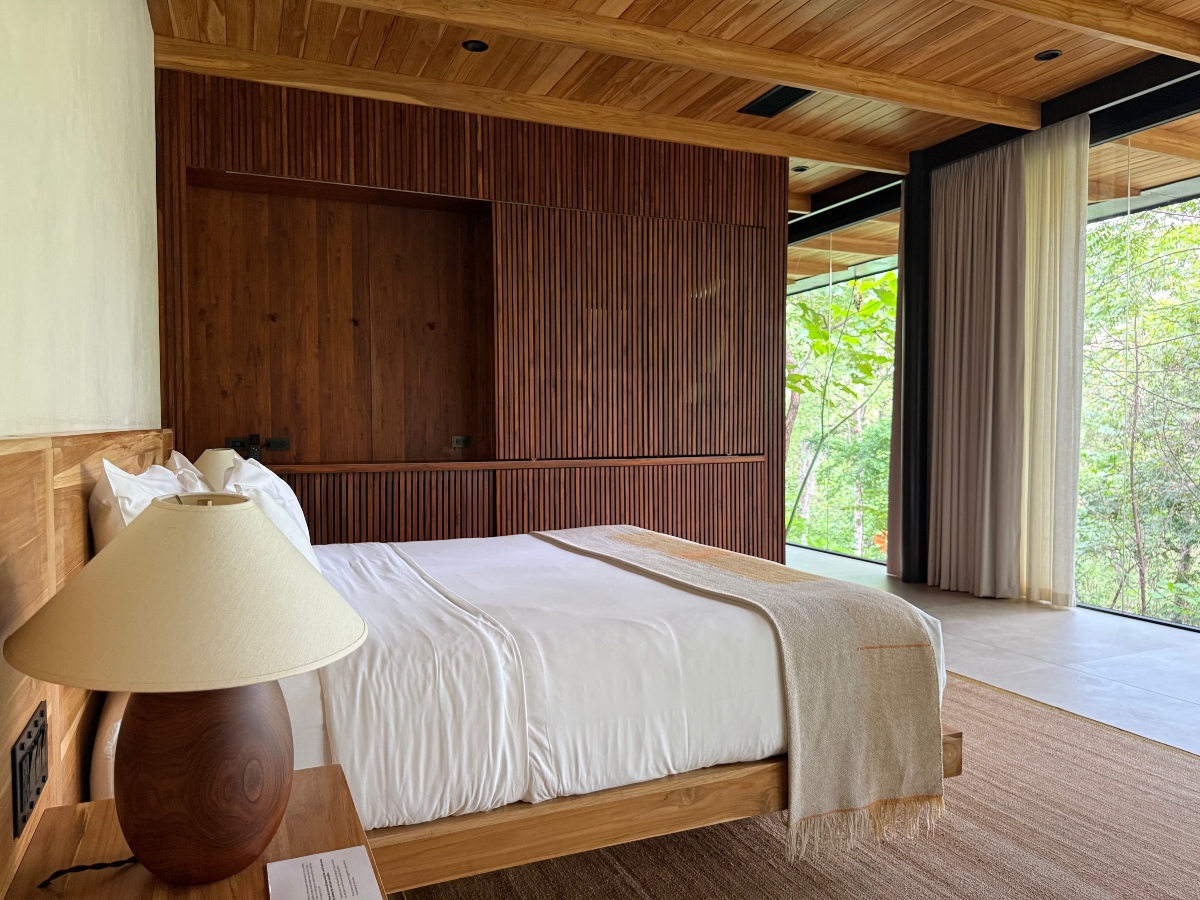
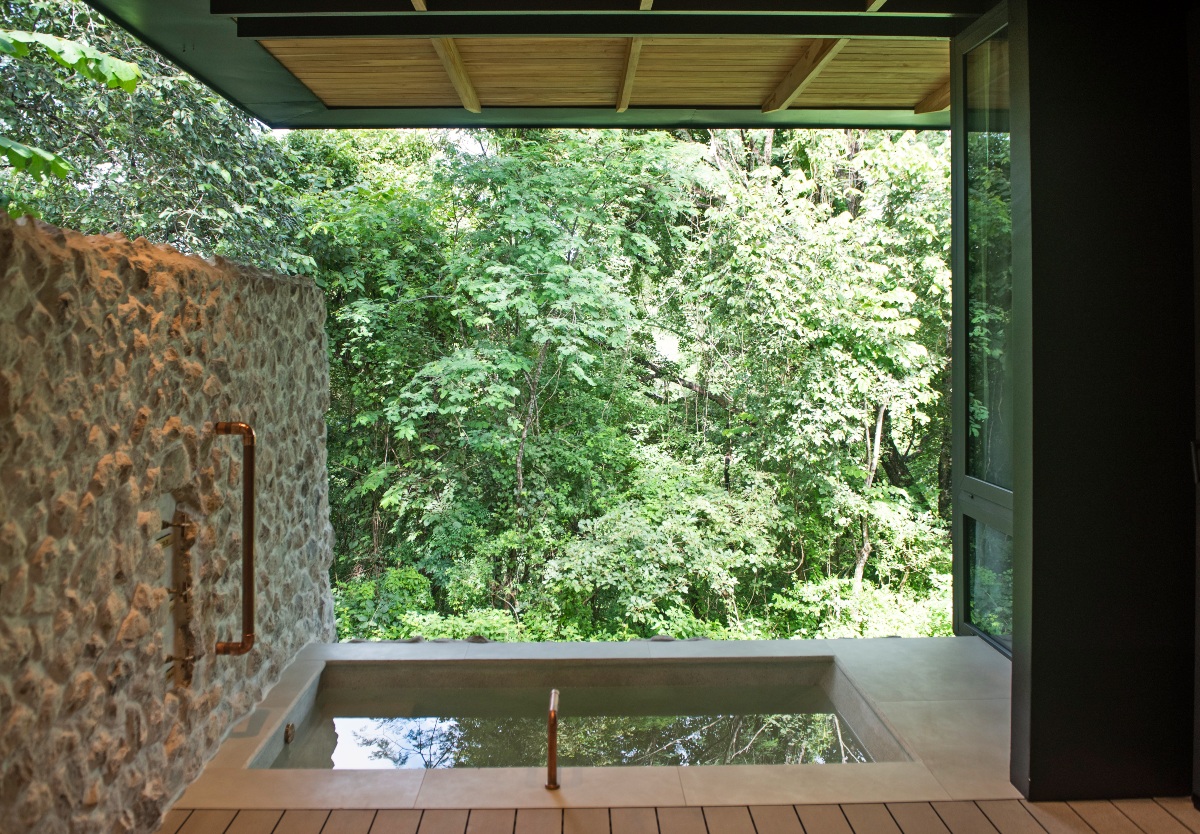
The eight West Bungalows near the Rio Blanco canyon are the newest and most sizable units, each with an open-air entrance terrace well set up for in-room dining, plus a covered rear terrace that features a double outdoor shower and an oversize tub plumbed with thermal mineral water. Surfaces are clad in sustainable hardwoods that infuse the contemporary spaces with layers of warmth and texture. Rooms in this category are equipped with king beds; the seating area can be converted into one or two twin beds on request, making these especially flexible for families. West Bungalow guests also receive complimentary room service, one laundry service and a one-time stocked minibar, among other added perks.
TIP: No two bungalows in any category connect, but families who require more than one are placed as close together as possible. Take this into account if you have younger children, as parents or other adults may need to split up.
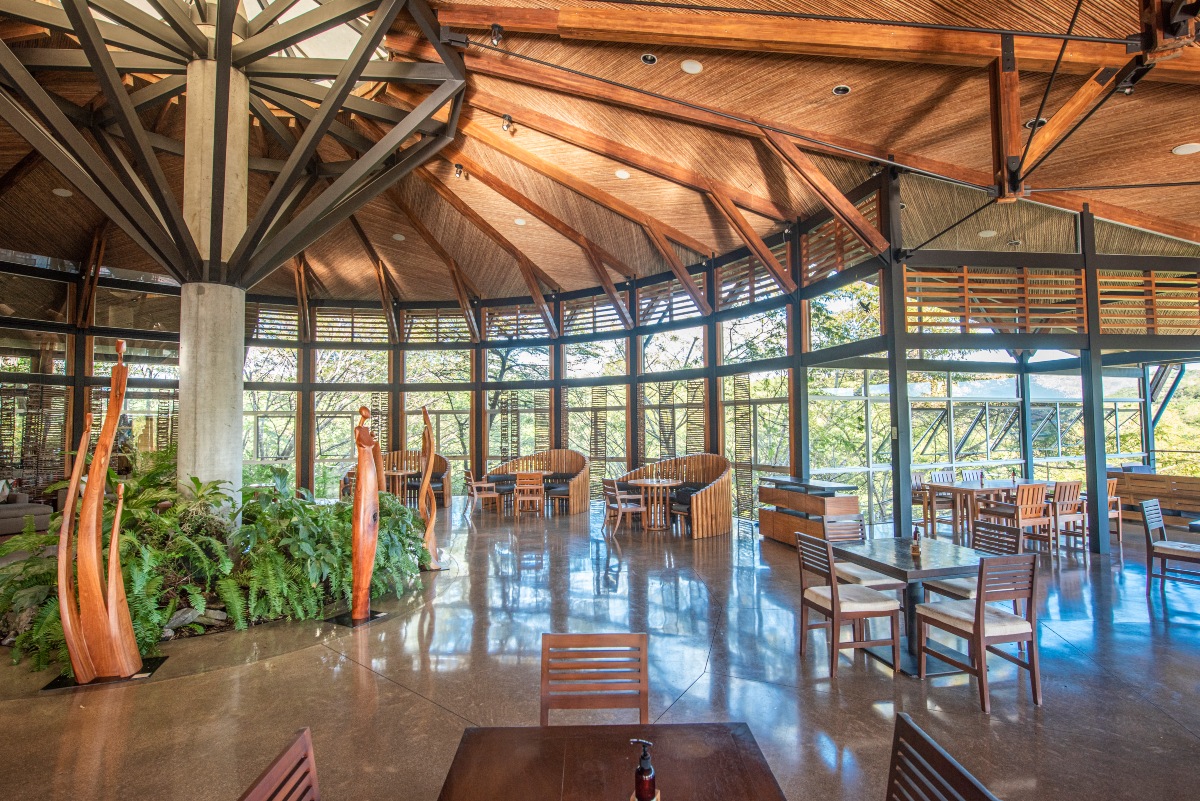
The circular main building that forms the heart of Rio Perdido also houses the open-air Perdido Pass Restaurant, overlooking the point where the two rivers meet. Tables spill onto an outdoor terrace surrounded by greenery, a lovely spot in fine weather; under the roof, light floods in through a wall of windows and the soaring ceiling keeps the space feeling bright and airy. We found the food to be excellent overall, drawing heavily from the hotel’s organic garden, La Huerta, and from producers in the surrounding Bagaces community.
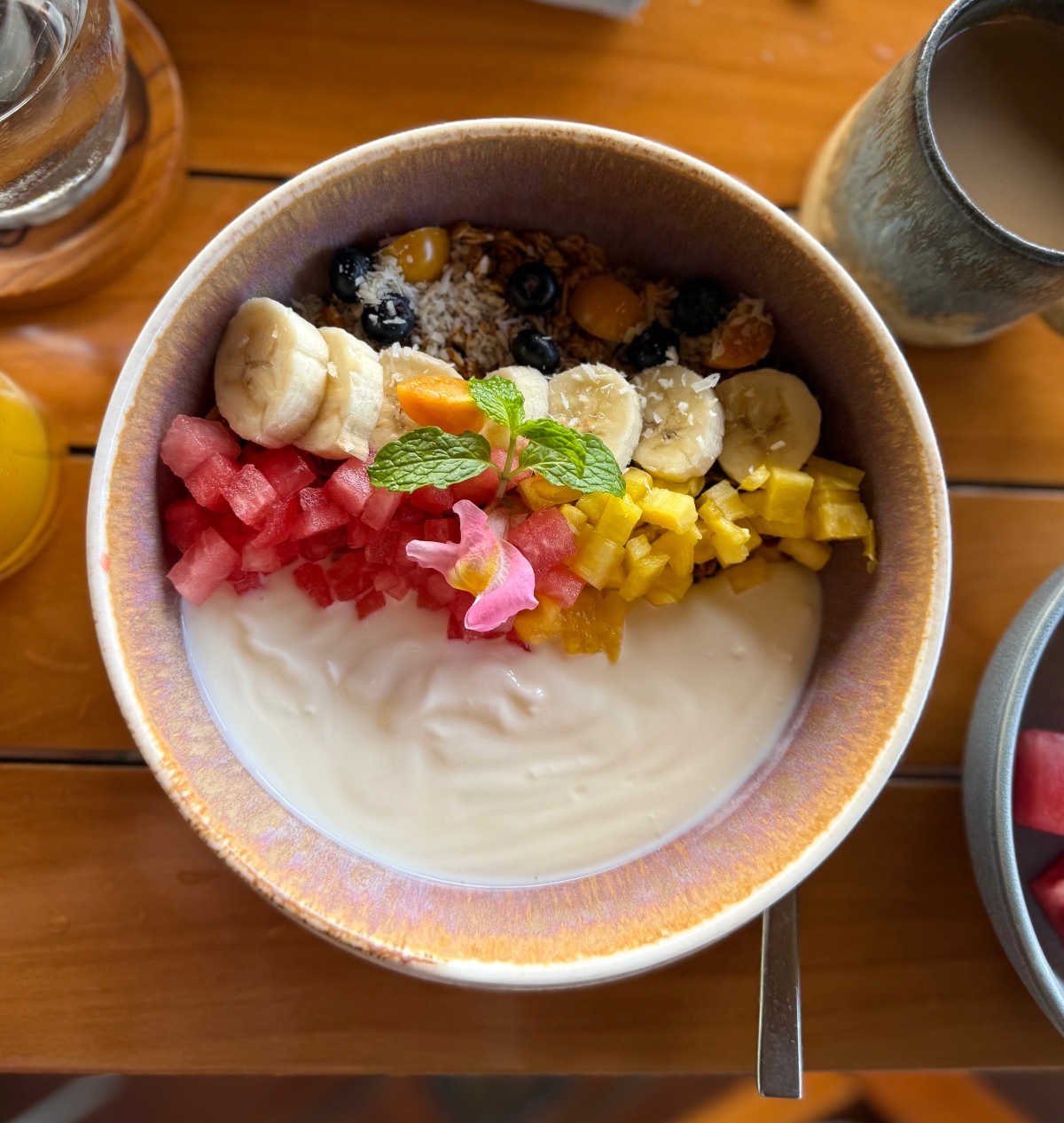
Breakfast is included in the room rate and brings plenty of tempting choices. A bowl of yogurt topped with house granola and tropical fruit arrived at our table looking like a work of art. In addition to the classic Costa Rican breakfast of gallo pinto, eggs, plantains and soft cheese, the menu includes scrambles, omelets and skillets; tender pancakes; and a selection of breads or thick tortillas with various topping combinations — smoked trout, arugula and cream cheese, for instance.
Lunch and dinner menus are equally varied, with dishes such as ceviche and handmade gallos (the regional version of tacos); refreshing chilled soups and crisp salads; simply prepared seafood; and familiar favorites like burgers and quesadillas. If you fancy a sweet treat afterward, keep it local with rice pudding or the syrupy fried pastries known as prestiños, both delicious — though you also can’t go wrong with a scoop of house-made sorbet or a slice of passion fruit cheesecake.
A second kitchen located poolside handles casual daytime dining and fires wood-oven pizzas on weekends. For a special-occasion splurge, there’s a floating platform suspended roughly 50 meters above the river convergence that you can reserve for private dinners and small events.
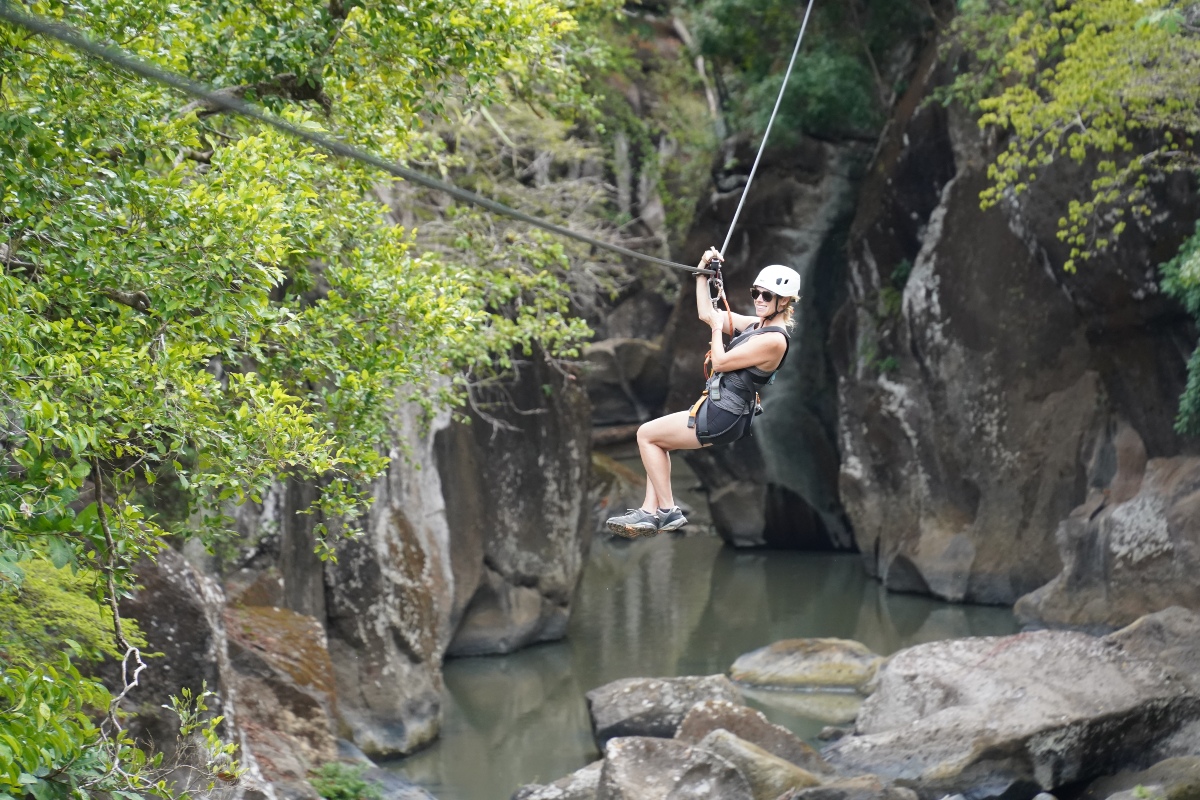
You don’t even have to venture off-property to enjoy the outdoor thrills for which Costa Rica is famous. Rio Perdido’s signature experience is the canyon course through the Rio Blanco — five zip lines, four short via ferrata sections, a pendulum cable and a Tarzan swing (which is every bit as fun as it sounds). Throughout the hourlong adventure, you’re in the hands of two capable guides who keep things moving smoothly while offering plenty of encouragement along the way. The scenery is spectacular and the adrenaline rush is real but not too intense; there was never a moment when we felt uneasy.
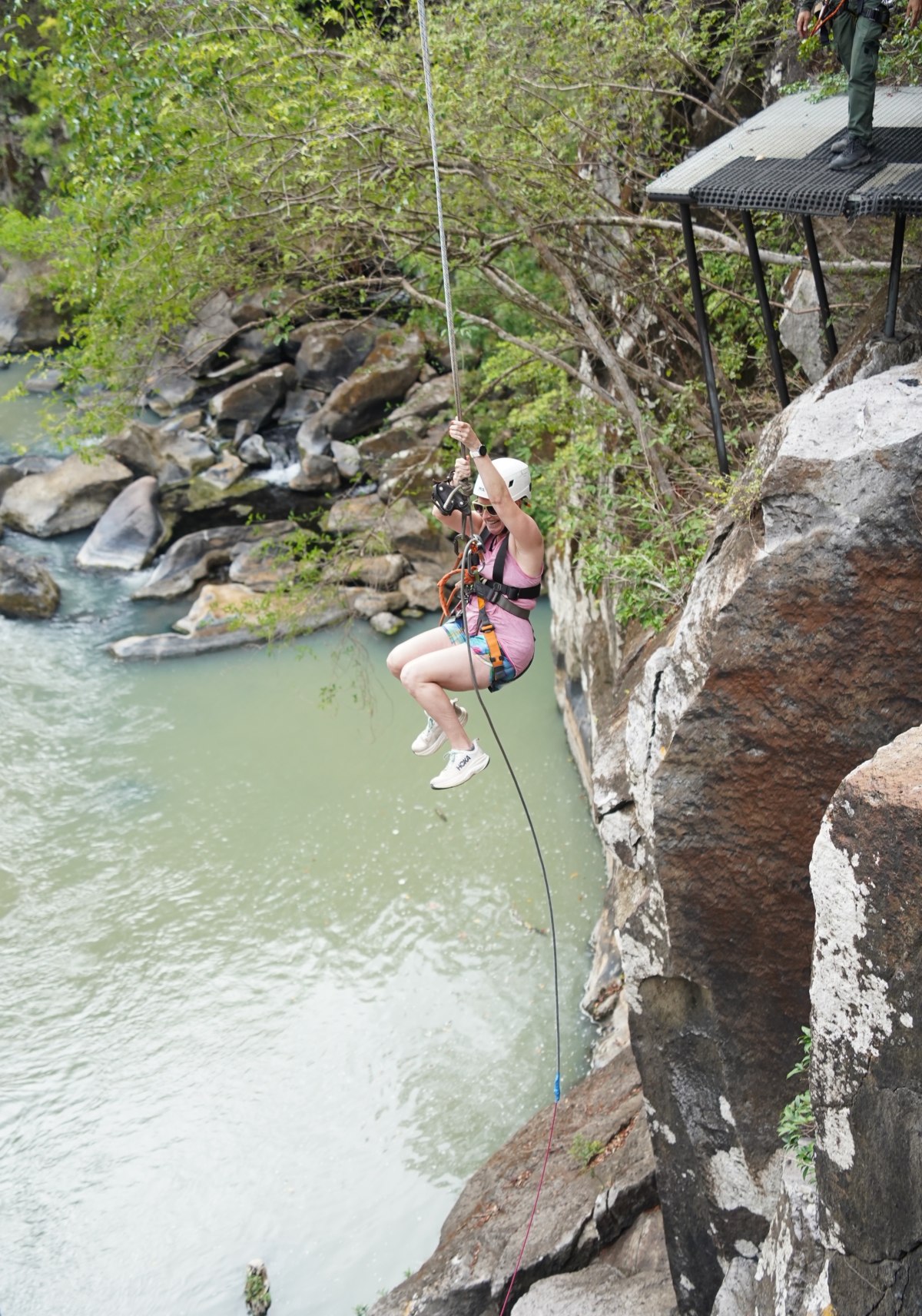
TIP: A staff photographer will snap pictures as you whizz along, and the optional photo package runs around $50 afterward. Family members who sit it out can catch sight of participants from the viewing platform perched above one of the ziplines.
Beyond the canyon course, the property offers roughly 20 miles of hiking, trail running and mountain biking trails. Farther afield, the menu of adventures expands with whitewater tubing (best from November through January, when water levels are highest), excursions to Arenal and other volcanoes, waterfall hikes, rafting, night tours and birding.
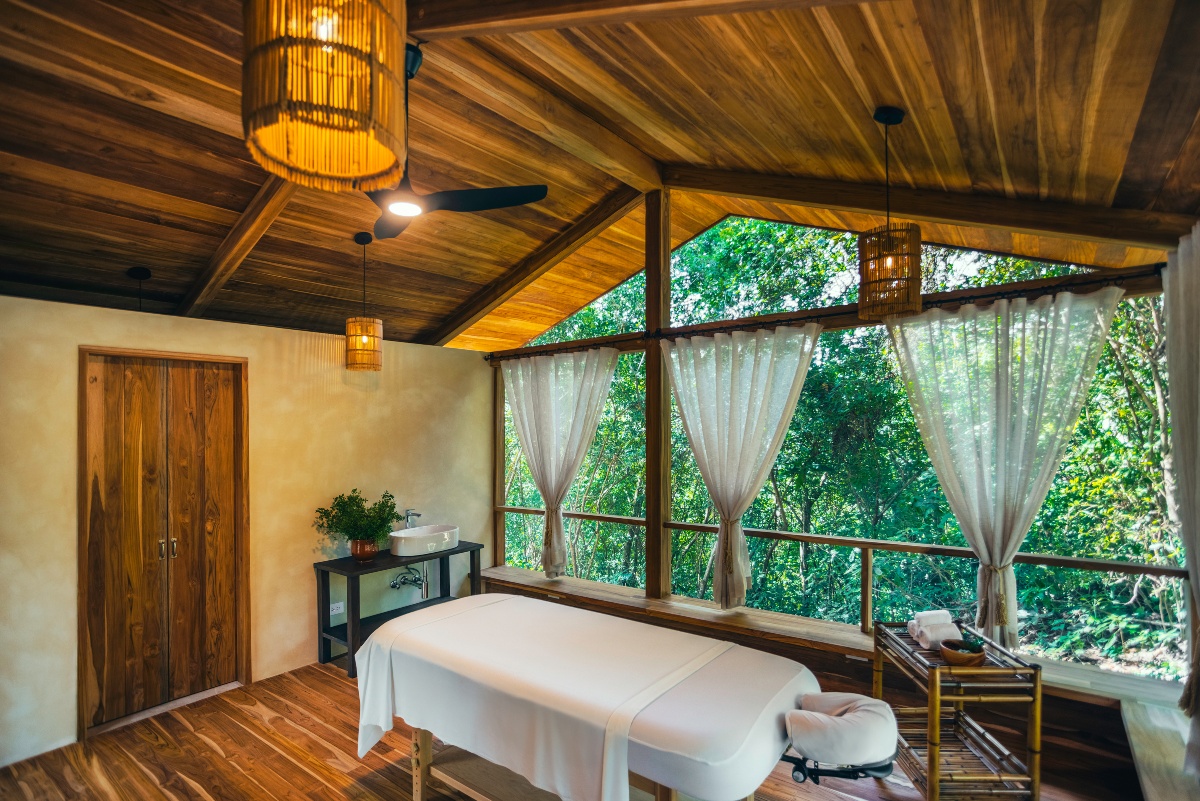
Rio Perdido embraces what it terms “Passive Wellness”: the idea that the surrounding forest, mineral-rich water, locally sourced food and opportunities to unplug are restorative in and of themselves without an onerous daily schedule. The thermal canyon is central to that philosophy — its naturally heated springs mix with the cool river to create dozens of natural pools; guests can also slather on volcanic mud for a delightfully messy DIY spa treatment before rinsing off in the warm water.
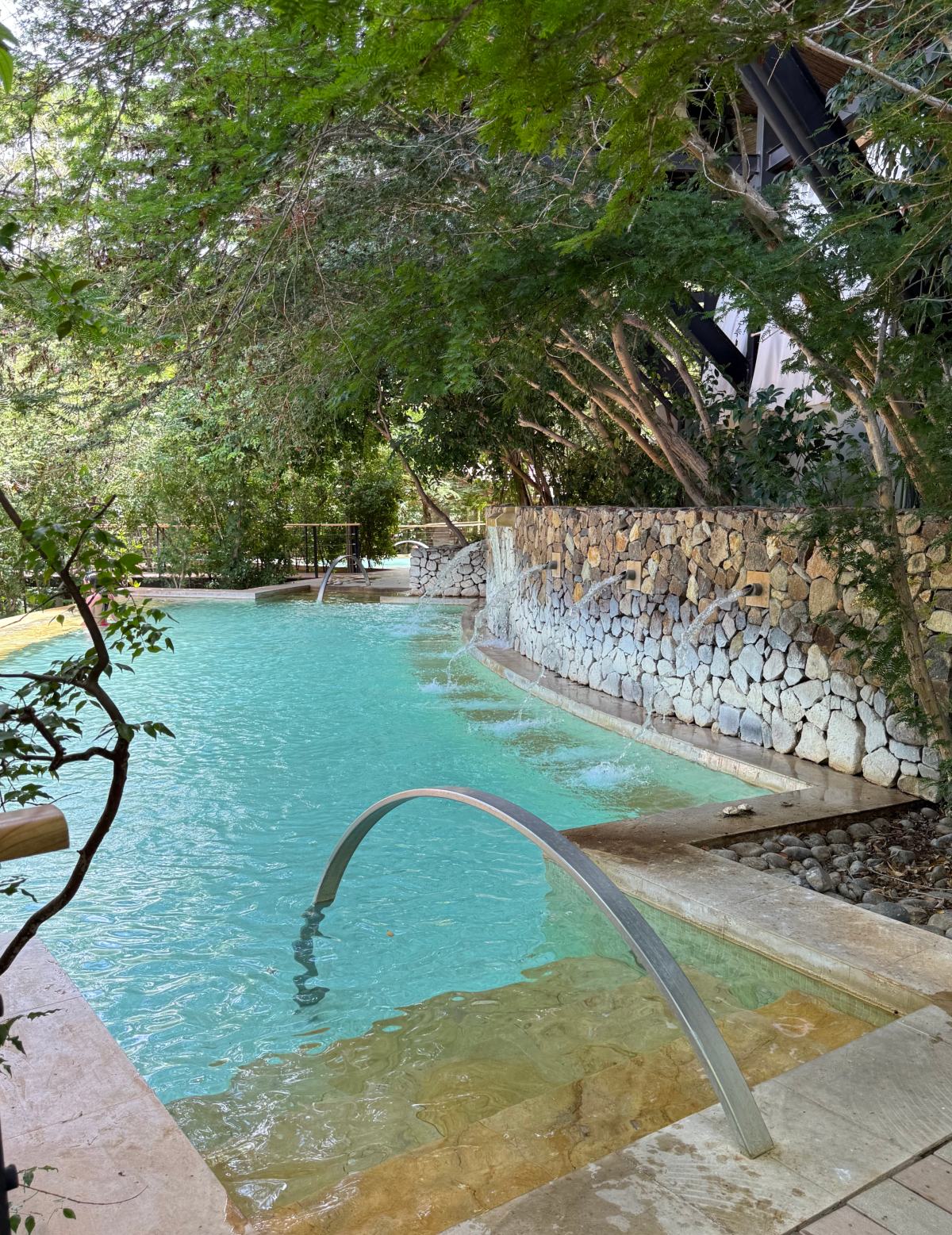
For more traditional pampering, book a session at the real spa, which sits in a forest enclave reached by suspension bridge. Open-air treatment casitas offer massages and a menu of 30-minute facials incorporating ingredients such as locally sourced aloe vera and volcanic clay from the nearby Miravalles area. A companion yoga shala hosts Hatha sessions, sound therapy, Reiki and meditation, while separate cliffside yoga pods hover high above the thermal river for an especially memorable place to practice. Or you could just laze by one of the three onsite swimming pools, all fed by the thermal waters and kept at varying temperatures, as you listen to the wind rustle the leaves and the monkeys chatter nearby.
Relevant Links:
Browse all accommodations and activities in Costa Rica on Ciao Bambino
25 tips for visiting Costa Rica with kids
Best itinerary for a Costa Rica family vacation
3 authentic food & cultural experiences in Costa Rica for families
4 standout nature & wildlife experiences in Costa Rica for families
Costa Rica off the beaten path: Our best kept secrets
Photos by Lisa Frederick except where noted.
Editor’s note: This post was accurate when published. We advise checking independently for the latest information and updates. Ciao Bambino does not accept responsibility or liability for any errors or omissions in, or for any actions taken based on, the information presented.
Written By
By Lisa Frederick


 travel recommendations, inspiring adventures, and exclusive travel offers
"*" indicates required fields
Want to save all the great intel and tips you are finding on Ciao Bambino? My Trip Planner allows you to bookmark articles, family-friendly hotel reviews, and family vacation packages. Simply click the heart icon on anything you want to save. Site registration is required to get started. Happy planning!
Please fillout the form below to create your free My Trip Planner account.