 Back
Back







 FACEBOOK
 Pinterest
 Instagram

 FACEBOOK
Pinterest
Instagram
FACEBOOK
Pinterest
Instagram
The ancient mountaintop citadel of Machu Picchu is synonymous with Peruvian travel, but it’s far from the country’s only highlight. If this rightfully renowned world wonder ranks anywhere on your bucket list, get ready to go deeper than a single life-changing trek when you visit the country. CB Travel Advisor Tracy Smith’s recent trip included stints in Lima, Cusco and the Sacred Valley, with warm hospitality and delicious cuisine underscoring her incredible experience. She sat down with us to talk about the Peru highlights and tips that she’s excited to incorporate into her itineraries for CB travel planning clients.
Tracy Smith: The opportunities for authentic cultural immersion and outdoor adventure make Peru a wonderful destination for families. From feeding alpacas and crafting with local artisans to visiting some of the world’s most spectacular historic sites, there’s something fascinating and interactive for everyone. Go on easy hikes, explore vibrant cities and relax at beautiful hotels, or take on bigger adventures like Rainbow Mountain or Machu Picchu with support from expert guides.
TS: The trip is probably best suited for school-age children and older — kids old enough to appreciate some walking, diverse foods and new cultures. Teens and adult children will love the adventure, history and scenery. Some parts of Peru might be challenging for very young children and people with serious mobility/health issues due to altitude, long transfers and loose traffic laws. But with the right planning, your family will make amazing memories together.

TS: Our itinerary included Lima, Cusco, the Sacred Valley and, of course, Machu Picchu. Here are some of the standout sites, restaurants and activities I’d recommend.
Lima
Peru’s capital city was a great starting point for the trip. We spent the first two nights in Lima, getting introduced to the culture. A half-day guided tour took us to some of the most attractive and important sites around the “City of Kings,” including the Historic Centre, Plaza San Martín, Plaza Mayor, the Government Palace and Casa de Aliaga, the oldest colonial mansion in Lima. The Larco Herrera Museum is housed in an 18th-century mansion surrounded by gardens, with collections dating back to antiquity. In the upscale San Isidro District, we browsed local markets and spent time in lovely parks that overlook the Pacific Ocean. Strolling the Miraflores Boardwalk is a must for beach access and Lima’s most iconic coastal viewpoints.

Tell us where you’d love to go, and we’ll pair you with an expert Travel Advisor who handles the planning from beginning to end: custom itineraries, private guides, immersive local experiences and handpicked hotels.
The Sacred Valley
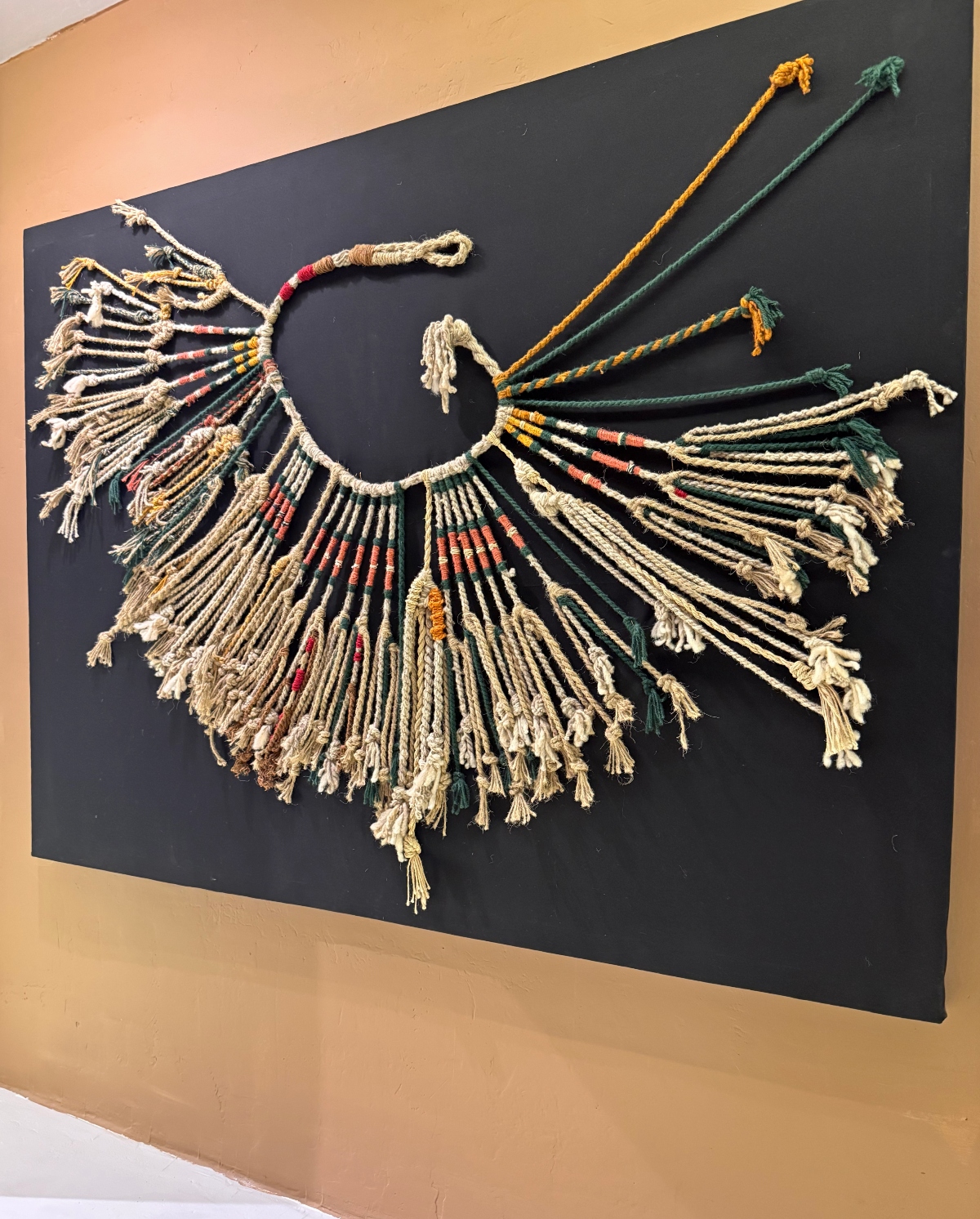
We took an in-country flight (only about an hour) from Lima to Cusco and made our way to the Sacred Valley by private car service. Along the way, we toured the Sacsayhuamán ceremonial complex, built with massive stone blocks that reflect the extraordinary craftsmanship of the Incas. Next, we took part in a hands-on Andean weaving workshop with master weaver Walter Sulca, explored the Sulca Textile Museum and fed some cute alpacas. We stopped at the Mirador Taray overlook for a bird’s-eye view of the Andes Mountains and the Sacred Valley, then enjoyed lunch at Hacienda Huayoccari, a charming family-owned estate. It’s the most incredibly scenic place with beautiful plant life and some of the best food I’ve ever eaten.
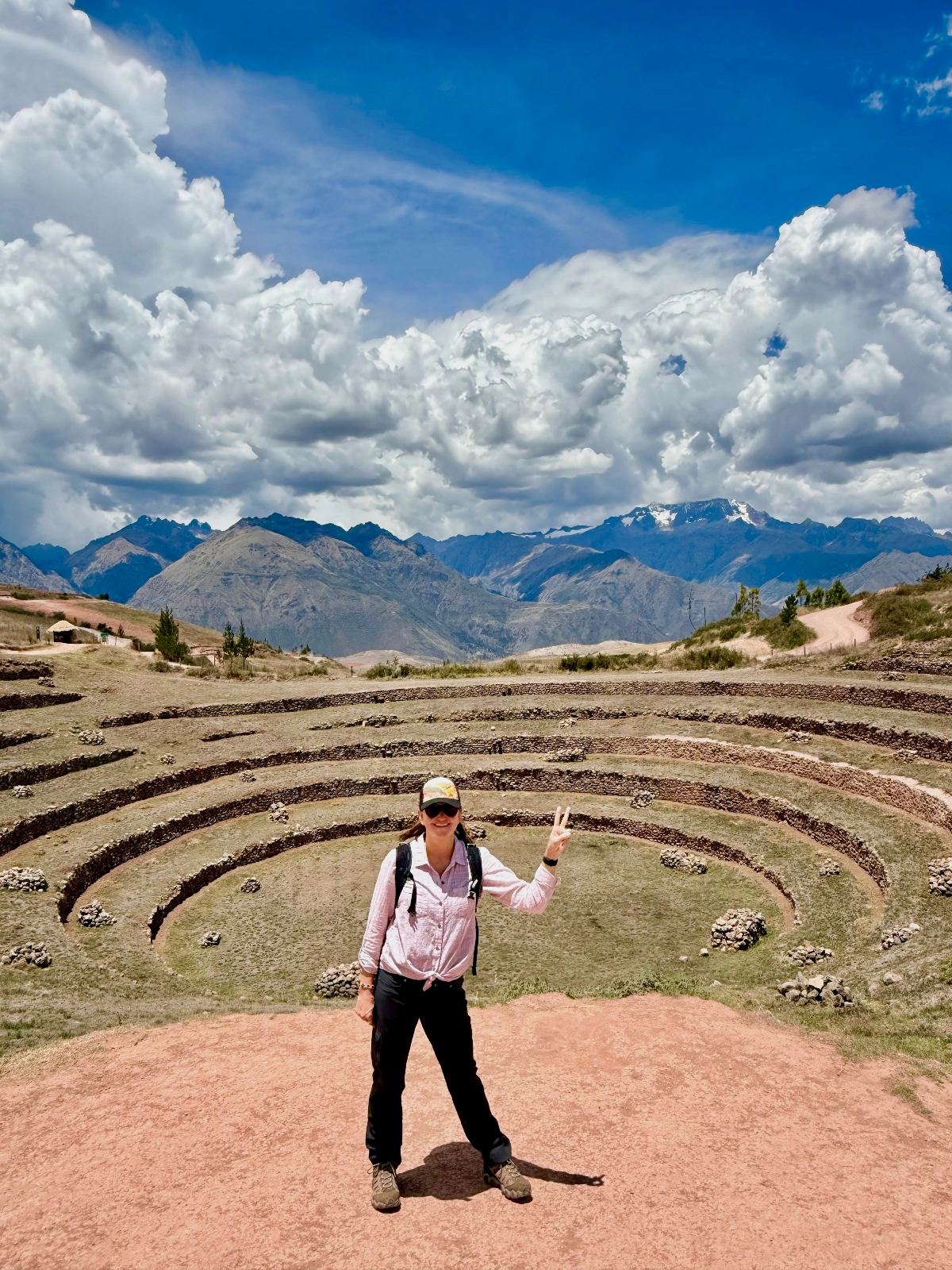
On our second day in the Sacred Valley, we met residents of the Incan community of Misminay and made a yummy dip to snack on with them. It felt very genuine and immersive. From there, we hiked down to the Moray archaeological site to learn about the Incas’ impressive agricultural knowledge and continued on to several other scenic villages. Lunch at UNU Landscape & Gastronomy in Maras that day was unforgettable, between the farm-fresh Andean cuisine and the breathtaking setting. Afterward, we ventured to a nearby salt mine for a glimpse into that major Peruvian industry.

Machu Picchu
The day we set out for Machu Picchu from our Sacred Valley hotel, our journey began at the Inca fortress and citadel of Ollantaytambo. The stronghold served as a military, religious and agricultural center, guarding the entrance to the Sacred Valley. Today, it remains one of the best-preserved examples of Incan urban planning, with its original streets still in use by the local community.
We boarded the 360° Train by Inca Rail for a panoramic experience en route to Machu Picchu. With floor-to-ceiling windows and an open-air observatory car, the ride gave us a front-row look at the changing scenery. There were also a few onboard cultural performances throughout the nearly 2-hour ride. We arrived at the town of Aguas Calientes at the base of Machu Picchu, where an enchanting cloud forest greets you. The tranquil atmosphere, thermal springs and fantastic restaurants in this small town would make a few extra nights here well worth it. Plus, extending your stay would allow for some much-needed downtime between busy travel and adventure-filled days.
Our excursion to the Historic Sanctuary of Machu Picchu, the Lost City of the Incas, took place in the afternoon the day after our arrival. Shorter wait times and smaller crowds are more common later in the day. Aboard a giant bus, we traveled up the twisty, winding dirt road to the top of Machu Picchu — it’s not for the faint of heart. There are several circuits you take to see different parts of the citadel. Circuit One is for someone, maybe with mobility issues, who wants to pop in and just take some pictures. Circuit Two is probably the best for families or couples who want to see everything. It was definitely one of the most moving places I’ve ever experienced, and it’s massive. Taking in the architecture and the size and age of the mysterious city made me more emotional than I expected. We took the train back to the Sacred Valley and continued on to Cusco.

Cusco
The next morning, we got up very early for a day trip to one of the most incredible places I’ve ever seen in my life: a landscape of three rainbow-colored mountains and an enormous glacier. Instead of taking the popular hike to the best-known Rainbow (or Seven Colors) Mountain, Vinicunca, our guide led us along the less-frequented trail to Palccoyo. The 1.5-hour hike took us up to 16,000 feet, making it our most challenging day by far. Having a knowledgeable guide is crucial for acclimating to the changing elevation. When you get to the very end of the trail, with this massive glacier and multicolored rocks right in front of you, you think, wow — how did this just just happen? It’s extraordinary.
On our final day, we enjoyed a city tour of Cusco, viewing Incan temples and stunning cathedrals as well as browsing the large San Pedro Market. There are plenty of shops and eateries to keep all ages entertained. While the city is very walkable, I highly suggest sticking together as a group, especially if you’re traveling with kids. Local drivers treat traffic signs and lane markers more like optional guidelines, so be extra cautious when crossing the street.
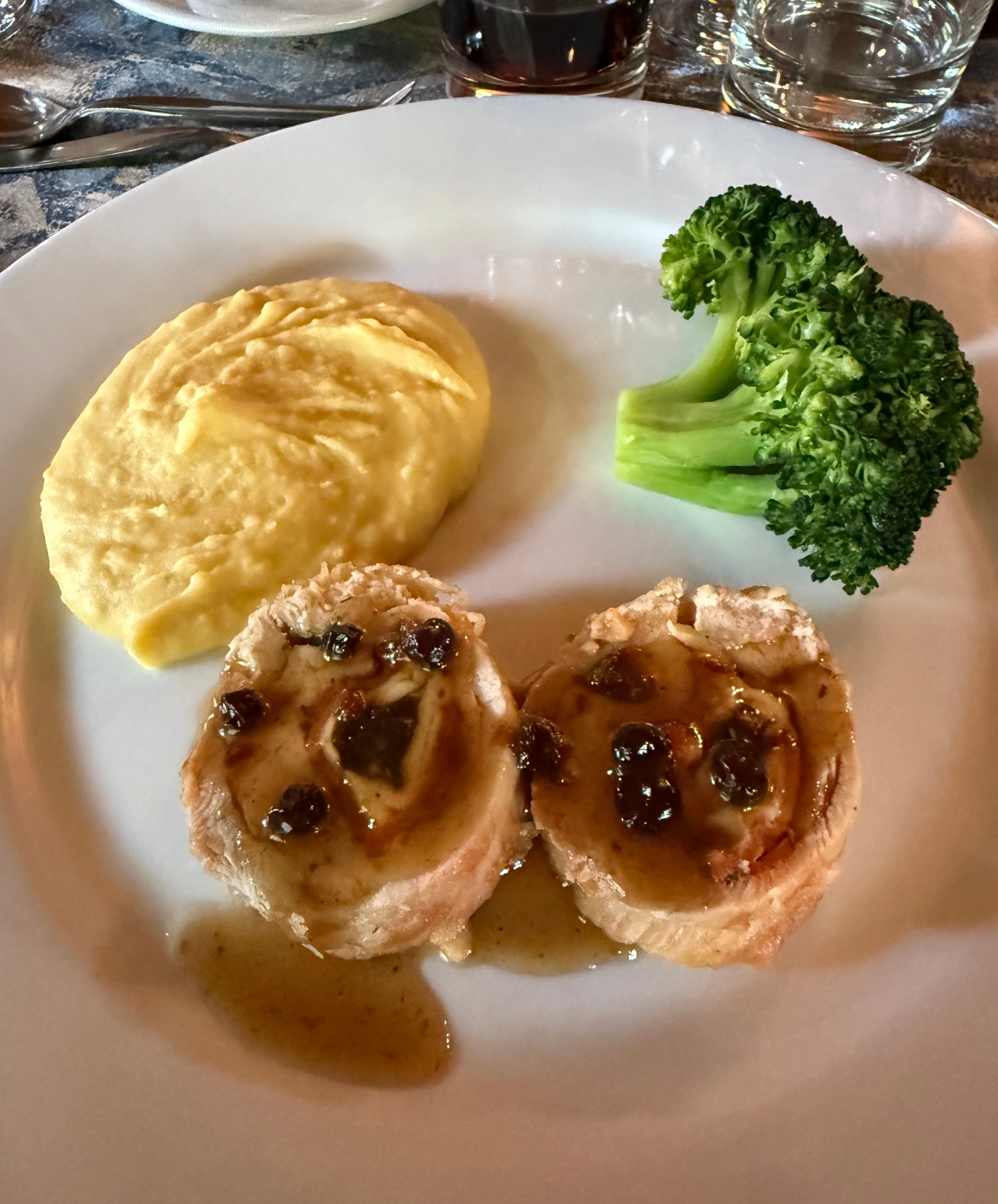
TS: I had some of the best meals of my life overlooking the Andes. Peruvian food is fantastic, with tons of potato varieties, flavorful chiles and fresh seafood. We ate traditional foods at local restaurants that felt intimate and real, not touristy at all. Tenderloin beef with vegetables and fresh ceviches are common menu items, along with the country’s signature pisco sour cocktail.
In addition to Hacienda Huayoccari and UNU in the Sacred Valley, Café Inkaterra in Aguas Calientes was fantastic for its glasshouse setting and contemporary take on classic Andean fare. On our last night, dinner at the Museum of Pre-Columbian Art’s MAP Café was top-notch.
TS: My trip took place in early November, which is the very beginning of the rainy off-season. Crowds were generally small and temperatures were very mild. Pack light layers and rain gear that’s easy to tote when you’re out and about for the day. I’d recommend late October/early November as a sweet spot in the shoulder season.
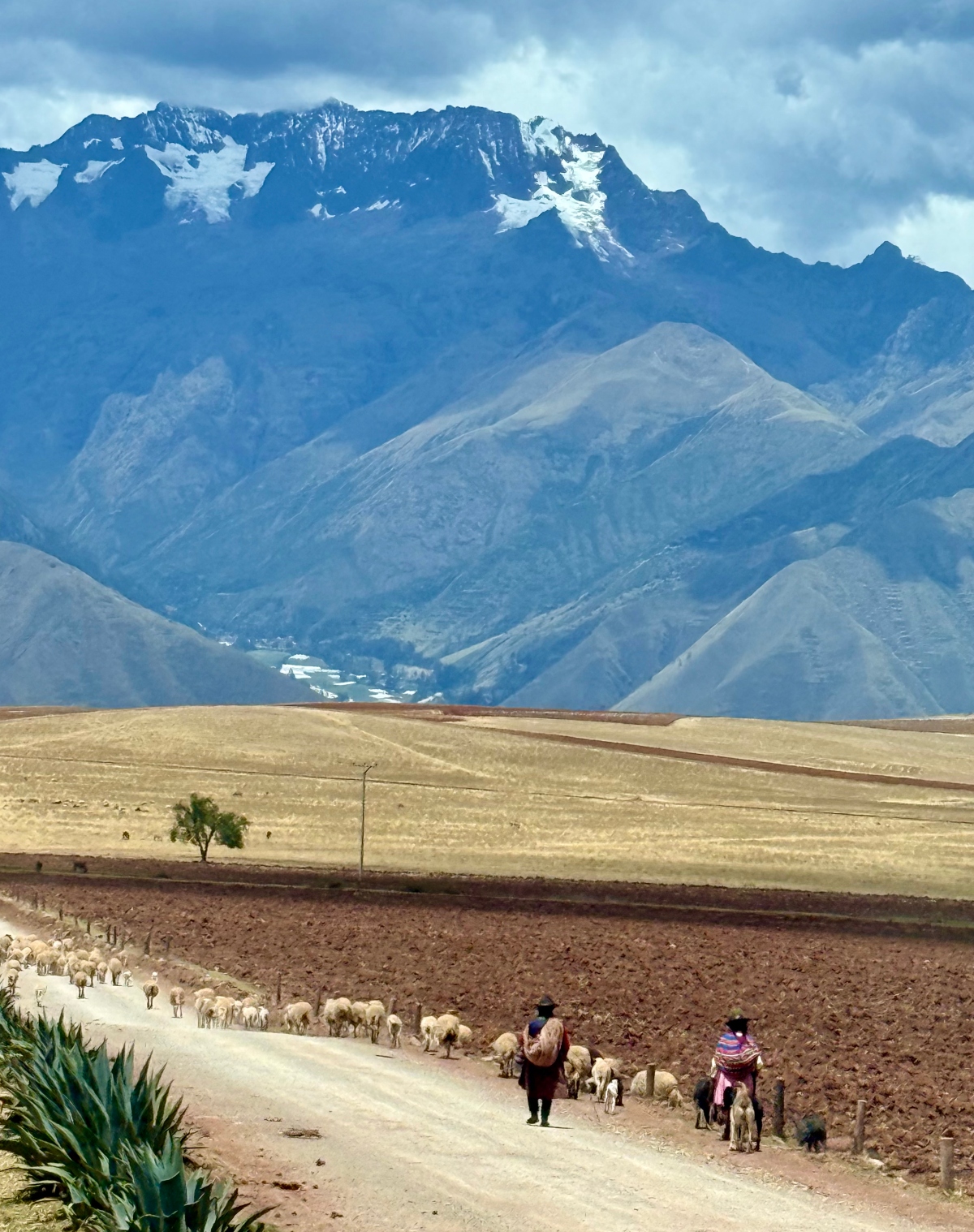
TS: Be prepared for the high altitudes. Keep over-the-counter medication for nausea, dizziness and headaches handy in case symptoms start to slow you down. A major benefit of working with a local guide during your trip is their knowledge of the changing elevations. They will help you gradually acclimate from one destination to the next to avoid illness. Those with asthma or mobility limitations may have a harder time participating in some of the excursions I’ve listed, but a trusted Travel Advisor can coordinate the best adventures for your family’s needs.
Likewise, it’s important to book reputable transportation services. There are a lot of unpaved, steep and uneven roadways that can make even the shortest car or bus ride bumpy, to say the least. Bear in mind, it’s not uncommon to pass through poverty-stricken areas as you make your way to those unbelievably beautiful places. It was extremely humbling and emotionally poignant for me.
Relevant Links:
Browse all destinations and accommodations in Peru on Ciao Bambino
Need-to-know Machu Picchu travel tips for families
10 surprising places to take toddlers on a family vacation
18 summer vacations to take before your kids grow up
Essential tips for planning a trip to Argentina with kids
Top things to see and do in Cartagena with kids
Photos courtesy of Tracy Smith.
Editor’s note: This post was accurate when published. We advise checking independently for the latest information and updates. Ciao Bambino does not accept responsibility or liability for any errors or omissions in, or for any actions taken based on, the information presented.


 travel recommendations, inspiring adventures, and exclusive travel offers
"*" indicates required fields
Want to save all the great intel and tips you are finding on Ciao Bambino? My Trip Planner allows you to bookmark articles, family-friendly hotel reviews, and family vacation packages. Simply click the heart icon on anything you want to save. Site registration is required to get started. Happy planning!
Please fillout the form below to create your free My Trip Planner account.