



• SearchSearch
  • Plan

Essential Tips for Planning a Trip to Argentina with Kids

All of Latin America is very family-focused, but Argentina offers families something extra-special. The country’s diversity in landscape and experience make it one of the most beautiful places in the world, and you can experience everything from glaciers to salt flats to a tropical ecosystem. A vacation here is perfect for those seeking an active trip paired with memorable cultural experiences. Yet for many, it gets lost in the shuffle, falling behind trips to Machu Picchu and the Galápagos Islands on the South America bucket list.

The Ciao Bambino Travel Advisor team works with vetted travel partners who have an intimate knowledge of the region in order to create custom itineraries tailored to each client’s interests and mix of ages. After returning from a visit with his own family, one of our preferred partners shared his insights for exploring Argentina with kids. Here are the essentials to keep in mind.
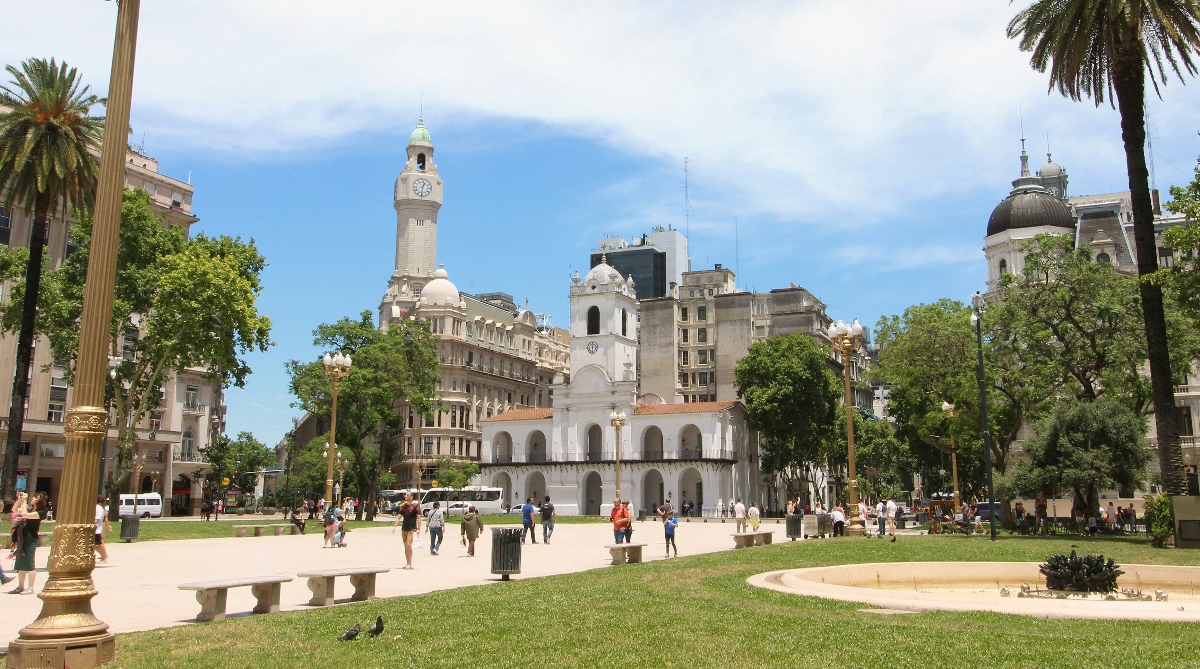
The historic Cabildo building anchors this view of Plaza de Mayo in Buenos Aires, its white colonial facade featuring a row of arches and a central bell tower. The plaza's green lawn and wide pedestrian paths accommodate visitors strolling through the public square, framed by tall palm trees on either side. Behind the Cabildo, the city's European-influenced architecture rises against a partly cloudy sky, including a distinctive clock tower and domed buildings.
The Cabildo de Buenos Aires, constructed in the 18th century as Spain’s colonial administrative headquarters, now serves as the National Museum of the Cabildo and the May Revolution with exhibits chronicling the colonial era and early independence. Photo by Celso Costa on Unsplash

Top Tips for Visiting Argentina with Kids

Picking the Right Age

Many areas in Argentina are good for school-age kids and up. Just keep in mind that the more active you want to be, the older the kids must be to participate in and enjoy the experience. Since the glacier regions (mostly in Patagonia) require more trekking, they’re best saved for teens or young adults. However, the Lake District offers estancias, or ranches, that are perfect for families and include activities like canoeing, kayaking and horseback riding for those as young as 5.

Ready for the trip of a lifetime? We’ll make it happen.

Send us a quick inquiry, and we’ll pair you with an expert Travel Advisor who can design a custom itinerary, arrange private guides and experiences, and book vetted accommodations, often with valuable perks to pass along. Click to get started!
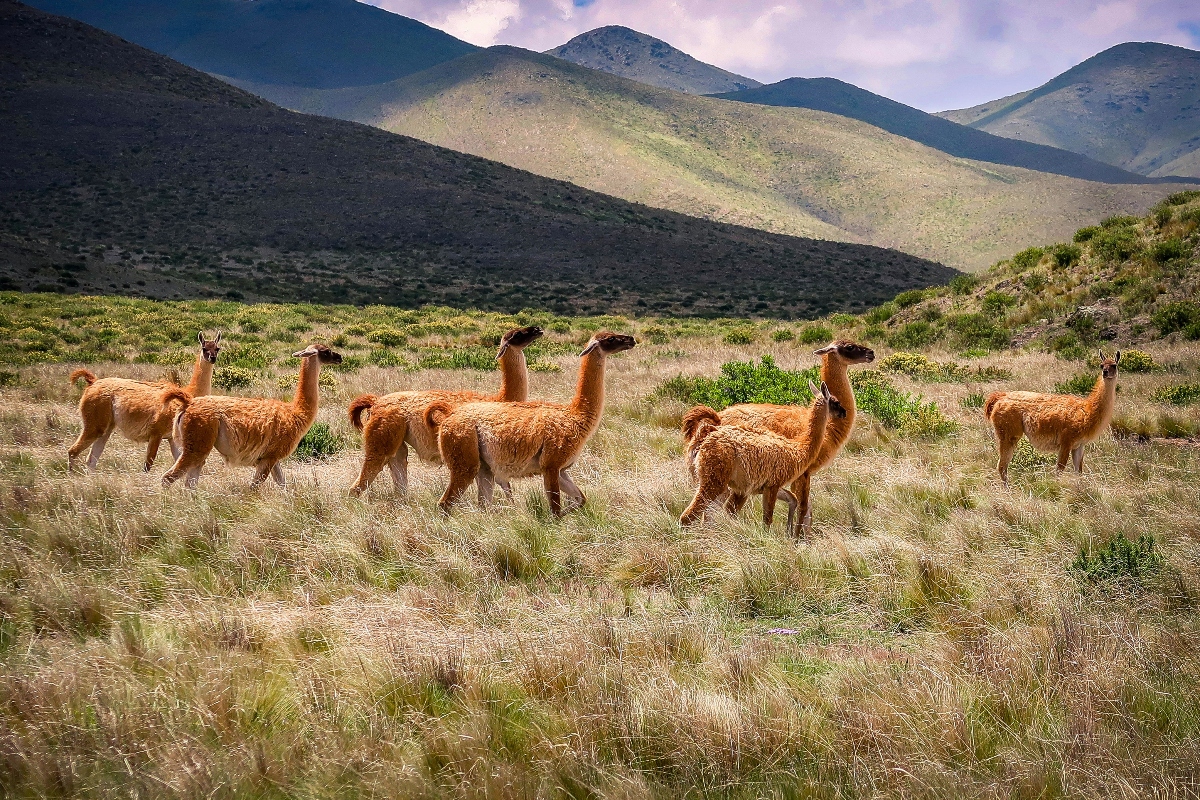
A herd of guanacos traverses the high-altitude grasslands, their russet-colored coats prominent against the golden and green tones of the sparse vegetation. The group moves through the arid plain beneath dramatic Andean mountain slopes, where sunlight breaks through clouds to illuminate the barren peaks. The landscape showcases the stark beauty of northwestern Argentina's elevated terrain, where these wild camelids graze in their natural habitat.
A herd of guanacos traverses the grasslands of Salta. Photo by Hector Ramon Perez on Unsplash

When to Go

One of the nice things about Argentina is that families can visit during school holidays — winter or summer. Plan on spending at least 10 to 12 days to see two to three areas within the country. High season is typically November through March, with the busiest time between Christmas and New Year’s; however, you can enjoy a visit year-round if you choose the right part of the country. To visit the glacier regions, you’ll need to plan your trip between October and April. September through November are especially lovely in Buenos Aires, as the city’s purple jacaranda trees are blooming at every turn.

June through September is Argentina’s winter, but in many areas the temperatures will only get down into the 40s and will warm up to the 60s and 70s during the day. Argentina has ski resorts in the Andes and in Patagonia, and the season runs roughly from June through late September/early October, with July and August being the peak months.

Areas like Mendoza, known for its wine tasting and horseback riding, and Salta, which is the outdoor adventure capital of Argentina, are ideal for visiting during the Northern Hemisphere’s summer break, as the crowds are thinner and the prices are lower.
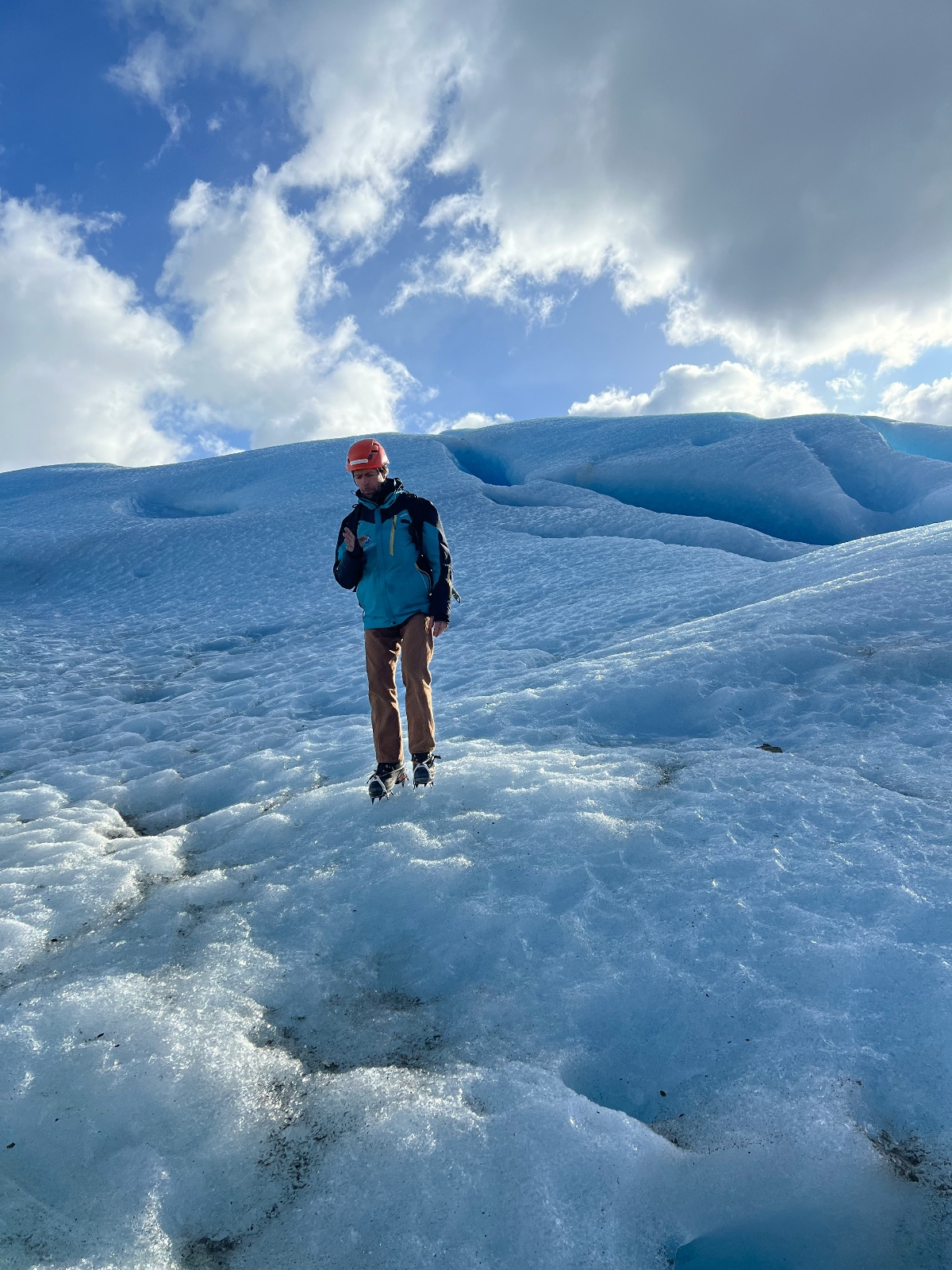
A hiker equipped with crampons stands on the textured blue ice surface of Perito Moreno Glacier, surrounded by the glacier's distinctive rippled formations and deep crevasses. The person wears technical outdoor gear suitable for glacier trekking, positioned against a backdrop of sculpted ice ridges that rise dramatically behind them. White clouds drift across the bright sky above the intensely blue glacial ice, highlighting the scale and otherworldly landscape of this Patagonian ice field.
From roughly October through April, weather permitting, visitors to Los Glaciares National Park in Patagonia can trek across Perito Moreno Glacier. Photo by Henrique Sà on Unsplash

Where to Go

Argentina is enormous, and with such a diverse landscape in such a large country, you’ll need to be selective about where to go. When visiting multiple regions, it’s most efficient to fly between them to maximize your time (flights usually take just an hour or two, but you may need to build in travel days depending on routes — you will often need to connect through Buenos Aires). Consider:
  • Buenos Aires. Since you will likely be flying into Argentina’s capital, make time to enjoy the city’s wonderful parks and playgrounds, artwork and neoclassical architecture. Of course, while you are there, you must take in a tango show (or participate in a private lesson — CB Advisors can book one with a vetted instructor).
  • Lake District. Stay on a local estancia and enjoy horseback riding along the lakes to waterfalls, hiking to panoramic viewpoints, kayaking and canoeing.
  • Salta. This is the place for horseback riding, trekking, canopy adventure courses, mountain biking and more. The salt flats offer incredible landscapes and stunning stargazing in one of the driest places on the planet.
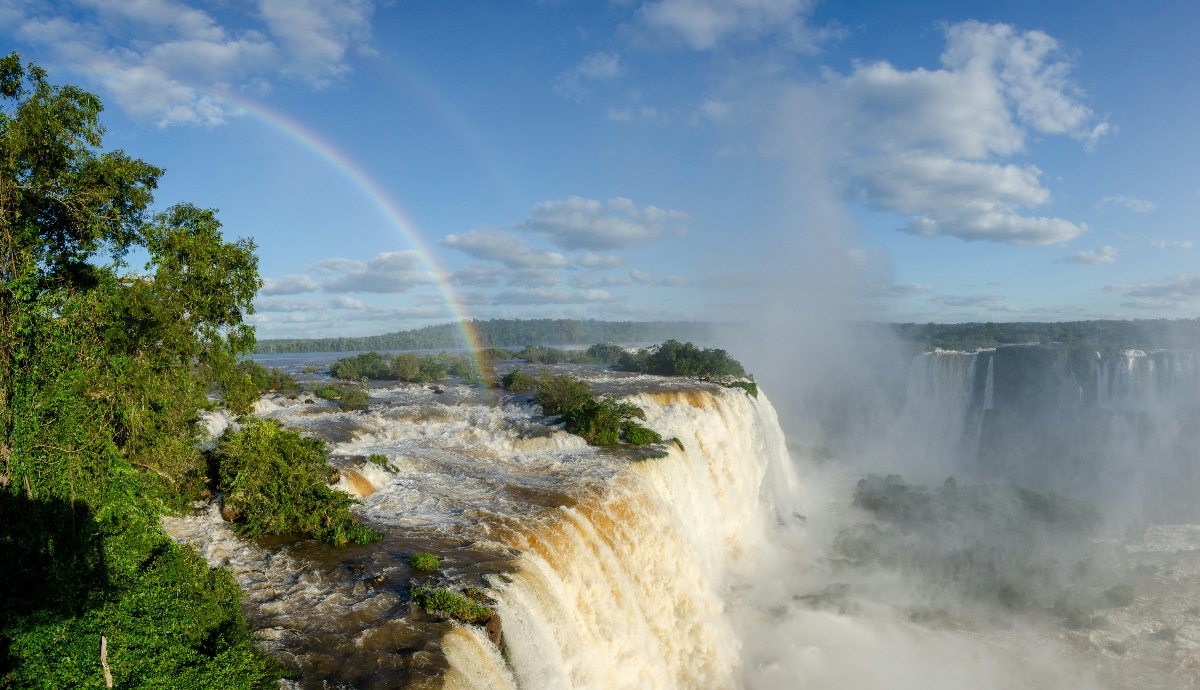
  • Iguazu Falls. A first visit to Argentina should include Iguazu Falls, one of the Seven Wonders of the World, on the border with Brazil. Given the year-round tropical climate, you’ll spot monkeys, exotic birds and other wildlife. Stroll the catwalks close to and above the falls or enjoy an adventure boat ride to get up close. Tip: It’s hot and humid all year round here, so pack lightweight clothing, sun hats and mosquito repellent.
  • Mendoza. This region is perfect for families who like visiting vineyards and sampling local foods. In Mendoza, you can enjoy wine tasting (especially Malbec), horseback riding, whitewater rafting, thermal springs and even a private cooking class at one of the many local wineries.
  • Patagonia. Take a boat ride and go trekking on the ancient Perito Moreno Glacier for a once-in-a-lifetime experience.
A rainbow arcs across the mist-filled gorge of Iguazu Falls, where multiple cascades of tan-colored water plunge over rocky cliffs bordered by dense subtropical forest. Vegetation-covered islands punctuate the waterfall system, with powerful torrents flowing around and over the basalt formations. Heavy mist rises from the falling water, partially obscuring the far side of the gorge beneath scattered clouds in the blue sky.
Accessible from both Argentina and Brazil, Iguazu Falls is a spectacular sight to behold. Photo by Nadine Marfurt on Unsplash

Families Should Know

  • Argentina has a very strong family culture. Children are fully included in everyday life, and locals are warm, patient and usually will go out of their way to help traveling parents. Don’t be surprised if people smile at and talk to your kids in public wherever you go.
  • Spanish is the official language, but Argentines speak a unique version called Castellano, with distinctive pronunciation (“y” and “ll” sound like “sh”). English is common in tourist areas, less so elsewhere.
  • Similar to European countries like Spain, dining hours are late and restaurants often don’t fill up until 9 or 10 pm. Tide kids over with a hearty snack or mini-meal to bridge the gap between lunch and dinner.
  • Tap water is generally safe to drink in major cities and tourist towns, but you might prefer bottled water due to the strong chlorine taste. In more remote areas, stick with bottled water or use a filter.
  • Mate (pronounced mah-teh) is Argentina’s national ritual — it’s a caffeinated, slightly bitter herbal drink shared among friends using a gourd and metal straw. Being offered mate is a gesture of hospitality, so if you’re comfortable with sharing, sip and pass it back with “Gracias” when you’re done.

Relevant Links:

Browse all destinations and accommodations in Argentina on Ciao Bambino

An action-packed Argentina itinerary with kids

72 hours in Buenos Aires with kids

Essential tips for a Patagonia family vacation

Editor’s note: This post was accurate when published. We advise checking independently for the latest information and updates. Ciao Bambino does not accept responsibility or liability for any errors or omissions in, or for any actions taken based on, the information presented. 

Start a Discussion

1 Comments
Let Ciao Bambino! Plan Your Next Trip

Get the Latest

Sign In

Want to save all the great intel and tips you are finding on Ciao Bambino? My Trip Planner allows you to bookmark articles, family-friendly hotel reviews, and family vacation packages. Simply click the heart icon on anything you want to save. Site registration is required to get started. Happy planning!

Create an Account

Please fillout the form below to create your free My Trip Planner account.