 Back
Back







 FACEBOOK
 Pinterest
 Instagram

 FACEBOOK
Pinterest
Instagram
FACEBOOK
Pinterest
Instagram
At CB, we know how transformative family travel is, and we continually hear from clients about how their trips imprint themselves onto their children’s DNA. Opening young eyes to new experiences, providing a lens into life in other countries or regions, showing kids how to navigate different places and deal with unfamiliar situations … there is so much to be learned and gained from exploring the world during the impressionable elementary school years. And while some parents may be reluctant to take bigger travel swings at this stage, there are lots of good reasons not to wait.
Sometimes it’s only in hindsight that families truly appreciate how freeing and wonderful vacations with school-age kids can be. To grease the wheels of travel with this age group, here are invaluable tips and strategies gleaned from our own experience as well as that of our clients.
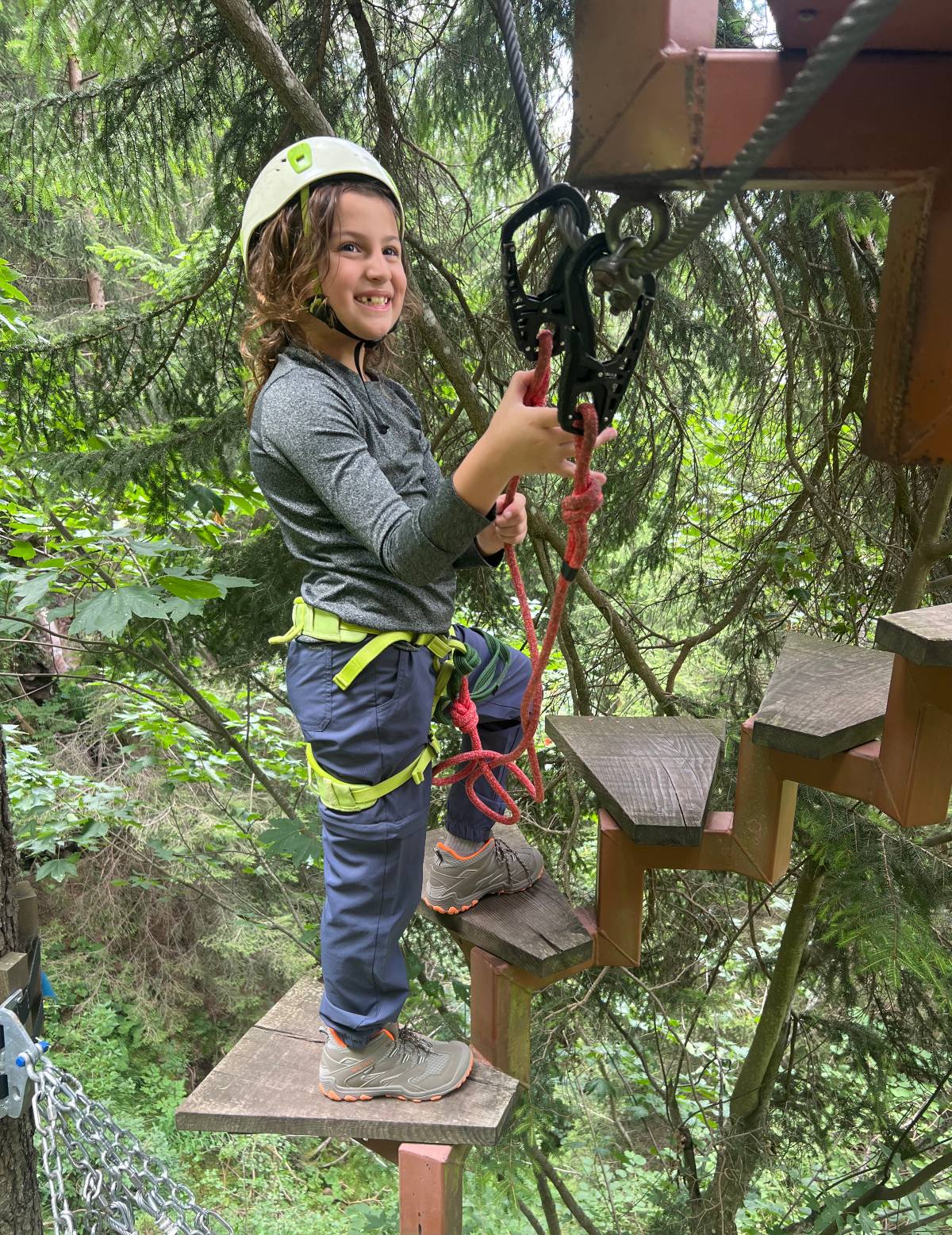
School-age kids are old enough to have a bit of skin in the game with travel plans. Obviously, they aren’t scaffolding the whole trip or picking your accommodations, but what about letting them select from the range of things you’ve identified that might suit your crew? Choice and independence are empowering and help those budding minds grow, even (or perhaps especially) on holiday when you have more time to provide helpful guidance and guardrails.
Ask them if they’d like an inside or outside activity, or let them pick a type of cuisine for lunch. Even better, encourage them to lead the way: Perhaps you “don’t remember” how to get from your room to the hotel restaurant or “need help” finding a wing of a museum that your child can locate on a physical map. In the days of relying on Google maps, the ability to do some rudimentary cognitive mapping is a valuable and underrated skill.
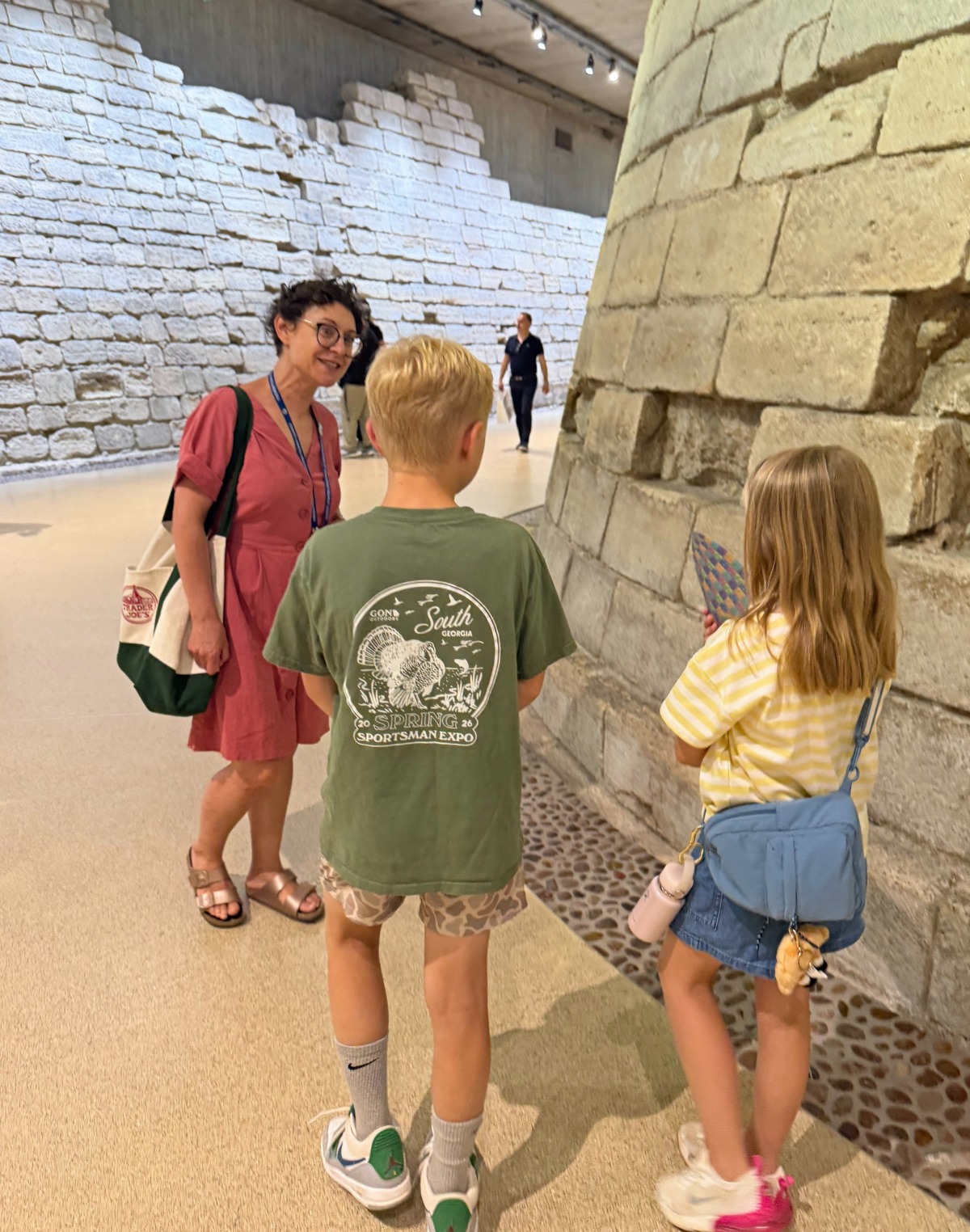
Like it or not, parents’ voices seem to pale in comparison to those of new and engaging adults, particularly if they’re good at storytelling. Even if you’re familiar with the city or neighborhood at hand, a knowledgeable and kid-friendly guide will make the details stick. Identifying who that mystery person might be is where CB expertise shines — you can read from a fold-out map about the year a building was founded, but a veteran guide crafts stories about the players and moments that make a given place special, and scatters seeds that will leave an imprint for years to come. I still marvel about my kids counting the “Medici dot” coats of arms in locations across Florence that they recall to this day. Nothing I could have said would have made the impression our effervescent guide did.
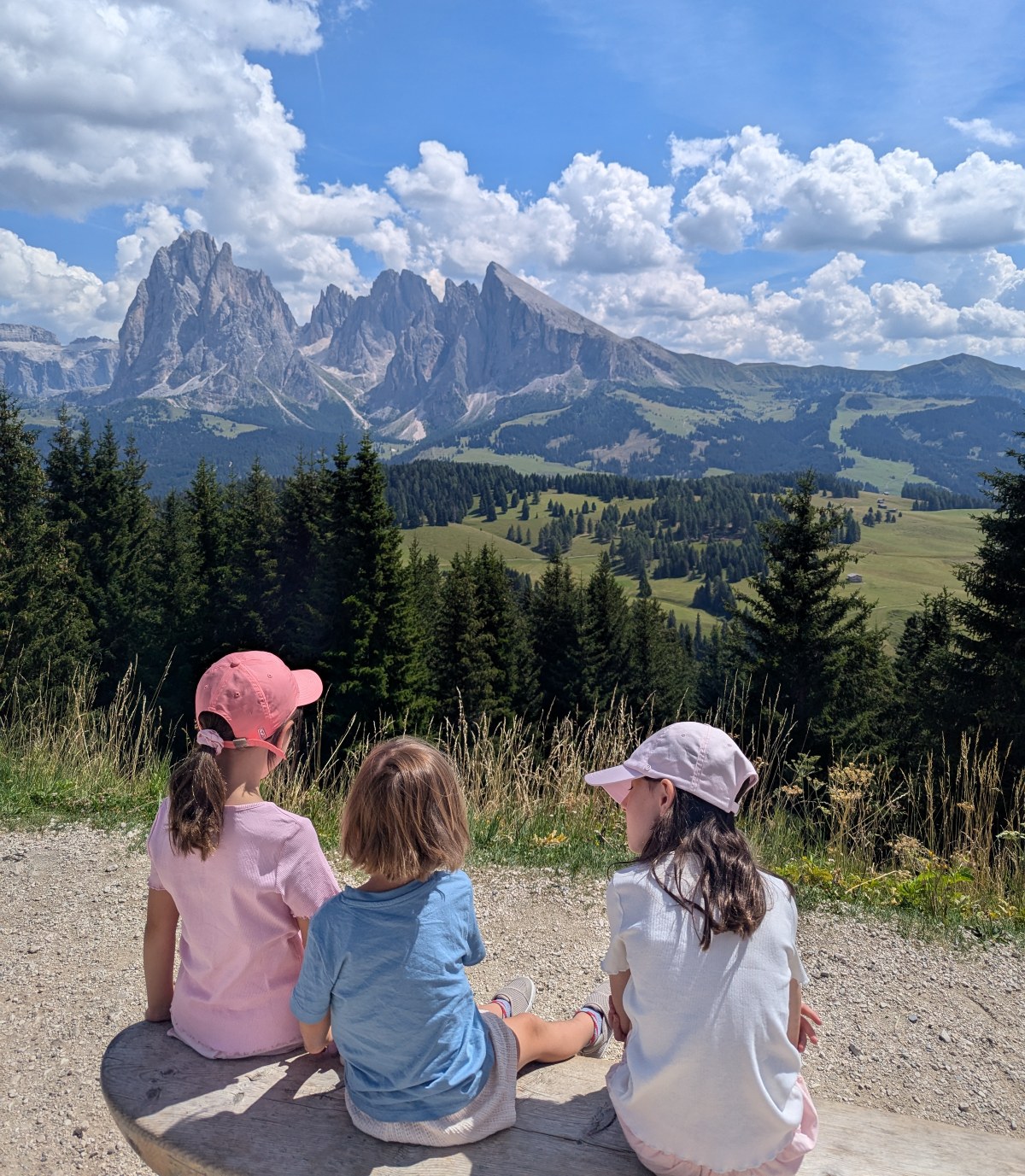
Wherever your destination, make sure to prioritize at least some time that includes being outside and enjoying natural beauty. Nature can be extremely regulating for school-age children whose everyday life is increasingly influenced by screens and schedules. For some trips, the focus might be on exotic wildlife, new geographic features and unusual flora and fauna. In other destinations, it may just mean building in time to blow off steam and play in a local park.
All these years later, we still remember our son playing soccer for hours in a park in Italy and only afterward did we realize that no one he was playing with spoke English. These chance interactions and moments are just one of the many intangibles gifted by travel. Playing with children who speak another language subtly boosts your child’s emotional intelligence, helping them read body language and other social cues. Time outdoors is also a way to slow down and let experiences and moments from the trip marinate.
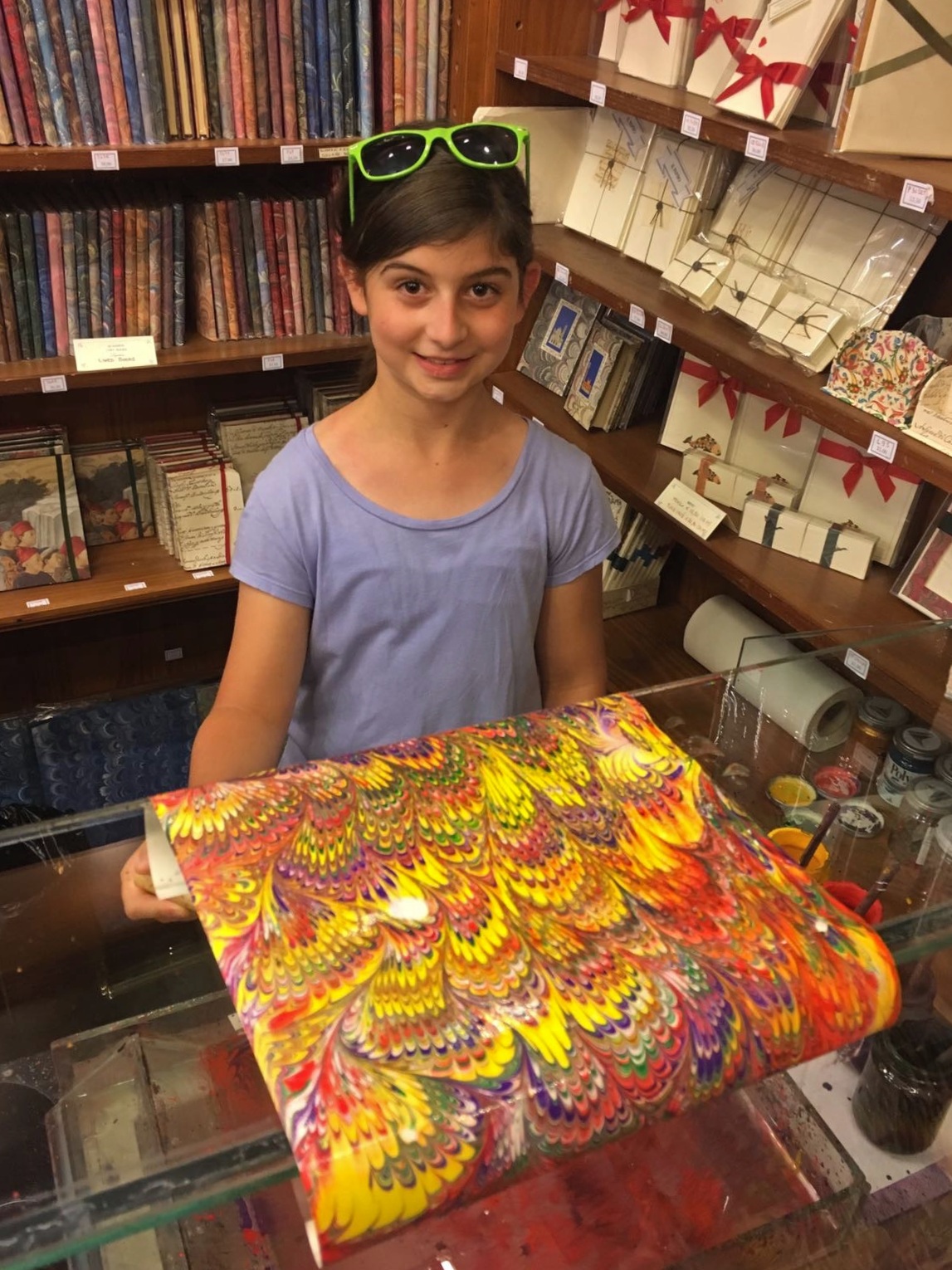
Nothing leads to meltdowns and unhappy kids (and adults) faster than trying to cram too much into your itinerary. Though certain big-ticket sites may be near one another, don’t set off intending to max out the hours and check every hot spot or experience off your list. Nobody is going to have fond memories of being force-marched around all day.
Instead, slow down. This is where the adage “less is more” comes in. Yes, visit the big-ticket site. But maybe choose a few aspects and make those the focus, then build in downtime to refuel and recharge. A well-placed ice cream stop is always a chance to talk about how things are going, what everyone is enjoying and perhaps adjusting the schedule if necessary. Guides are fabulous at this, but if you are on your own, make sure to keep an eye on how everyone is faring rather than just barreling on with the day.
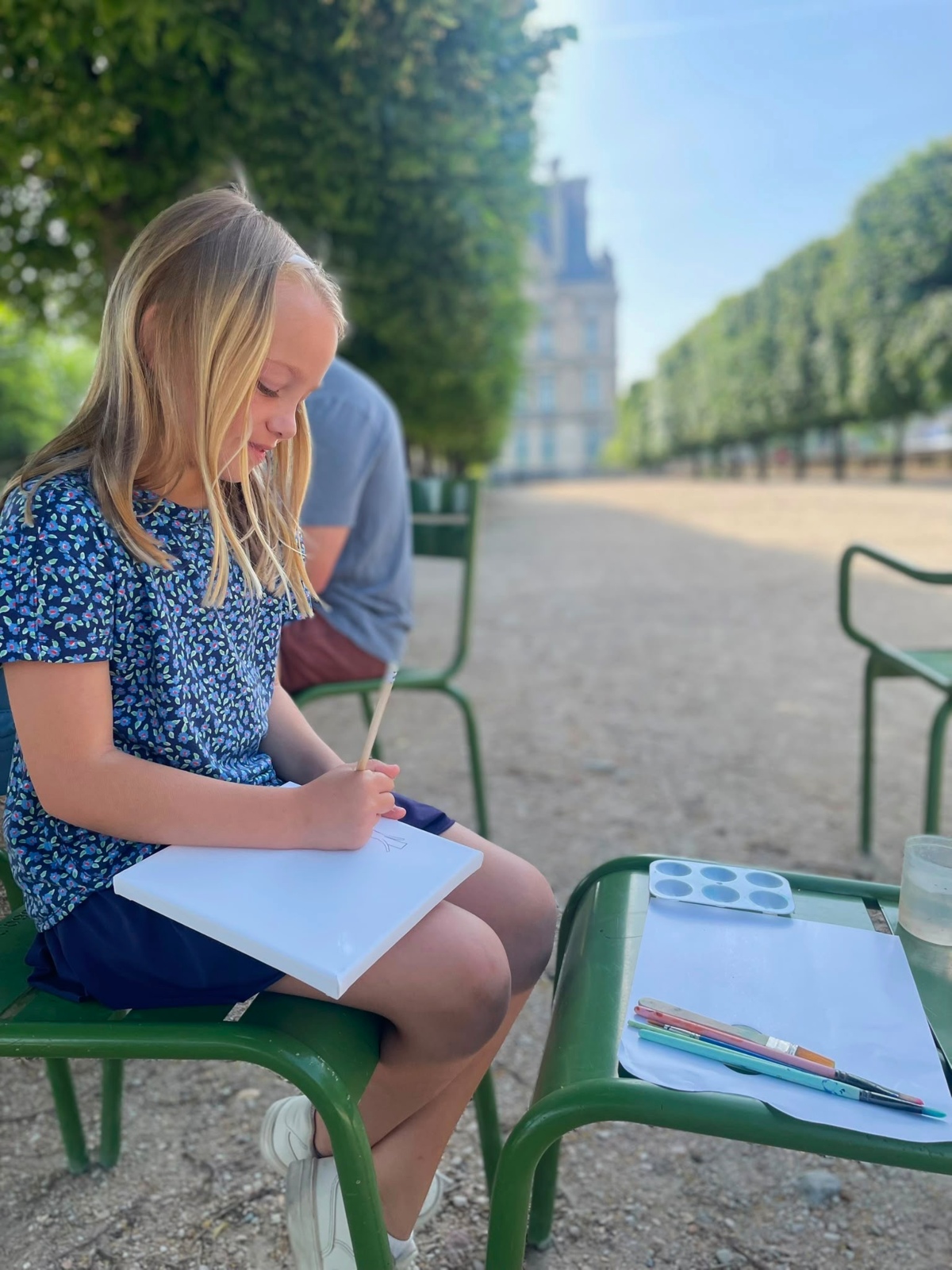
Another great way to slow the pace and help children synthesize new experiences is to give them a journal or diary. Have them write a few words or sentences about what they see or even just draw pictures. This trick cements moments that matter to them (which will likely be different from the ones you think) and will serve as a great memento of the trip to boot.

We handle the details, you focus on the fun! Get info and read FAQs about our custom vacation planning service, from boutique hotel bookings to hand-designed itineraries and activities you can’t book on your own.
School routines are definitely important, but don’t become completely chained to the calendar quite yet. Although you should certainly work your trips around official school holidays and vacations, that doesn’t mean you’re limited to spring break and summer. Maximizing a fall break or a February one (depending on your destination and seasonality) is a great way to enjoy the benefits of off-peak travel windows. Many schools will allow kids to miss a few days for a special family trip — be sure you are clear on the policies of the schools your kids attend and work with teachers to minimize disruption. A well-planned family vacation has its own merits in learning and life experience that should help alleviate concerns about taking a few days off in, for example, second grade.
This dance becomes trickier as kids get older and transcripts matter more. Things outside your control, like exams or sports travel, start to lay claim to your schedule sooner than you might think. Come middle school, schedules feel less fluid, and by high school it can become downright painful to miss school days. This is one of those lessons that is sometimes easier to appreciate in the rear-view mirror — but trust us on this one.
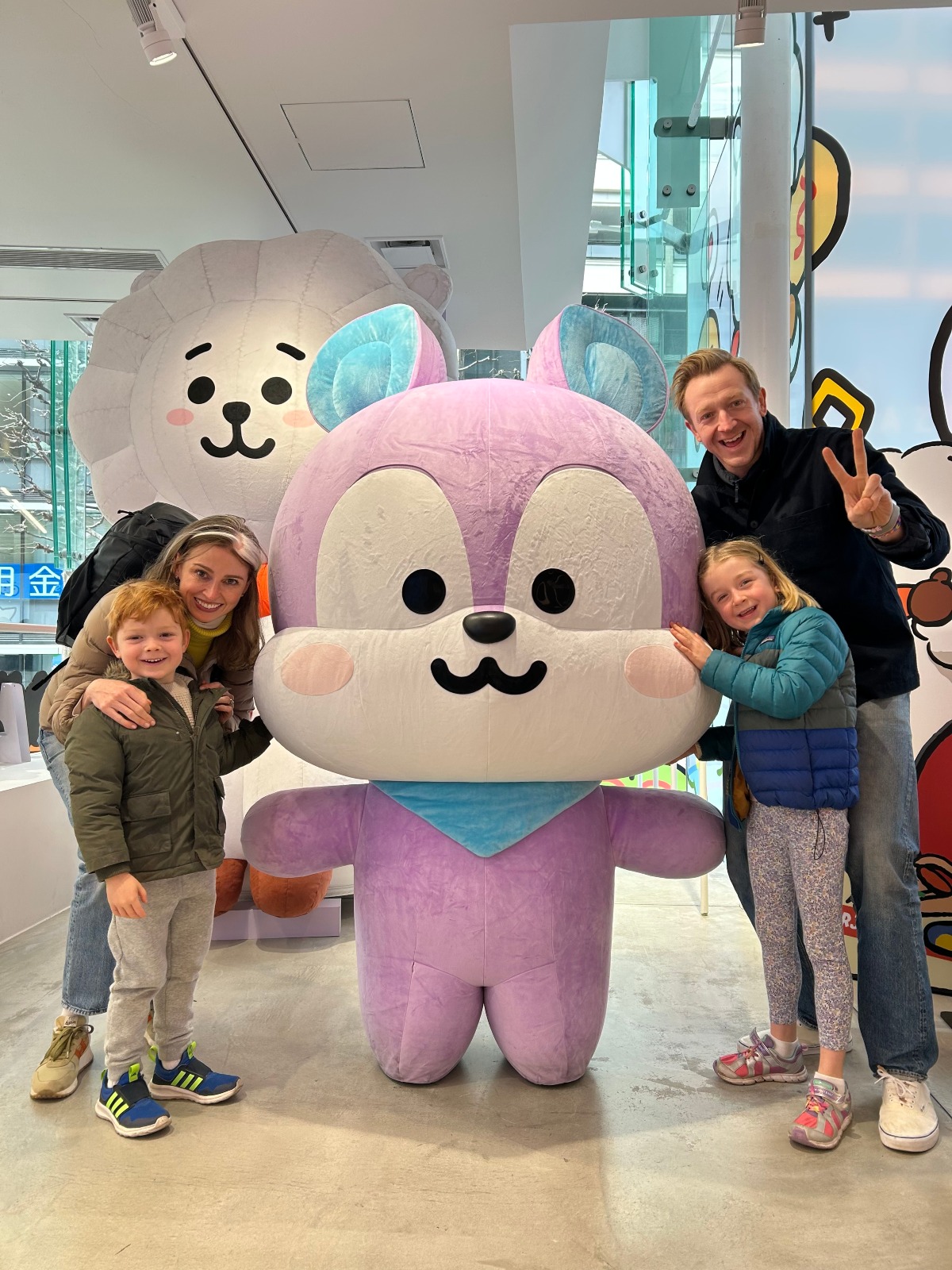
Many kids balk at forced learning opportunities in a museum or historical site. But, gamify it and suddenly things get interesting. Some of our favorite family memories bubbled up while doing “trails” in London museums where the staff has long since figured out how to keep kids engaged. Set up a spur-of-the-moment scavenger hunt in an art museum and have your kids seek out certain items in paintings or sculptures, or see how many of any one object you can find.
An impromptu photo shoot is also fun and replete with built-in souvenir pics: Have the kids re-enact certain images or poses they see on display. The sky is truly the limit. Anything with a goal, count or prize (as small as a sticker or as large as a museum gift shop splurge) counts. What kid doesn’t enjoy a word of praise and the feeling of earning a gold star in a new destination?

Though it isn’t much of a trick, this last one bears mentioning. Nothing is worse than a hole in the schedule or an unforeseen travel delay with hungry kids in tow. To avoid the hangries, make sure to tote along travel-friendly snacks and water. Fruit leather, applesauce pouches or peanut butter crackers (sans allergies) ease many a moment, especially if you’re in a destination where mealtimes tend to be later than children are used to.

Don’t fall into the trap of thinking it will be easier to travel when your kids are older. Traveling with school-age kids can be a boon. Even though the days may feel long, the years — and those 18 summers — are going to go by faster than you think. That’s exactly why CB advisors are here: to give you back precious time in this busy stage of life, and to open doors to experiences you won’t find on your own. Connect with our team to get a conversation started.
Relevant Links:
Browse all ideas for vacations with school-age kids on Ciao Bambino
How family travel changes at every age and stage
18 summer vacations to take before your kids grow up
10 great places to take kids … while they are still kids
How family travel creates resilient kids
Mindful travel tips with kids: How to live in the moment
Photos courtesy of the individual families pictured.
Editor’s note: This post was accurate when published. We advise checking independently for the latest information and updates. Ciao Bambino does not accept responsibility or liability for any errors or omissions in, or for any actions taken based on, the information presented.


 travel recommendations, inspiring adventures, and exclusive travel offers
"*" indicates required fields
Want to save all the great intel and tips you are finding on Ciao Bambino? My Trip Planner allows you to bookmark articles, family-friendly hotel reviews, and family vacation packages. Simply click the heart icon on anything you want to save. Site registration is required to get started. Happy planning!
Please fillout the form below to create your free My Trip Planner account.