 Back
Back







 FACEBOOK
 Pinterest
 Instagram

 FACEBOOK
Pinterest
Instagram
FACEBOOK
Pinterest
Instagram
When Ciao Bambino Senior Travel Advisor Amy Annis set off for her first trip to Australia, she and her husband, Ted, carried two very different pictures in their heads. He imagined venomous wildlife and dusty red deserts; she expected a more polished urban vibe. Over two weeks on the east coast — Brisbane, the Daintree Rainforest, Sydney, Adelaide and Melbourne — they found a destination that surprised them both: walkable, green cities with serious food and wine credentials; a Great Barrier Reef in far better shape than expected; and some of the warmest hospitality they’ve experienced in all their travels.
We sat down with Amy to talk through the itinerary, what she’d do differently on a return visit and how she’d structure an Australia trip for families versus adults.
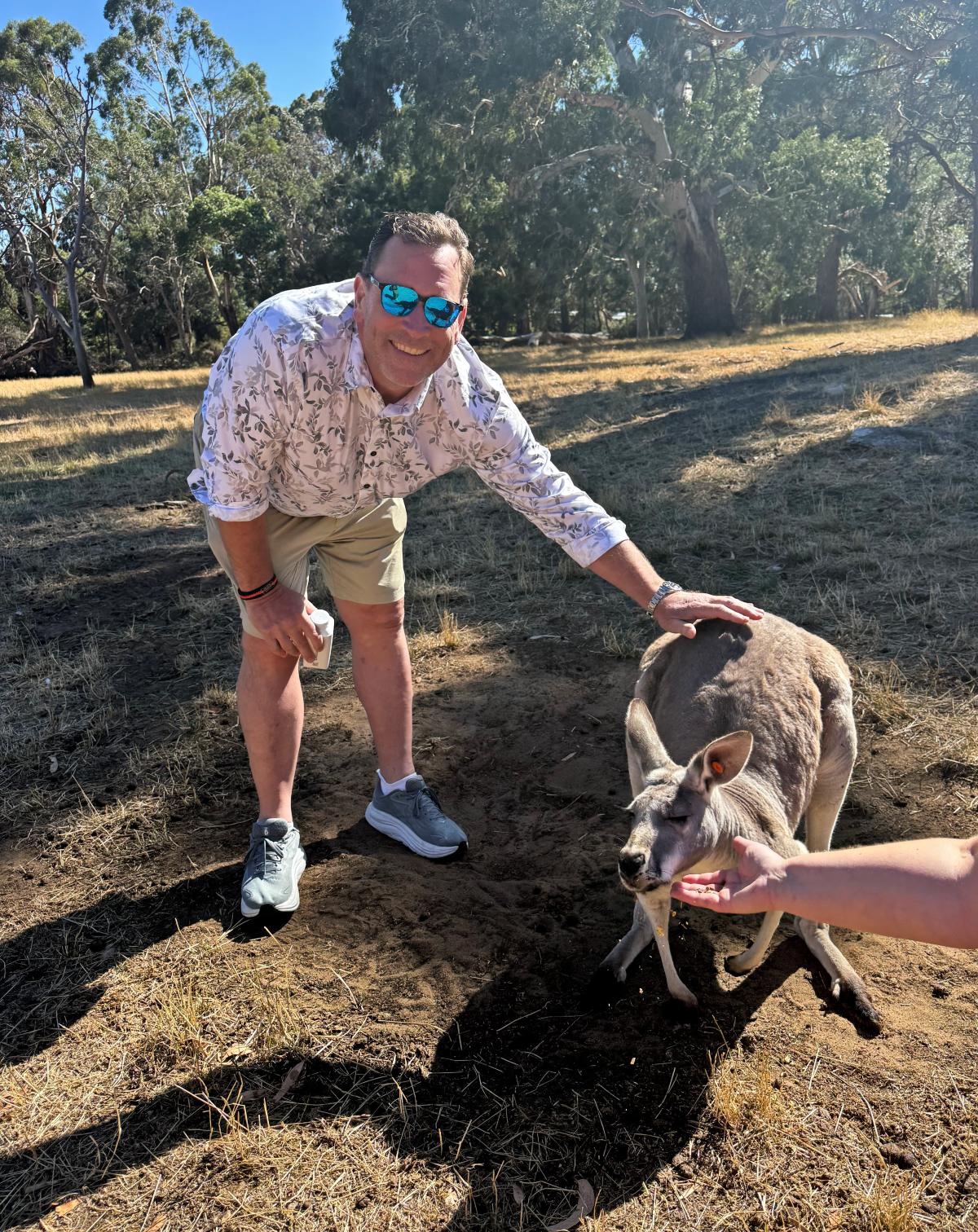
Amy Annis: We were there a good full two weeks in February (so, summer in Australia). We started in Brisbane, and we were only there for a short period. From there we flew to the coast near Cairns and stayed in the Daintree Rainforest, then Sydney, Adelaide and Melbourne.
AA: When I said we were going to Australia, my husband pictured snakes, spiders and Mad Max. That was his impression of what he was going to see. He did really want to swim the Great Barrier Reef — he’s very much a swimmer and loves that kind of experience. I was picturing something a little more sophisticated. We ended up being blown away by the blend of natural beauty and human-made experiences and the ability to immerse in both … for example, the penguin march near Melbourne versus the Sydney Opera House, or the Great Barrier Reef versus Melbourne’s architecture and well-laid-out city streets. It’s impossible not to fall in love with a country that offers so much for any traveler.
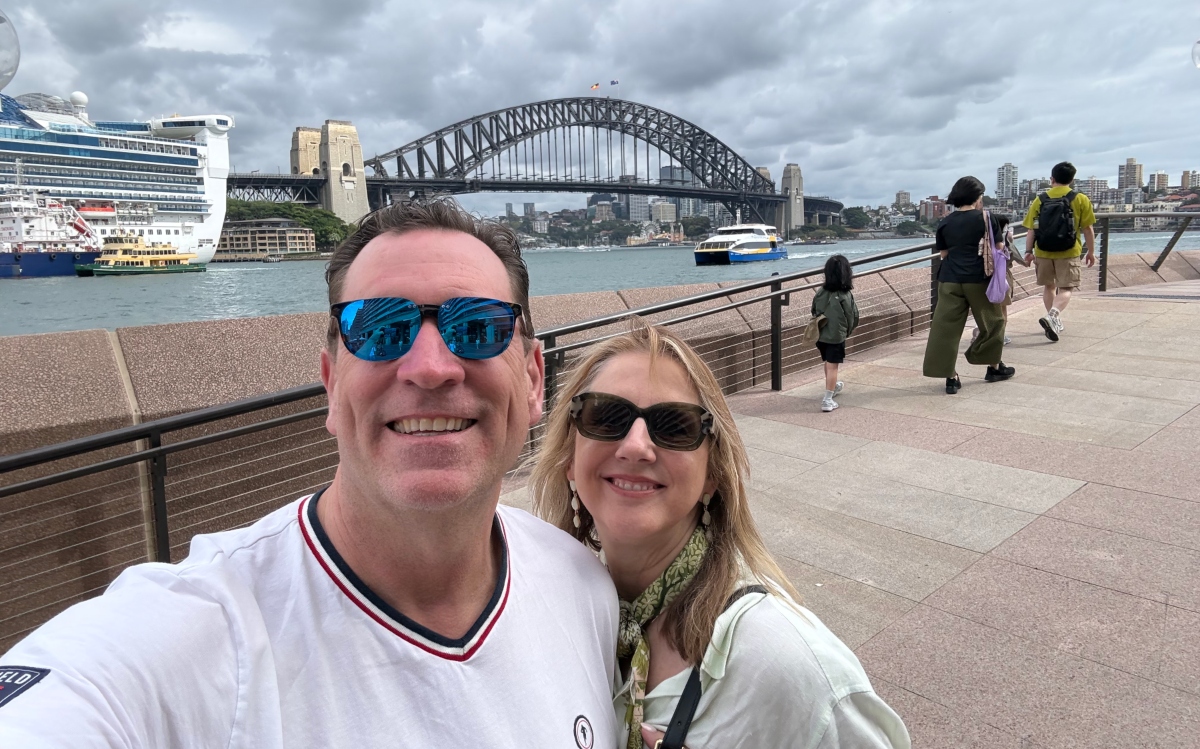
AA: Sydney is the most cosmopolitan — obviously iconic, with the Opera House, the Harbour Bridge, Bondi Beach close by. It’s hard to build an Australia trip without stopping in Sydney, and we loved it. We had an amazing food tour there with a very charming guide who took us to a great little wine bar, then to dinner in a neighborhood where all the locals go — a tiny off-the-beaten-path restaurant with maybe seven tables. The food was fabulous, and we never would have found it on our own.

Send us a quick inquiry, and we’ll pair you with an expert Travel Advisor who can design a custom itinerary, arrange private guides and experiences, and book vetted accommodations, often with valuable perks to pass along.
We also did a harbor cruise with a bottle of wine and some berries. Our host wasn’t a guide per se, but a very good conversationalist who could chat about the history of the harbor, what it was like during World War II and the famous people who’ve lived in the unique homes overlooking the water. If anyone is a bit of a celebrity follower, that would be really fascinating for them. And I wasn’t especially excited about the Opera House tour, but it turned out to be fascinating — the architecture, the history of the architect and what he went through to get it built. There’s so much more to it than you’d think from just looking at it, and it just ties you to what makes the city unique and valuable.
Brisbane is known for its colonial architecture, and we only had one night there, so we just dipped our toes in. What I saw is a very walkable city — green, full of parks, beautifully maintained and proud of their historic buildings. I think it’s kind of an up-and-coming destination. I suspect if I’d dug deeper, I would have found a lot of interesting food experiences there too.

Melbourne is extremely diverse. Students come from all over the world to attend university there, and you can see how much the city values that — they’ve made it wonderfully bikeable, and we biked all over. Of all the cities, Melbourne is the one where you feel a bit of European flair. They’ve maintained a lot of the older structures, so it feels a little like walking around Europe: charming streets, beautiful old trees, very green. They’re very into their sports. If I could live in Melbourne, I would. It was everything I’d want in a city.
I don’t think Adelaide is quite ready yet for the luxury traveler, at least the city itself. The Adelaide Hills are another story. If someone doesn’t mind getting into the countryside and staying at a charming Relais & Châteaux-style property, that’s the way to do it.
AA: The people. They’re charming, supportive and helpful — the hospitality is amazing. There was not one time I stopped someone or asked for directions that I wasn’t thoroughly helped and smiled at. There’s huge value in a culture that feels happy … You feel it everywhere.
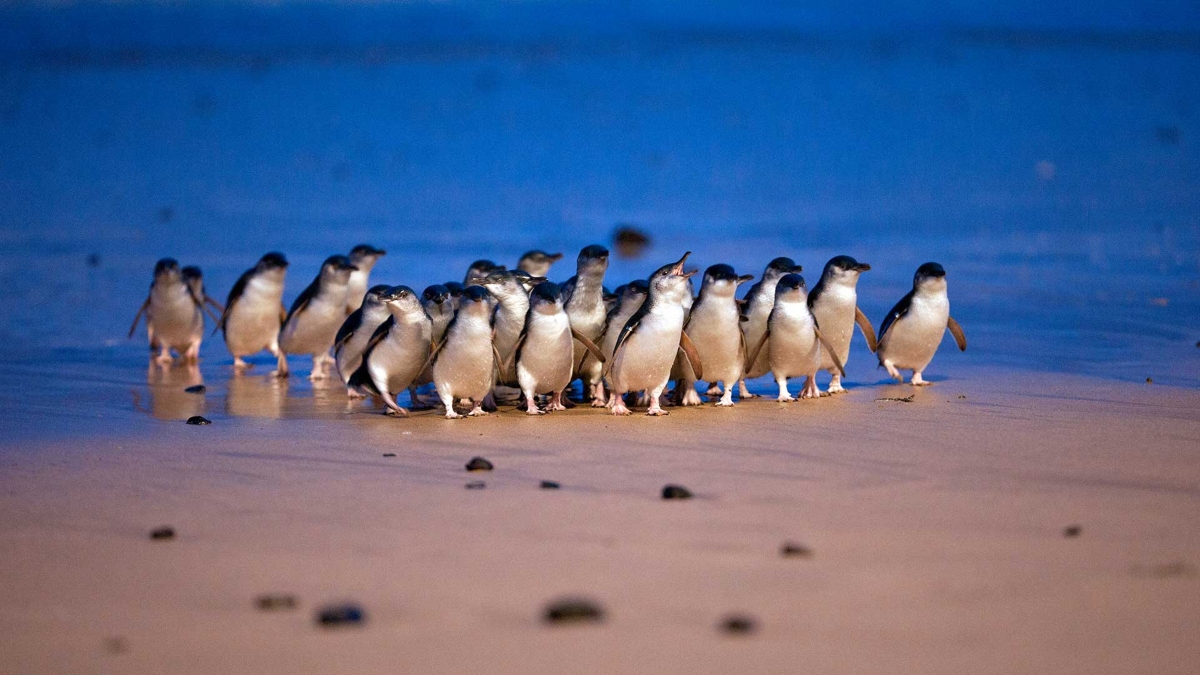
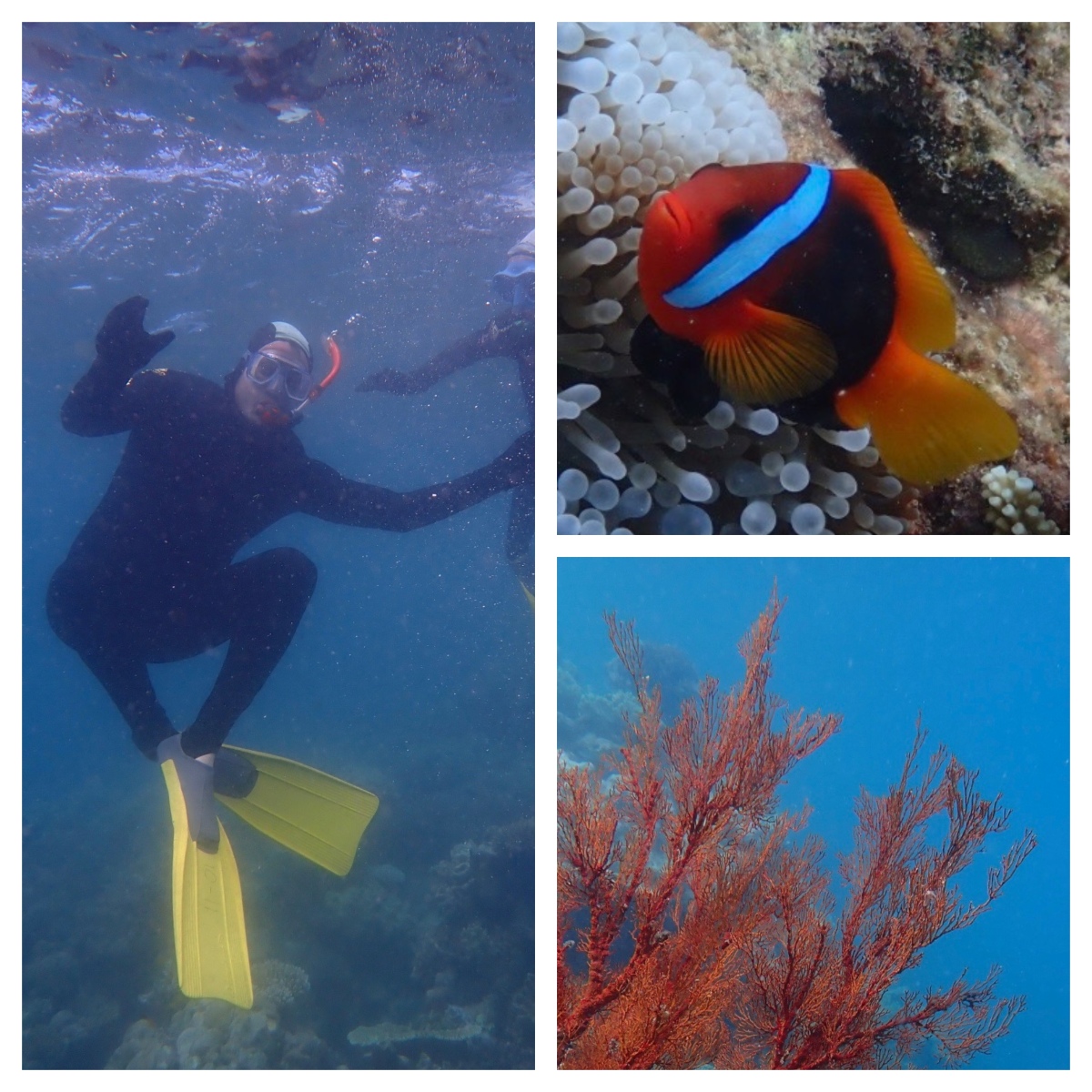
AA: For a family, I’d absolutely do the penguin parade [at Phillip Island] outside Melbourne. It was adorable and special. If the kids are old enough, you can add biking and food experiences and really enjoy Melbourne. Sydney is important, and the Great Barrier Reef is really important if the kids want to see it. I was so excited by the reef — it’s not as damaged as I was expecting. The restoration efforts are working, and the colors were incredible, like nothing I’ve seen anywhere in the world.
I’m a bit of a scaredy-cat in the water, but I didn’t feel afraid at all. I loved snorkeling. I did swim past a shark, which was a little scary, but I knew I was safe. The boat team was a well-oiled machine and clear in safety protocol. It ended up being one of those travel experiences I’ll never forget.
AA: We flew into Cairns and drove to the jungle, basically. We stayed at a luxury lodge in the Daintree Rainforest that was gorgeous with treehouse-like suites. While we were there, I also did a deep dive into Aboriginal history. We visited two museums focused on it, and we did a rainforest walk with a guide whose family history is tied to that land. She showed us the medicinal uses of the plants her ancestors gathered. It was extremely interesting and I had no idea how much there was to learn.
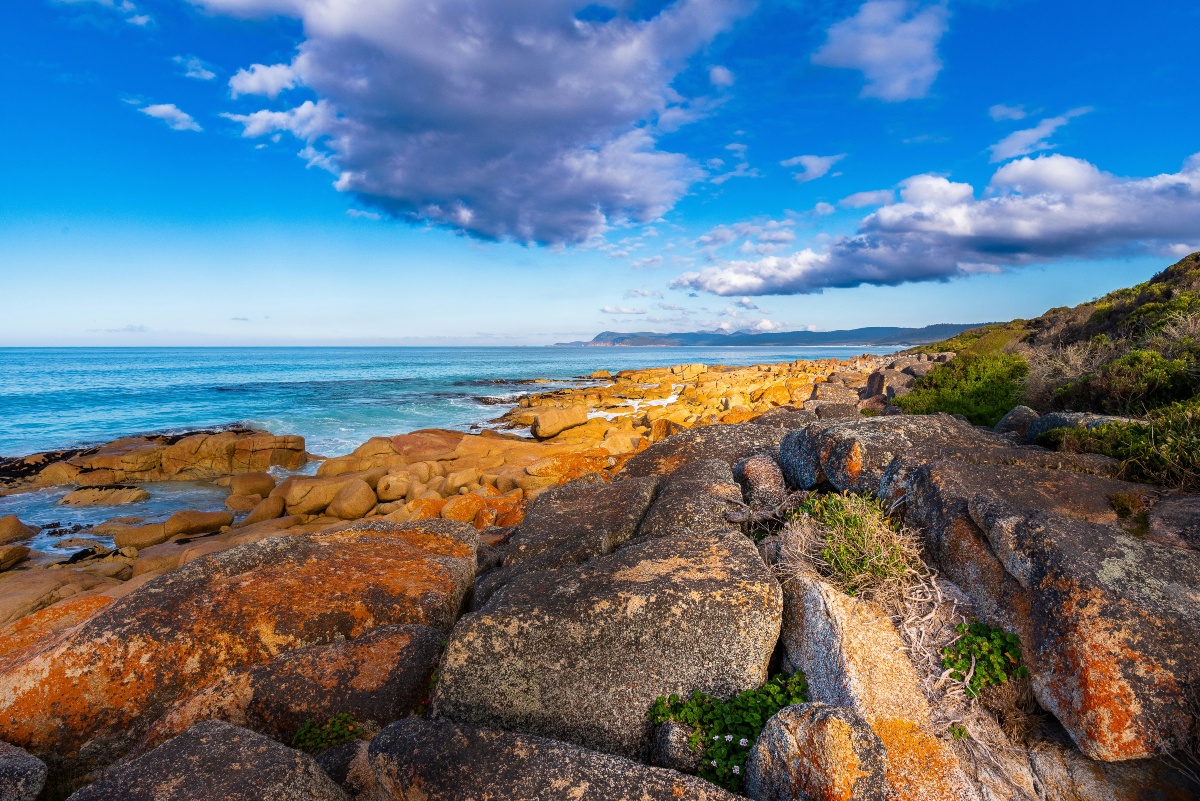
AA: Something had to give, and that was it. I’ve had clients do Uluru, and I think I would have loved it — it would have given Ted a little taste of what he originally pictured. I also think it would be great for kids because of the geology component and the resorts there.
The one place I wish we’d gone is Tasmania. I’d substitute Hobart for Adelaide, or do Kangaroo Island off Adelaide instead of the city. I sent another couple to Tasmania, and for hiking and activity, they absolutely loved it. If someone wants that New Zealand kind of feel, Tasmania is the place.
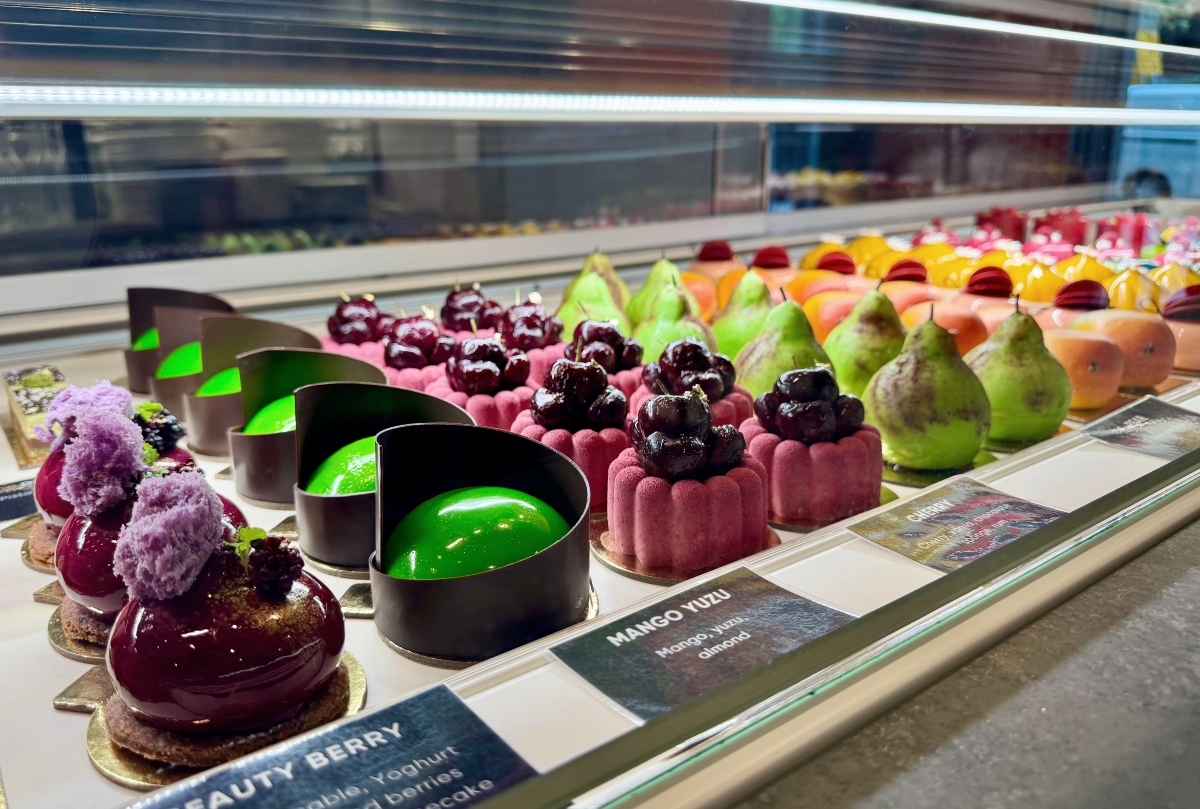
AA: The diversity, Melbourne especially. We did a food tour there — Chinese, Indian, a little Japanese. There are streets and streets of restaurants. One day we took the tram from our hotel into the city, walked all over and just ate all day. It was so much fun. You feel like you can eat anything: tonight it’s Italian; tomorrow night it’s something else entirely. I tried kangaroo and crocodile — both good, though not something I’ll go out of my way to order again. In Melbourne we went to the outdoor market and had fresh oysters and all kinds of things.
For families, I’d say if your kids are even a little adventurous, do the food tours. They’ll see things they won’t see in the States. And there are plenty of sweets, so you can encourage them along the way — no one needs to get stuck on trying kangaroo when there’s a chocolate-covered something right around the corner, plus ice cream, gelato and all the fun stuff.
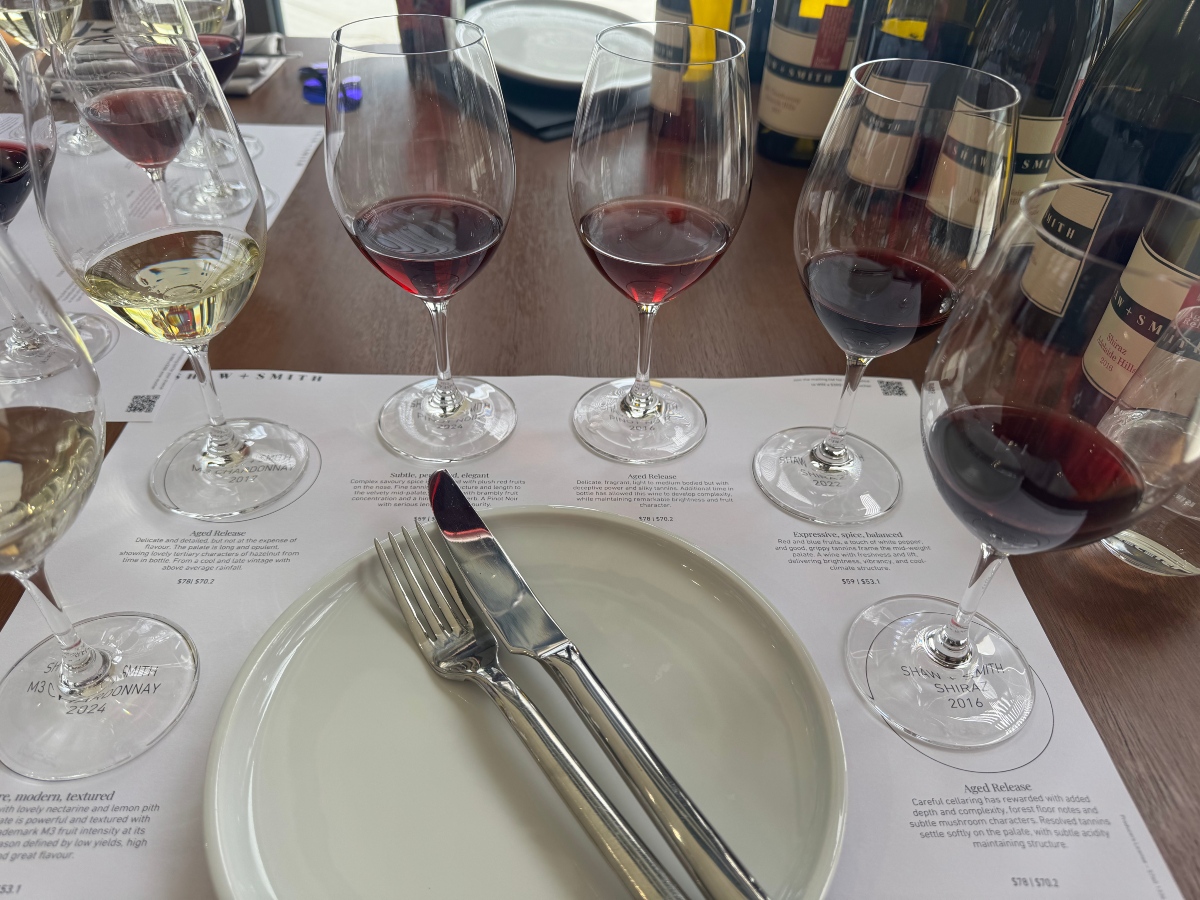
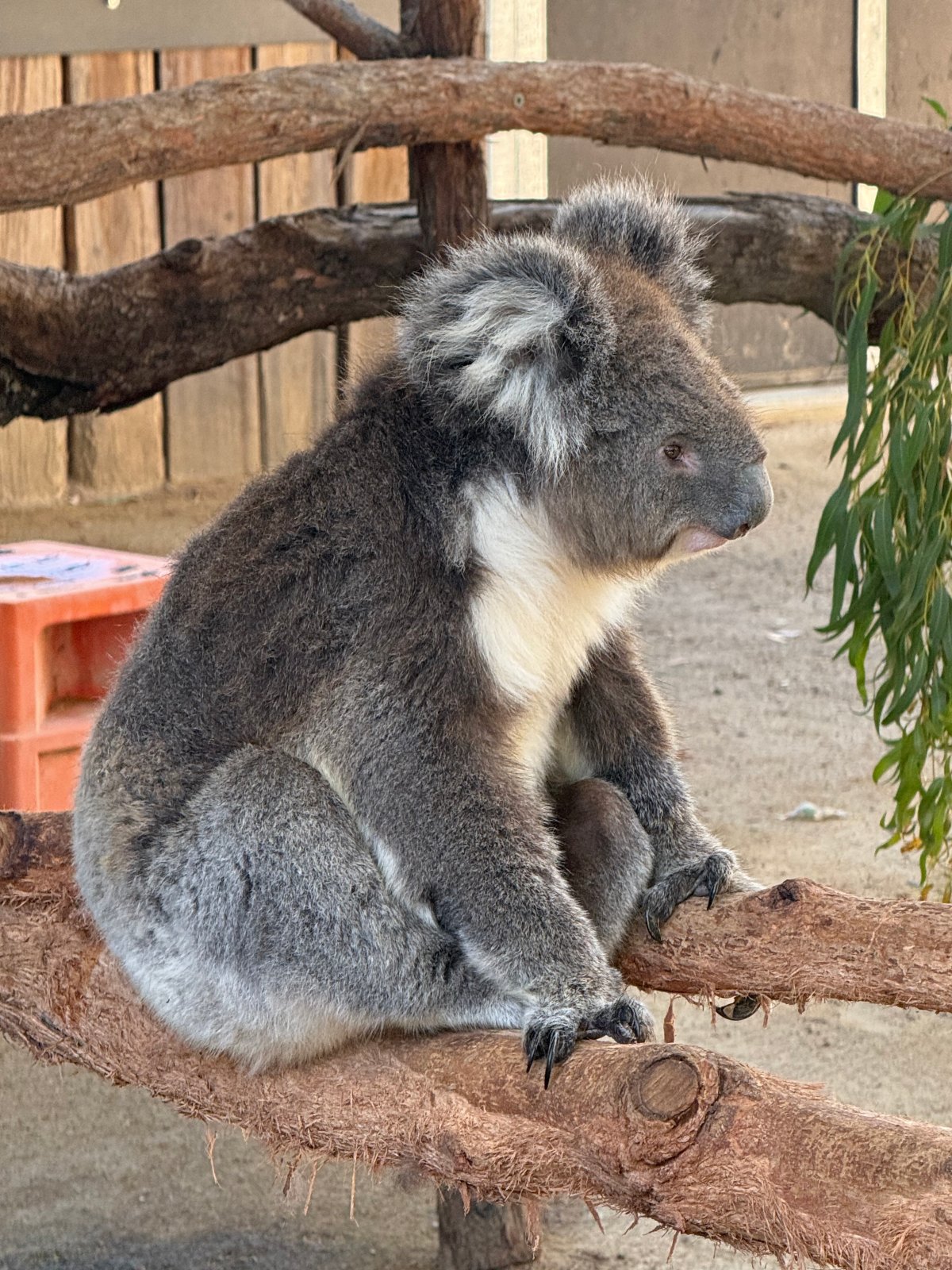
AA: We did, and that was my favorite day in Adelaide — heading into the hills. We visited a wildlife sanctuary where you can see rescued kangaroos and koalas up close, then spent the afternoon at two beautiful wineries with incredible snacks alongside the tastings. The Chardonnays specifically won us over — smooth and buttery without that overpowering oaky quality that turns so many people off. Much like drinking rosé in Provence or a great Brunello in Italy, they have the soil and the growing conditions for something unique, and they make the most of it.
AA: First, the cities matter; you’re going to get more of a touch on the culture of the country. But you don’t have to do all of them. Pick your intro — Sydney, Brisbane or Melbourne — and I’d probably steer people toward Melbourne. Then build from interests. For an active family, add Hobart or Uluru. If anyone has an interest in diving or snorkeling, the Great Barrier Reef is a must-do, 100 percent.
More than anything, I’d dig into a client’s interests first, then say, “Here’s what I think you’d enjoy.” Having been there makes all the difference. Until you’ve seen a country yourself, you can’t fully understand its different components, and once you have, you can listen to what a client is imagining, sometimes redirect their expectations and land on the trip they’ll really love.
Relevant Links:
Browse all destinations and accommodations in Australia on Ciao Bambino
An Australia family vacation for spring break? Yes!
A perfect 2-week itinerary for Australia with kids
Tasmania with kids: An unforgettable Aussie side trip
Why visiting New Zealand with kids is easier than you think
Best New Zealand travel tips for a family vacation
Photos by Amy Annis except where noted.
Editor’s note: This post was accurate when published. We advise checking independently for the latest information and updates. Ciao Bambino does not accept responsibility or liability for any errors or omissions in, or for any actions taken based on, the information presented.
Written By
By Lisa Frederick


 travel recommendations, inspiring adventures, and exclusive travel offers
"*" indicates required fields
Want to save all the great intel and tips you are finding on Ciao Bambino? My Trip Planner allows you to bookmark articles, family-friendly hotel reviews, and family vacation packages. Simply click the heart icon on anything you want to save. Site registration is required to get started. Happy planning!
Please fillout the form below to create your free My Trip Planner account.