 Back
Back







 FACEBOOK
 Pinterest
 Instagram

 FACEBOOK
Pinterest
Instagram
FACEBOOK
Pinterest
Instagram
A trip to Spain is not complete without a visit to Andalucia, the vibrant southern region where olive groves are abundant, fields of sunflowers sway under the scorching sun and the smell of orange blossoms in spring is as strong as the stomping beat of flamenco dancers. It is also here where the combined Moorish, Jewish and Christian influences are most vivid. All of this cultural richness can be found when visiting Seville, or Sevilla. You’ll want a full two days to experience the highlights, more if you’re planning any day trips outside the city.
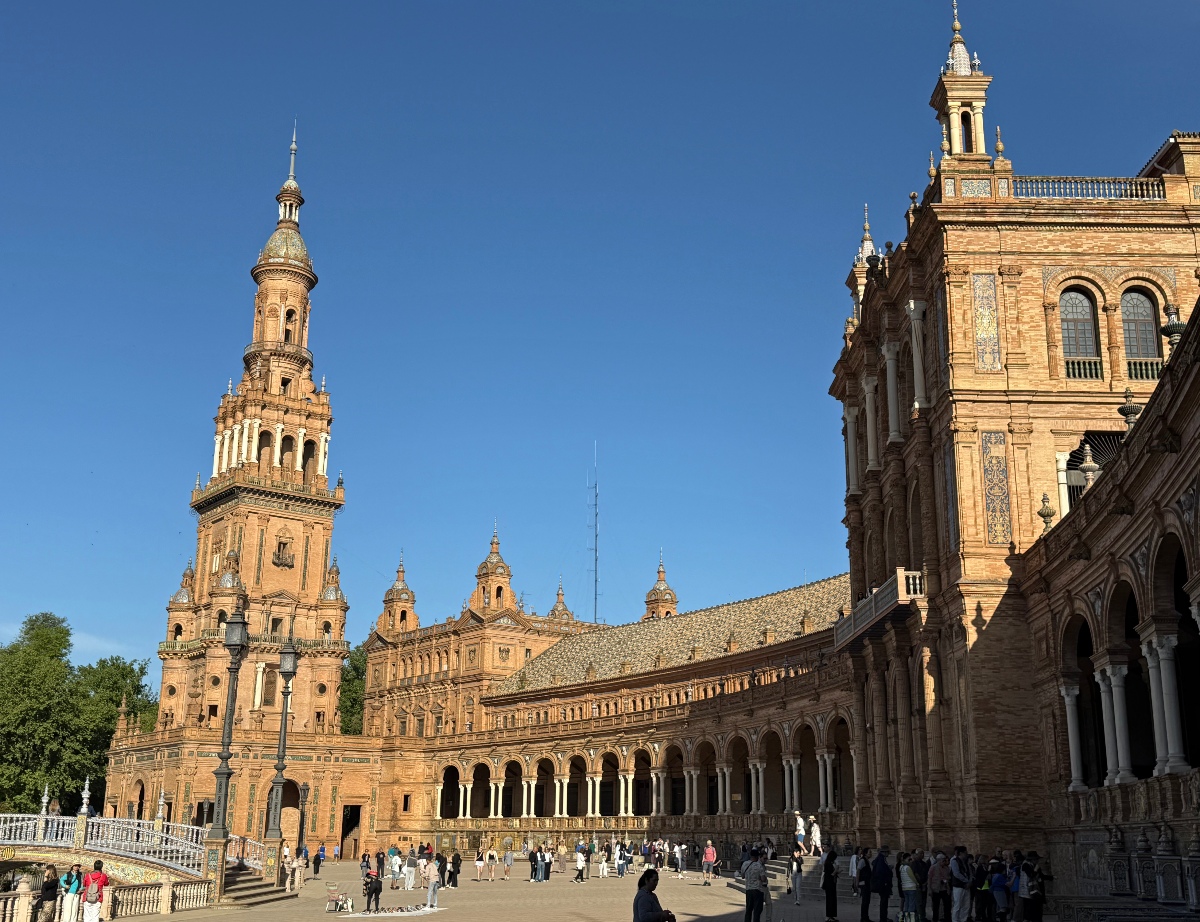
Seville is a big, bustling town, but its old center is quaint and charming with narrow streets and lots to explore. Seville is not only the fourth-largest city in Spain, it is widely cited as the hottest city in Europe. If you are there in summer, don’t be surprised to find temperatures exceeding 100 degrees Fahrenheit. Due to the heat, you’ll want to embrace the afternoon siesta.
Plan activities for early morning, then take a break in the air-conditioned hotel room or at the hotel pool before exploring further in the late afternoon and evening. Also keep in mind that most restaurants don’t open for dinner until after 7:30 or 8:00 pm, so plan to stop for ice cream or at one of the many tapas bars for a snack to tide the kids over.
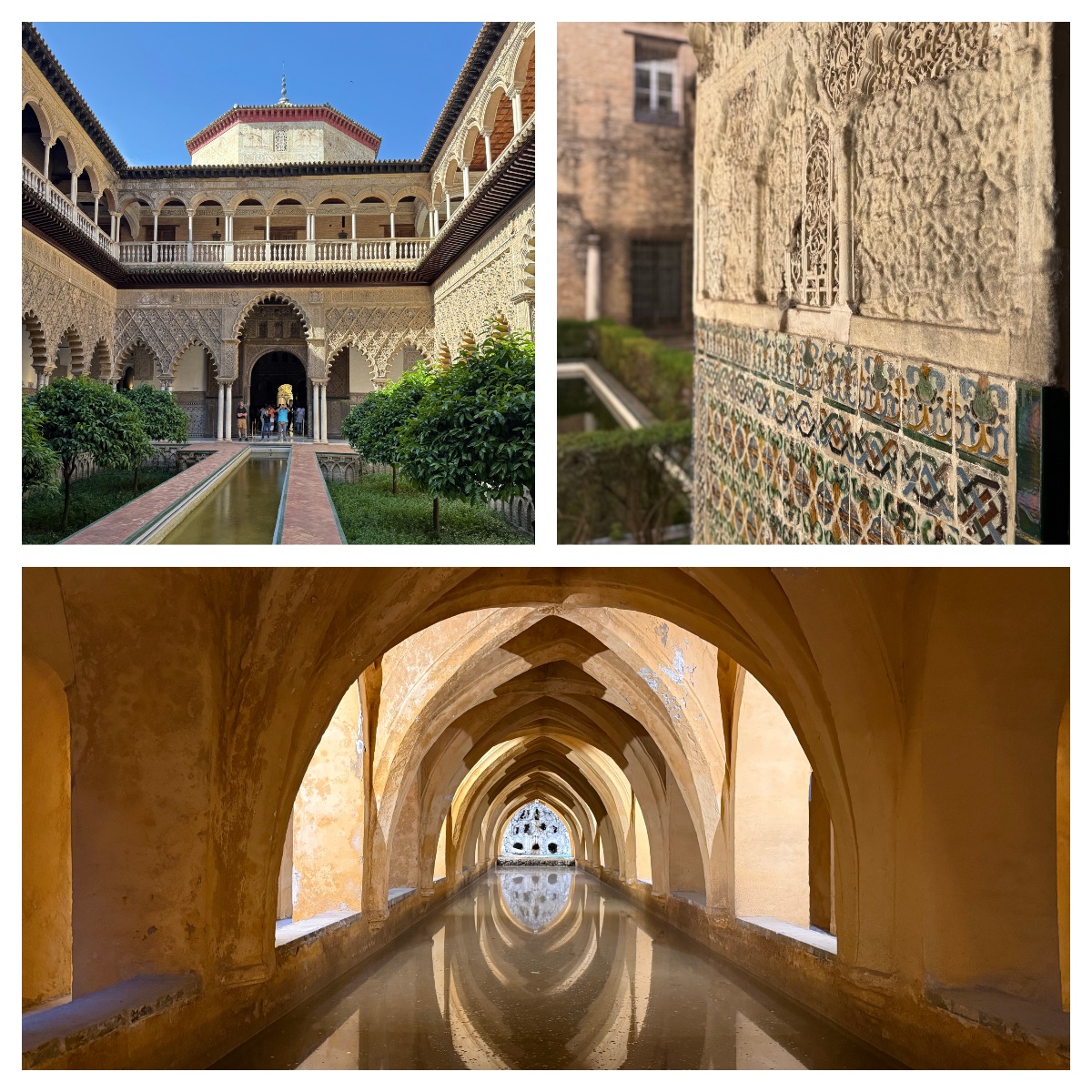
From the outside, the Alcazar looks like an unimpressive old fortress and is easy to bypass — but don’t! When you walk through the gates and start exploring, it is a bit like finding a hidden gem. Originally a Moorish fort, the Alcazar is still used as a royal residence. Inside, you can see beautifully preserved evidence of Moorish architectural features. Even kids will enjoy the detailed tilework mosaics and the serene courtyard pool surrounded by symmetrical archways.
If they start to tire of the rooms inside, escape to the gardens. Here you can see the Christian influences with bubbling fountains and gravel pathways through the sculptured hedges and fruit trees. The Alcazar is not to be missed, especially if you won’t have time to visit the Alhambra in Granada during your Andalucia trip.

Send us a quick inquiry, and we’ll pair you with an expert Travel Advisor who can design a custom itinerary, arrange private guides and experiences, and book vetted accommodations, often with valuable perks to pass along.
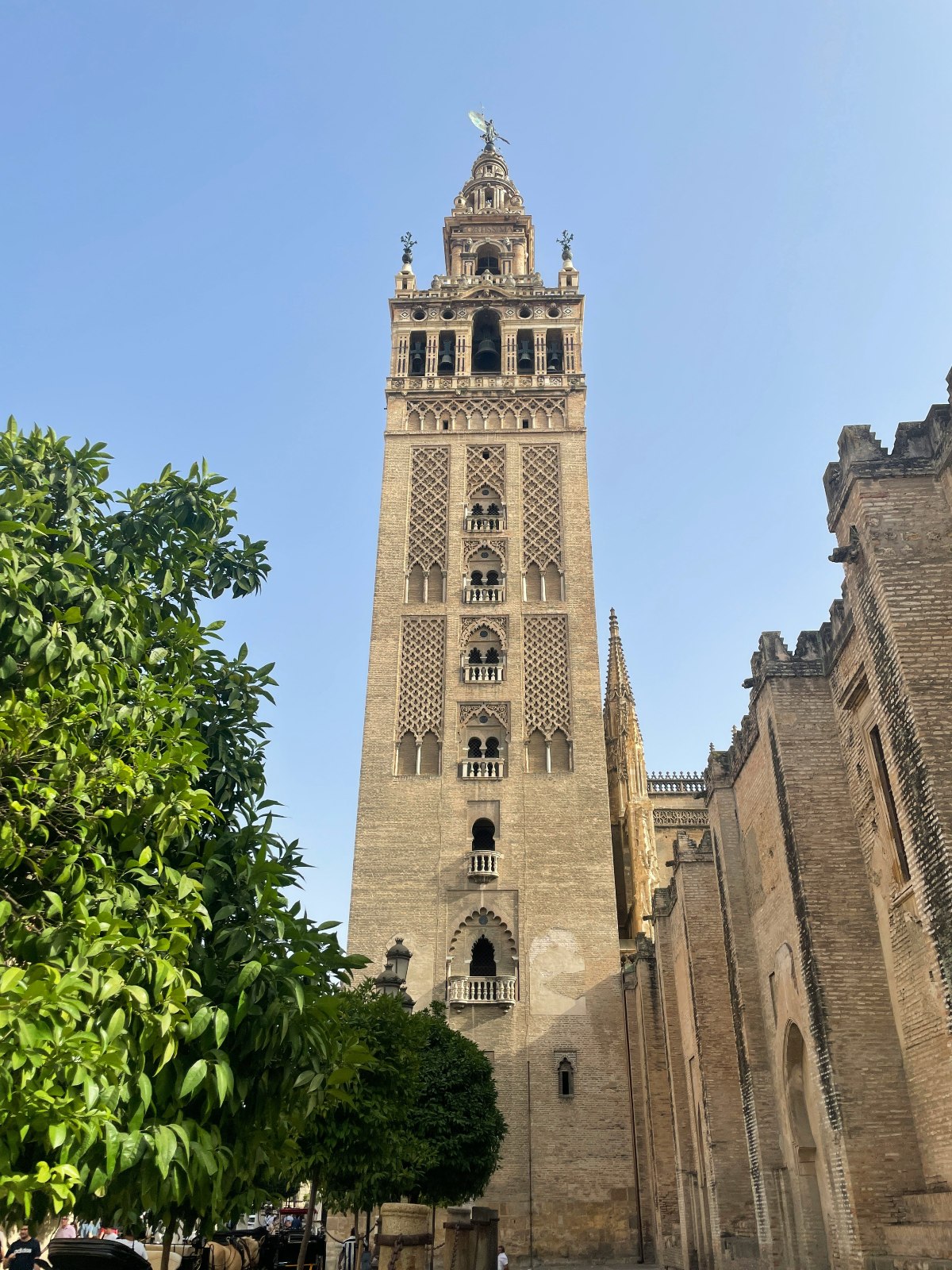
Seville Cathedral, the largest Gothic cathedral (and the third-largest church) in the world, is worth a visit on its own. The inside is jaw-dropping; your family can spend a long time looking at the gold-plated side chapels and pipe organ, and debating whether or not Christopher Columbus really is buried in his onsite tomb. But as ornate and historically significant as it is, the church may only keep kids’ attention for so long. That is when it’s time to head to the front and follow the signs to the Giralda.
Once a Muslim minaret, the Giralda is now a bell tower with beautiful 360-degree views over the city. You’ll need to make it up 35 ramps and 17 steps to the top, but there are windows big enough to sit down in along the way, and the ramps make it a lot easier than stairs.
TIP: The official rule is that knees and shoulders must be covered to enter the cathedral. While I didn’t see this rule strictly upheld, you may not want to take the chance. Also, when you finish up hot and thirsty, Bodega Santa Cruz Las Columnas nearby offers a great selection of tapas!
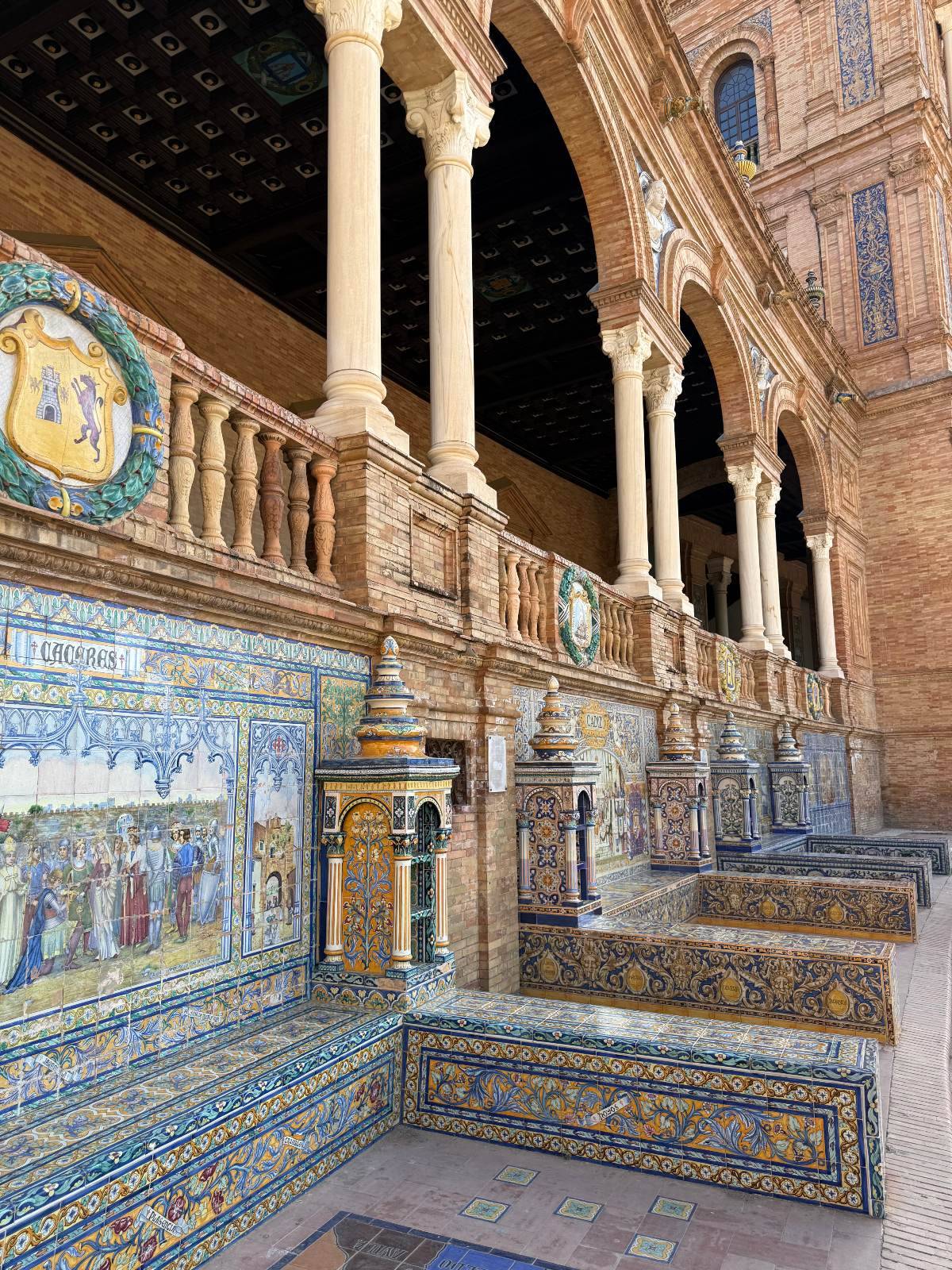
A short walk from the cathedral, the magnificent Plaza de España can’t help but stop you in your tracks. Built for the 1929 Ibero-American Exposition, this sweeping semicircular complex is flanked by twin towers and fronted by a canal (rent rowboats if you want to enjoy a little time on the water). The most memorable feature for kids is the series of elaborately tiled alcove benches lining the plaza, each one representing a different Spanish province with its own hand-painted ceramic map and historical scene. Come first thing in the morning or early in the evening, and give yourself at least an hour to wander.
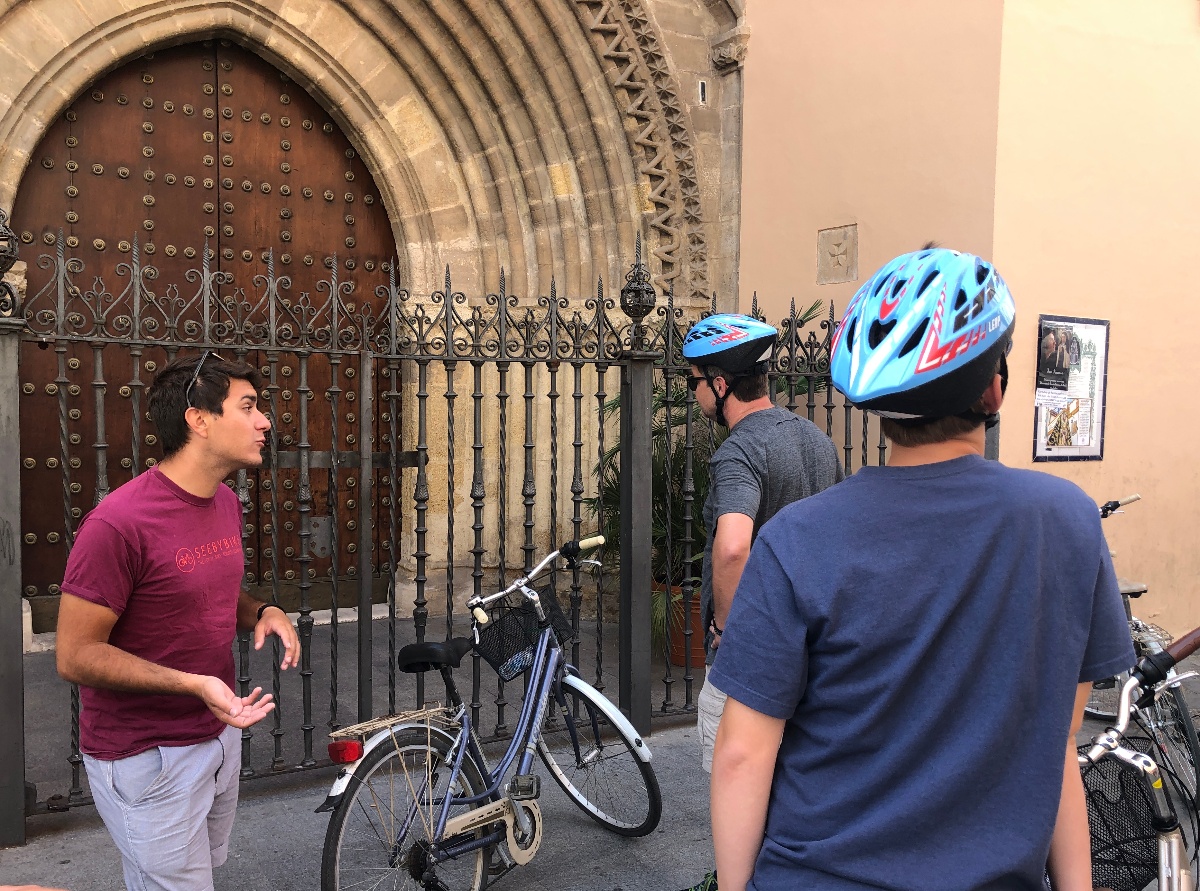
Seville is one of the most bike-friendly cities in Europe, with flat terrain and an extensive network of dedicated bike lanes threading through the old city. A guided tour is one of the best ways to cover maximum ground without losing your bearings in the maze of streets and to hear the stories behind the landmarks you’re passing. Most tours run two to three hours and are suitable for kids who are comfortable riding independently. If yours aren’t quite there yet, look for an operator who offers cargo bikes or trail-a-bikes for younger children (Ciao Bambino’s Travel Advisors can help with this). Early morning departures beat the heat and the crowds, and you’ll often end up in spots no tour bus could reach.
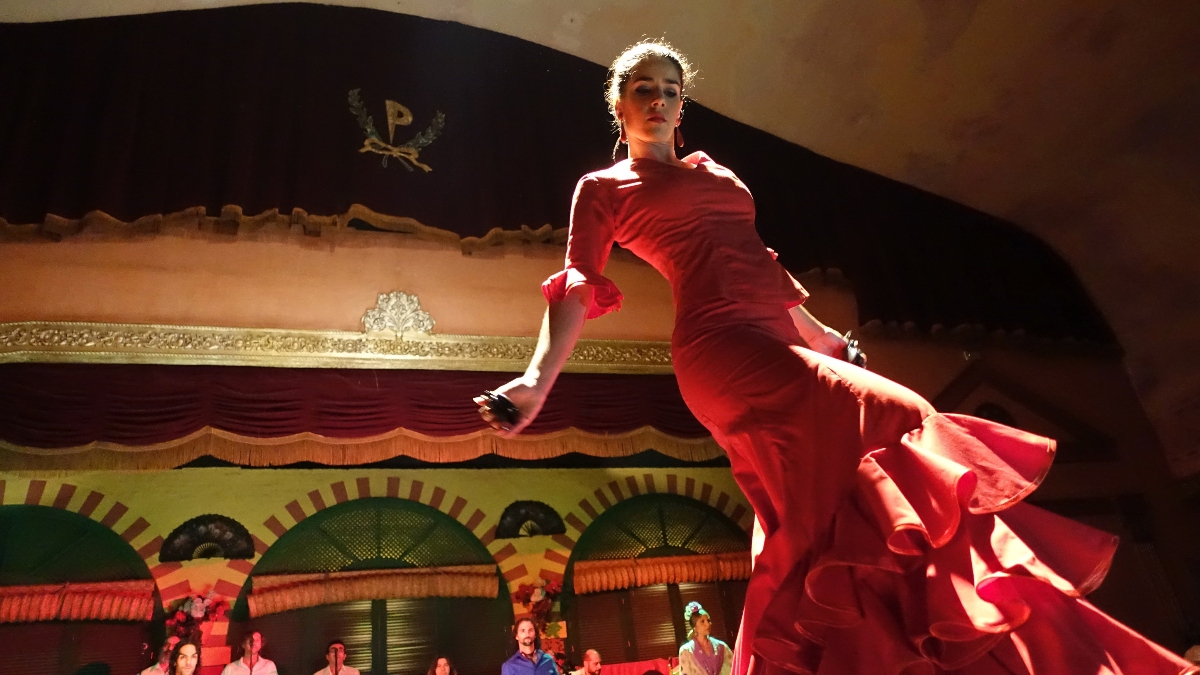
Flamenco has its roots in Seville, and the Triana neighborhood is famous worldwide for its tablaos, or flamenco shows, where you can see the dance performed. While this is the best-known area, you can see flamenco throughout Seville and some of the venues in Barrio de Santa Cruz might be a bit earlier and more accessible for families. Unless you are an aficionado, chances are your family will be impressed wherever you go.
When you think of flamenco, you think of swirling dresses flashing layers of petticoats underneath and may even expect something joyful. But flamenco is actually quite solemn. The guitar playing, combined with soulful, heart-wrenching singing and fast-flying feet, is guaranteed to captivate even younger travelers.
TIP: In between sightseeing, give yourself time to explore Barrio de Santa Cruz, the atmospheric neighborhood that was the heart of Seville’s Jewish quarter before the expulsion in the 15th century. Don’t be turned off by the many souvenir shops hawking the same polka-dot flamenco dresses, fans and hair combs. There are some nice pottery shops to be found, but most of all, your family will enjoy getting lost in the labyrinth of narrow, winding streets and discovering hidden plazas, courtyards with fountains and wrought-iron balconies planted with brilliant blooms.
Relevant Links:
Browse the best destinations and things to do in Spain on Ciao Bambino
52 essential tips for a family vacation in Spain
Postcard from Spain: Seville bike tour
5 adventures in Spain off the beaten path
8 of the best places to go in Spain with teens
Tips for walking the Camino de Santiago with kids
Photos by Lisa Frederick except where noted.
Editor’s Note: This article was originally written by Tamara Gruber and has been updated with fresh recommendations from our Ciao Bambino team. It was accurate when published, but we advise checking independently for the latest information and updates. Ciao Bambino does not accept responsibility or liability for any errors or omissions in, or for any actions taken based on, the information presented.


 travel recommendations, inspiring adventures, and exclusive travel offers
"*" indicates required fields
Want to save all the great intel and tips you are finding on Ciao Bambino? My Trip Planner allows you to bookmark articles, family-friendly hotel reviews, and family vacation packages. Simply click the heart icon on anything you want to save. Site registration is required to get started. Happy planning!
Please fillout the form below to create your free My Trip Planner account.

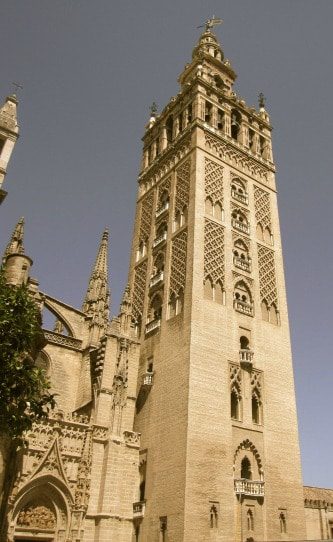
The views from the Cathedral’s tower are AMAZING!