 Back
Back







 FACEBOOK
 Pinterest
 Instagram

 FACEBOOK
Pinterest
Instagram
FACEBOOK
Pinterest
Instagram
Exotic enough to feel novel, familiar enough to feel comfortable, the Caribbean islands are paradise for beach-loving families. Many people question whether it’s worth a long trip down there if you can just go to the ocean closer to home, and my answer is yes. Each island’s culture and beauty are totally unique, and each casts its own lazy, hazy spell.
Virtually every Caribbean island is family-friendly, albeit in different ways. Some have lots of all-inclusive resorts that cater to kids; the draw for others lies in calm, shallow water and ultra-soft sand. The tricky part is sorting through all the options and deciding which one suits you best.
As a lifelong beach fanatic and seasoned Caribbean traveler, here’s my need-to-know advice about choosing the right island and understanding what to expect when you get there.
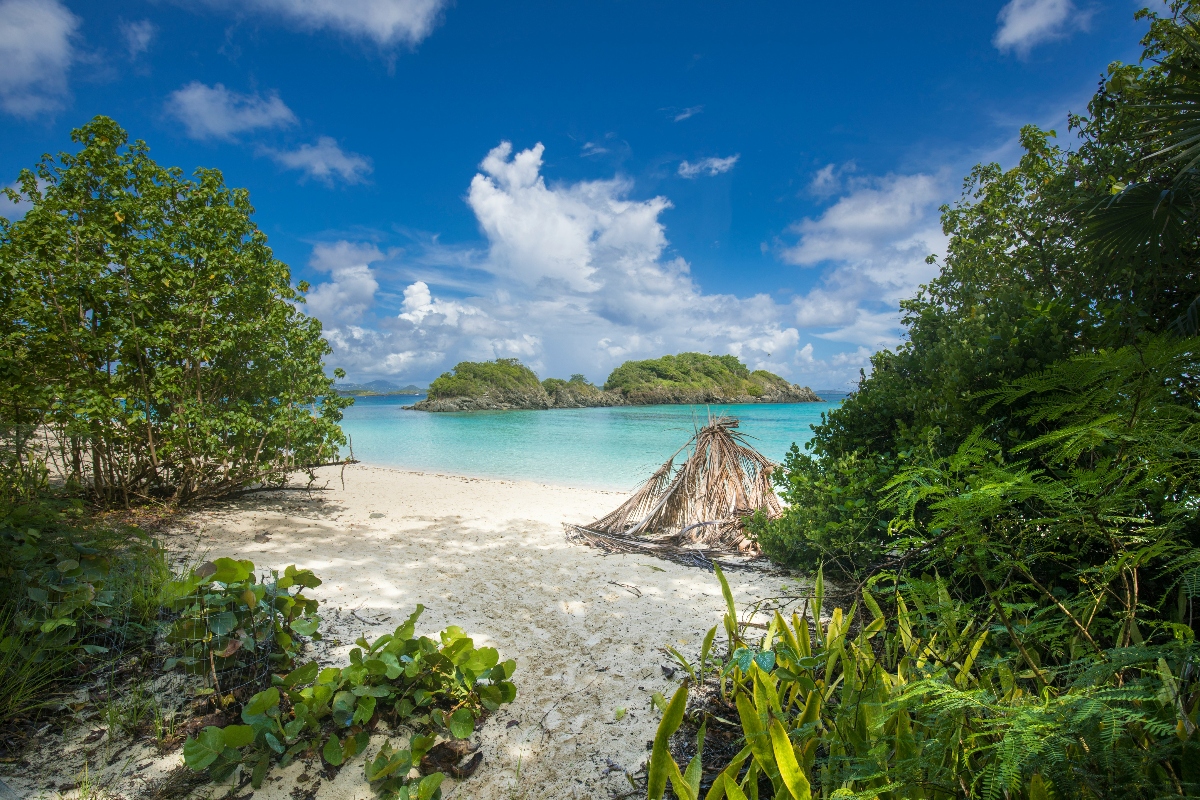
Decide whether nonstop flights are a must. This is the first question to ask yourself as you plan. I adore tiny, remote islands such as St. Vincent and the Grenadines, but getting to them can involve a ferry and/or puddle jumper after a connecting flight to the region — not fun with tired kids. The tradeoff is that farther-removed islands tend to be peaceful and pristine.
If you want to fly nonstop, check airline schedules up front to narrow down your options. Jamaica, the Bahamas, Aruba, St. Lucia, the U.S. Virgin Islands, Grand Cayman, the Dominican Republic and Puerto Rico are typically among the best bets.
Even with direct/nonstop flights, you’ll often have a long transfer from the airport to your accommodations. I enjoy this, as it offers an up-close peek at the island’s landscape and character, but don’t forget to factor it into the total travel time.
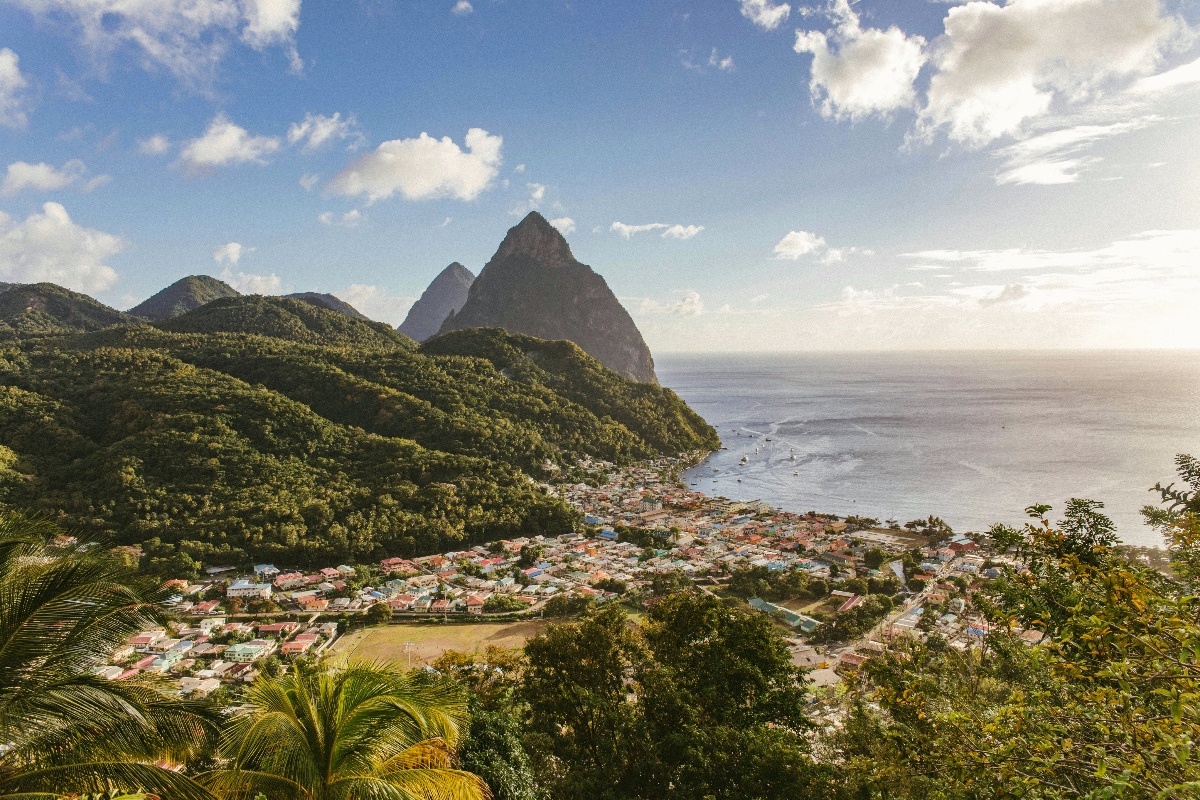
Picture your ideal beachscape. When my husband and I honeymooned on St. Lucia, he was startled by the brownish gray beaches and deep blue sea. Like a lot of people, he assumed that everywhere in the Caribbean has sugar-white sand lapped by crystalline water. Not so!
As a rule of thumb, volcanic islands (such as St. Lucia, the U.S./British Virgin Islands, Jamaica, St. Kitts and Nevis) have dramatic peaks and valleys quilted with greenery, fringed by coarse, deeply colored sand. They also tend to be rainier, hence why all that foliage stays so lush. Coral islands (including Anguilla, Barbados, Turks & Caicos, Aruba and the Caymans) have pale, powdery beaches and calm turquoise water. They’re usually flat and scrubby. Both types have their appeal; it just comes down to personal preference.

Be open to traveling in shoulder season. The Caribbean is most in-demand throughout the winter months (especially over the festive period) and during spring break. If you have flexibility, think about visiting from late April through early June or September through late November, when crowds are lighter and prices are lower. The caveat is that traditionally, hurricane season spans August to October, so you’ll need to evaluate your risk tolerance and consider precautions such as travel insurance.
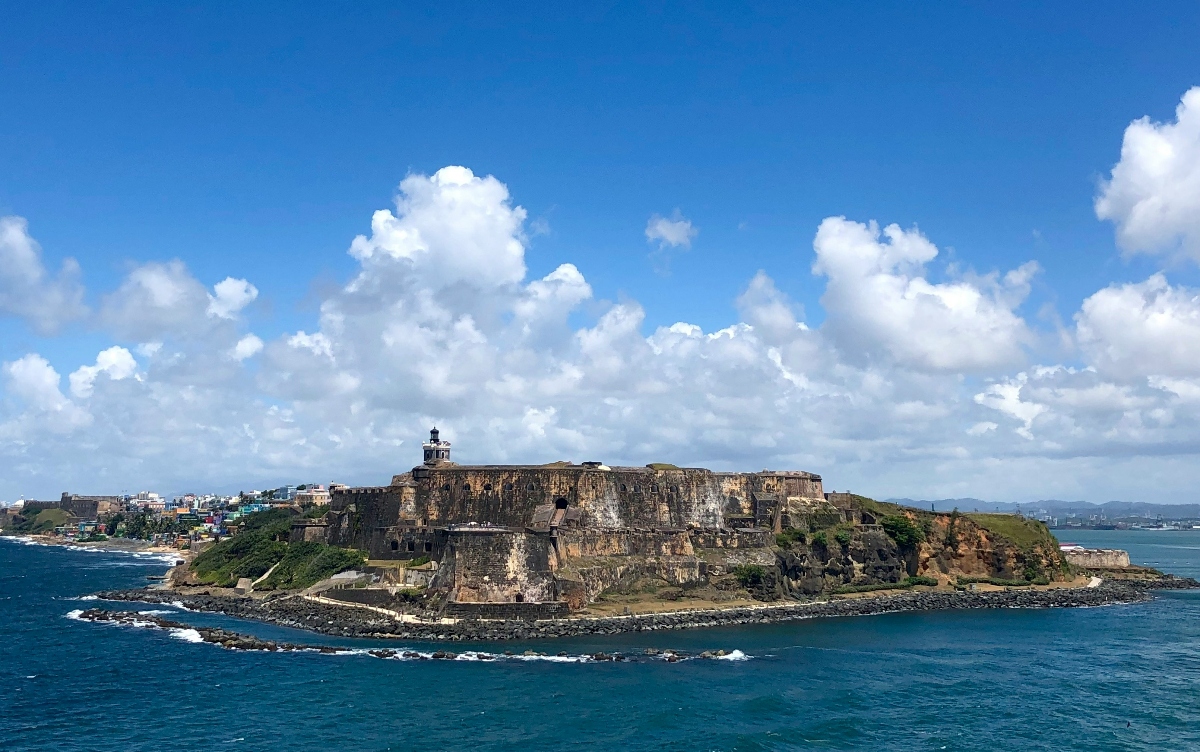
Agree on how much activity you want. Are your kids happy playing in the sand and surf all day, or do they need more action? If they’ll get bored hanging out on the beach, pick a property with lots going on or an island that has plenty to do. Aruba, Jamaica, Barbados, Grand Cayman, the Dominican Republic and parts of the Bahamas offer a good variety of luxury resorts with kids’ clubs and family programming, plus offsite excursions galore. However, these islands are also some of the most developed, with infrastructure like shopping centers, nightclubs, restaurants and casinos. You can find unspoiled pockets, but the vibe overall is busy.
If you’re seeking something more idyllic, opt for the sleepy Grenadines, Anguilla, Grenada, Vieques (Puerto Rico), Nevis, the Bahamas’ Out Islands or the BVIs. Private islands, e.g. Parrot Cay in Turks & Caicos, offer the ultimate in seclusion. Just bear in mind that you’ll also be farther from medical services and other infrastructure.

Tell us where you’d love to go, and we’ll pair you with an expert Travel Advisor who handles the planning from beginning to end: custom itineraries, private guides, immersive local experiences and handpicked hotels.
For hiking and nature touring, I would shortlist St. Lucia, St. John and Dominica (different from the Dominican Republic). Barbados, Puerto Rico, the DR, St. Kitts and Nevis, Antigua and Grenada are standouts for historical sightseeing. Want to dive or snorkel? Try the Caymans, the U.S. and British Virgin Islands, the Bahamas and Turks & Caicos.
TIP: Tiny Bonaire is world-famous for its diving, but it’s better for older teens or an adults-only vacation as the appeal for little ones will be limited.
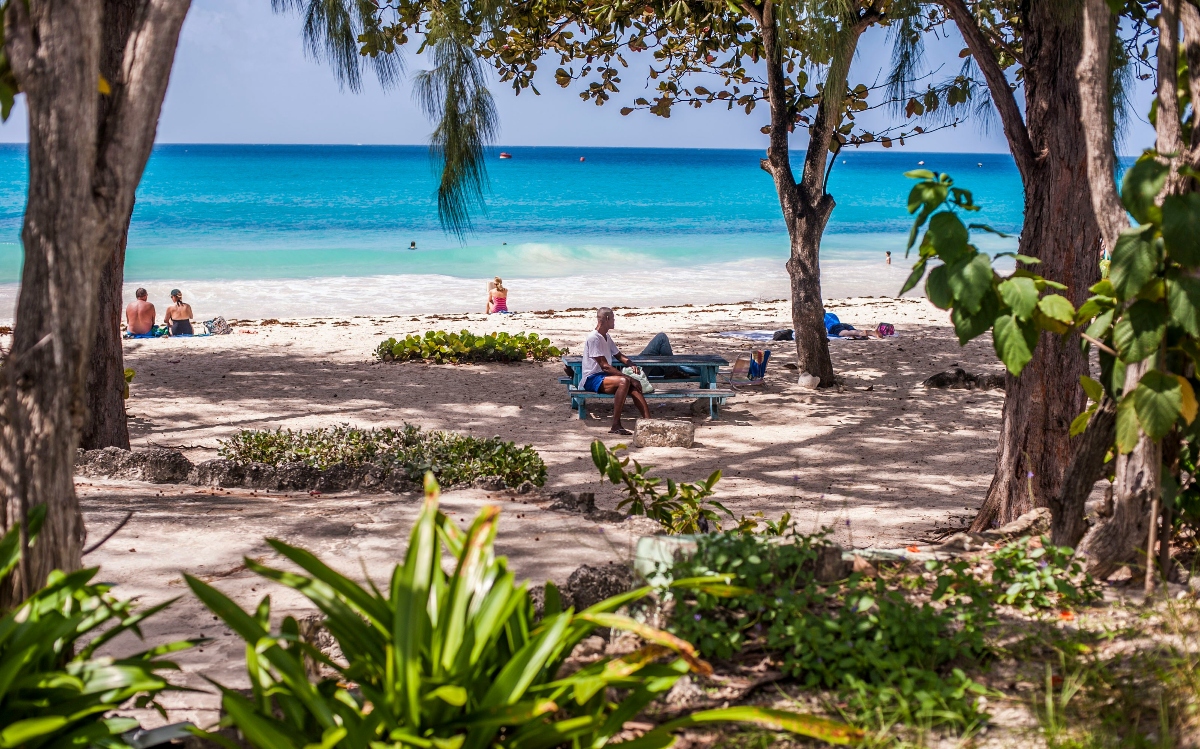
Know that beaches on many islands are public, even in front of the resorts. You’ll rub elbows with locals and you may encounter vendors offering hair braiding, watersports or refreshments. Just say a polite “No, thank you” and move on if you’re not interested.
Note that public doesn’t always mean jam-packed. Some years ago I stayed at a large resort on Turks & Caicos’ beautiful Grace Bay, and even with island residents plus guests, the crowds were manageable. Even so, concierges and drivers can point you to safe, under-the-radar beaches that you may have almost to yourself.
Consider renting a villa. The Caribbean is expensive and sticker shock is common at top-shelf resorts. I’m a big fan of villa rentals to keep costs in line. Not only will you have more space and privacy, but the rates on some islands, such as Jamaica and St. Lucia, typically include a housekeeper and/or chef. What you won’t always find: air conditioning, reliable Wifi, kid-safe swimming pools. Our Ciao Bambino Travel Advisors work with a list of preferred rental providers, and we can book a vetted property that suits your needs.
TIP: Many people request a villa right on the water, but I think it’s ideal to stay higher up if you don’t mind a short trek to the beach. The views are prettier, and you’ll catch cooling breezes that can offset the lack of A/C.
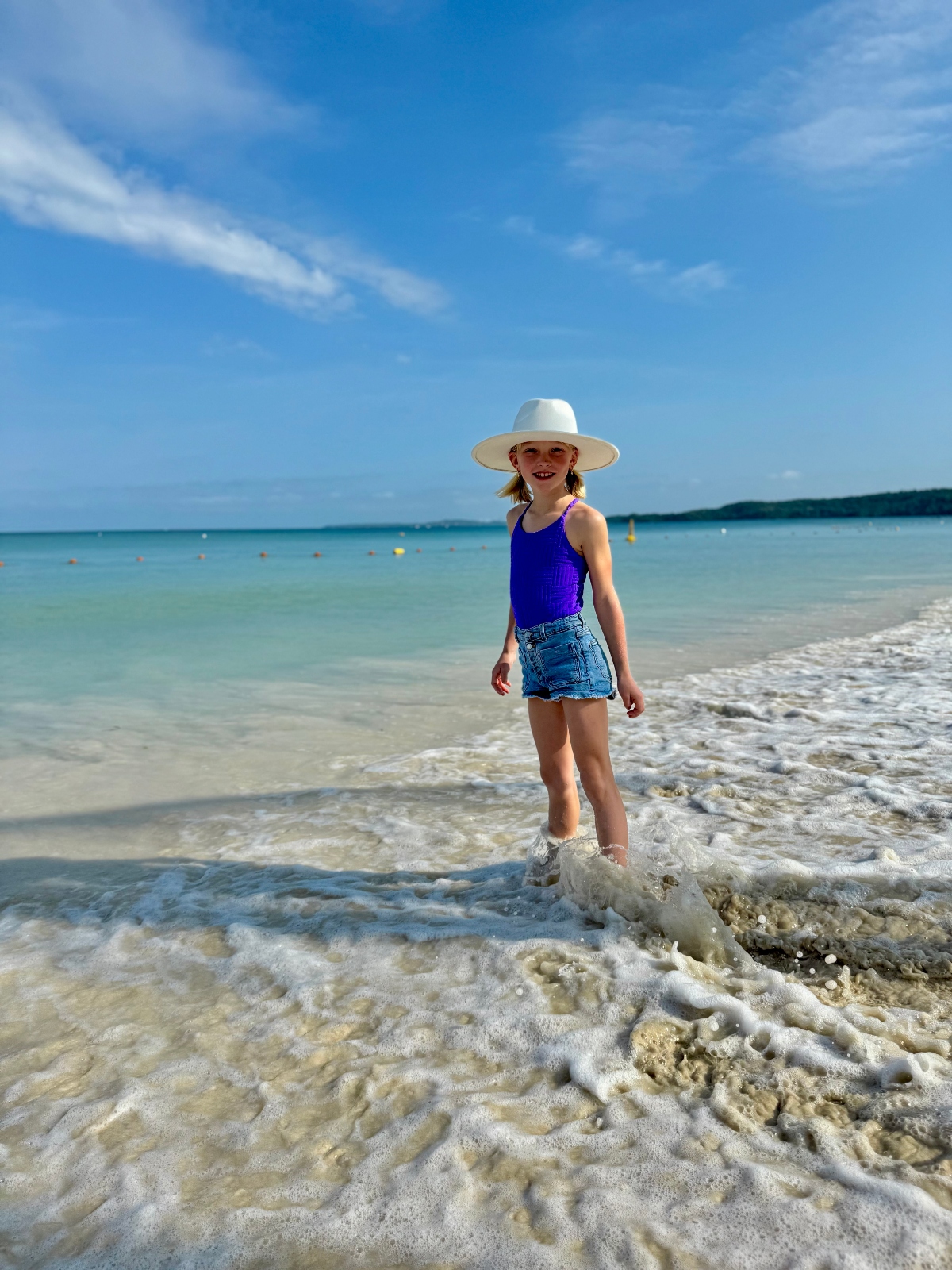
Remember mainland Caribbean beaches too. Colombia, Mexico’s Yucatan Peninsula and Central American countries like Nicaragua, Belize and Costa Rica all border the Caribbean Sea. If the islands are too pricey, you can enjoy the same beautiful beaches and blue water from a more affordable location with its own distinctive culture, and you have the added benefit of easy access to inland exploration.
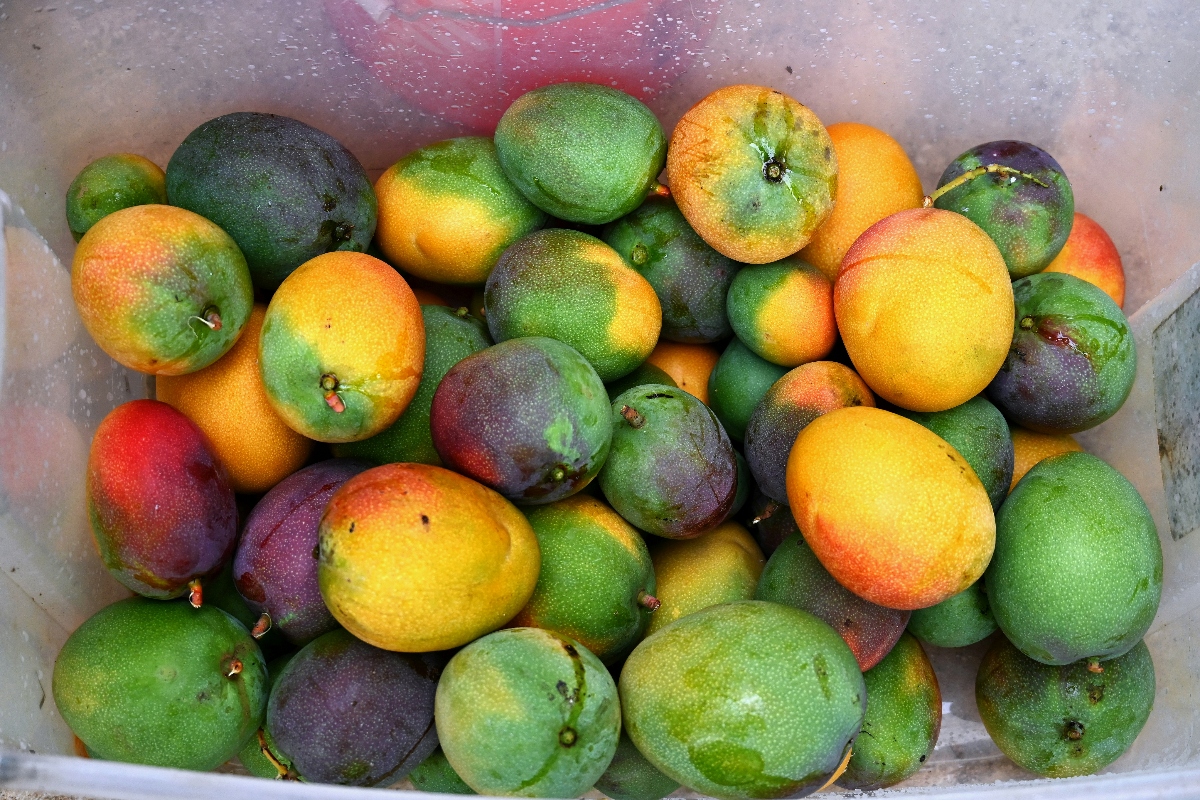
Embrace the local food scene. Food in the Caribbean can cost a lot, largely because much of it has to be shipped in — this is one reason why all-inclusives are so popular in this part of the world. Become a vacation locavore and explore the region’s vibrant, nuanced cuisine. Although the local topography limits large-scale farming, many of the islands these days are growing and raising more of their own foods, with delicious results. And of course, seafood and tropical fruits of all kinds are abundant.
Anguilla, St. Maarten/St. Martin, Guadeloupe and über-chic St. Barths are foodie magnets, but for some of the tastiest and most reasonably priced fare, seek out roadside stands and holes-in-the-wall on your island of choice. Just ask around to discern which spots to hit and which ones to avoid.
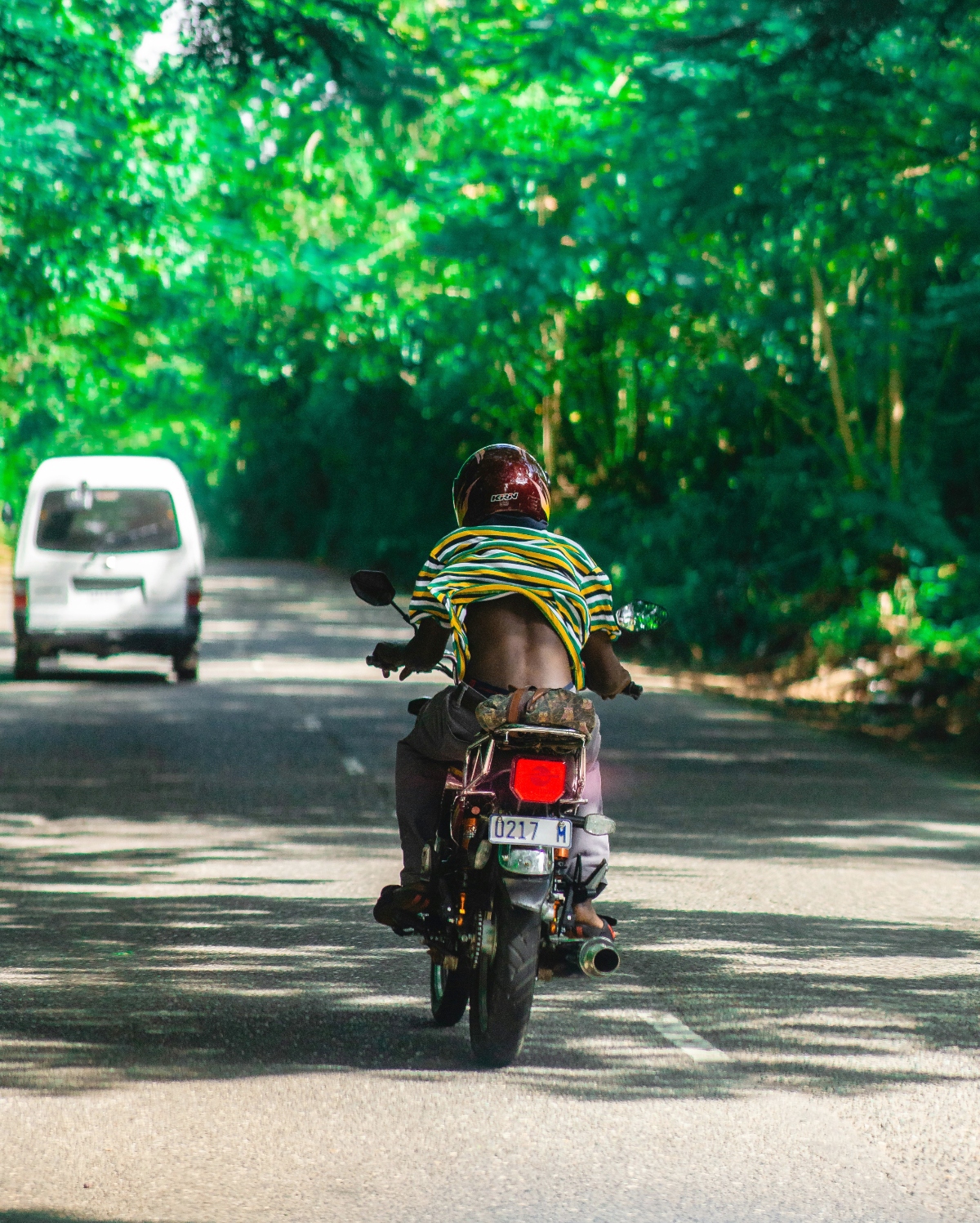
Determine whether a rental car makes sense. Unless you are renting a villa, you probably won’t need a car. Excursions booked through your resort virtually always include transportation. If you’re staying at a private home and prefer not to drive, hiring a taxi or driver for the day can be quite affordable. It’s also a great way to get insight into the local culture — drivers are usually knowledgeable, well connected and full of anecdotes and inside tips. If you have car seats, let the driver know in advance. I’ve run across more than one cab that’s missing seat belts.
If you want your own wheels, be prepared: Between rudimentary roadways, steep hills and speed demons, driving on the more rugged islands can be hair-raising. Motorcycles and scooters are common on Jamaica, the Dominican Republic and Aruba, and they weave in and out of traffic quickly, so extra care is required. Also, remember that in many British-influenced destinations such as Barbados, Anguilla, Antigua and the British Virgin Islands, driving is on the left side of the road.
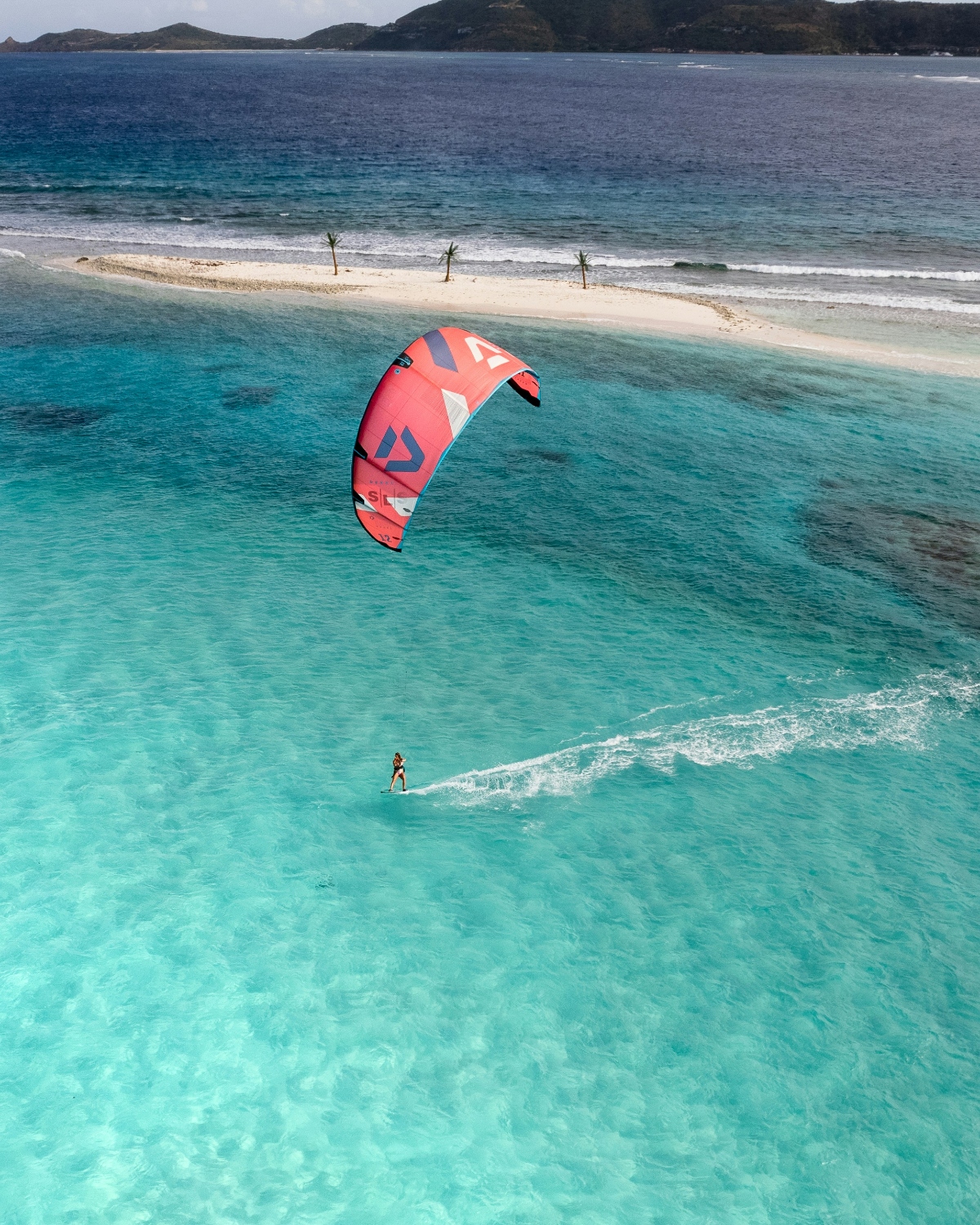
Set your internal clock on island time. Forget rigid schedules — you’re at the beach! Life in the Caribbean is relaxed and fluid, just as it should be. Very little happens quickly here, but that’s part of the appeal. If there’s one perfect place to master the art of going with the flow, this is it.
Relevant Links:
Best family hotels and things to do in the Caribbean with kids on Ciao Bambino
Best Caribbean islands with kids: Find your perfect match
St. Barths with kids: A luxurious Caribbean destination
St. John with kids: Pristine Caribbean beaches in a lush national park
Things to do in Dominica, the Caribbean’s hidden gem
Where to stay in St. Lucia for a parents-only escape
Editor’s note: This post was accurate when published. We advise checking independently for the latest information and updates. Ciao Bambino does not accept responsibility or liability for any errors or omissions in, or for any actions taken based on, the information presented.
Written By
By Lisa Frederick


 travel recommendations, inspiring adventures, and exclusive travel offers
"*" indicates required fields
Want to save all the great intel and tips you are finding on Ciao Bambino? My Trip Planner allows you to bookmark articles, family-friendly hotel reviews, and family vacation packages. Simply click the heart icon on anything you want to save. Site registration is required to get started. Happy planning!
Please fillout the form below to create your free My Trip Planner account.
Start a Discussion
2 Comments