 Back
Back







 FACEBOOK
 Pinterest
 Instagram

 FACEBOOK
Pinterest
Instagram
FACEBOOK
Pinterest
Instagram
Nature and wildlife are the main reasons many families put Costa Rica on their bucket lists … sloths draped over branches, volcanoes rising from the trees, toucans with brilliant bills, mists floating over the rainforest. There’s a wide gap, though, between glimpsing a distant silhouette in the canopy and standing a few feet from a pit viper coiled around a trunk as a guide explains its habits. Our CB Travel Advisor team spent a recent week in Costa Rica, and every creature sighting that lingers in our memories happened under the guidance of an expert who knew the right places to look.
Here are four incredible experiences from that trip, spanning the Rio Celeste area, Arenal and the Guanacaste coast. Each one is engaging enough to hold kids’ attention and yet substantive enough that parents will come away having learned something too. Intrigued? We can book any or all of them for you with our trusted on-the-ground partners as part of a full Costa Rica itinerary — connect with us for details.
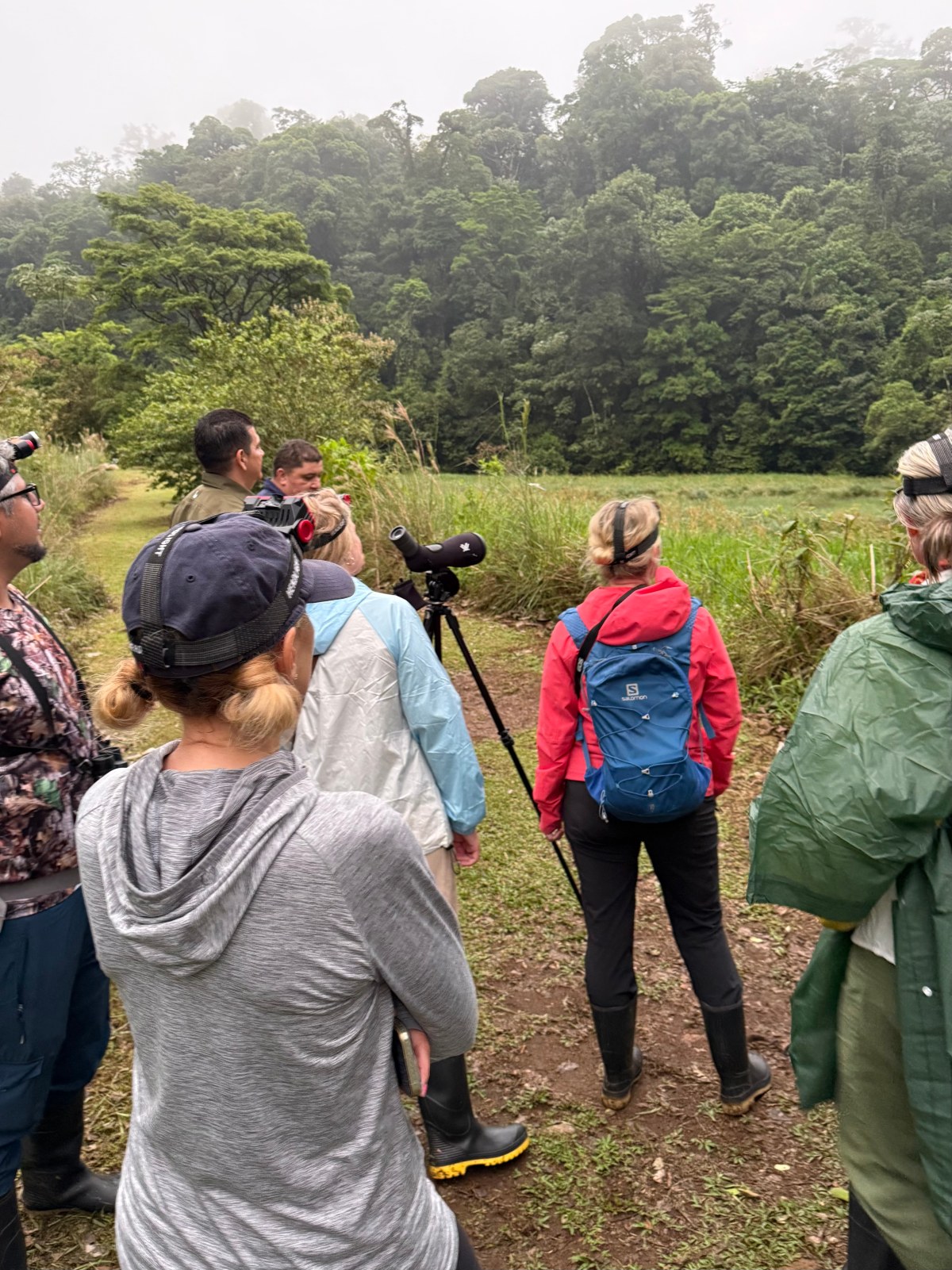
If you’re staying near Rio Celeste, set aside an evening for a hike through a 200-acre privately protected nature reserve at the base of Tenorio Volcano. Its backstory is what makes it so remarkable — this was a cattle pasture before a rewilding and conservation project transformed it into a wildlife sanctuary. Everyone working there has devoted years to that effort; the team is still identifying species inside the reserve, and we got to spend time with one of the scientists who discovered a type of tree frog that no one had ever recorded before (a wow moment!).
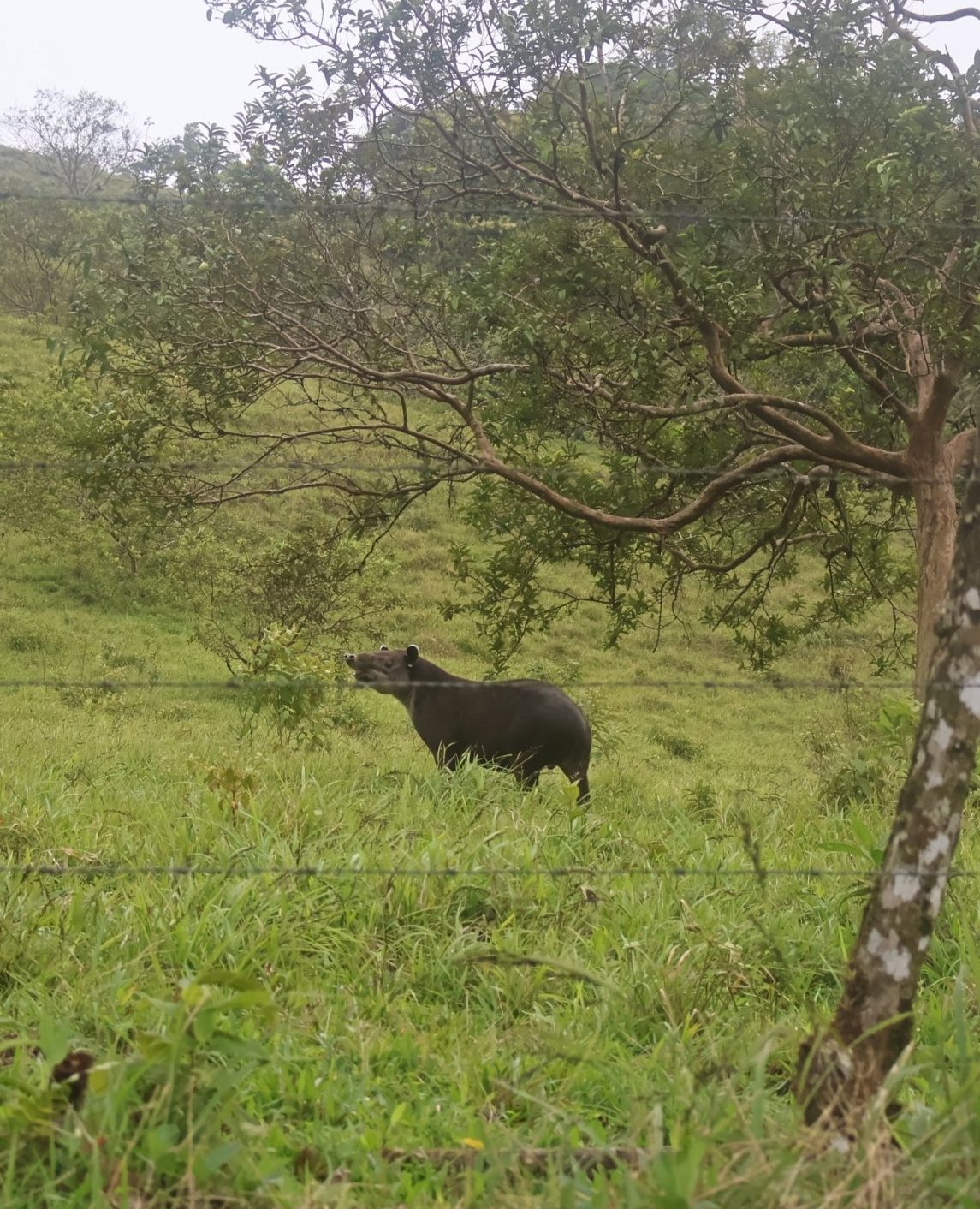
The reserve has become one of the best places in the country to see the endangered tapir in the wild. Its wetlands and forest edges draw them in regularly, especially at dusk and during guided night tours. Tapirs are Central America’s largest land mammal, and encountering them is truly an event … as luck would have it, we spotted one en route before we even started our hike. They’re so shy and elusive that you might or might not see them on any given day, but the excursion is well worth the time regardless.
Once inside the entrance, we traded our shoes for tall rubber boots and donned headlamps, and a wildlife guide led us into the falling dusk. The animal tally added up fast: eyelash pit vipers, red-eyed tree frogs, a whole cast of other frogs and toads, beetles, bats and all the creepy-crawlies curious kids could hope for. For adventurous families who care about conservation, it’s a home run.
TIP: If you have younger kids and the tour will run past their bedtimes, a short nap beforehand will keep everyone from getting too cranky.
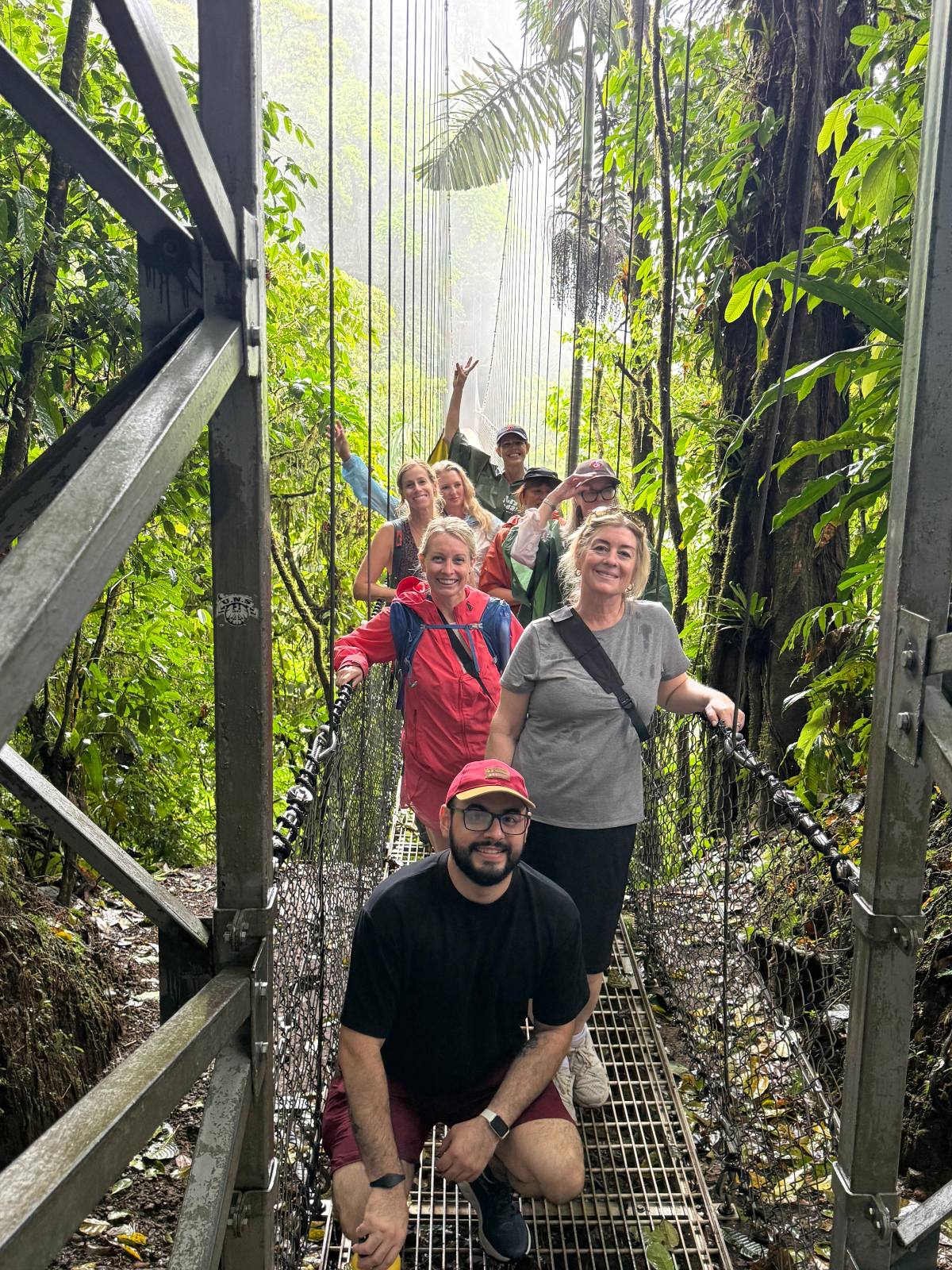
Traversing Costa Rica’s hanging bridges is a must for most first-time visitors, and it was one of our favorite activities in the Arenal area. We visited a park laced with trails and suspended walkways that overlook different levels of the rainforest canopy, giving you a bird’s-eye vantage point. The bridges alone are impressive and a lot of fun, though if you’re afraid of heights, you might have a few white-knuckle moments as you bounce and sway along. But the wildlife viewing is what makes the morning worth planning around — we saw monkeys, birds, insects and snakes as we trekked along.

Send us a quick inquiry, and we’ll pair you with an expert Travel Advisor who can design a custom itinerary, arrange private guides and experiences, and book vetted accommodations, often with valuable perks to pass along.
As with virtually all of the major wildlife sites in the country, it’s essential to engage a naturalist guide. Their trained eyes and high-powered telescopes can pick out a sleeping bat tucked under a leaf or a viper coiled in a bromeliad while everyone else is admiring the scenery. Roughly 90 percent of what’s out there is easy to walk straight past; we would have missed nearly all of it on our own.
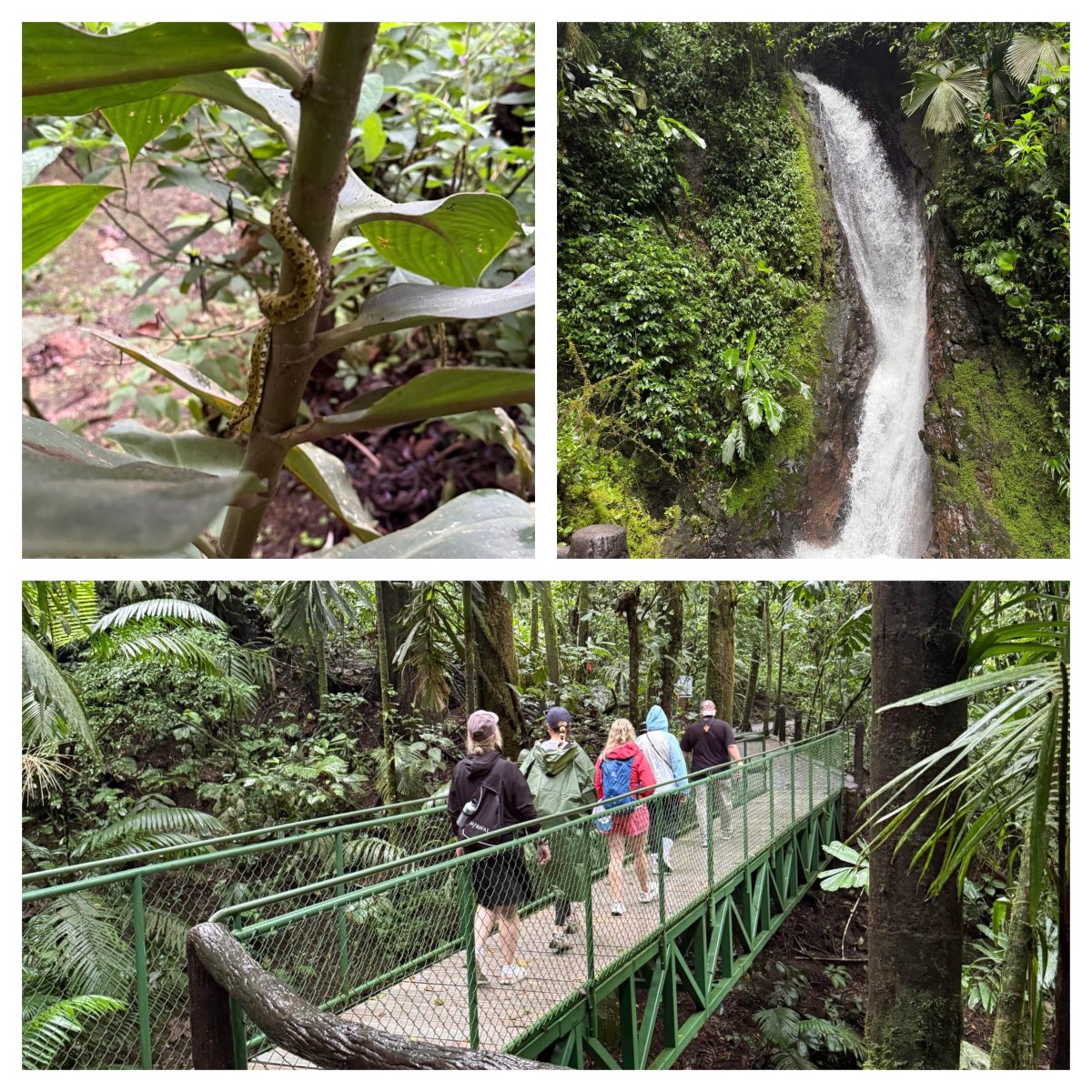
The route feels adventurous enough to excite a wide range of ages without requiring any special skills, and the bridges are well maintained. This outing also pairs neatly with others around Arenal, so it doesn’t have to take up an entire day.
TIP: The park includes hills, stairs and uneven surfaces throughout. We don’t recommend it for guests with significant mobility limitations, though a shorter trail is available for a taste of the experience. Mornings generally offer the best wildlife viewing.
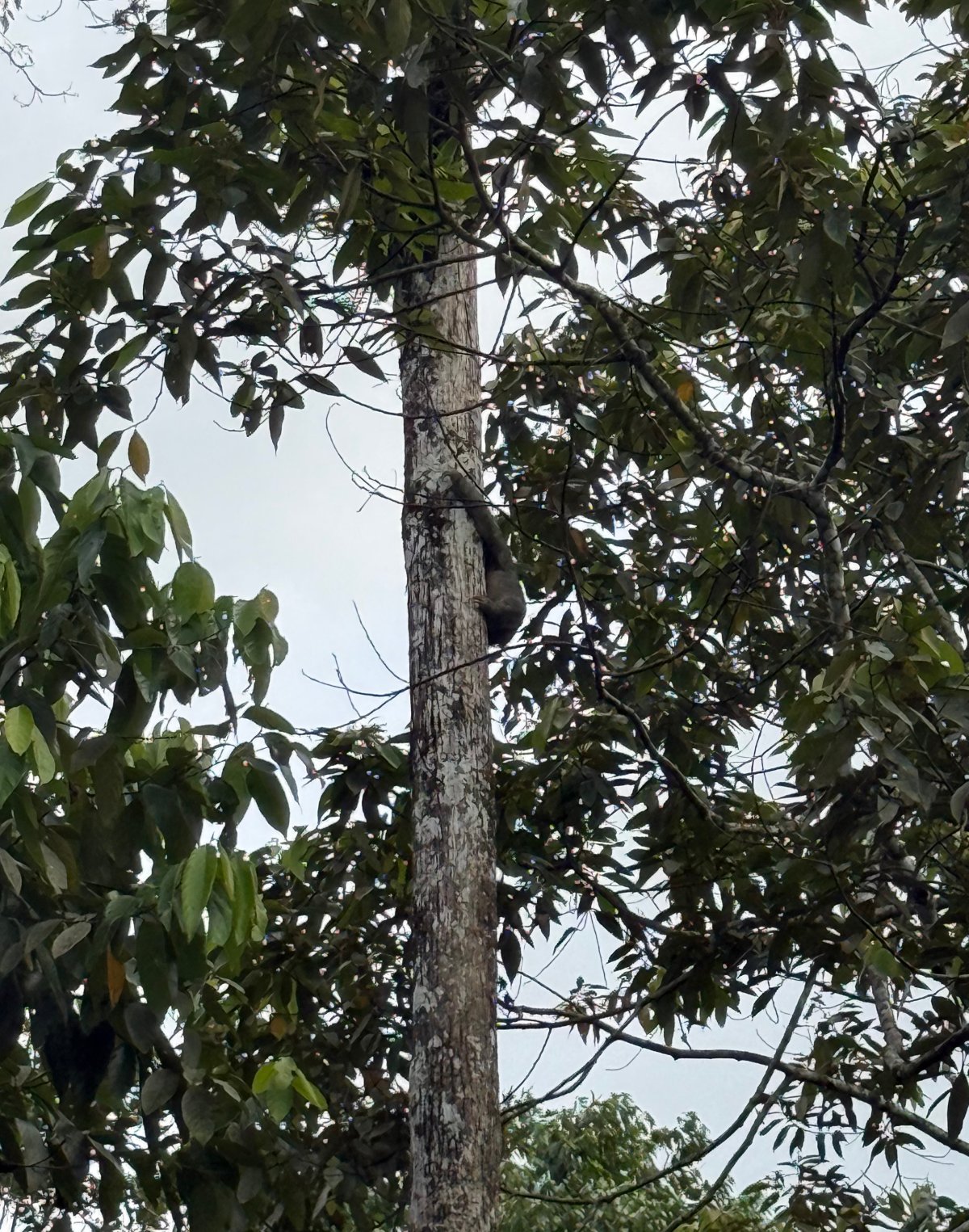
No animal is more closely associated with Costa Rica than the sloth, and we spent a delightful afternoon with a local organization dedicated to protecting and teaching visitors about them. Our tour opened with a short presentation and local refreshments at their headquarters. Afterward, we all piled into the van to search for sloths in their natural habitat.
We didn’t have to go far. A couple of them appeared in the trees within minutes of setting out, one on private property the company has permission to access. Then came the best moment of the excursion: spotting Walter, a well-known resident sloth who obliged us and the gathering crowd with a steady, rapid climb (well, rapid by sloth standards), plus a few smiles for the camera. In a short stretch of time, we came away understanding lots more about the species and why this slow-moving creature has become such a beloved symbol of the country.
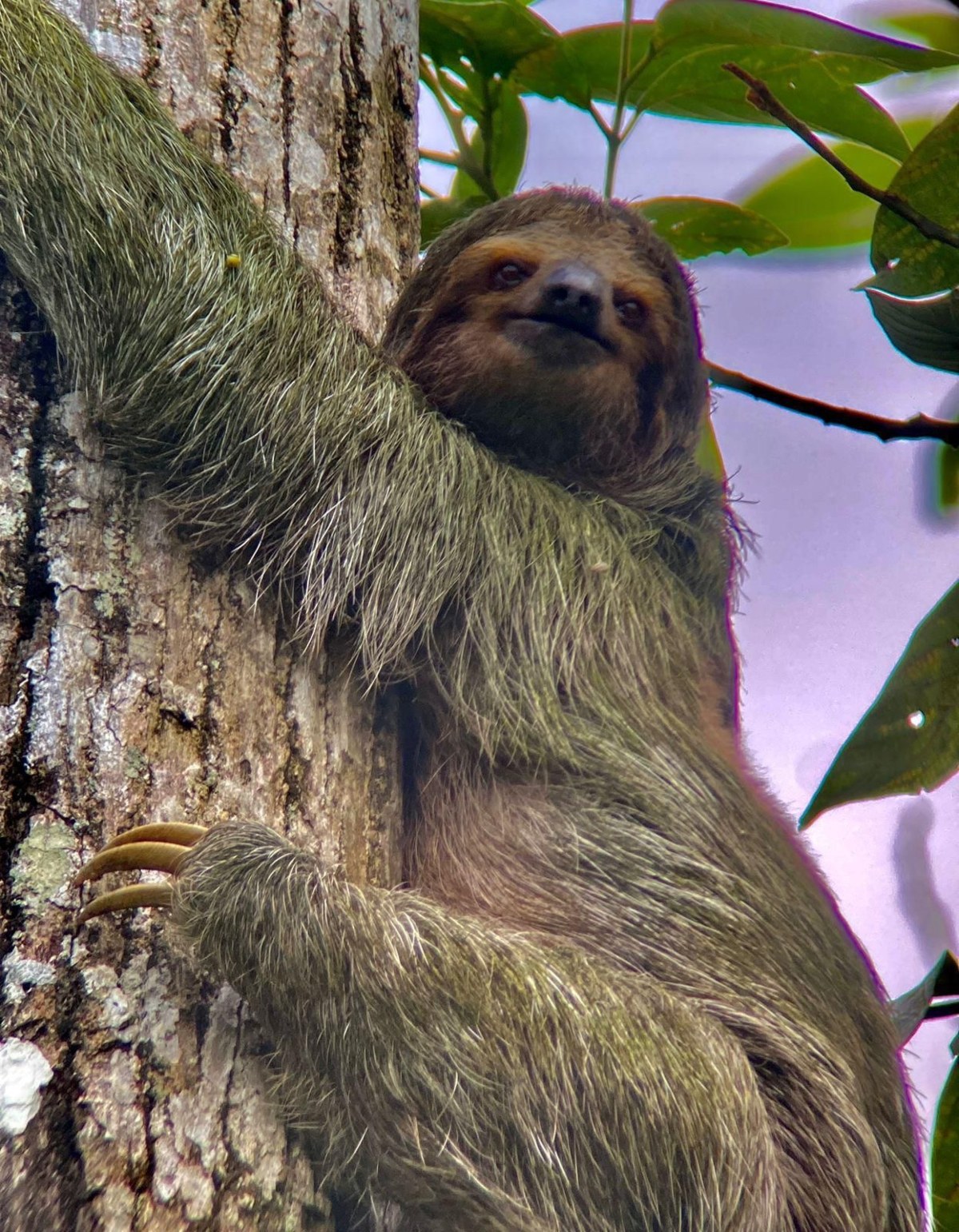
Guides keep everyone moving efficiently from point to point for maximum sloth exposure. Our tour ran shorter than usual because we were behind schedule that day, but with a highlight like Walter already in the bag, we didn’t feel like we’d missed out.
TIP: This one is well suited to younger kids, as walking is minimal and the payoff will likely be immediate.
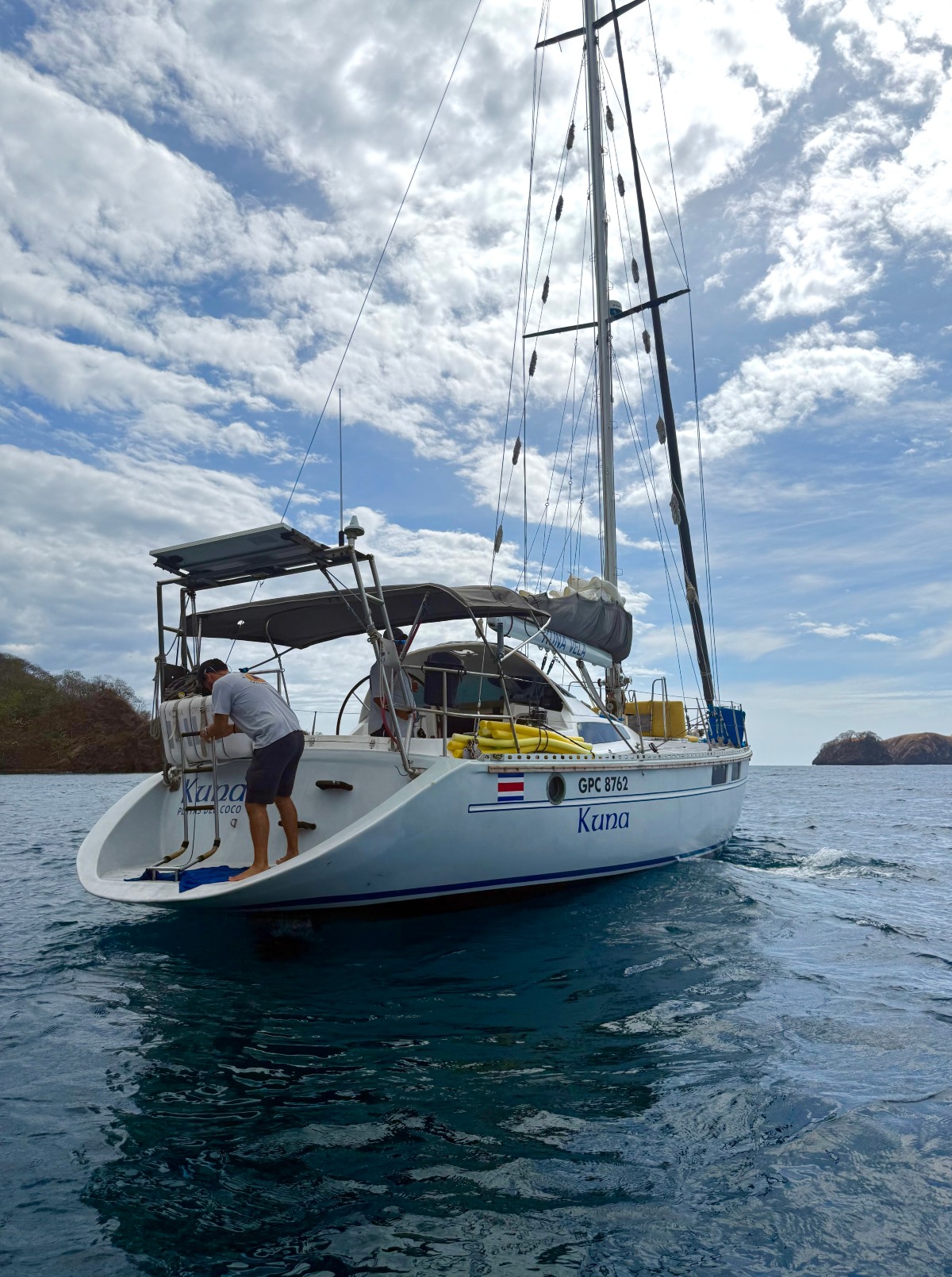
If your Costa Rica itinerary includes a stay along the Guanacaste coast, an afternoon on the water makes for a welcome contrast to the hours spent amid the jungle. Our small sailboat pulled up directly to the beach at the Waldorf Astoria Punta Cacique, our home base for this region (though the excursion is booked independently of local hotels). The vessel isn’t a luxury yacht, but it’s clean and comfortable, with deck space for about 10 to 12 people and a friendly, knowledgeable crew.
The gorgeously sunny afternoon began by following a pod of bottlenose dolphins, then took us to a secluded cove where the boat moored for about an hour. From there, everyone chose their own version of an aquatic good time. Some of us snorkeled in clear water thick with colorful fish and others took a dinghy over to a small beach for swimming and sunbathing. Or you could stretch out on the deck and catch a few rays, perhaps paired with a brief nap as the boat rocks to and fro on the gentle waves.
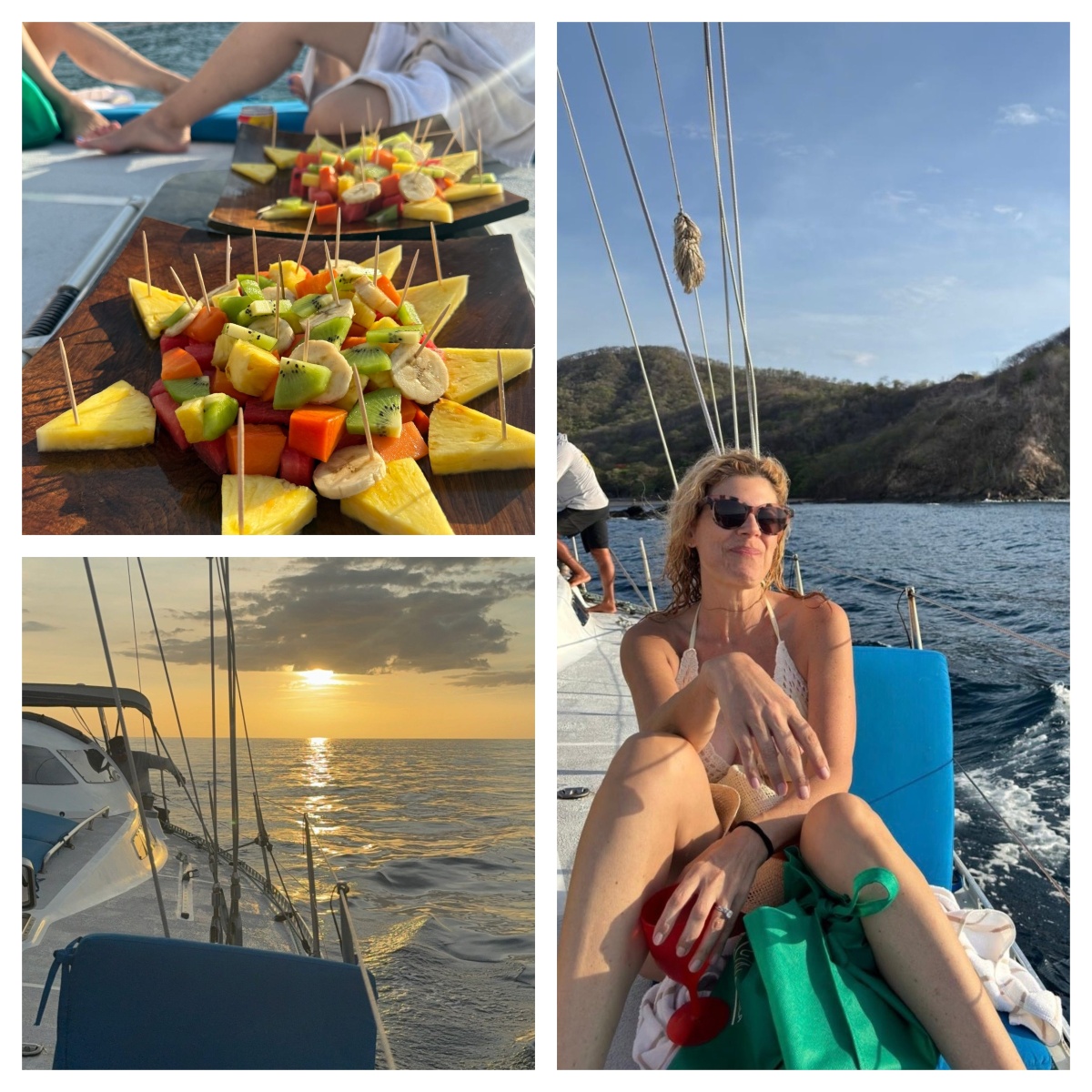
While we were in the water, the crew prepared a light meal onboard. Arrive hungry! We had a hard time making a dent in the platters of fresh tropical fruit, chips, homemade guacamole and bean dip, all served with wraps stuffed with fish the crew had caught the day before. A wide selection of soft drinks, beer, wine and cocktails is available too.
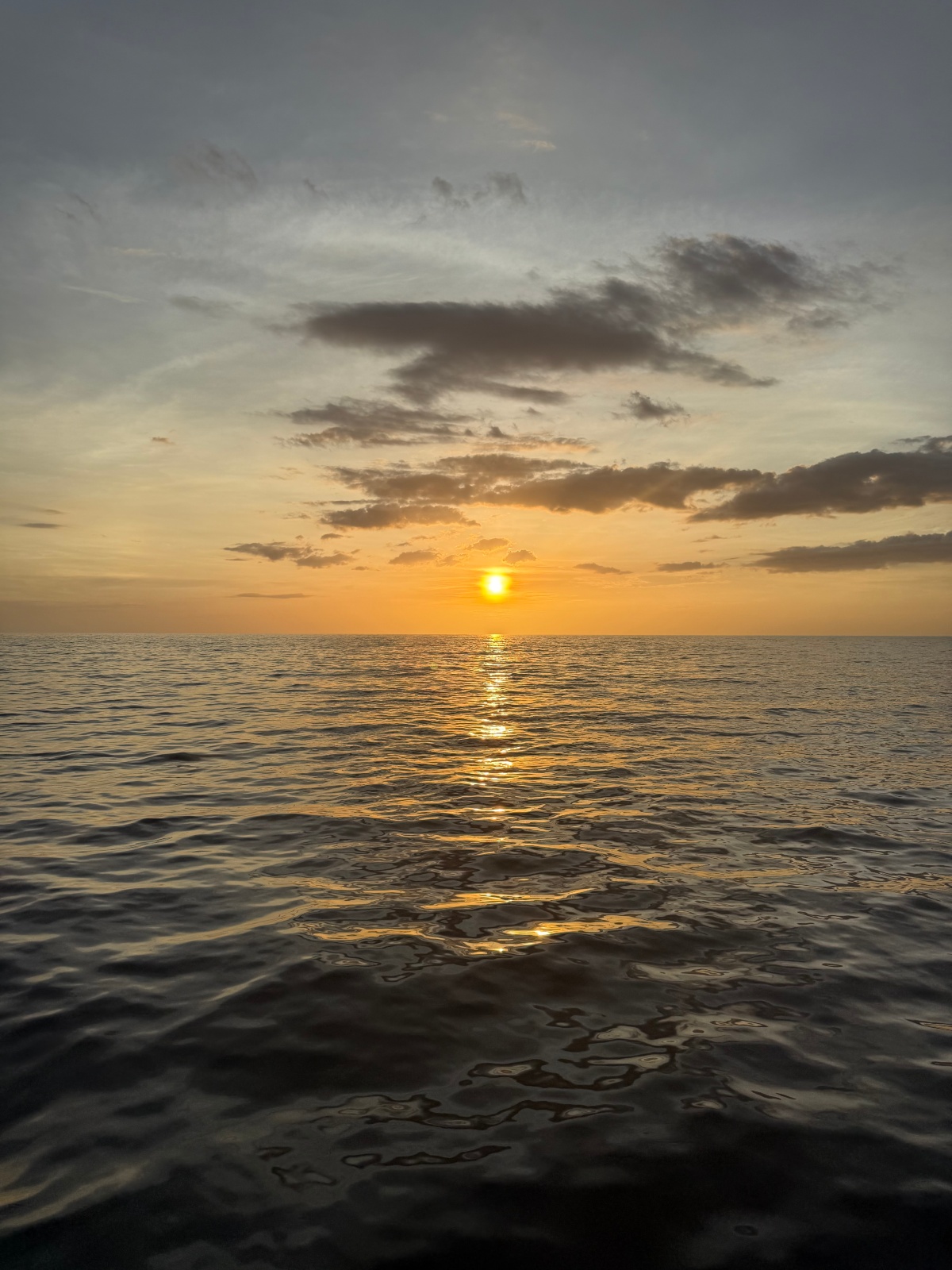
As the afternoon faded into evening, the sail back to the beach was our favorite part of the day. We glided slowly through the swells and more dolphins played alongside us as the sun dropped toward the horizon. The moment was so perfect we all watched in silence, not wanting to spoil it with chatter … pura vida, ocean-style.
TIP: There’s no official age minimum, but the crew suggests 10 as a rule of thumb. Kids as young as 8 may be able to join if they’re strong swimmers. Confirm life vest sizing when you book.
Relevant Links:
Browse all accommodations and activities in Costa Rica on Ciao Bambino
25 tips for visiting Costa Rica with kids
Best itinerary for a Costa Rica family vacation
3 authentic food & cultural experiences in Costa Rica for families
Costa Rica off the beaten path: Our best kept secrets
Photos by Lisa Frederick.
Editor’s note: This post was accurate when published. We advise checking independently for the latest information and updates.
Written By
By Lisa Frederick


 travel recommendations, inspiring adventures, and exclusive travel offers
"*" indicates required fields
Want to save all the great intel and tips you are finding on Ciao Bambino? My Trip Planner allows you to bookmark articles, family-friendly hotel reviews, and family vacation packages. Simply click the heart icon on anything you want to save. Site registration is required to get started. Happy planning!
Please fillout the form below to create your free My Trip Planner account.