 Back
Back







 FACEBOOK
 Pinterest
 Instagram

 FACEBOOK
Pinterest
Instagram
FACEBOOK
Pinterest
Instagram
Costa Rica doesn’t look that big on a map, which tricks people into thinking they can cover a lot of ground in a short time. But the mountainous spine bisecting the country creates distinctive regions that feel like separate destinations. There’s the sun-drenched northwest Pacific coast, the Caribbean side running on nearly the opposite weather calendar, a cloud forest at 4,500 feet and lowland rainforest still reachable only by boat. Distances that appear to be manageable take two or three times as long on the ground, and much of that time is spent on roads that don’t lend themselves to swift travel.
With all that in mind, the most useful question isn’t how long you have; it’s which two or three regions you pick and the way you sequence them. Here’s an overview of how the seven differ. Need help deciding on the Costa Rica itinerary that best suits your needs? Reach out to our CB Travel Advisor team — we’ll work with our on-the-ground Costa Rica partners to design a trip that ticks all your boxes.
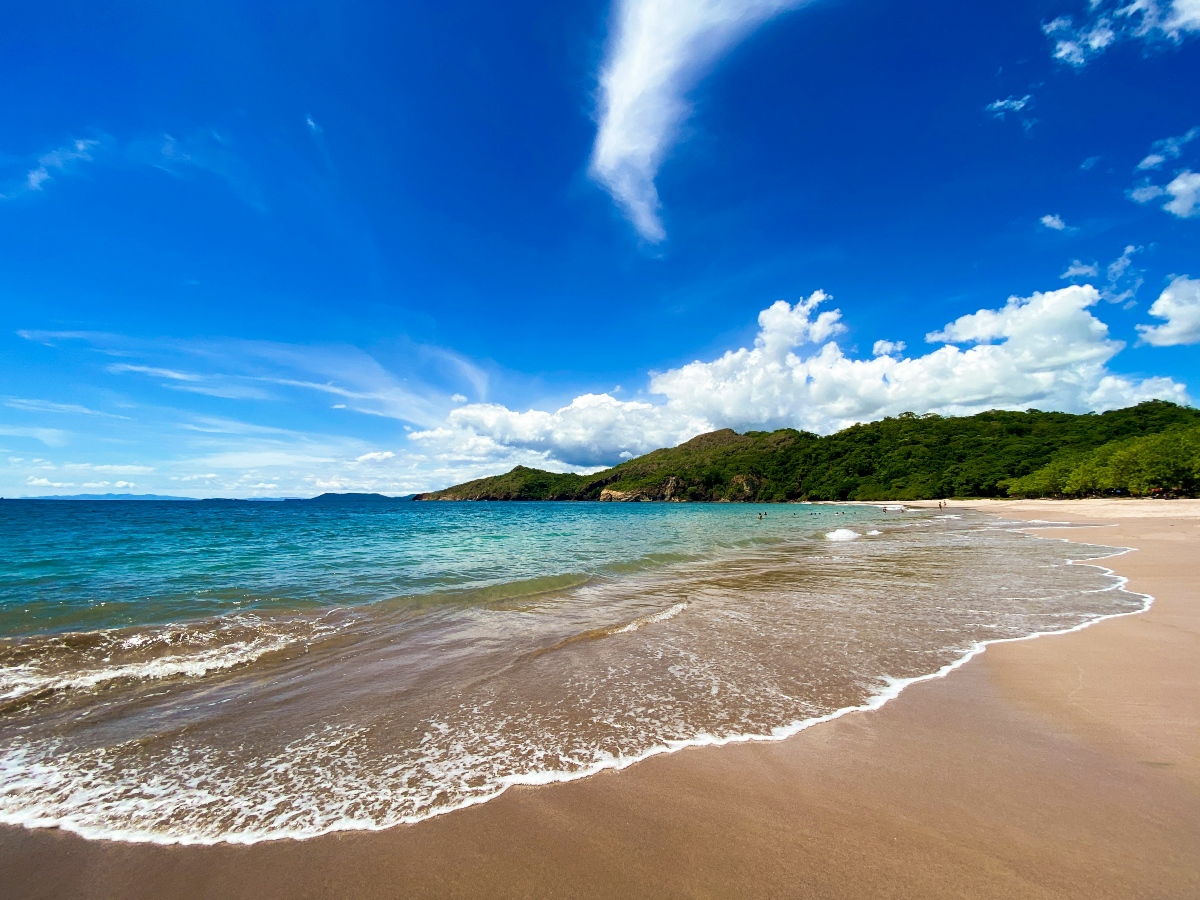
Guanacaste occupies Costa Rica’s northwest corner, where the Pacific coastline runs from the calm coves of Peninsula Papagayo to the surf breaks of Tamarindo and Nosara. Inland it turns to rolling ranchland and active volcanoes — Rincón de la Vieja among them — with a sabanero (cowboy) culture that gives the region its own character. Families can take beginner surf lessons on Tamarindo’s more forgiving breaks, take catamaran cruises out to look for dolphins or hike Rincón de la Vieja National Park to waterfalls, bubbling mud pots and natural hot springs. Wildlife rescue centers, horseback riding and calm beaches for swimming appeal to a wide range of ages.
Good to Know: Many Guanacaste resorts are within a 30- to 45-minute drive of Liberia airport (LIR), which counts for more than it sounds like if you’re dealing with antsy little ones, a car seat and/or a stroller. The tradeoff is the landscape: The same dry season that all but guarantees sunshine turns the hills brown by March, and shade on the beaches can be scarce.
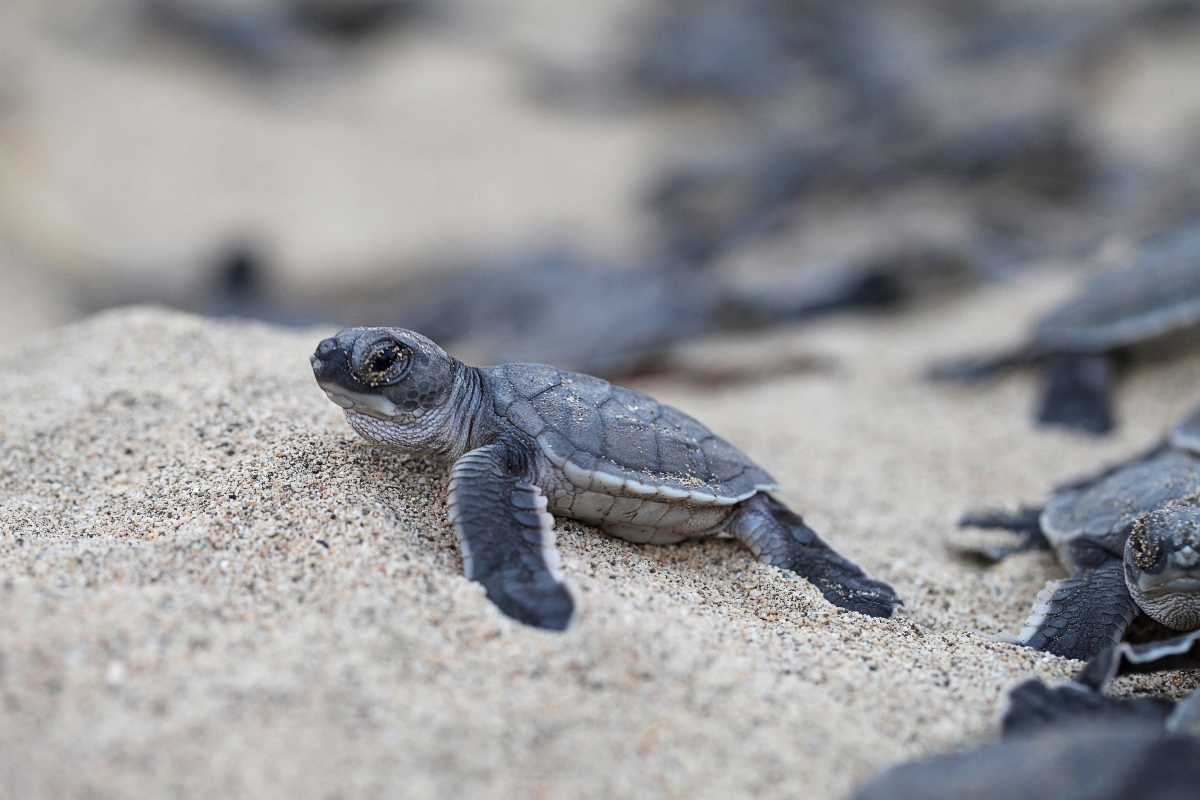
The Caribbean coast marches to a different beat: Afro-Caribbean and Bribri Indigenous culture; reggae; coconut-spiced Creole cooking. Puerto Viejo and Cahuita anchor a jungle-meets-sea stretch where black- and white-sand beaches sit beside some of the country’s richest wildlife. Farther north, the canals of Tortuguero form a roadless labyrinth reachable only by boat or small plane, as well as a nesting ground for sea turtles. This area is greener, wetter and less traveled than the Pacific side. Snorkel the coral reef at Cahuita National Park; spot sloths, monkeys and toucans along the coastal trails; or paddle Tortuguero’s canals at dawn looking for caimans and colorful birds. The relaxed beach towns lend themselves to bike rides, chocolate tours and afternoons splashing in the warm water.
Good to Know: Getting here is a commitment. Puerto Viejo is a 4-hour-plus drive from San José, and Tortuguero requires a boat transfer or a small plane with a strict luggage allowance. Green turtle nesting runs July through October, overlapping the September-October window when the Caribbean dries out just as the Pacific hits its wettest.
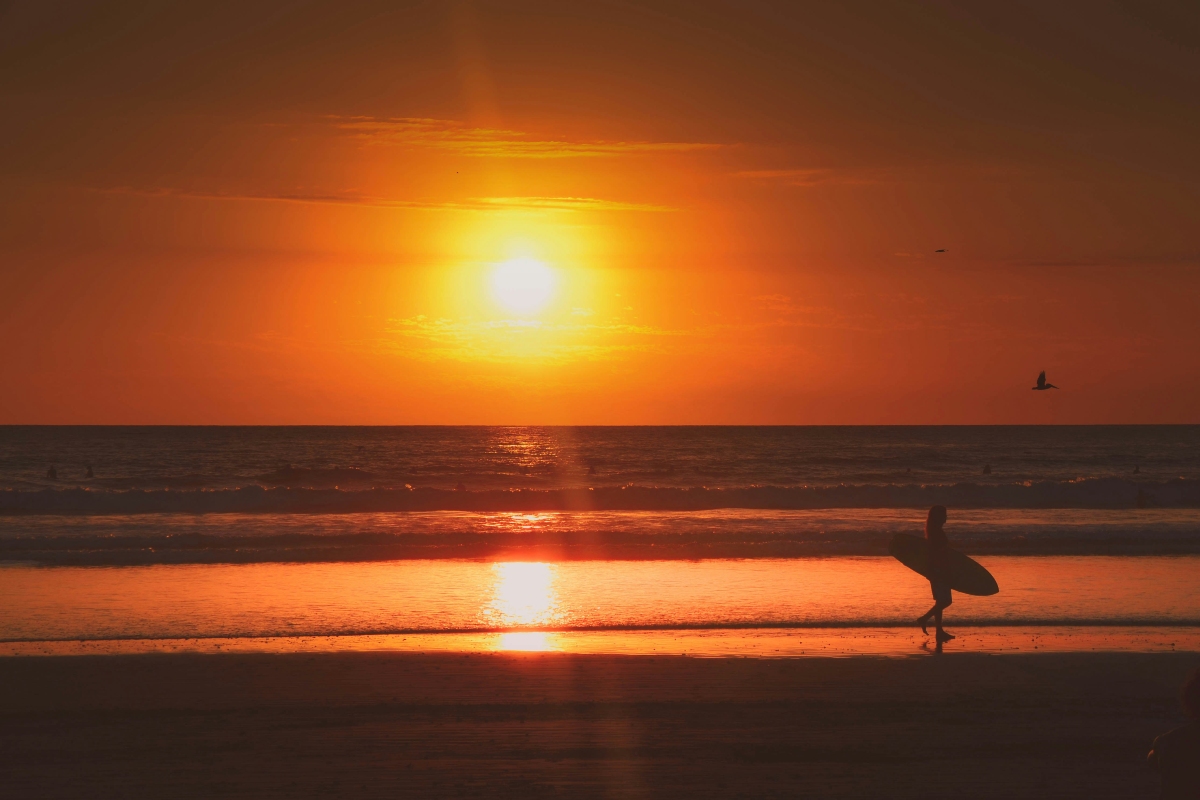
The Nicoya Peninsula is a rougher, quieter version of the coastline just north of it — Santa Teresa’s surf breaks, Montezuma’s waterfalls and long stretches of sand reached by dirt road rather than highway. It’s also one of the world’s designated Blue Zones, where an unusual number of residents live past 90, and the slow pace of local village life reflects it. It suits families who prefer simple pleasures like surf lessons, tidepooling, horseback rides on the beach and the hike to Montezuma’s waterfalls. Boat trips to nearby Isla Tortuga offer calm turquoise water for snorkeling and swimming, and there’s plenty of time for beach days without an agenda.
Good to Know: Getting to the Nicoya Peninsula depends on where you’re headed. Northern destinations such as Nosara and Sámara are easily accessible by road from Liberia, while reaching the southern peninsula typically involves taking the Puntarenas-Paquera ferry, driving around the Gulf of Nicoya or catching a short flight into Tambor. Some roads, particularly around the southern peninsula, remain unpaved or become challenging during the green season; a high-clearance or 4WD vehicle is a must. The payoff is access to quieter stretches of coastline and beaches that can feel wonderfully uncrowded.

Send us a quick inquiry, and we’ll pair you with an expert Travel Advisor who can handle all your trip details: a custom-designed itinerary, private guides and experiences, and vetted accommodations, often with valuable perks to pass along.
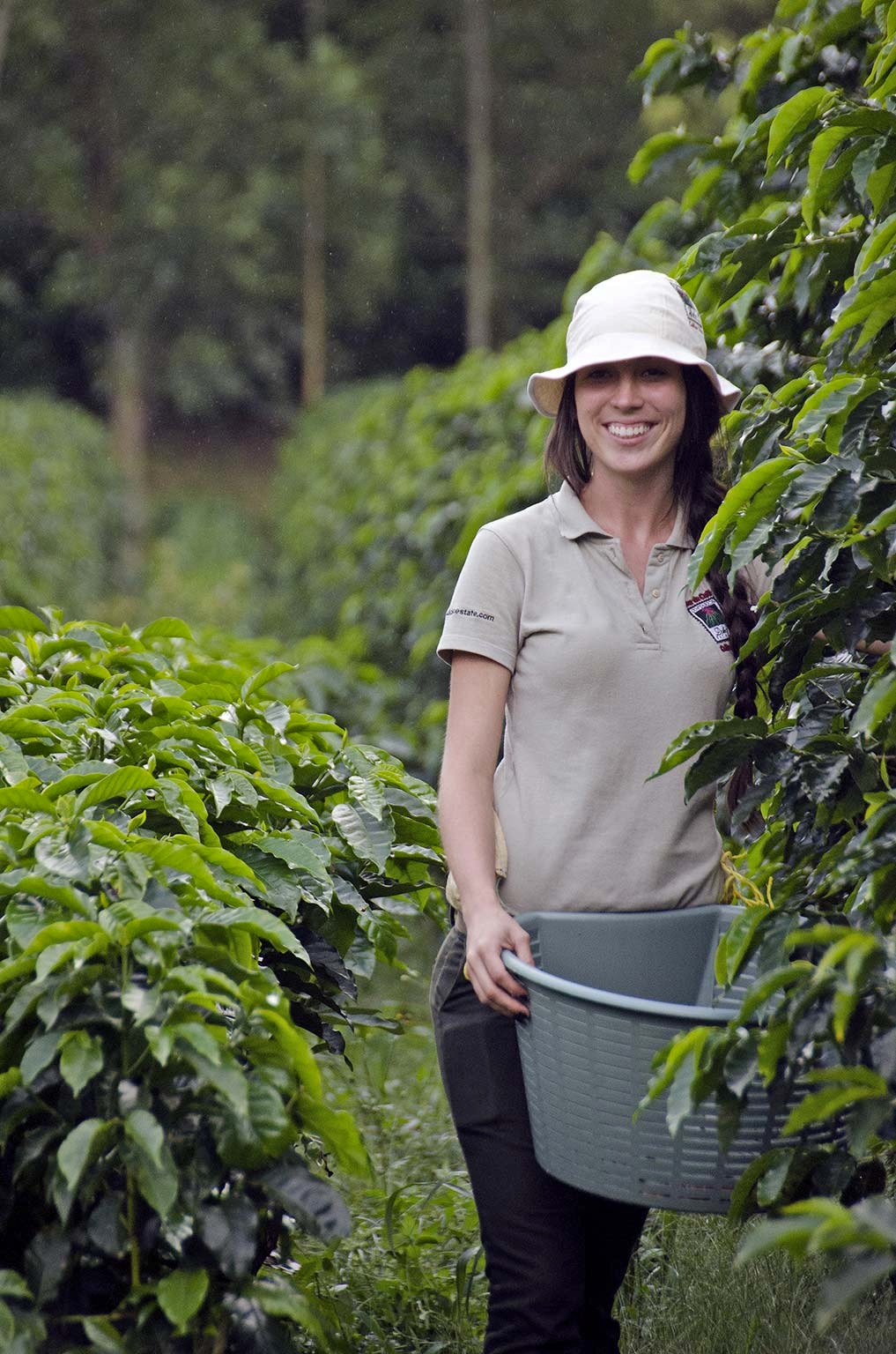
Cradled by mountains and volcanoes, the Central Valley is the country’s heartland, home to San José (the capital) and roughly two-thirds of Costa Rica’s population along with the main international airport. The region’s temperate, springlike climate has made it prime coffee country for generations, with plantations and small towns scattered across the surrounding highlands. Coffee farms run family-friendly tours where older children can follow the bean-to-cup process while younger ones feed hummingbirds in the gardens. Day trips to Poás or Irazú volcanoes and butterfly gardens can fill a day on either end of an international flight.
Good to Know: The Central Valley’s elevation does the work air conditioning does elsewhere. At elevations often exceeding 3,000 feet, the Central Valley enjoys a milder climate than the lowlands, with pleasantly warm days and cooler evenings … a relief after you’ve spent a week at sea level.
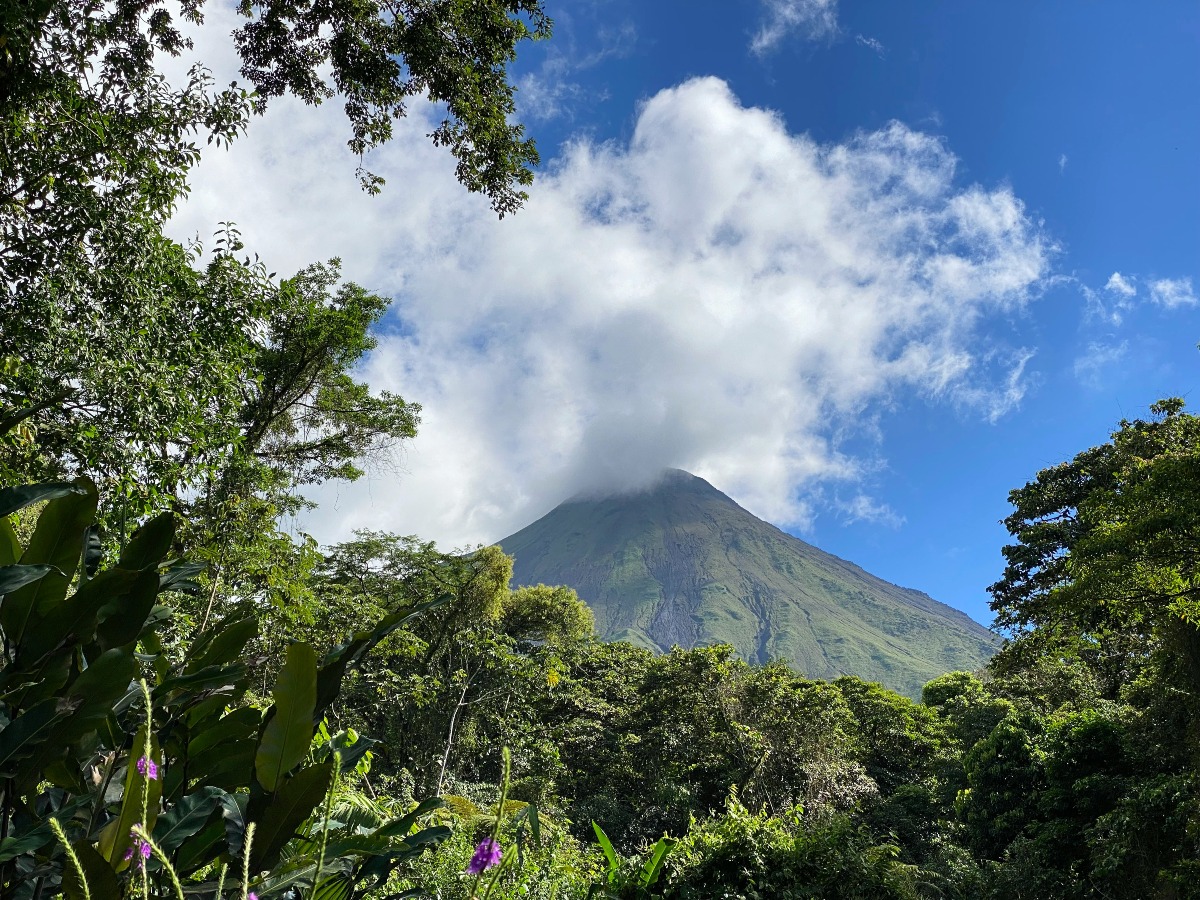
The Northern Region sweeps across the interior lowlands toward the Nicaraguan border, anchored by the cone of Arenal Volcano and the adventure hub of La Fortuna. It also holds Caño Negro’s wetlands and, along its western edge, the misty Monteverde cloud forest — the most concentrated stretch of nature and adrenaline in the country. Beyond the hot springs, families can bounce and sway along rainforest hanging bridges, float down the Peñas Blancas River with eyes peeled for monkeys and sloths, visit animal rescue centers or take guided night walks to see frogs and other nocturnal wildlife. Ziplining, canyoning and whitewater rafting are other must-dos here.
Good to Know: La Fortuna is accessible from both San José and Liberia airports, with transfers generally taking around three to four hours, depending on conditions. It’s also the most age-flexible region in the country: hot springs and hanging bridges suit young children; canyoneering and rafting work for teens; and both sit within a short drive of the same hotel. Know that the region is broader than it looks — Monteverde and La Fortuna work best as separate home bases rather than day trips from each other.
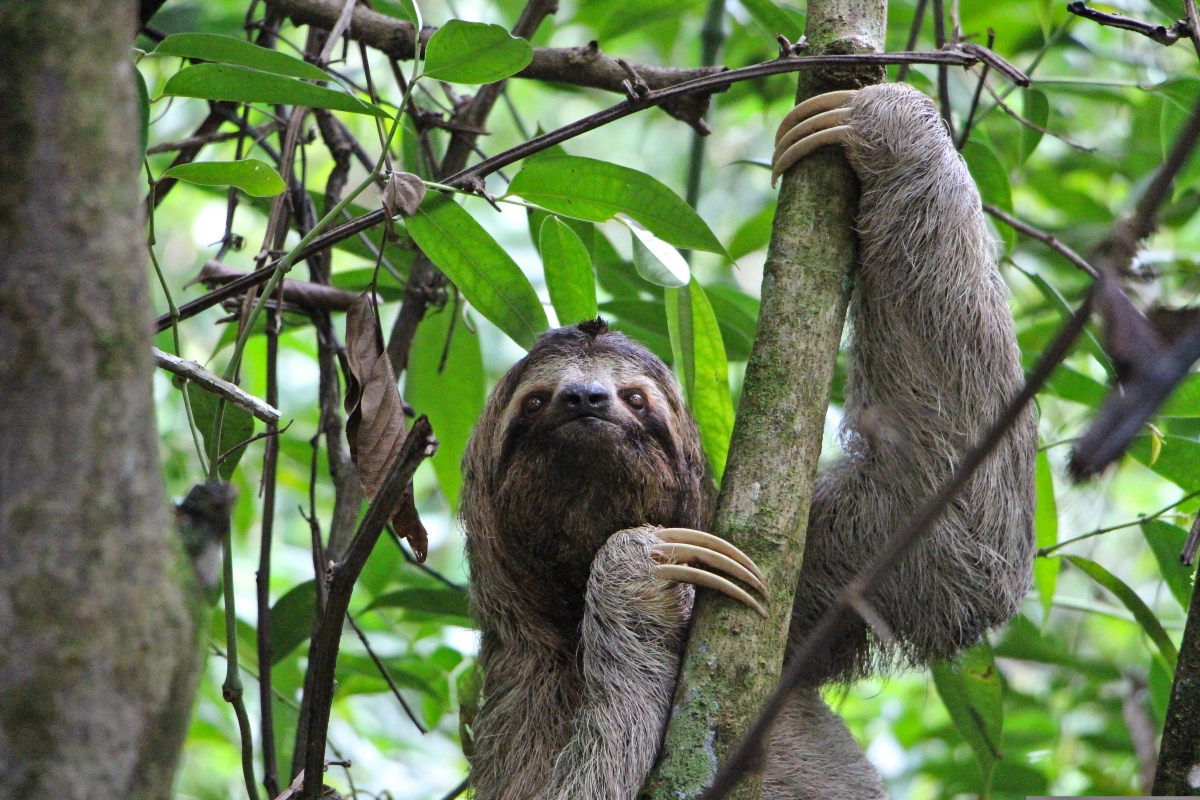
The Central Pacific packs a lot of variety into a short, accessible stretch of coast within easy reach of San José. Manuel Antonio pairs a compact, wildlife-rich national park with palm-fringed beaches where monkeys and sloths turn up along the shoreline. Nearby Jacó has surf and lively nightlife. For a first visit or a shorter itinerary, it’s one of the most accessible introductions to Costa Rica’s wildlife and beaches. This is one of the best places in Costa Rica to see wildlife without going deep into the rainforest — on a guided walk through Manuel Antonio National Park, you’re likely to encounter sloths, monkeys, iguanas and colorful birds. Beginner surf lessons, mangrove kayak tours and sunset catamaran cruises round out easy-breezy family days.
Good to Know: Manuel Antonio is about 3 hours from San José via predominantly paved roads, one reason the region works so well for short trips. The flip side is that you’ll have lots of company: The national park caps daily entry and requires tickets in advance, and the town itself is busier and more developed than anywhere else on this list.
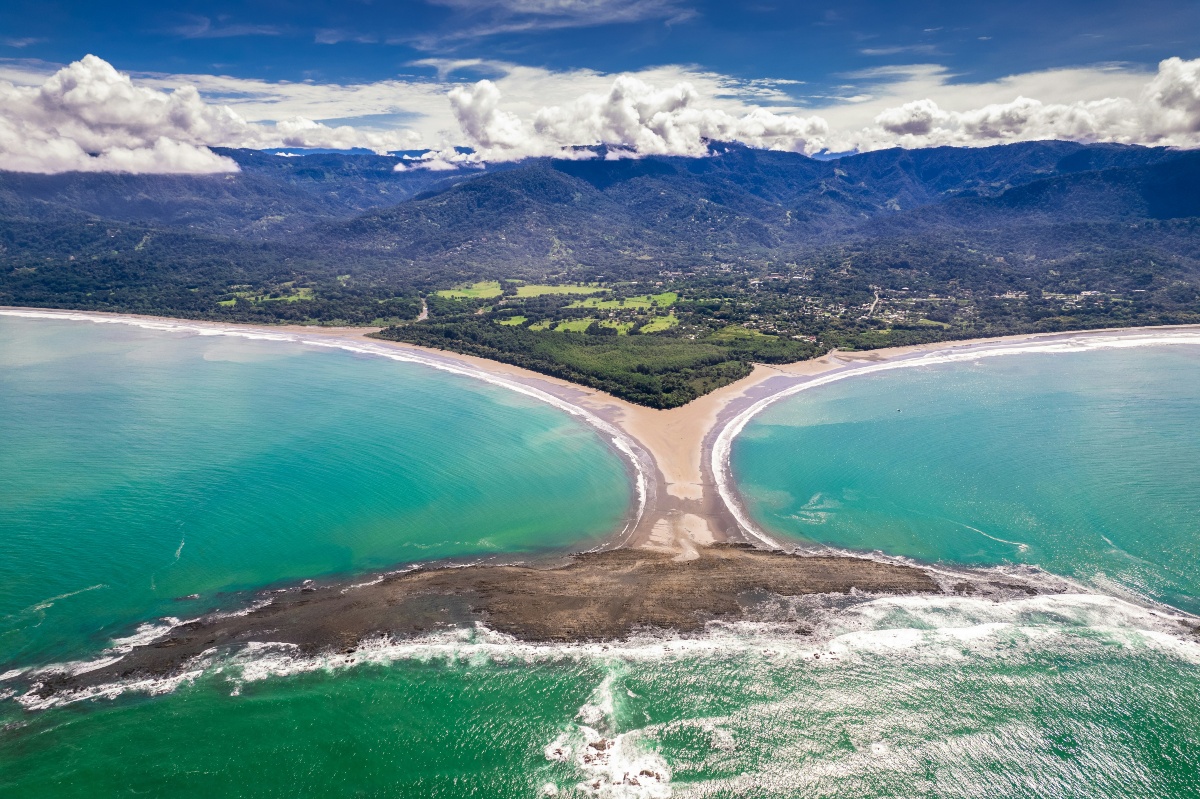
The South Pacific is Costa Rica’s remote end, growing lusher, hotter and less traveled the farther south you go. The Osa Peninsula and Corcovado National Park hold some of the most biodiverse rainforest on the planet, a draw for serious naturalists. The Whale’s Tail sandbar at Marino Ballena, the mountain vistas of the Talamanca range and off-grid eco-lodges define a region built for depth and immersion rather than convenience. Families with older children can join guided hikes through Corcovado National Park in search of tapirs, scarlet macaws and all four of Costa Rica’s monkey species, or take boat excursions for seasonal whale watching and dolphin spotting. Many eco-lodges also run naturalist-led walks, kayaking and wildlife viewing from the property, so you don’t need a long transfer to the rainforest each morning.
Good to Know: Corcovado mandates advance reservations, and guides are mandatory on certain routes. You’ll want to explore with an experienced naturalist who can help you spot wildlife and navigate the rainforest safely. Most Osa lodges require a boat, a small plane or a long and unpaved drive to reach — this is a region you need to commit to. It rewards kids old enough to walk several miles in heat and hold still in the presence of wildlife; younger children may do better at a lodge with a pool and shorter trails on the property.
Relevant Links:
Browse all accommodations and activities in Costa Rica on Ciao Bambino
Best itinerary for a Costa Rica family vacation
25 tips for visiting Costa Rica with kids
4 standout nature & wildlife experiences in Costa Rica for families
3 authentic food & cultural experiences in Costa Rica for families
Arenal: An introduction to Costa Rica’s rainforest with kids
Editor’s note: This post was accurate when published. We advise checking independently for the latest information and updates. Ciao Bambino does not accept responsibility or liability for any errors or omissions in, or for any actions taken based on, the information presented.

Written By
By Lisa Frederick


 travel recommendations, inspiring adventures, and exclusive travel offers
"*" indicates required fields
Want to save all the great intel and tips you are finding on Ciao Bambino? My Trip Planner allows you to bookmark articles, family-friendly hotel reviews, and family vacation packages. Simply click the heart icon on anything you want to save. Site registration is required to get started. Happy planning!
Please fillout the form below to create your free My Trip Planner account.