 Back
Back







 FACEBOOK
 Pinterest
 Instagram

 FACEBOOK
Pinterest
Instagram
FACEBOOK
Pinterest
Instagram
More than likely, Poland isn’t front of mind for your family travel plans — not yet, that is. With medieval and wartime history, kid‑friendly culture baked into everyday life and a price point that feels almost retro compared to many European destinations, Poland humbly delivers big‑ticket experiences without the big‑ticket bill.
Ciao Bambino Travel Advisor Loren Braunohler and her family lived in Poland for three years. They traveled to nearly every corner of the country, making incredible memories together in overlooked places. With on-the-ground knowledge of Poland’s highlights, Loren shares a surprisingly long list of reasons to consider this underrated destination for your family’s next trip.
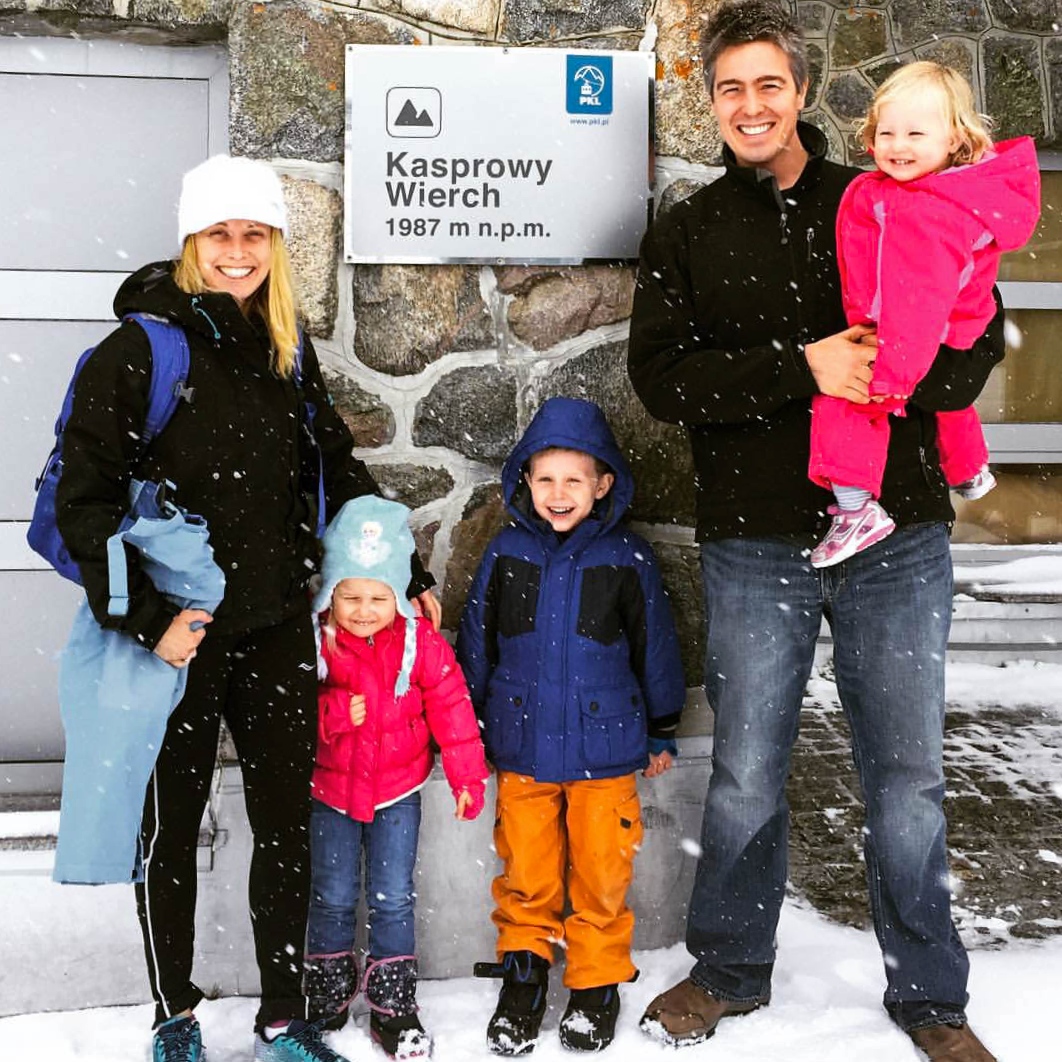
LB: I think a big part of it is geography and name recognition. People know Prague, Vienna, Budapest — those are the cities you see all over Instagram and guidebooks. Southern Poland is right there next to them, but it just doesn’t get talked about in the same way. Families default to the “headline” cities and skip right past Poland, which is a shame because it’s exactly that — being a bit off the typical tourist trail — that makes Poland feel so special when you’re there.
LB: For me, it’s a mix of three things: affordability, variety and how lived‑in it feels. Compared with Western Europe, Poland is significantly more affordable, from skiing lessons for your kids in the Tatra Mountains to eating out with the whole family. But it’s not just about cost. You get this incredible variety of landscapes and experiences packed into one country:
You’ve got it all, without the feeling that you’re elbow‑to‑elbow with tourists all the time.
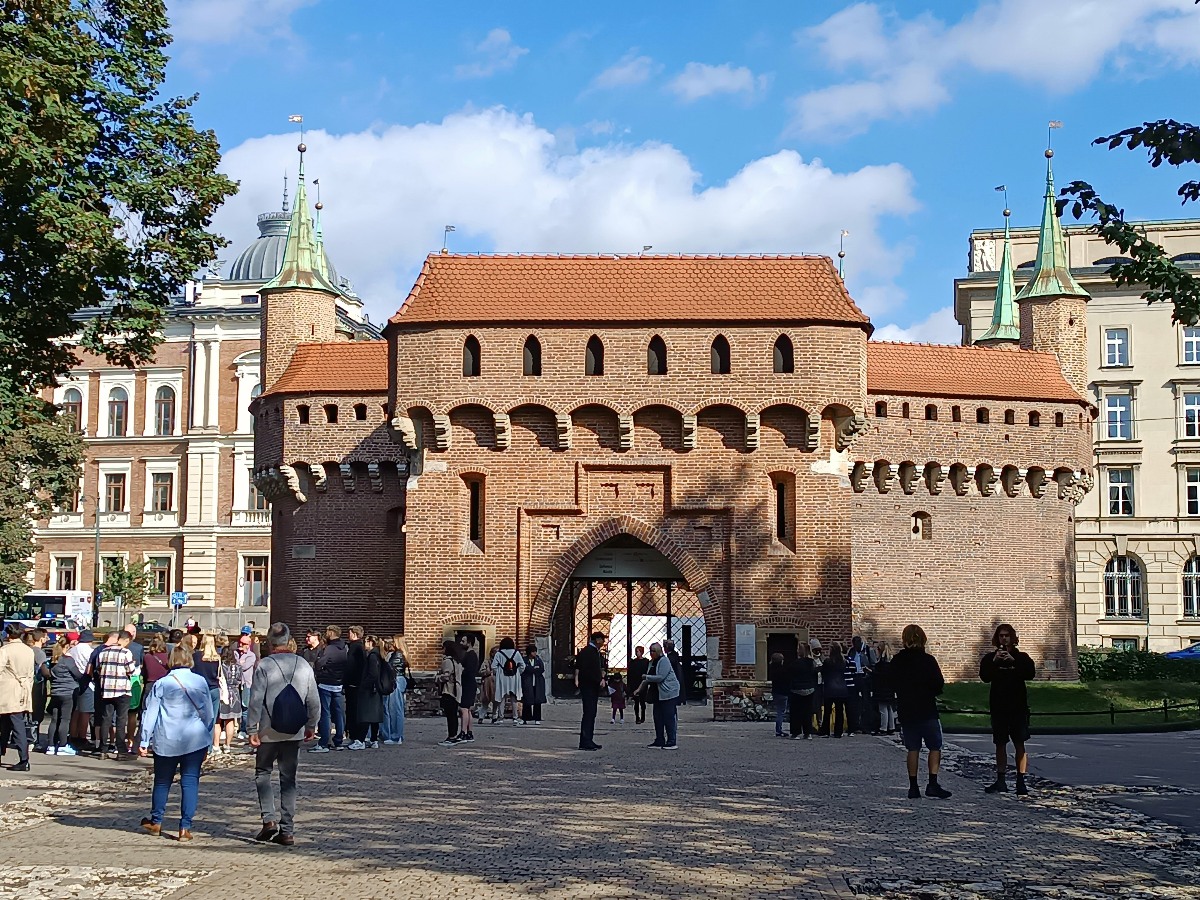
LB: Kraków is compact, walkable and just layered with history in a way that kids can see and feel. One of the things that makes Kraków unique is that its medieval core was never destroyed. Warsaw suffered huge destruction in World War II and was rebuilt afterwards. Kraków, by contrast, still has its historic fabric. You have this enormous medieval town square, often cited as one of the largest in Europe, and it’s intact.
Where the old city walls once stood, there’s now the Planty, a ring of parkland that wraps around the old town. It’s pedestrian- and bike‑only, a green loop you can stroll or cycle with kids, dotted with playground‑adjacent cafés and shaded benches. You can still see the old Barbican gate and imagine where the city walls once were.
Then you step into the market square, and it feels almost like a village masquerading as a city. On the hour, every hour, a bugler climbs the church tower and plays a trumpet call in all four directions, stopping abruptly mid‑note — a tradition tied to a legendary watchman who was shot while sounding the alarm. For kids, that sort of ritual is magic.
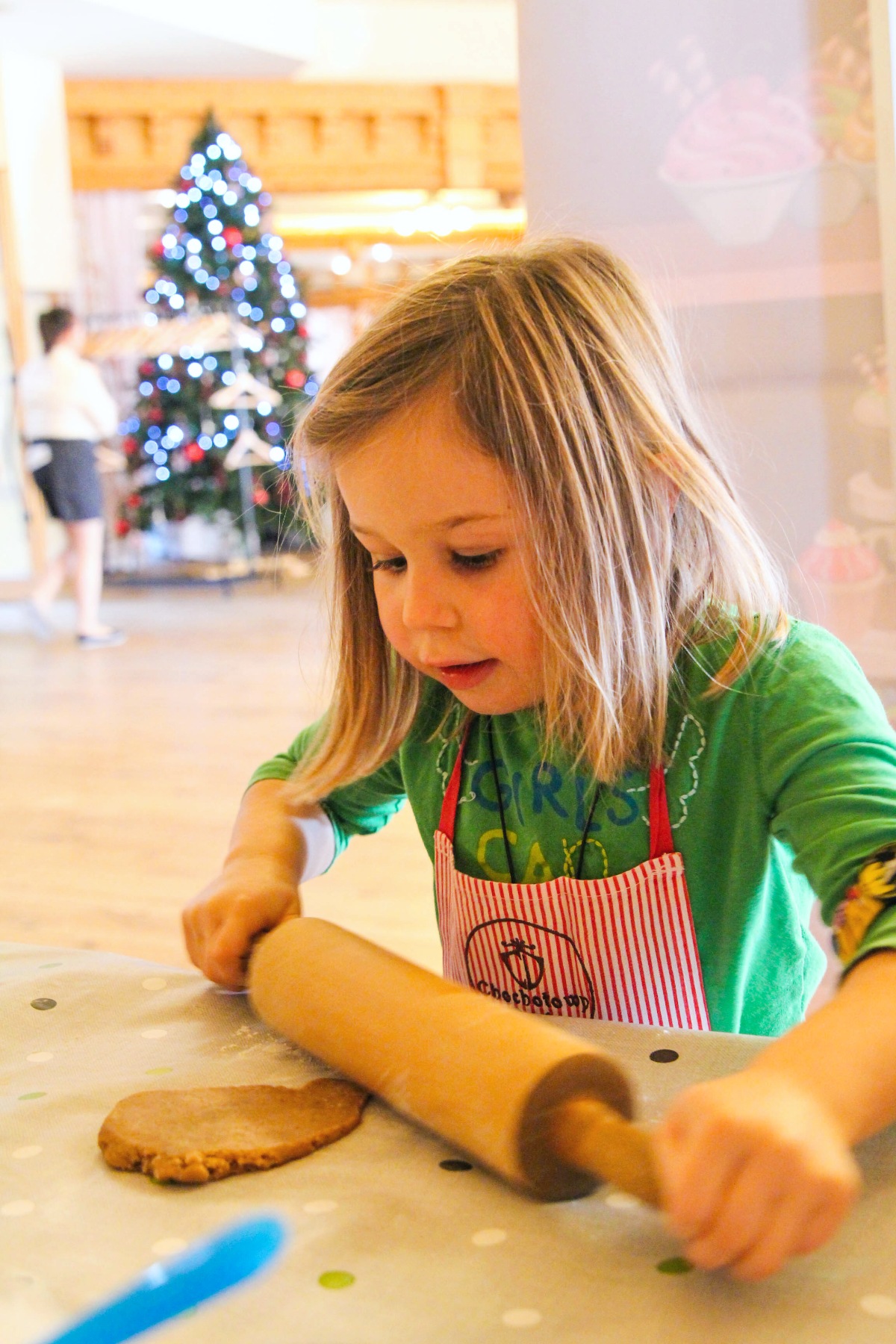
LB: Honestly, this is where Poland absolutely shines and why I recommend it so strongly for families. Restaurants are set up with kids in mind in a way I wish we saw more of in the U.S. In many places you’ll find a dedicated kids’ corner or room with toys and activities. On weekends or evenings, there’s often a staff member whose job it is to entertain the kids — not quite a babysitter, but someone playing games, doing crafts, keeping them happy. Parents can actually sit, have a glass of wine and finish a conversation while the kids bounce between the table and the play area or playground. In warmer months, it’s common for restaurants to have outdoor play spaces, so kids are running in and out while you linger over dinner.
In the town squares, you’ll see people doing giant bubbles with bubble nets, kids eating Polish lody (ice cream) and families just being outside. It feels low‑key, social and safe. Culturally, there’s a strong emphasis on being outdoors as a family. Kids are used to walking, hiking and spending time in parks. It’s a great antidote to screen‑heavy, hyper‑stimulating city trips.
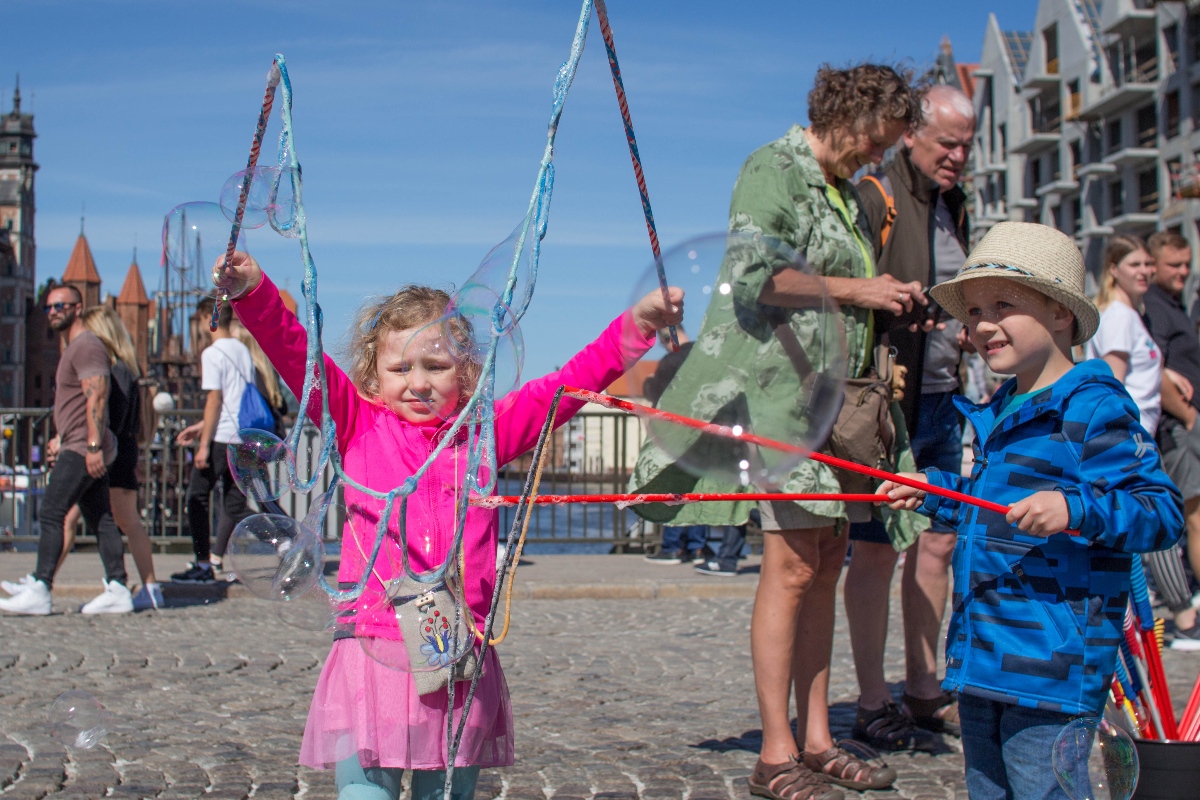
LB: I joke that Poland feels “beautifully back in time” in the best possible way. You absolutely have the conveniences of the 21st century — great restaurants, good coffee, decent Wifi — but the everyday atmosphere is less screen‑saturated and in‑your‑face than in, say, London or New York. For parents who want a trip where kids naturally look up and engage with the world around them, Poland lends itself to that slower, more grounded rhythm.
Send us a quick inquiry, and we’ll pair you with an expert Travel Advisor who can handle all your trip details: a custom-designed itinerary, private guides and experiences, and vetted accommodations, often with valuable perks to pass along.
LB: Logistically, Poland is much easier to navigate than many people expect. Cities like Warsaw and Kraków have excellent trams and buses, and the train network between major cities is straightforward. You can even book family compartments on some trains, which is great if you’re traveling with younger kids and want your own space.
Highways and roads are generally in very good condition, so self‑drive trips are very doable. From southern Poland, especially the Kraków area, you could drive to Prague, Vienna, Budapest, even Berlin. Families doing a two‑week summer or Christmas trip can very reasonably include Kraków plus one or two of those “classic” cities.
In our personal experience Poland felt very safe, especially with kids. The combination of walkability, public spaces and family‑centric culture goes a long way.
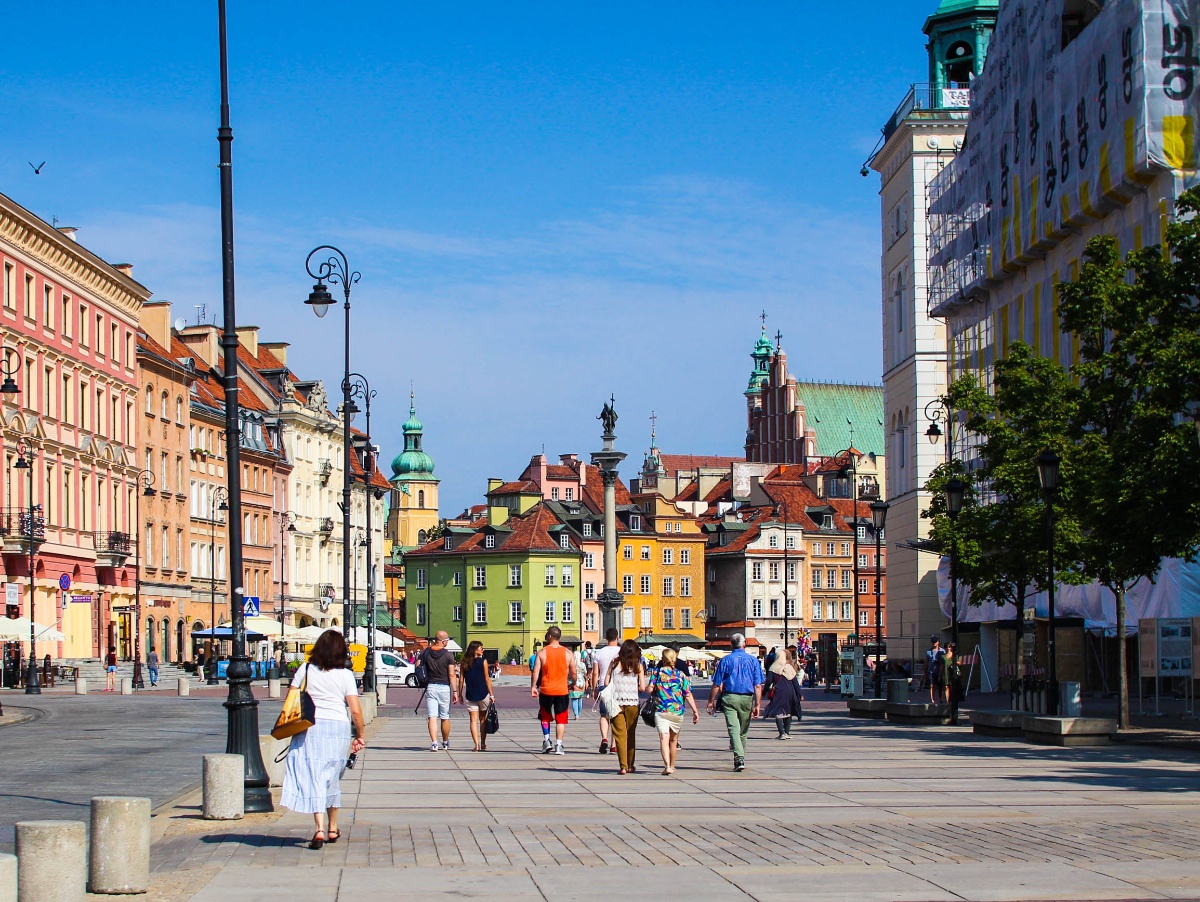
LB: If you’ve got about a week, I’d structure it along these lines:
Start in Warsaw (2 to 3 nights)
Take the train to Kraków (3 to 4 nights)
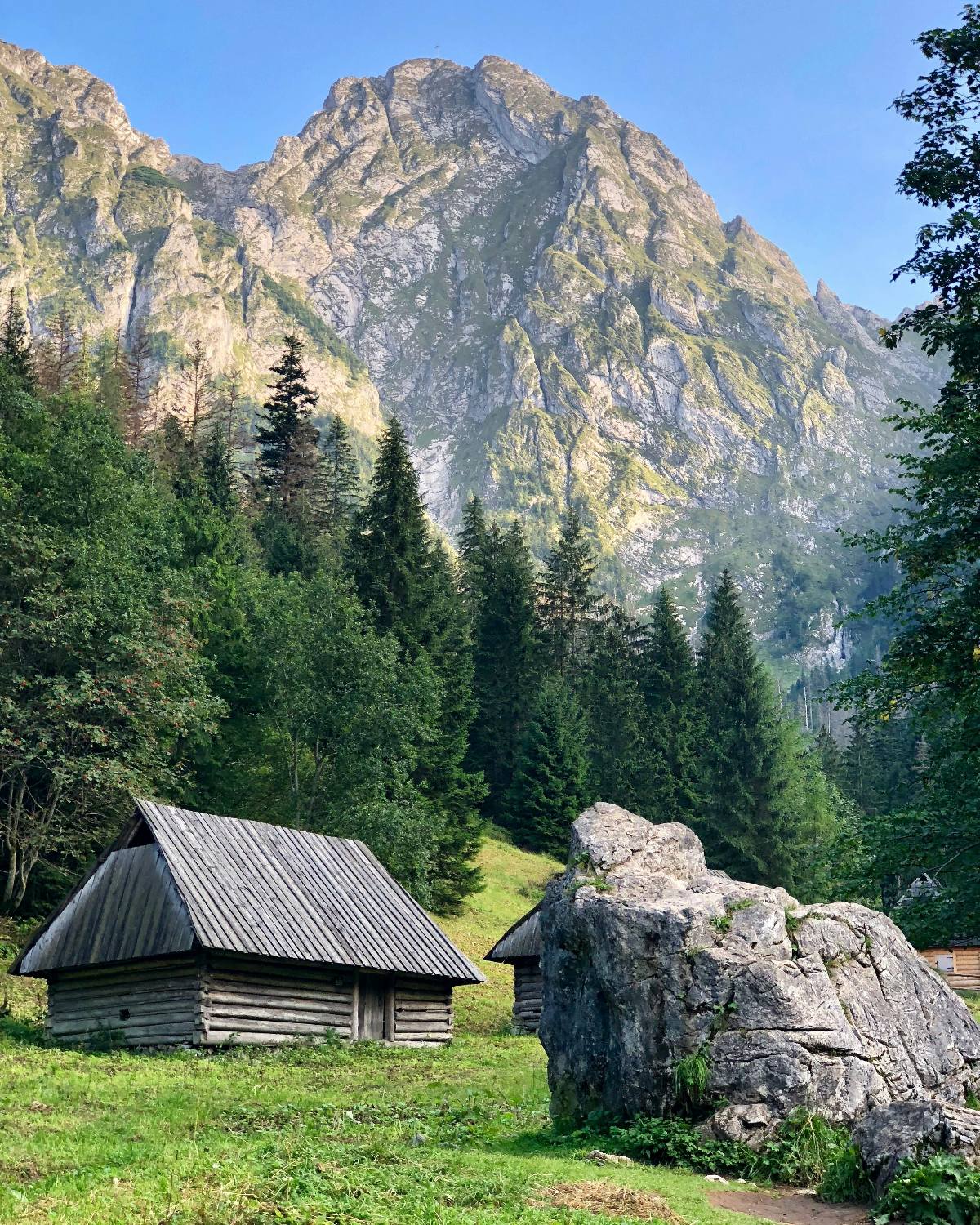
If you can stretch the trip, I would add Zakopane and the Tatra Mountains (2 to 3 nights). It’s a charming mountain town with a funicular, cobblestone streets and strong highland culture, including traditional dress and chalet-style restaurants. In winter, it’s amazing for family‑friendly skiing; in summer, the hut‑to‑hut hikes and views are stunning.
I’d also recommend a jaunt to the Baltic Coast if you have the extra time. Up north, Gdańsk and the Hel Peninsula make for a memorable coastal add‑on, especially in summer. You can arrive by ferry for a fun sea approach to the city.
LB: The Easter and Christmas markets in Kraków and other cities are wonderful. You’ll find Polish pottery, wooden toys and handmade crafts, alongside seasonal treats. Letting your kids run in the main squares, chase bubbles, eat lody, watch street performers — that may sound small, but those are often the moments families remember most.
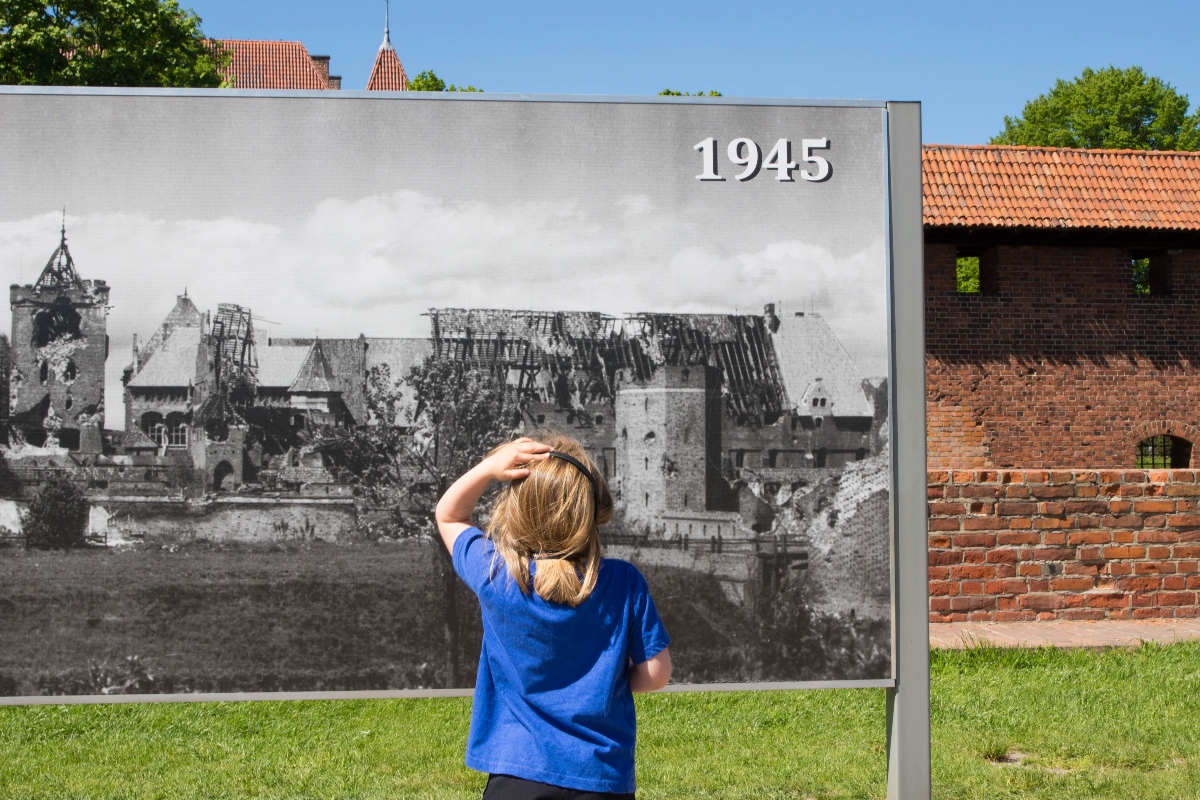
LB: I think Poland works beautifully for babies through tweens. The kid‑friendly restaurant culture, parks and relatively gentle pace make it easy for travel with very young children. Elementary‑age kids are the sweet spot — they’re old enough to appreciate the castles, dragons, salt mines and train travel. There’s a lot of hands‑on, story‑driven history that really lands at this age.
Where I’m less certain is with older teens who are very adrenaline‑driven. If they’re into history, culture, food and exploring cities, Poland can absolutely hold their interest. If they want constant extreme sports, it’s not going to feel like Costa Rica or Alaska. You do have hiking and skiing in the Tatras and activities on the lakes (especially if you include areas like the Masurian Lake District), but it’s not a nonstop adventure playground.
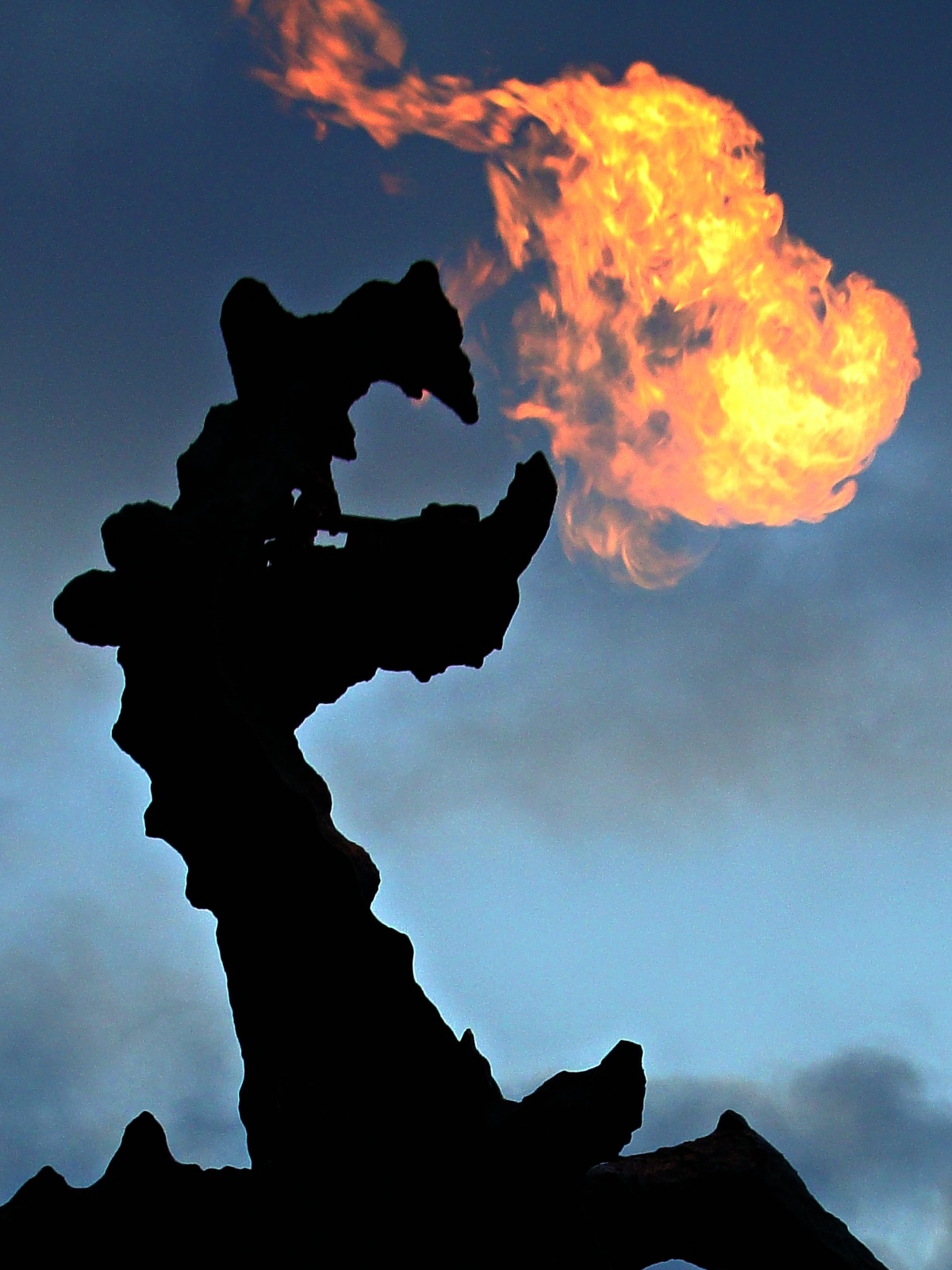
LB: Its relative affordability is one of Poland’s strongest selling points. A lot of family travel in Western Europe, especially in peak season, comes with serious sticker shock. In Poland, you feel your money stretch in a tangible way.
A family of four can eat a hearty sit‑down dinner — potatoes, meat, pierogi, maybe a glass of wine for the adults — for noticeably less than in Italy or France (often in the ballpark of what you might pay for a single entrée in London or Paris). Things like ski lessons for kids in the Tatra Mountains are far more affordable than the Swiss Alps or U.S. mountain resorts.
While Kraków and Warsaw don’t yet have the same density of ultra‑luxury, kid‑oriented hotels as, say, Paris, you can find charming boutique options and comfortable apartments that don’t break the bank. Overall, it’s a place where you can say “yes” more often — to that extra excursion, another museum or upgrading your room — without feeling like the numbers are spiraling.
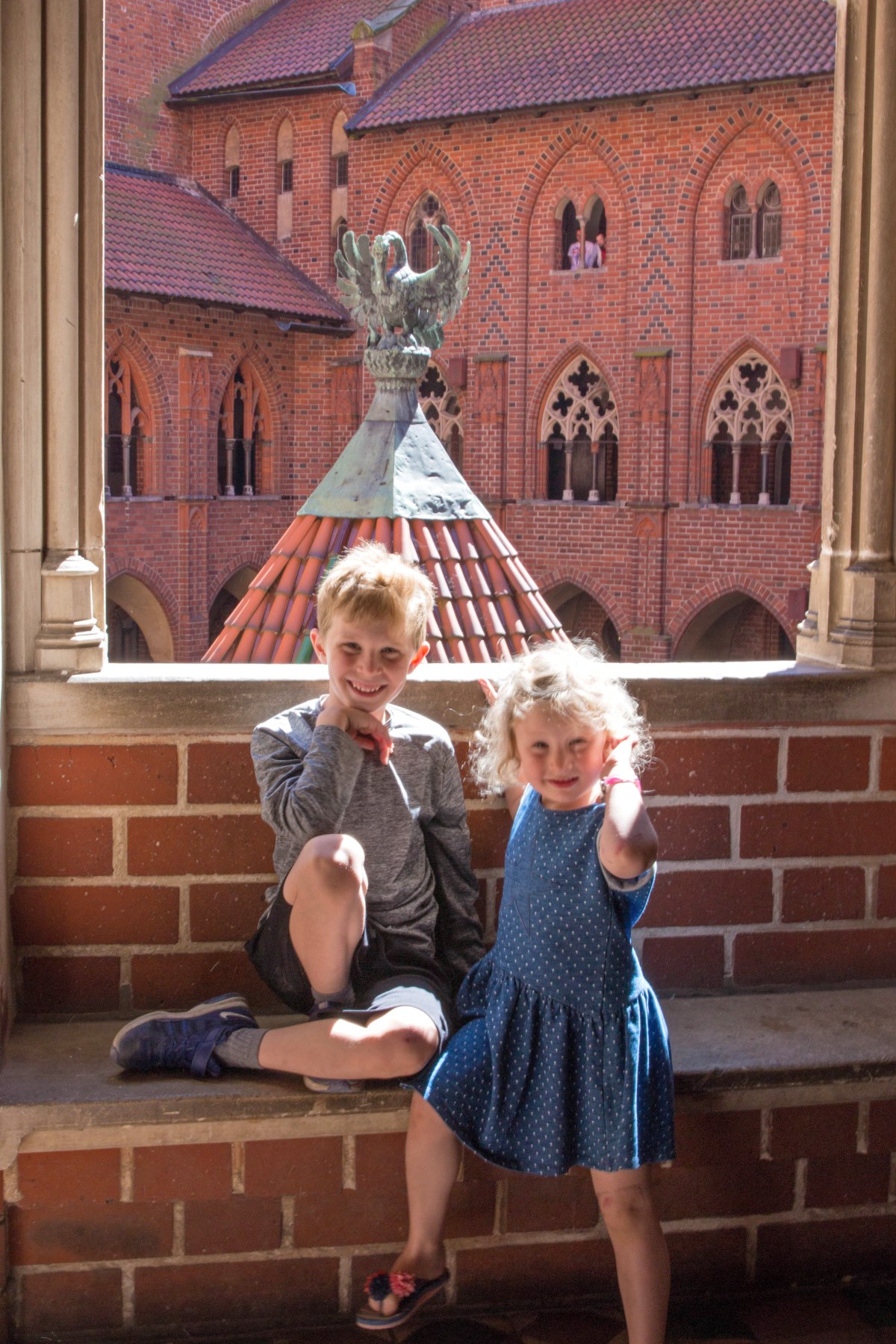
LB: It’s a way to deepen your European experience rather than just repeating the greatest hits. If you’ve already done London, Paris, maybe Rome, Poland offers your family the chance to experience Central Europe with fewer crowds and lower prices. It also introduces kids to a different chapter of European history, one that includes resilience, rebuilding and everyday traditions that survived alongside major upheavals. For families who want something that feels new and a little unexpected, but still easy, safe and comfortable, Poland is an incredible next chapter.
Relevant Links:
Browse all destinations and accommodations in Poland on Ciao Bambino
The ultimate Poland road (or train) trip itinerary with kids
10 surprising places to take toddlers on a family vacation
12 best Christmas markets in Europe with kids
Photos by Loren Braunohler except where noted.
Editor’s note: This post was accurate when published. We advise checking independently for the latest information and updates. Ciao Bambino does not accept responsibility or liability for any errors or omissions in, or for any actions taken based on, the information presented.


 travel recommendations, inspiring adventures, and exclusive travel offers
"*" indicates required fields
Want to save all the great intel and tips you are finding on Ciao Bambino? My Trip Planner allows you to bookmark articles, family-friendly hotel reviews, and family vacation packages. Simply click the heart icon on anything you want to save. Site registration is required to get started. Happy planning!
Please fillout the form below to create your free My Trip Planner account.