 Back
Back







 FACEBOOK
 Pinterest
 Instagram

 FACEBOOK
Pinterest
Instagram
FACEBOOK
Pinterest
Instagram
Just southeast of India, the island of Sri Lanka (formerly Ceylon) packs ancient temples and UNESCO sites, verdant mountains and the rolling hills of tea country into a relatively small footprint. Add wildlife safaris, beautiful beaches, colonial towns such as Galle and deeply rooted Buddhist culture, and it’s a fantastic destination for families as well as adults-only trips.
We turned to Ciao Bambino Senior Travel Advisor Lynda Zuber, who recently explored Sri Lanka for the first time, to get the full scoop.
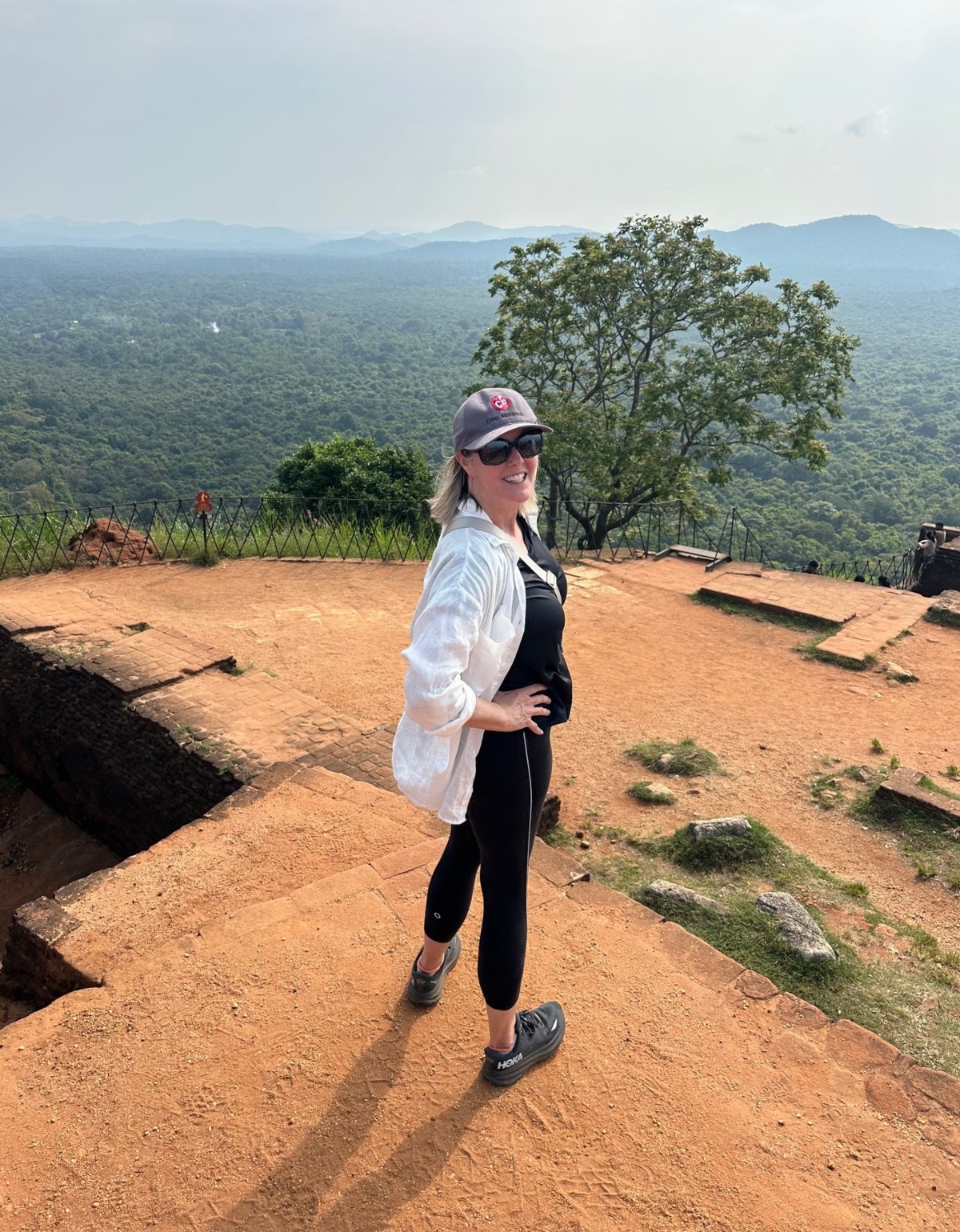
Lynda Zuber: Sri Lanka is the rare island destination that offers endless variety in a compact country. It strikes a balance between the kind embrace of its people and the exotic adventures of the land. In addition to families, Sri Lanka is for couples, honeymooners, friend groups and solo travelers. There is truly something for everyone.
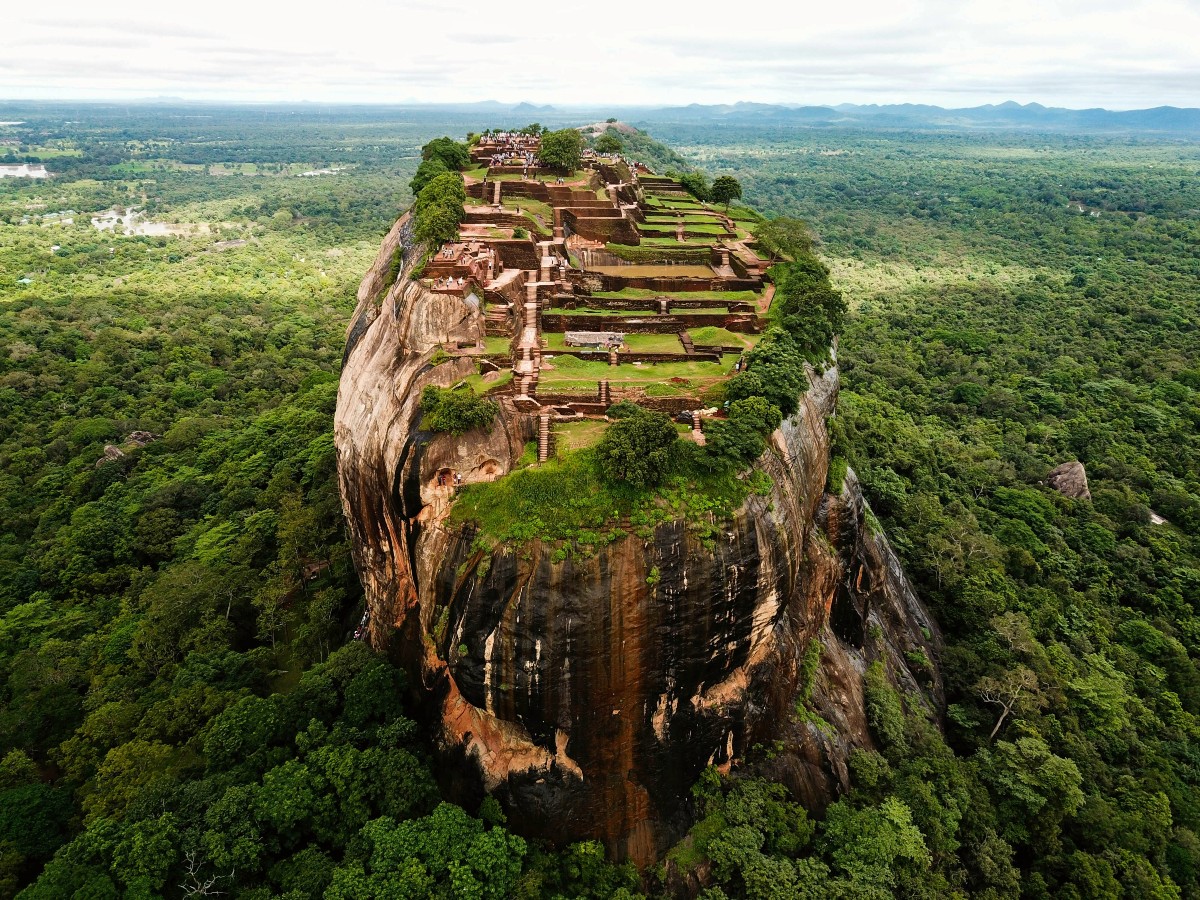
LZ: It depends if they’re feeling like archaeologists, explorers, safari expeditionists or beach bums. They can hike the 1,200 steps of Sigiriya (“lion’s rock”), an ancient palace and fortress built entirely atop a 600-foot-tall volcanic rock monolith. Or, for an easier experience, they can walk or bike through ancient ruins. There are varied landscapes of rice paddies, jungle, mountains, tea plantations, beaches and historic towns to visit, along with kayak, boat and seaplane excursions. They can track elephants, monkeys and even leopards on safari. It really comes down to individual interests and imagination.
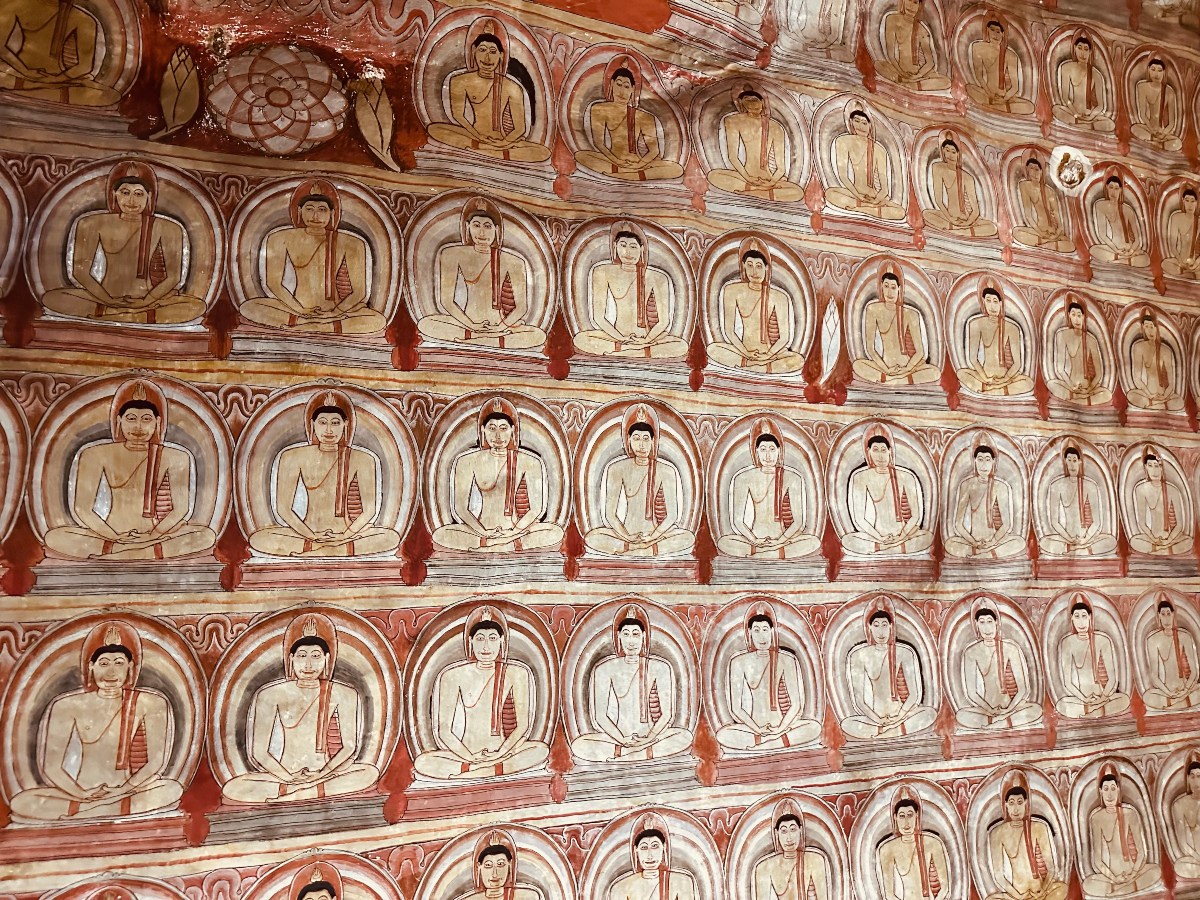
LZ: My Sri Lanka journey started near the coast and moved inland to the Cultural Triangle [a dense concentration of ancient royal capitals and Buddhist sites in the central and north-central plains]. There, I climbed Sigiriya and afterward visited the wellness-focused mountain area near Kandy, explored tea country in Hatton, went on safari in Yala and ended at the beach and the colonial city of Galle.
While it takes time to get there, Sri Lanka is a great launch pad for combining other destinations in the region. It pairs beautifully with the Maldives for a relaxing beach extension or with India for a deeper cultural journey, making it an ideal starting point for a more expansive trip.
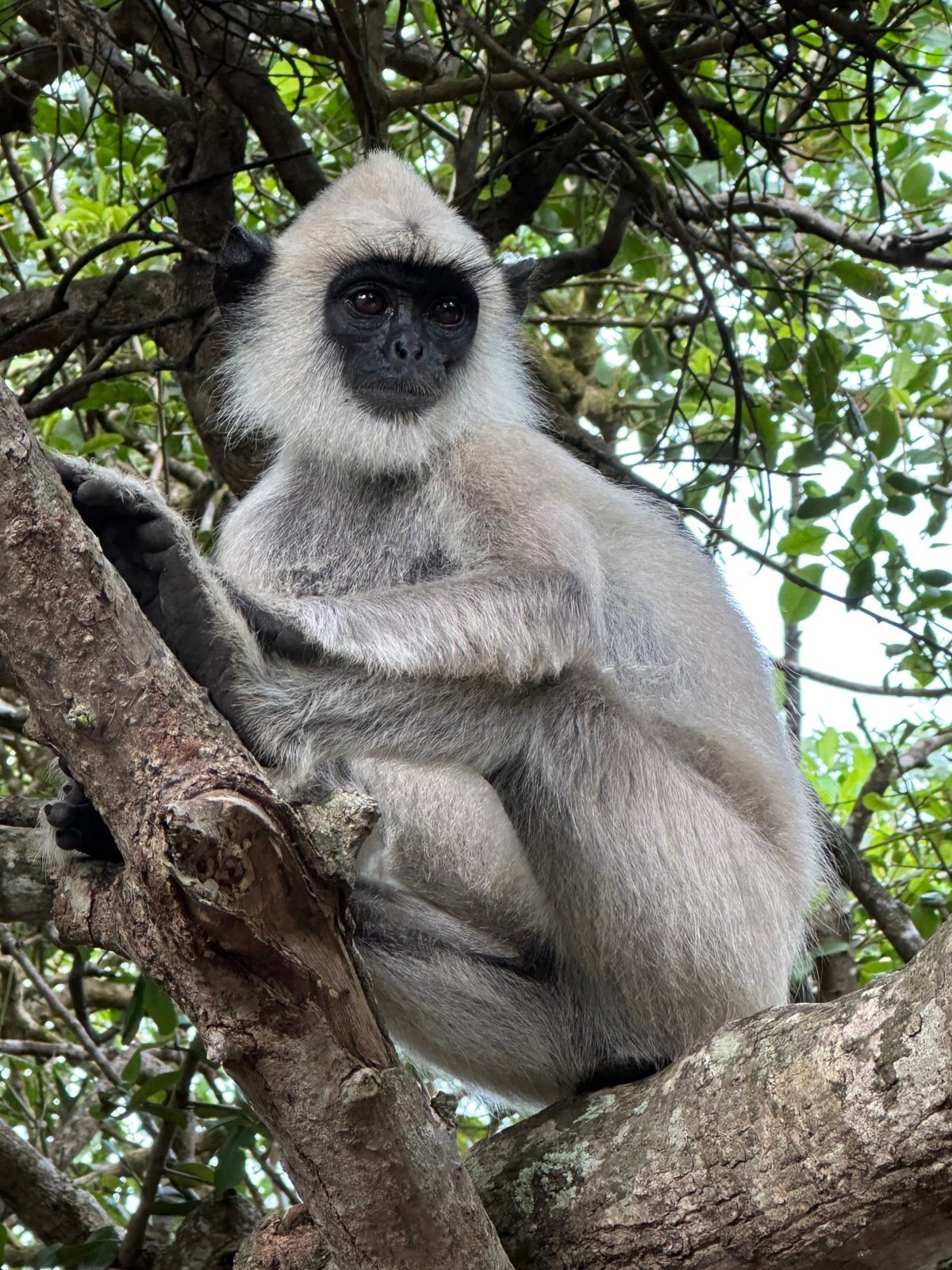
LZ: On the surface you can see topographical and cultural similarities, like the tropical scenery, warm hospitality and delicious food. Go a little deeper and you’ll find less commercial development. If I were to sum it up: Sri Lanka is a unique combination of the wellness factor associated with Bali; the wildlife and temples found in Thailand and Cambodia; and the cultural depth and beautiful landscapes travelers love about Vietnam and Laos. The Buddhist heritage, tea country and safari opportunities, along with the colonial history give Sri Lanka a rhythm and personality that I haven’t experienced anywhere else.
LZ: Some of the quieter moments. Visiting Nachchaduwa Nature Park at sunset, we travelled along rural tracks through rice paddies, witnessed many bird species and were constantly on the watch for buffalos and elephants. It was so peaceful and beautiful and felt very removed from the typical tourist route.
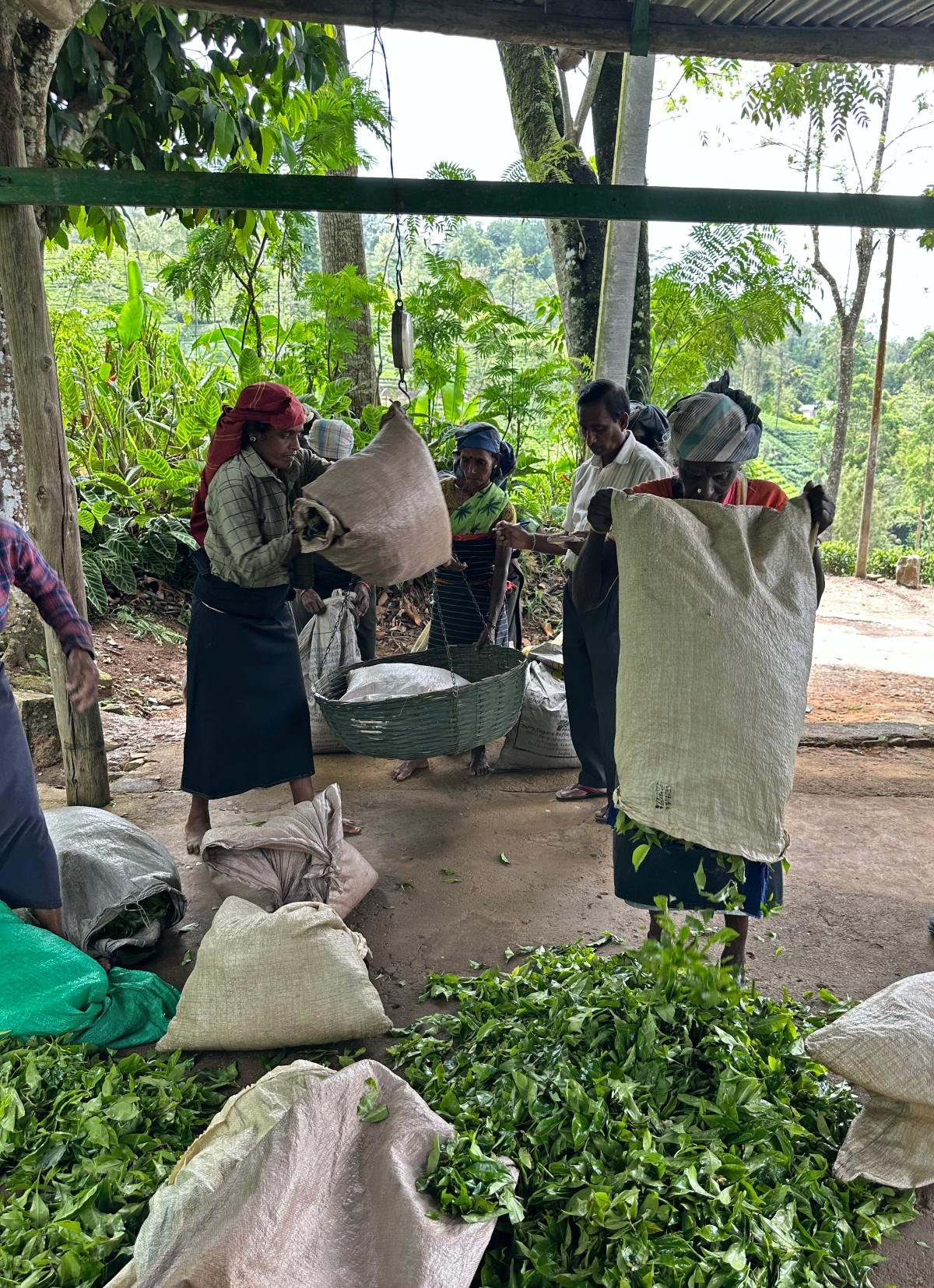
I loved the tea country experience in Hatton. We walked through the estate and learned about the tea-making process from “tip to sip.” We stayed at an estate perched atop a hill overlooking terraced tea fields, which used to be the private home of a plantation owner. A breathtaking, exclusive and intimate experience.

Just send a quick request, and we’ll pair you with an expert Travel Advisor who can design and book your dream Sri Lanka vacation: a custom itinerary, private guides, immersive local experiences and handpicked hotels.
I was also surprised by the parallels between the ancient civilizations in Sri Lanka and Egypt. I was in Egypt a couple months prior, and it was fascinating to see how two completely different corners of the world were developing sophisticated civilizations, spiritual traditions, monumental architecture and complex societies during overlapping periods of history despite being 3,500 miles apart. It was not something I expected and made the history feel much more powerful and relevant.
LZ: On my next trip I’ll add more time in the south, especially around Tangalle or the beach. I’ll also add more time in tea country because it was so scenic and peaceful.
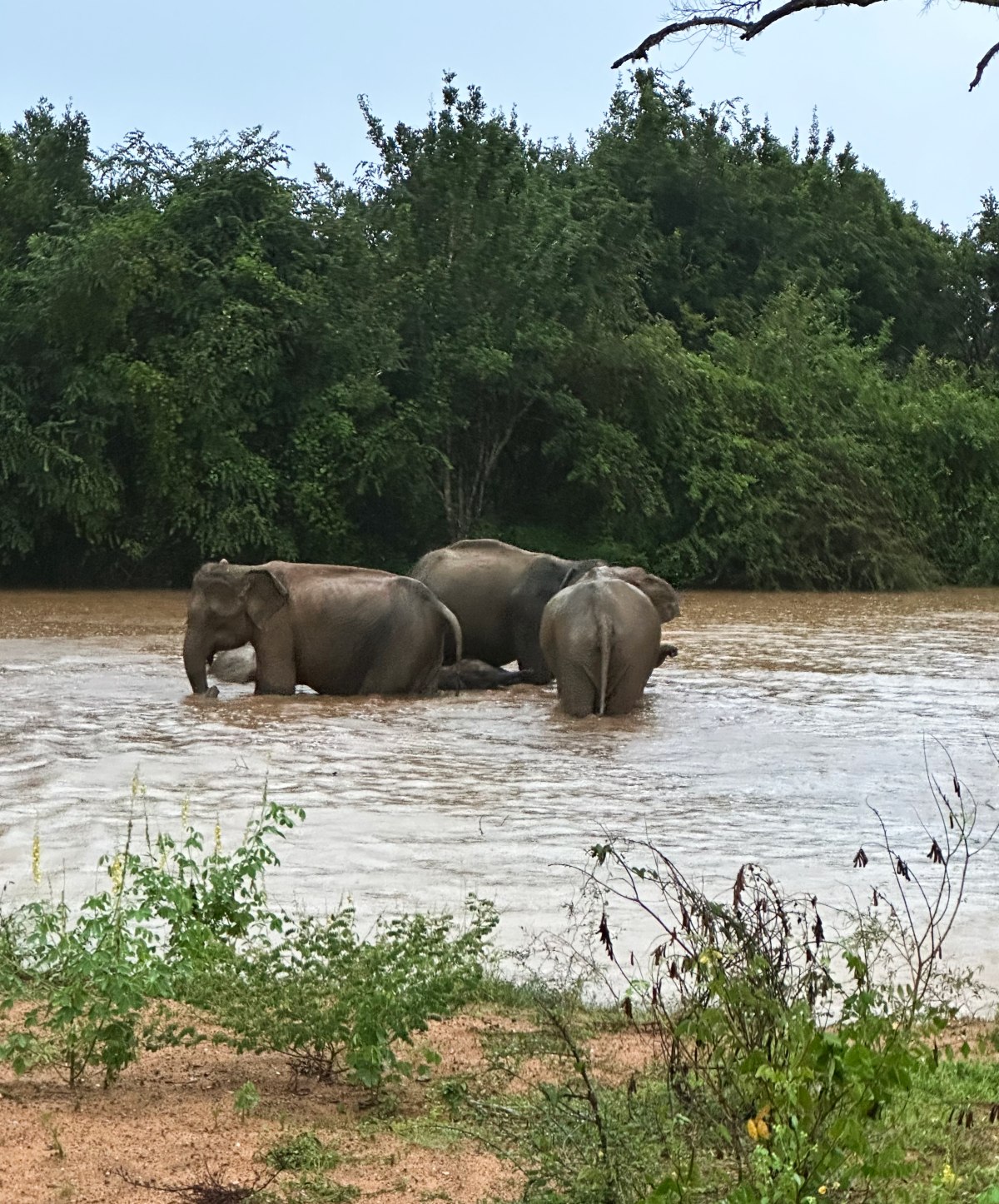
LZ: Wildlife was a major part of the itinerary. It is one of the reasons Sri Lanka is so exciting. The possibility of elephant sightings near Nachchaduwa Lake is thrilling, as is the dedicated safari experience in Yala National Park, which is known for elephants, crocodiles, buffalo and monkeys. On a lucky day, like the one I had, you can also catch sight of leopards. Sri Lanka offers Jeep safaris in a national park or the countryside, which keeps visitors at a nonintrusive distance. Any experience that includes riding, feeding, bathing or any other unnatural interaction with elephants and all animals should be avoided.
LZ: Sri Lanka is not a destination for self-driving. The roads can be slow and distances long. A private driver and guide make a huge difference and add exponentially to the experience. Drives of 3 to 4 hours are common, and some routes can be longer. Using alternative forms of transportation is a big time saver. For example, our transfer from Hatton to Yala would have been about 6 hours by road, but we opted to take a private air taxi, which only took 40 minutes.
LZ: Meals were a highlight of my trip — the food was flavorful, fresh and varied. Sri Lankan cuisine features a lot of rice, curries, coconut, spices, fresh fruit and seafood. There are also memorable dining experiences to be found, like a traditional Kamatha dinner under the stars or afternoon tea in the fields in Hatton.
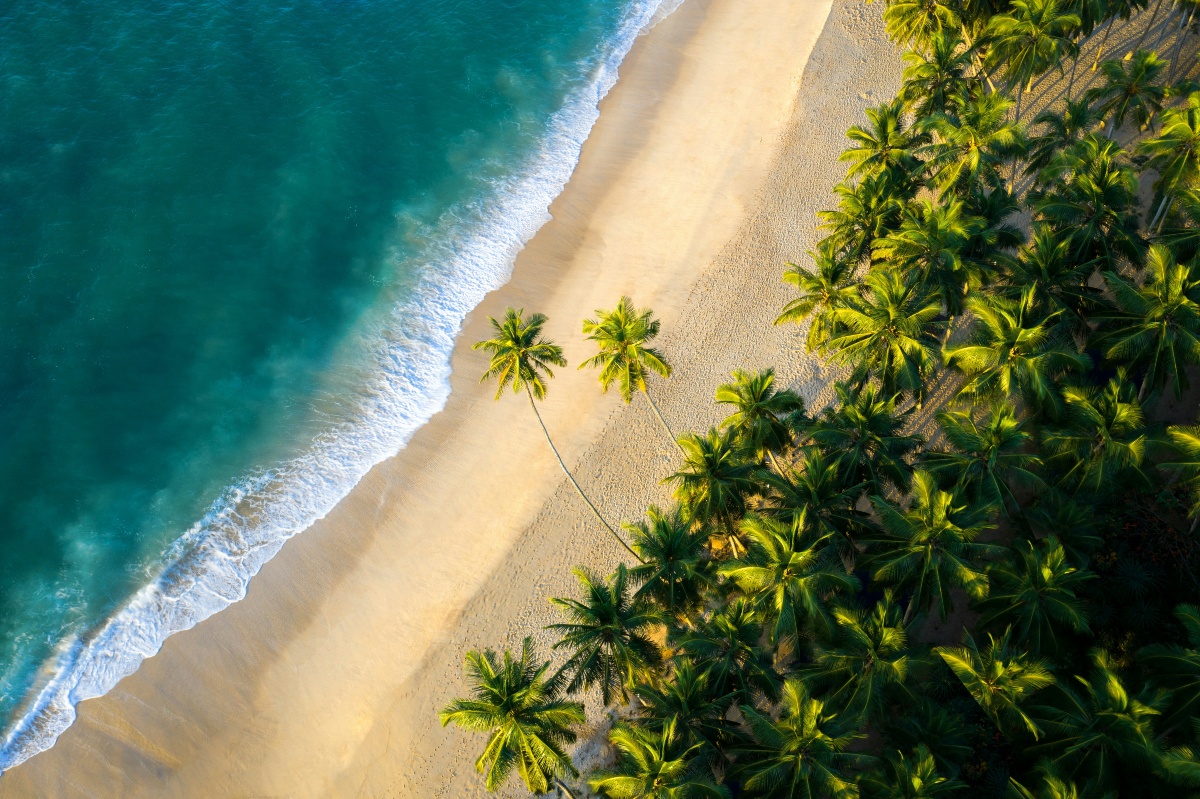
LZ: Plan your pace carefully. Sri Lanka looks small on a map, but travel times can be longer than expected. Don’t try to do too much too quickly, especially with younger kids. Build in pool time, beach time and a few lazy mornings or afternoons.
Pack light with breathable clothing and good walking shoes. Plan to dress modestly when visiting the temples. A little respect goes a very long way.
Basic health considerations like sun protection and insect repellent are key. Check with a travel doctor and CDC guidelines well before departure. I would also check current Sri Lankan entry requirements as well as the U.S. State Department travel advisory website before departure, as political policies can change.
LZ: The Sri Lankan people went through so much during their three decades of civil war, ending in 2009, that there is a palpable sense of pride for their heritage and an eagerness to share history, culture and traditions. Their love for children really stands out; kids are genuinely welcomed everywhere.
Relevant Links:
Browse all ideas for kid-friendly cultural immersion travel on Ciao Bambino
See our favorite nature and wildlife destinations for families
Where to go on a family vacation in India
Essential tips for visiting India with kids
13 reasons a Maldives family holiday is worth the journey
Photos courtesy of Lynda Zuber except where noted.
Editor’s note: This post was accurate when published. We advise checking independently for the latest information and updates. Ciao Bambino does not accept responsibility or liability for any errors or omissions in, or for any actions taken based on, the information presented.


 travel recommendations, inspiring adventures, and exclusive travel offers
"*" indicates required fields
Want to save all the great intel and tips you are finding on Ciao Bambino? My Trip Planner allows you to bookmark articles, family-friendly hotel reviews, and family vacation packages. Simply click the heart icon on anything you want to save. Site registration is required to get started. Happy planning!
Please fillout the form below to create your free My Trip Planner account.