 Back
Back







 FACEBOOK
 Pinterest
 Instagram

 FACEBOOK
Pinterest
Instagram
FACEBOOK
Pinterest
Instagram
Chaotic and colorful, India can be, admittedly, sensory overload. From centuries-old temples and mosques to spice-laden delicacies to the blaring horns of rickshaws, the sights, smells and sounds can feel overwhelming. But travelers and families learn to take them in stride as part of the subcontinent’s vibrancy and energy.
Often described as a subcontinent, India is vast and varied, from mountains and desert in the north and west to tea plantations and rice paddies in the east and south. It’s a country of contradictions, requiring equal parts surrender, patience and humor. That said, hospitality is very much part of the culture.
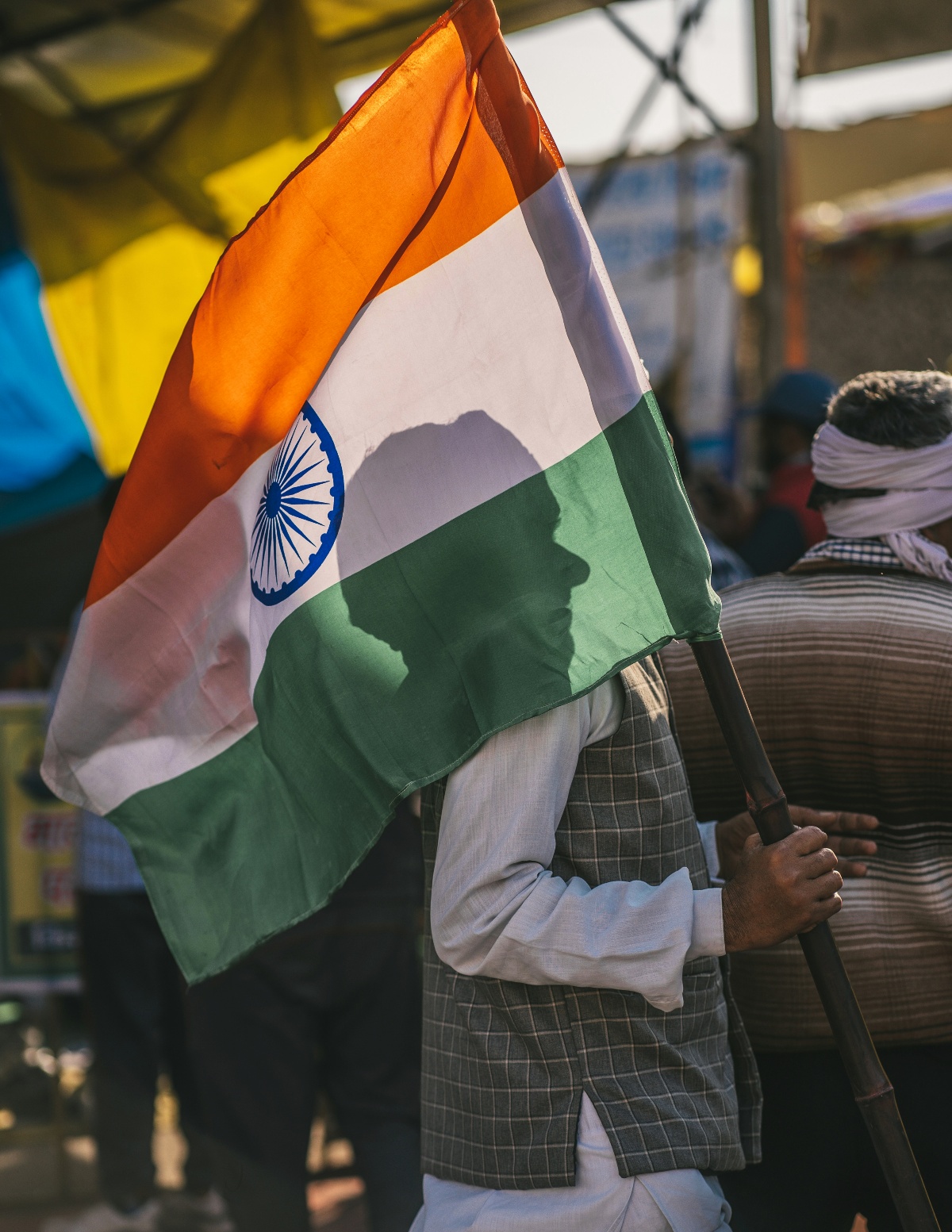
Most families visiting for the first time opt to do the Golden Triangle itinerary, covering Delhi, Agra and Jaipur. If you have more time, tack on a few days in Mumbai and perhaps the southwestern state of Kerala. Travel between cities or regions isn’t always efficient, so it is recommended to allow for transit time. Flights are usually the simplest way to get from point to point.
It may not be the easiest destination to explore, but India will get in your heart, and you’ll be hooked.
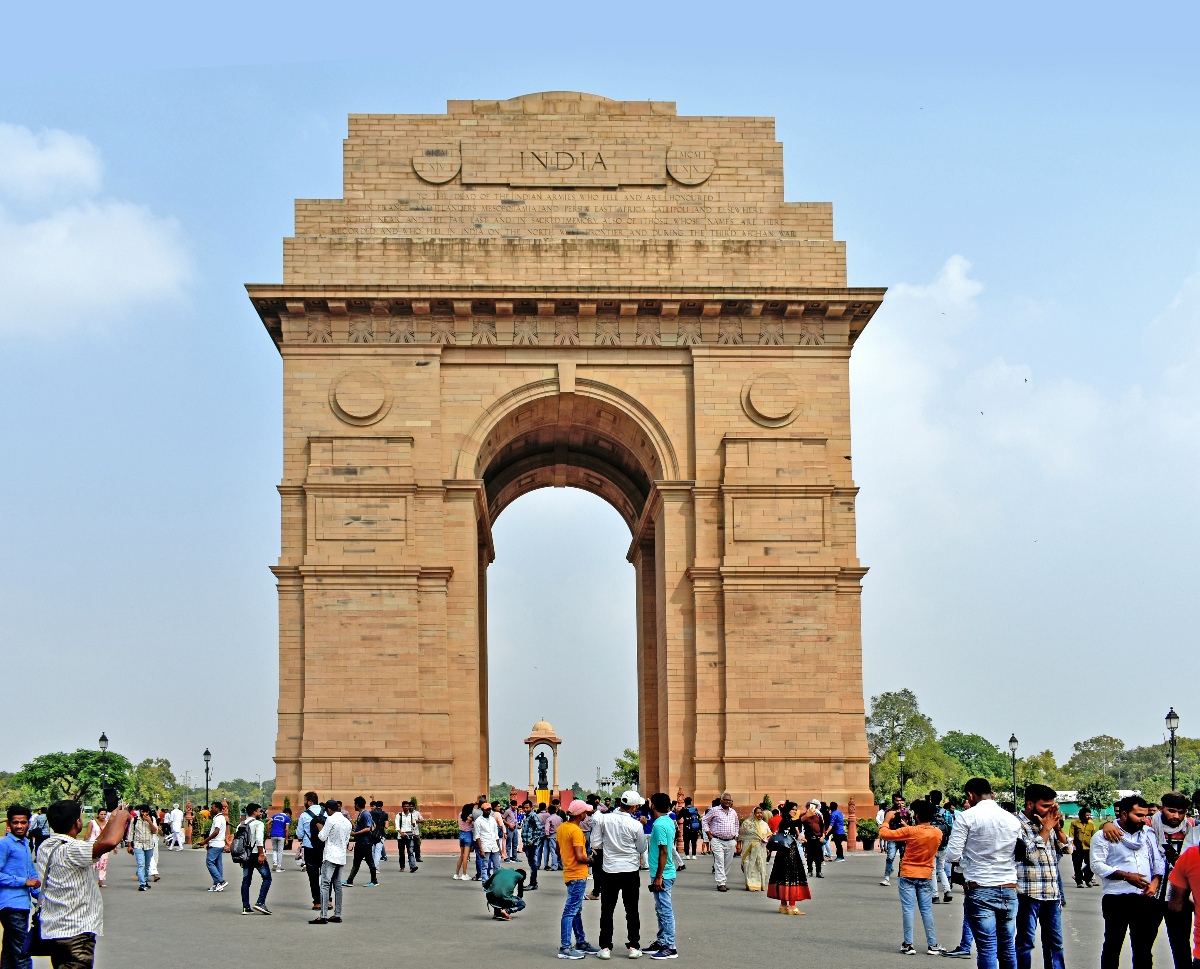
Though used interchangeably, Delhi and New Delhi refer to different areas within the National Capital Territory (NCT) of Delhi. Delhi means the region as a whole or the older, Mughal-era portion of the area. New Delhi, meanwhile, is the capital and political seat of power.
Old Delhi is home to the sprawling UNESCO-designated Red Fort (or Lal Qila) and Jama Masjid (one of the largest mosques in India), as well as bustling Chandni Chowk bazaar. New Delhi — which is sometimes called Lutyens’ Delhi for British architect Sir Edwin Lutyens, who planned its wide, tree-lined boulevards and grand government buildings in the early 20th century — is where you’ll find the Rashtrapati Bhavan (President’s House), India Gate (a memorial arch reminiscent of the Arc de Triomphe in Paris) and Connaught Place, a busy roundabout that’s also a commercial hub.
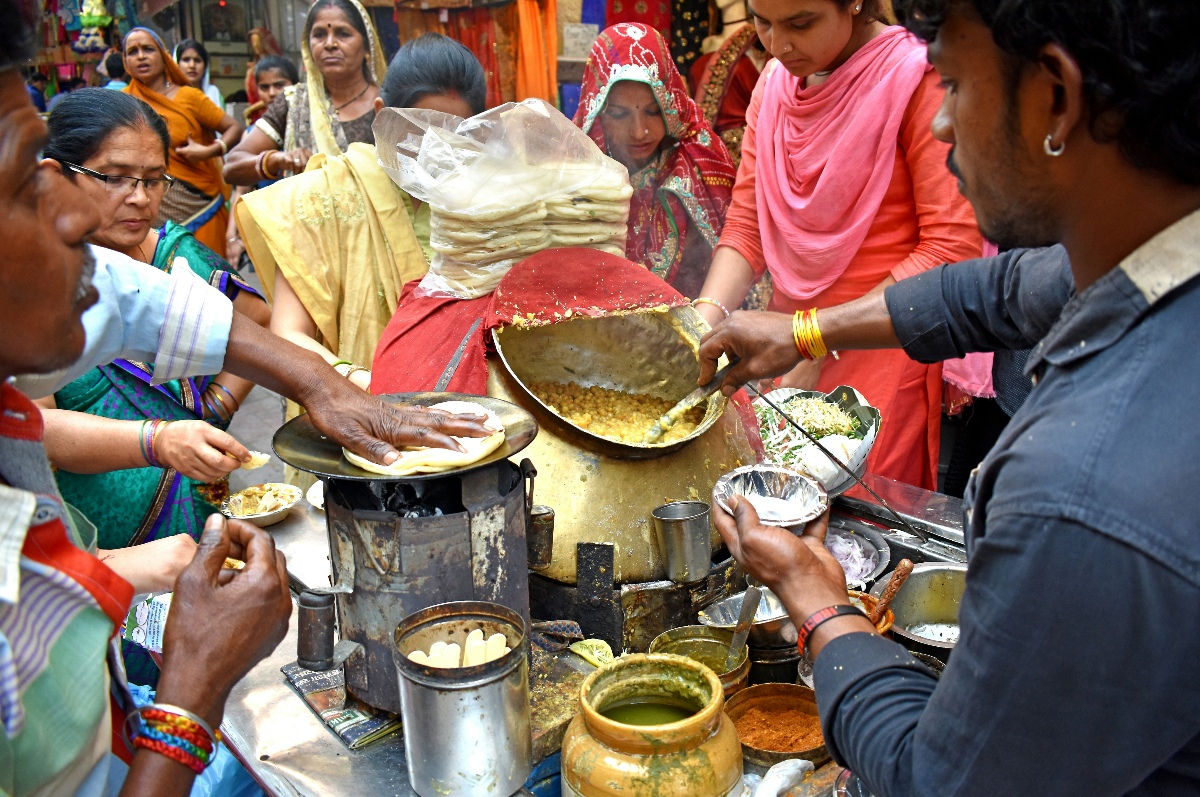
The Greater Delhi area is home to some 35 million people, and so bumper-to-bumper traffic is a daily (albeit frustrating!) way of life. Hire a driver and English-speaking guide to help you navigate the major sights of Delhi. There’s lots to see, but don’t plan to cover too much in a single day.
Where to Stay: A sprawling behemoth of a city, Delhi is bursting at the seams. That’s all the more reason to settle in at The Imperial, an Art Deco colonial-style property in Connaught Place at the city’s heart. There’s plenty of history at the Imperial itself — the hotel dates to 1936 and during the days leading up to India’s partition, Nehru was a regular, hosting meetings there with Gandhi and Jinnah (ask the hotel staff to point you to the historic photos of the trio). With the city’s largest outdoor pool, a spa fit for a queen and several restaurants and bars, including Spice Route and Patiala Peg, you might be tempted not to leave the premises.
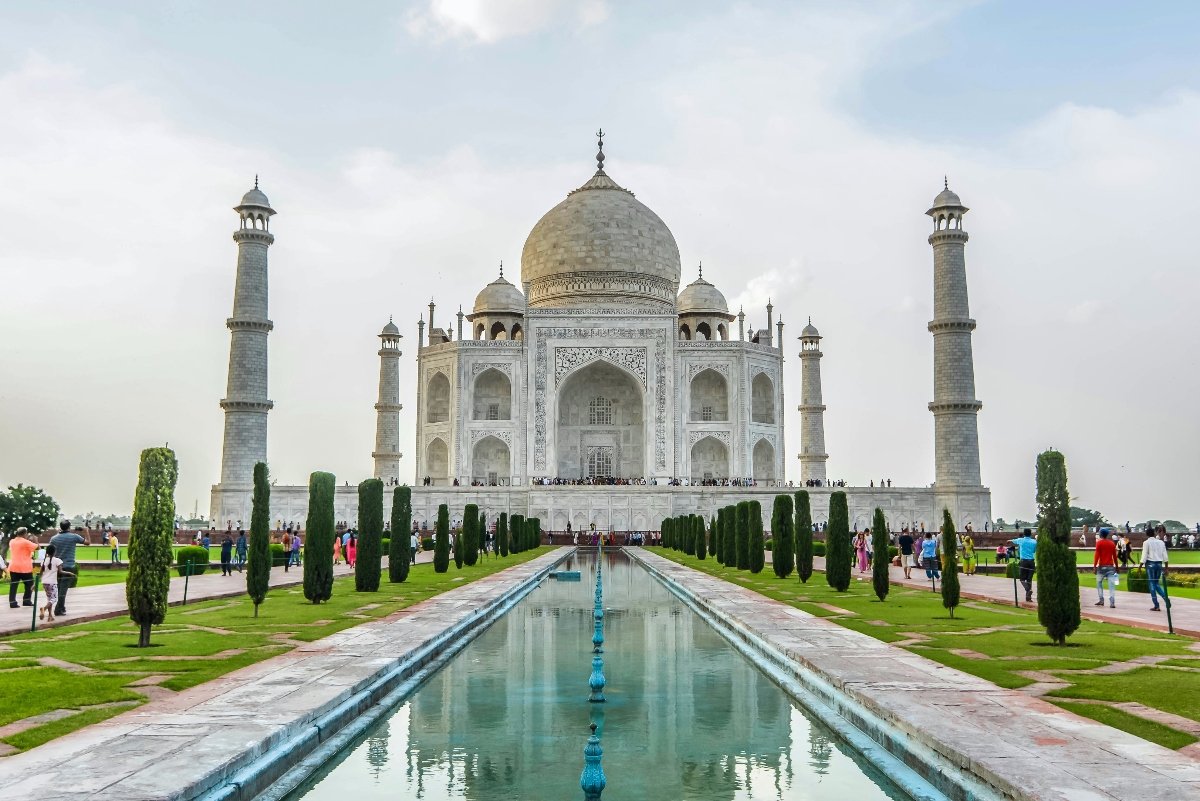
Nearly all first-time travelers to India have the Taj Mahal on their itinerary. Reaching Agra, where Mughal emperor Shah Jahan commissioned the spectacular ivory marble mausoleum for his beloved wife, Mumtaz Mahal, requires a four-hour drive from Delhi, so you’ll want to plan accordingly.
Completed by some 20,000 laborers in 1648, the Taj Mahal is not only a symbol of external love, but also of India as a country. Notice the beautiful architectural details such as surrounding waterways and gardens; appreciate the stunning precious and semi-precious gemstone inlays (some 28 types were used, including carnelian, mother of pearl and lapis lazuli). At the site’s main building, visitors can circle two cenotaphs, the decorative tombs of Mumtaz Mahal and Shah Jahan. These are actually empty; the remains of the pair are in an underground crypt below.

We handle the details, you focus on the fun! Get info and read FAQs about our custom vacation planning service, from boutique hotel bookings to hand-designed itineraries and activities you can’t book on your own.
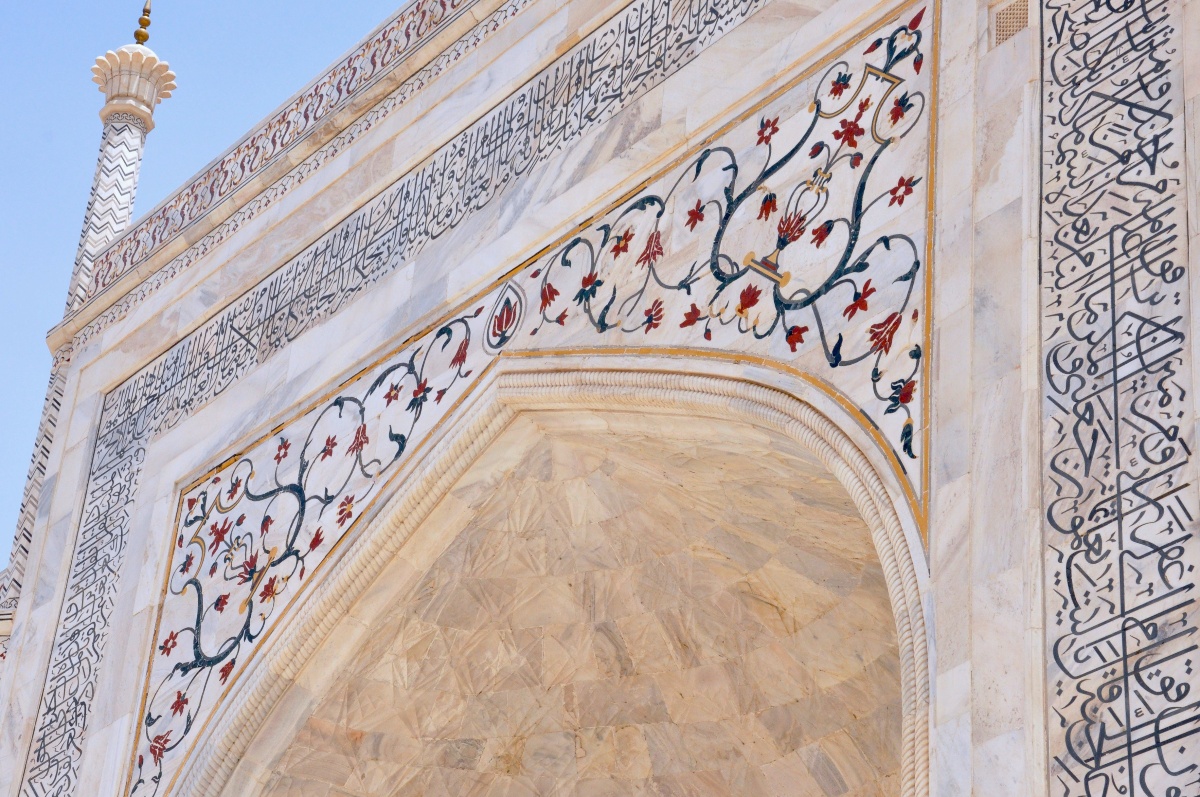
As you would expect, the Taj Mahal gets very busy and crowded. If possible, it’s best to visit earlier in the day — the Taj usually opens 30 minutes before sunrise and closes 45 minutes before sunset. (Note: It is closed on Fridays.) Travel light to ensure swift passage through security. Most travelers will want to hire a guide to escort them through the site and share greater context, as well as help navigate the many photographers and street hawkers that approach visitors.
Where to Stay: With every room and suite boasting a view of the Taj Mahal, the 102-room Oberoi Amarvilas is the undeniable premier address in Agra. The sprawling rooms (many with balconies) feature oversize windows, upholstered headboards, Burmese teak floors and marble baths. Take advantage of the grounds, pool and innumerable onsite restaurants.
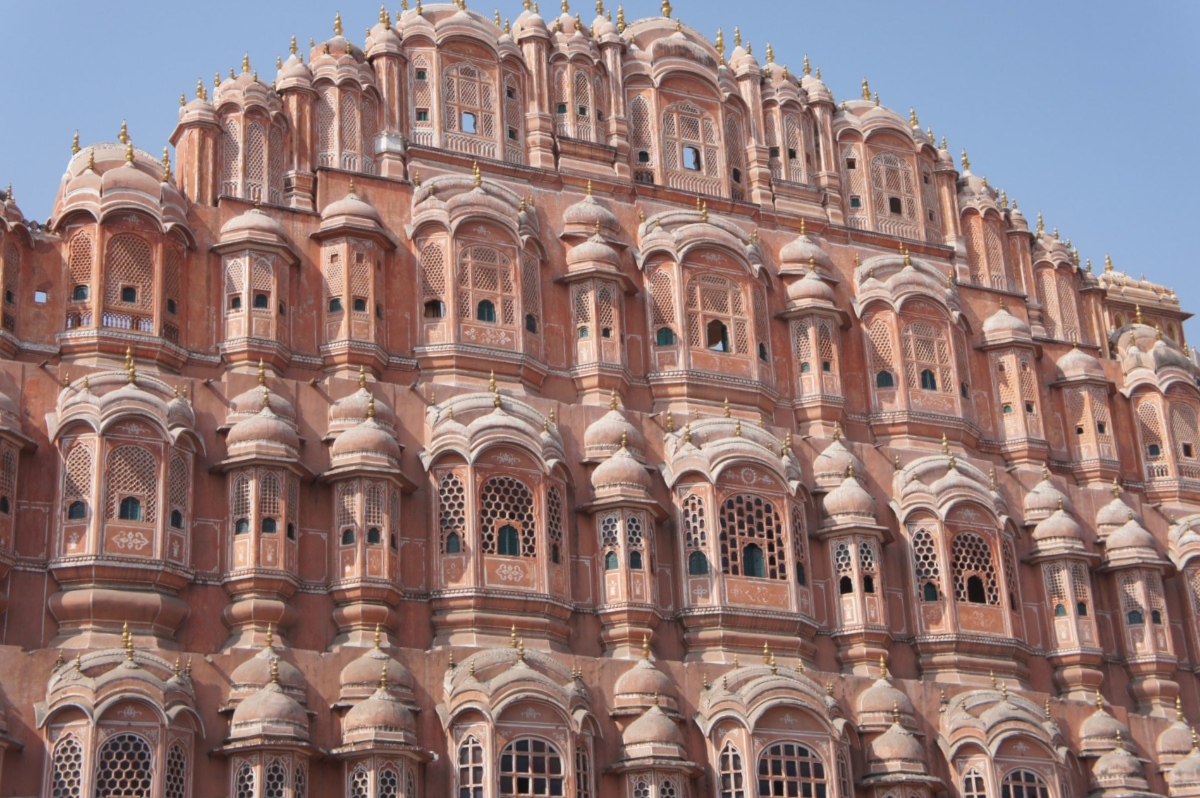
The northwestern state of Rajasthan is known for its palaces and forts, desert landscape and vibrant colors. Its capital, Jaipur — called the Pink City — wows visitors with sites such as the honeycomb-like Hawa Mahal; UNESCO-designated Amer Fort (easily combined with the nearby Anokhi Museum of Hand Printing); the Jantar Mantar complex of astronomical instruments; and bustling Johari bazaar, where artisans show off handcrafted jewelry, block-printed textiles, pottery and more.
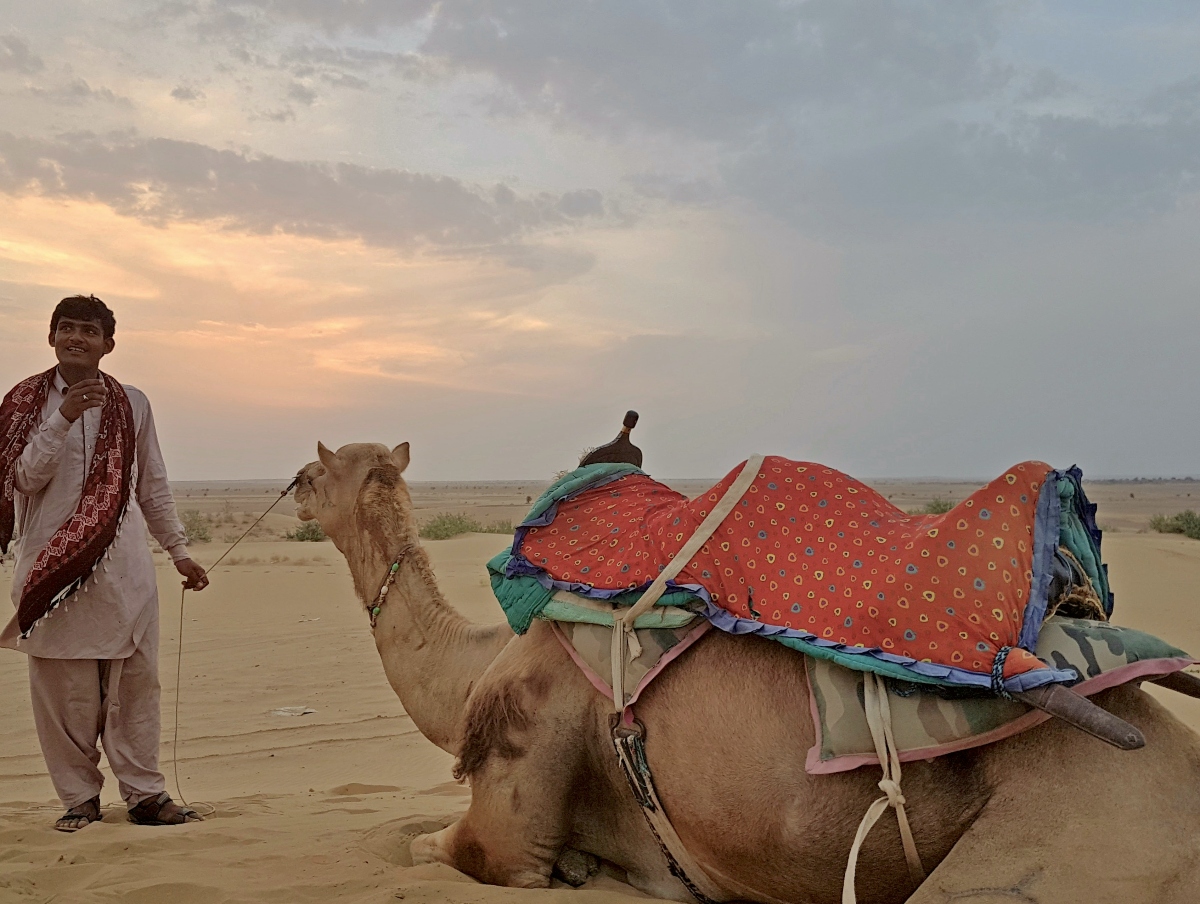
Other large cities within Rajasthan include Jodhpur, Jaisalmer and Udaipur, all of which feature splendid historic attractions and craft communities. Shutterbugs love Jodhpur for its blue-hued houses, while Jaisalmer has developed wonderful desert glamping experiences that include sleeping under the stars and riding camels. Udaipur is known for its romantic lakefront setting, grand palaces and beautiful boat rides. Additionally, some travelers opt to add on a few days at Ranthambore National Park with the hope of spotting a tiger in the wild.
Families will enjoy all of these, but ultimately, it comes down to time and number of days. Overpacking the itinerary can add stress, especially in a country that tends to move at its own pace.
Where to Stay: A cozy, eight-room boutique property within Jaipur’s walled city, The Johri is not only a visual treat, but truly a warm home away from home. All rooms feature their own color palette, ranging from rose pink to bright yellow to powder blue. In a lush, low-key central courtyard, the acclaimed restaurant serves up seasonal vegetarian dishes such as avocado chaat, kebabs with pomegranate chutney and paneer with corn and carrots.
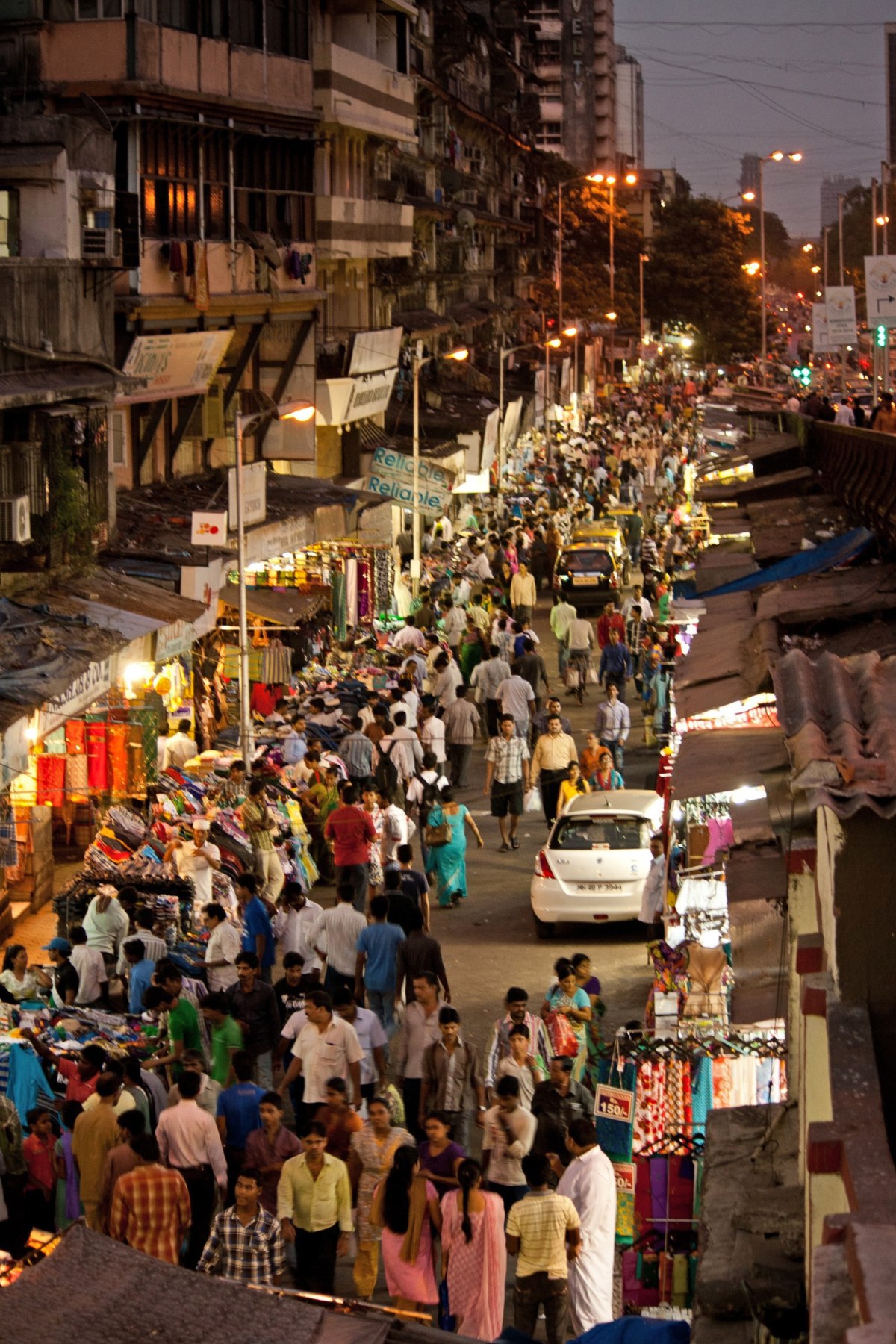
If time allows, it’s worth getting a taste of an entirely different region of India. A frenetic city of 20 million, Mumbai’s energy is contagious. Not only is Mumbai (sometimes still called Bombay) the country’s financial hub, it’s also the entertainment capital with Bollywood churning out some 700 movies a year.
Mumbai’s sights may not seem as obvious as those of the above areas, but it’s here that travelers can take in daily life up close (e.g. Dhobi Ghat, Victoria Terminus train station, innumerable temples, coastal walkways such as Marine Drive). From Fort in south Bombay to the northern district of Bandra, Mumbai neighborhoods are full of local cafes, shops and art galleries. Many of India’s signature street foods, like pav bhaji, vada pav and bhel puri, originate here (this is a city that loves to eat!). While some travelers opt to try foods right from sidewalk stalls, there are several authentic establishments where you and your brood can sample local bites. At Swati Snacks, dig into panki chatni, rice pancakes steamed inside a banana leaf; dahi batata puri, crispy, hollow shells filled with potatoes, yogurt and tangy tamarind chutney; and malai malpuda, deep-fried pancakes soaked in sugar and topped with cream.

Where to Stay: Legend goes that prominent industrialist Jamsetji Tata was refused entry into the “whites-only” Watson’s Hotel and eventually built the grand, sea-facing Taj Mahal Palace Hotel in 1903. The elegant property, known for its basalt exterior and Florentine Gothic dome, even predates the Gateway of India, an important local monument built in 1924. Its past includes loads of stories, from being the first electrified building in Bombay to having the first ice-making machine. Marvel at it all from a room in the Old Wing and be sure to make time for drinks and snacks at the iconic Sea Lounge.
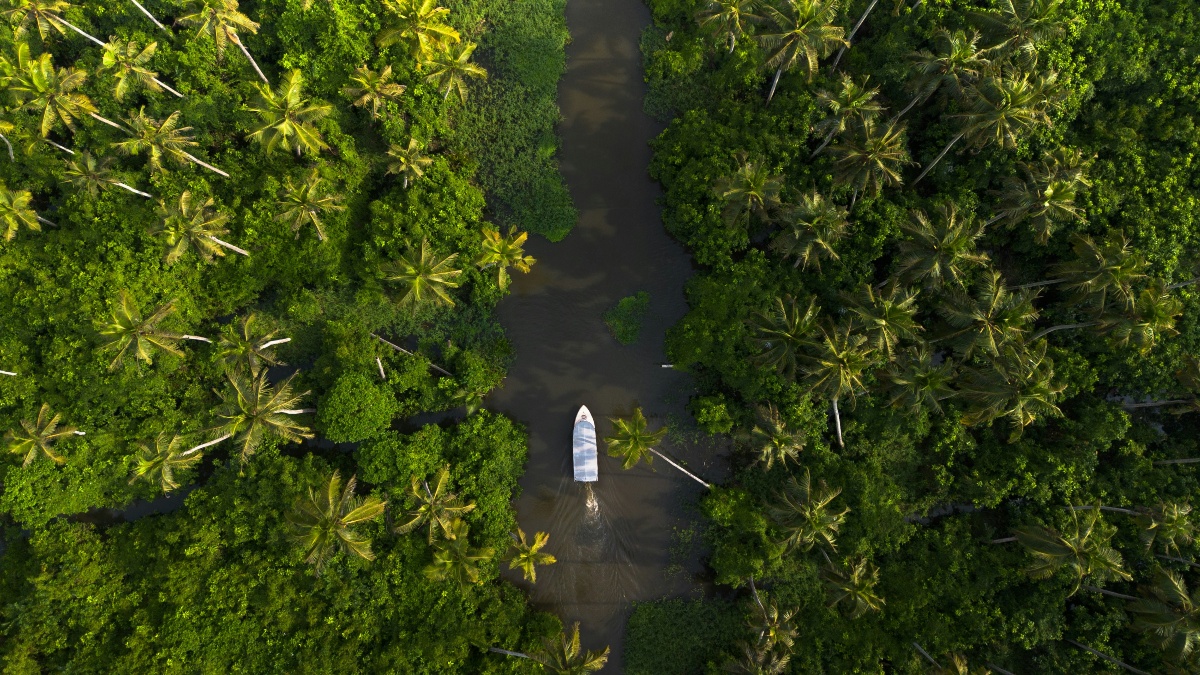
Depending on how much time you have, you could add on a few days in Kerala or Tamil Nadu, though most travelers will save South India for a second trip to the subcontinent. South India differs dramatically not only in landscape and climate, but also food and customs. In lush Kerala, you will want to explore the palm-fringed backwaters, a vast network of canals, lagoons and lakes. A few hours away, Munnar is known for its verdant tea estates, many of which have serene villa stays. In neighboring Tamil Nadu, you can visit some of the country’s most notable temples, including the 170-foot-tall Dravidian-style Meenakshi Temple — it features some 33,000 intricate sculptures.
Most international flights arrive into Delhi, Mumbai, Bangalore and Chennai. You can arrive in Delhi and fly out of Mumbai, but if you’re only doing the Delhi-Agra-Jaipur itinerary, it’s best to fly in and out of Delhi. Bangalore and Chennai are in South India and closer to Kerala and Tamil Nadu.
Relevant Links:
Browse all family travel ideas in India on Ciao Bambino
Essential tips for visiting India with kids
13 reasons a Maldives family holiday is worth the journey
Tropical paradise found at COMO Maalifushi in the Maldives
Editor’s note: This post was accurate when published. We advise checking independently for the latest information and updates. Ciao Bambino does not accept responsibility or liability for any errors or omissions in, or for any actions taken based on, the information presented.


 travel recommendations, inspiring adventures, and exclusive travel offers
"*" indicates required fields
Want to save all the great intel and tips you are finding on Ciao Bambino? My Trip Planner allows you to bookmark articles, family-friendly hotel reviews, and family vacation packages. Simply click the heart icon on anything you want to save. Site registration is required to get started. Happy planning!
Please fillout the form below to create your free My Trip Planner account.