 Back
Back







 FACEBOOK
 Pinterest
 Instagram

 FACEBOOK
Pinterest
Instagram
FACEBOOK
Pinterest
Instagram
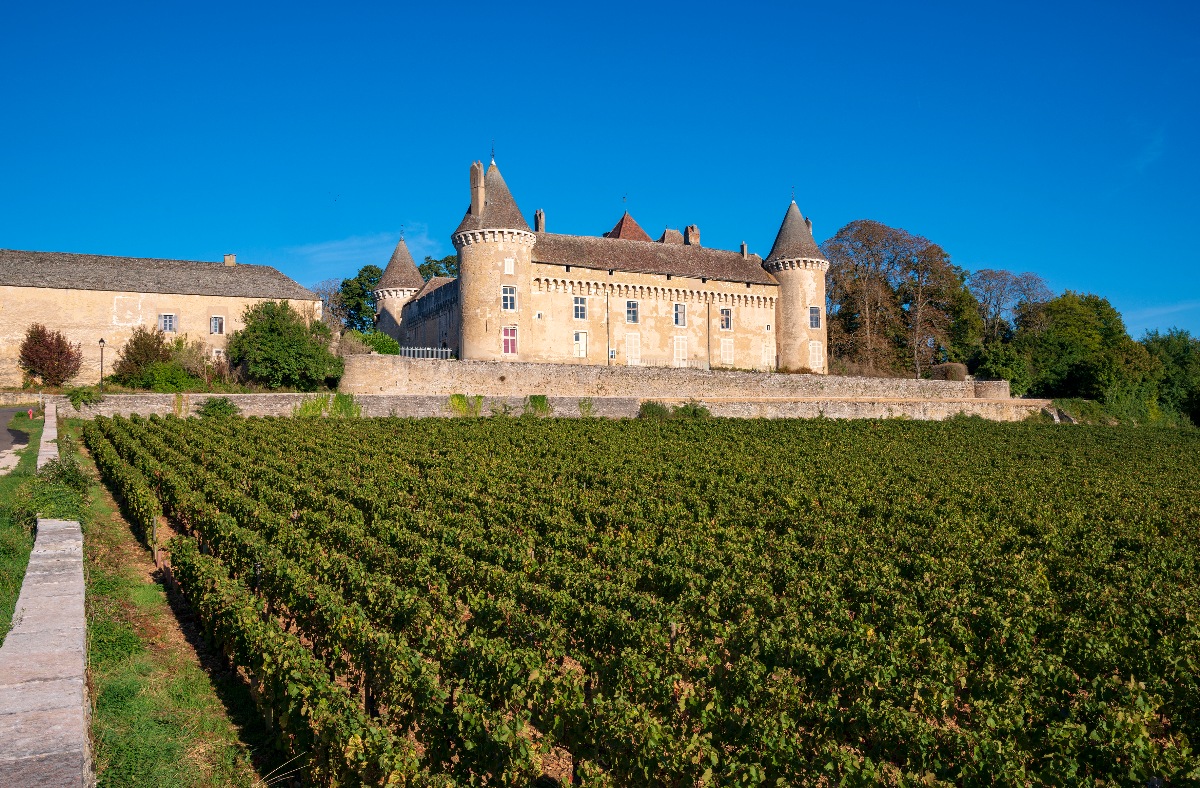
Imagine leisurely afternoons in the French countryside, sharing fine wine and local cheeses with your partner or friends. The experience can’t be captured in a photo, but the memories you make in Burgundy will age as beautifully as the region’s signature vintages. Its charming villages and vineyards promise all the allure of France’s wine country with smaller crowds than its more famous cousin, Bordeaux.
CB! Senior Travel Advisor and France expert Cary Walker Collett shares her top reasons why this enchanting region makes for the perfect adults-only escape.
If your itinerary begins with a few nights in Paris, a popular choice, you’ll enjoy the short jaunt south to Burgundy. “It’s really easy to jump on a train to Dijon,” Cary says. The scenic train ride to the region’s historic capital and gateway to the Burgundy wine route takes less than 2 hours.
Dijon’s Owl Trail, or Le Parcours de la Chouette, is a self-guided tour that spotlights the distinguished art scene and cultural sites of this eastern French hub. Download the app or purchase a booklet from the tourism office before visiting the trail’s 22 spots, including the tour’s namesake, an owl sculpture carved into the north side of Dijon’s Notre-Dame church. Dating between the 15th and 16th centuries, the iconic owl is worn smooth from a longtime tradition: rubbing the sculpture with your left hand for a bit of luck.
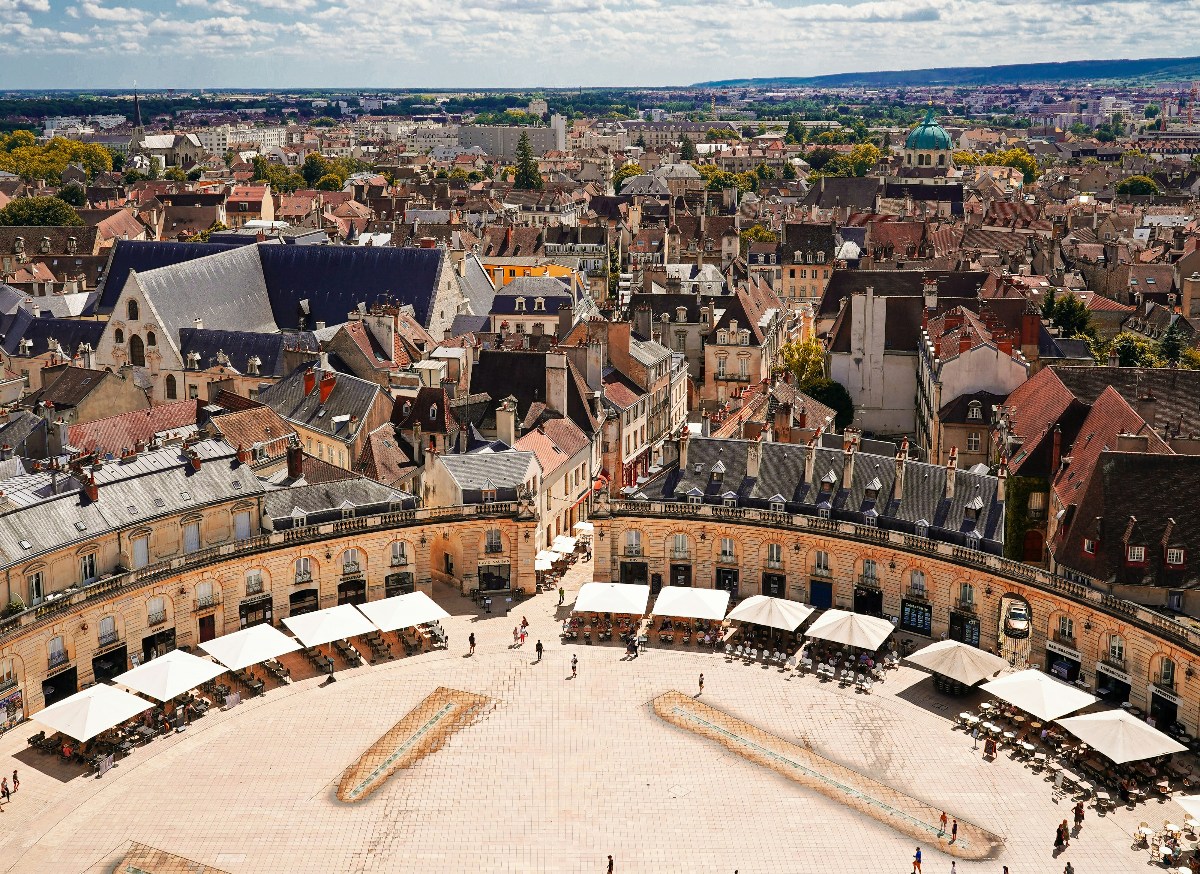
Take in the 1787 Musée des Beaux-Arts, housed in Palais des Ducs et des États de Bourgogne (the Palace of the Dukes of Burgundy), and the energetic marketplace, Les Halles. A variety of vendors offer local goodies and gourmet treats, making it the perfect stop for a sampling of the city’s famed mustard.
When you’re ready for a reprieve from the bustle, Cary suggests a private car transfer from Dijon to the laid-back town of Beaune.
About 30 miles southwest of Dijon, Beaune (pronounced “bone”) offers the best of France’s acclaimed viticulture within the town’s preserved perimeter. “The historic core is surrounded by a medieval wall that’s mostly intact with various gates and fortress structures,” explains Cary. Colorful tiled roofs and winding cobblestone streets add to the charm of this relaxed, countryside gem. “It’s super quaint and definitely very wine-focused,” Cary says. “They really pride themselves on cuisine that pairs well with Burgundy wines, so you’ll find a lot of great restaurants in Beaune.”
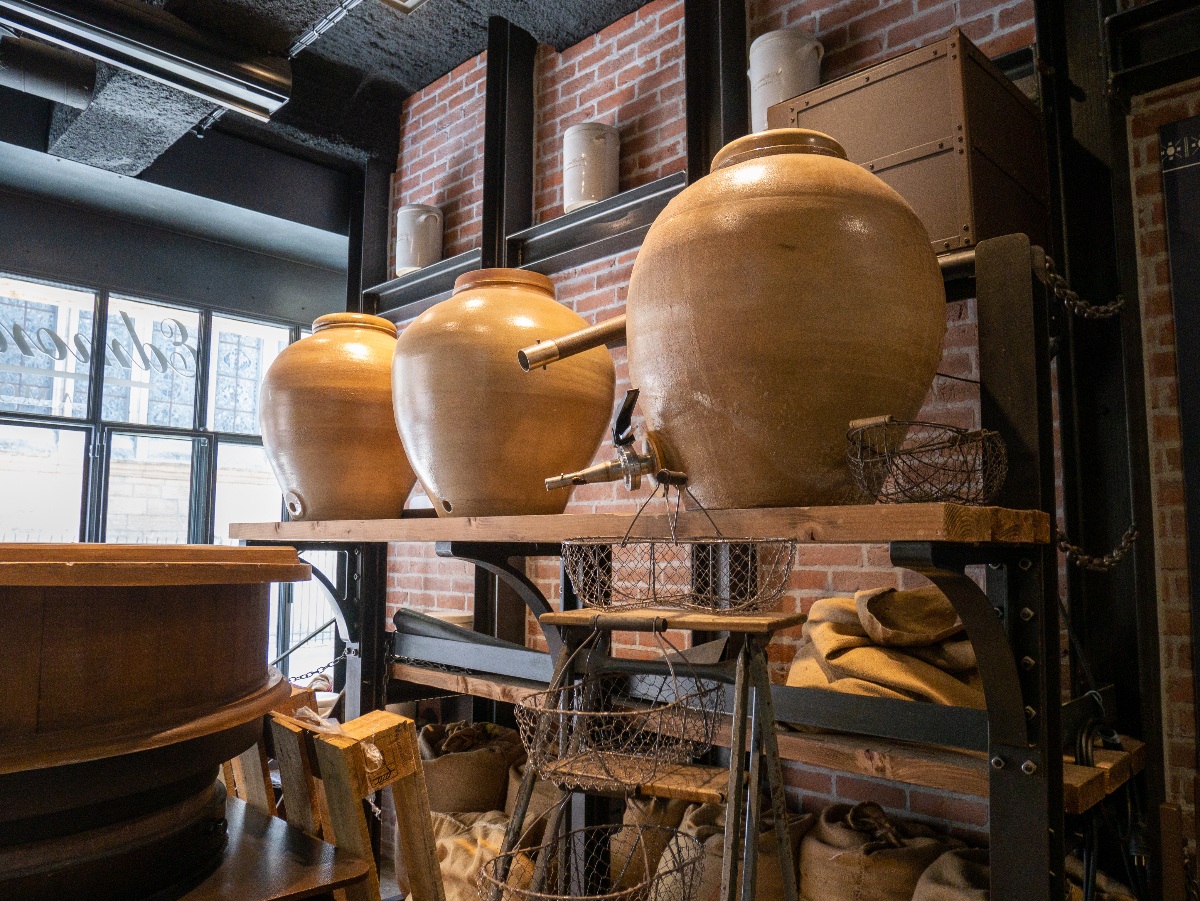
Local shops dot the city center, spanning artisan and antique finds to epicurean delights. Get lost among the books, wine accessories, maps and more at Athenaeum, a multiroom shop at the heart of town. In addition to its reputation as the wine capital of Burgundy, Beaune is home to the last independently operated family mustard mill in the region, Fallot. Make time to try a few flavors at the company’s boutique French mustard bar.
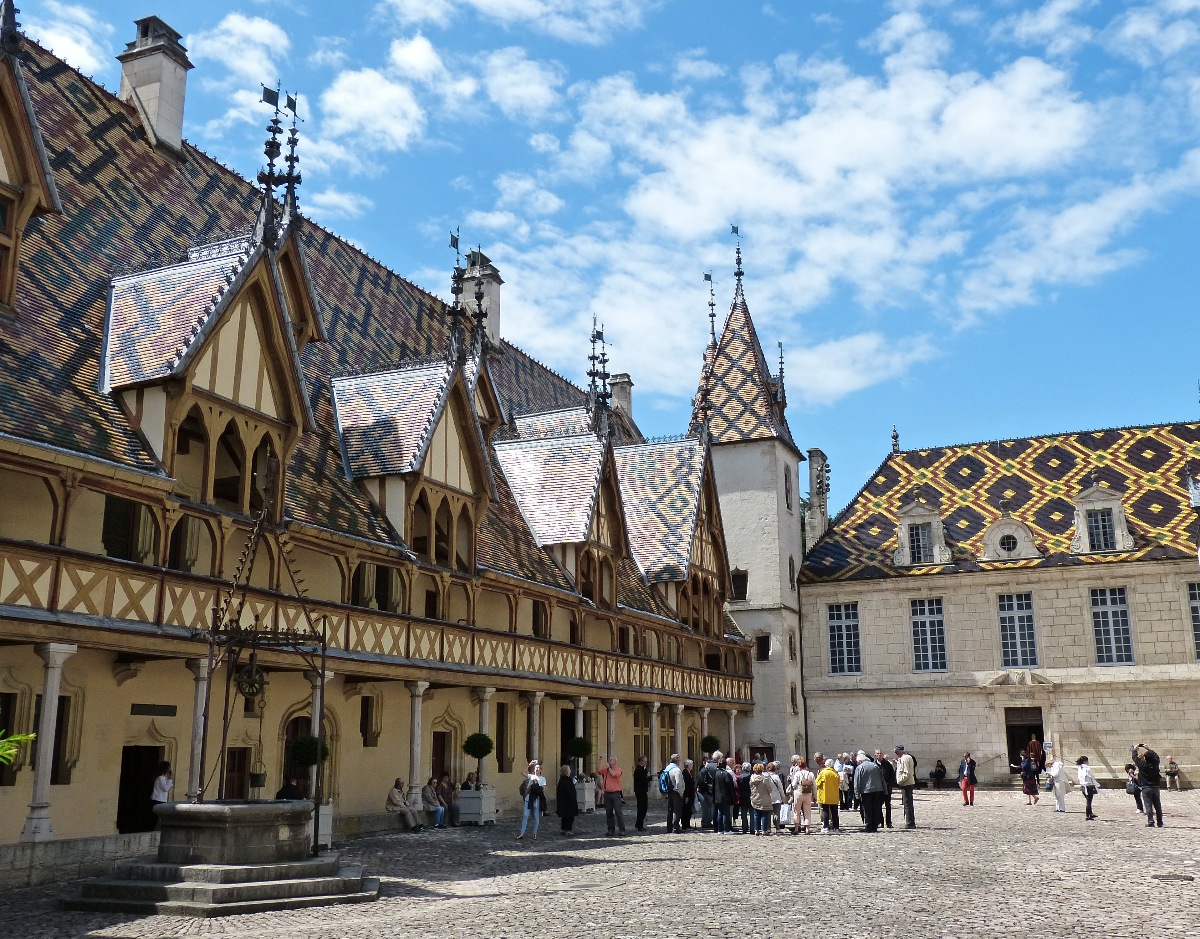
No visit to Beaune is complete without a tour of the Hospices de Beaune, which was founded as a hospital in 1443 and has grown over the centuries into a remarkable wine estate. Before stepping inside the historic Hospices, pause to appreciate the artistry of the rooftops. Polychrome glazed tiles are arranged in intricate geometric designs, a hallmark of Burgundy’s architectural heritage since the era of medieval dukes. The interiors continue to inspire awe, with vaulted ceilings and religious artwork serving as the backdrop for displays of medical artifacts, preserved patient wards and a stunning chapel.

Just send a quick request, and we’ll pair you with an expert Travel Advisor who can design and book your dream vacation to Burgundy: a custom itinerary, private guides, immersive local experiences and handpicked hotels.
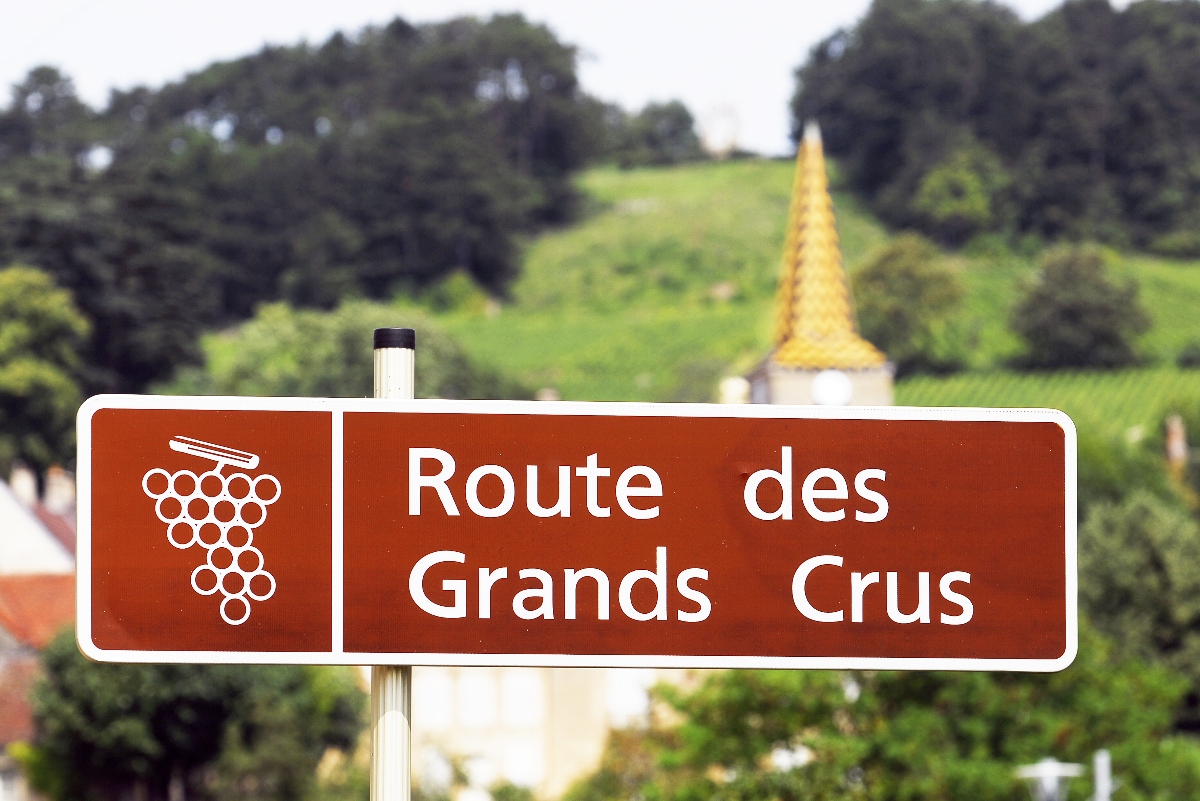
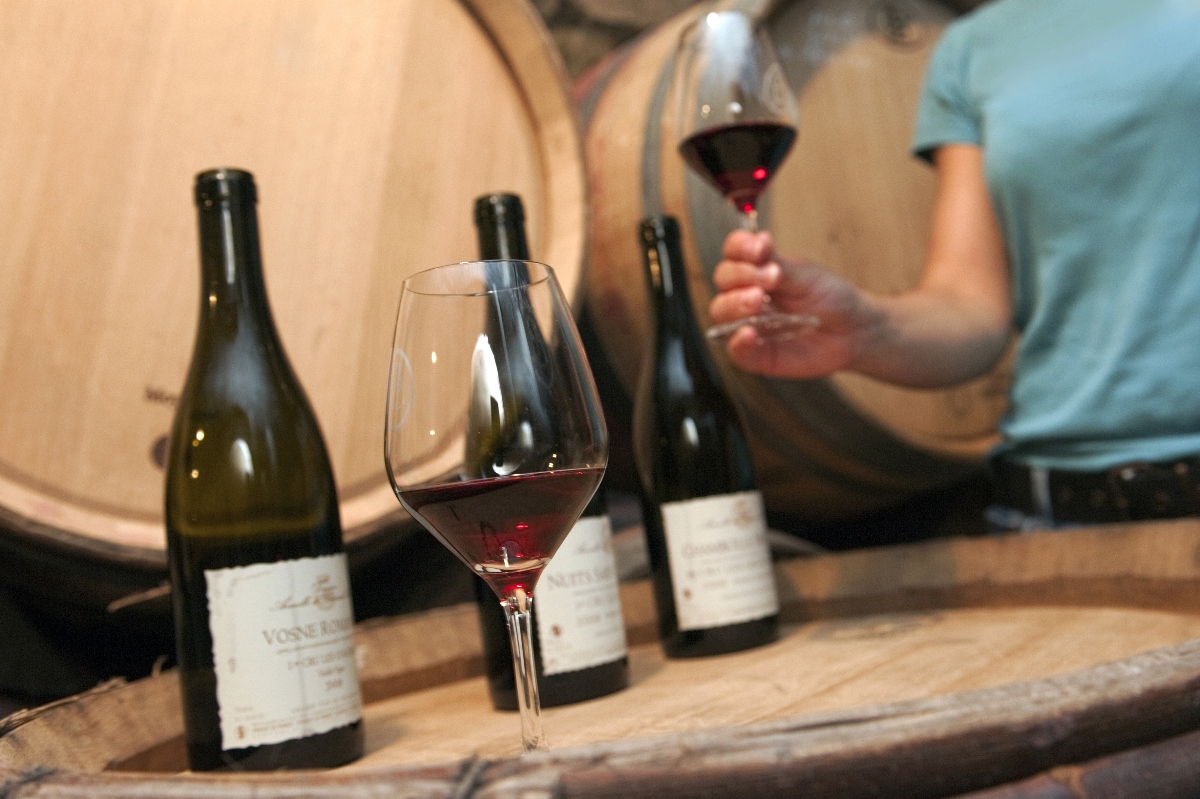
Experiencing Beaune is a must, but it’s only the tip of the iceberg when it comes to Burgundy’s flourishing winery network. Small villages and dedicated wine producers abound beyond the walls of Beaune and Dijon’s urban sprawl, some of them close enough to visit by bike. “It’s fun to meet these small, passionate producers because generally, they have time to share with people about what they’re doing and why,” says Cary.
There are numerous opportunities for curated wine tours, and even those less inclined to sip will appreciate the picturesque sights and fascinating history. In addition to Beaune, other prime stops along the esteemed Route de Grands Crus include the villages of Volnay, Pommard and Gevrey-Chambertin. Each estate proudly honors a legacy of tending its acreage, the terroir that’s integral to every winemaker’s distinctive products.
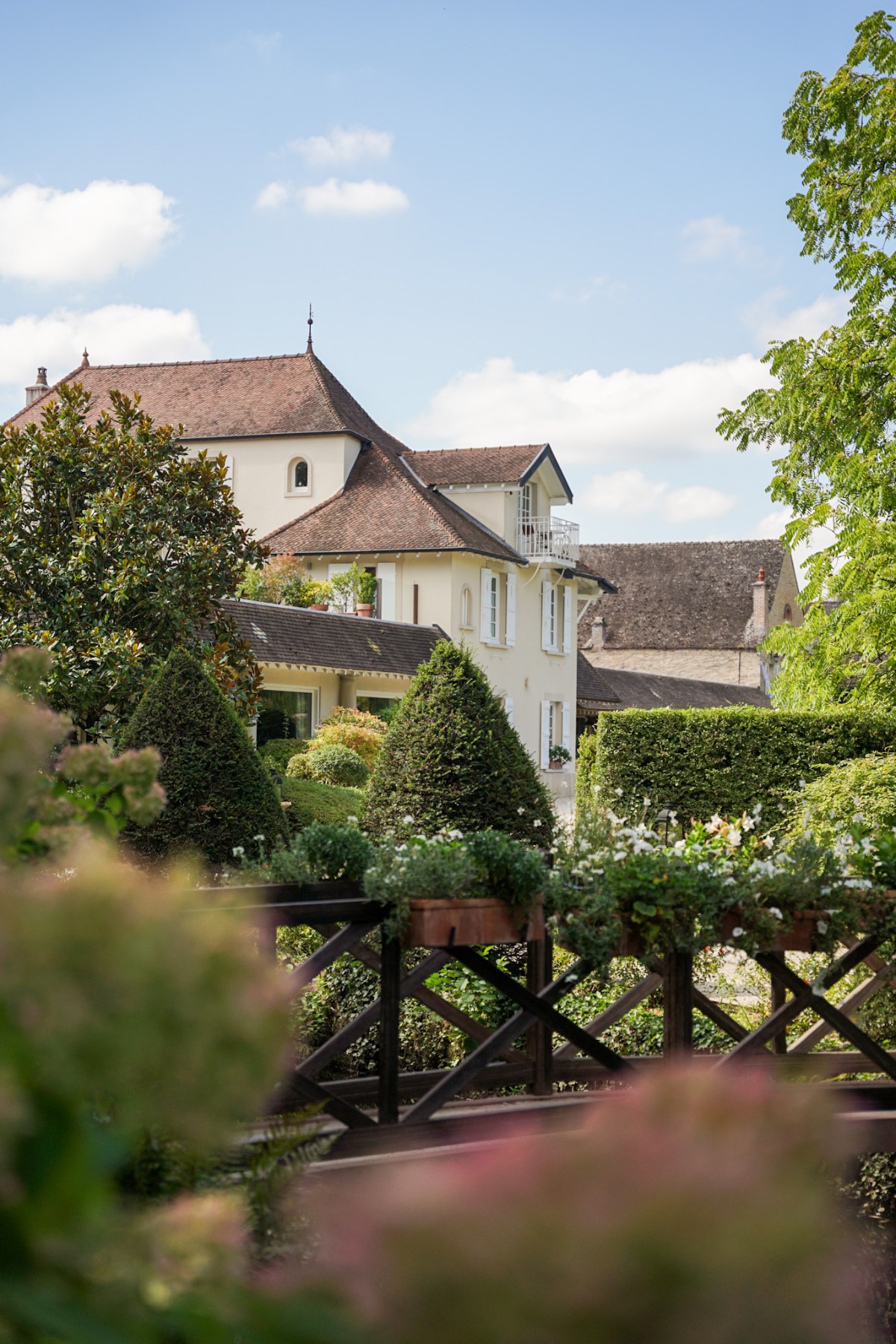
Just south of Beaune proper (about 10 minutes by car), Hostellerie de Levernois is Cary’s top pick for accommodations. A restored 18th-century villa surrounded by lush gardens, the hotel’s 5-star amenities and proximity to Burgundy’s premier vineyards are ideal for empty-nest travelers and adults-only groups. The Relais & Chateaux property’s restaurant, La Table de Levernois, has maintained a Michelin star for several years running, and the hotel’s impressive wine cellar allows guests to indulge in the region’s finest vintages right on site. Pampering awaits at the exquisite spa, while cycling trails beyond the grounds beckon to those up for exploring the countryside by bike.
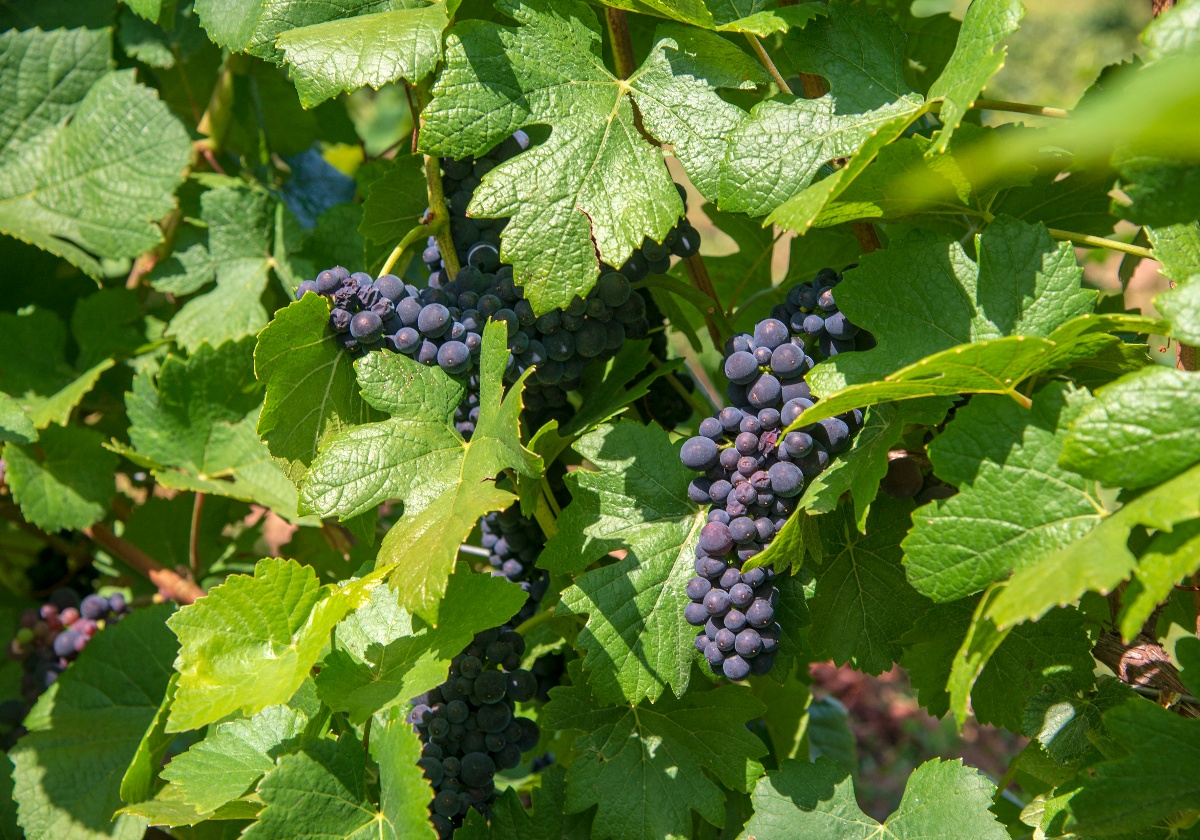
From vineyard harvests to colorful foliage, the gifts of fall make it a leading travel season. Some winemakers begin their harvest as early as late August, with peak grape-picking generally taking place in September.
During the third weekend of November, the annual Hospices de Beaune Wine Auction attracts visitors from all over the world. Special tastings, street performances and other festivities complement the prestigious charity auction that began in 1859. It’s a major event to bear in mind if crowds are a deciding factor for your travels.
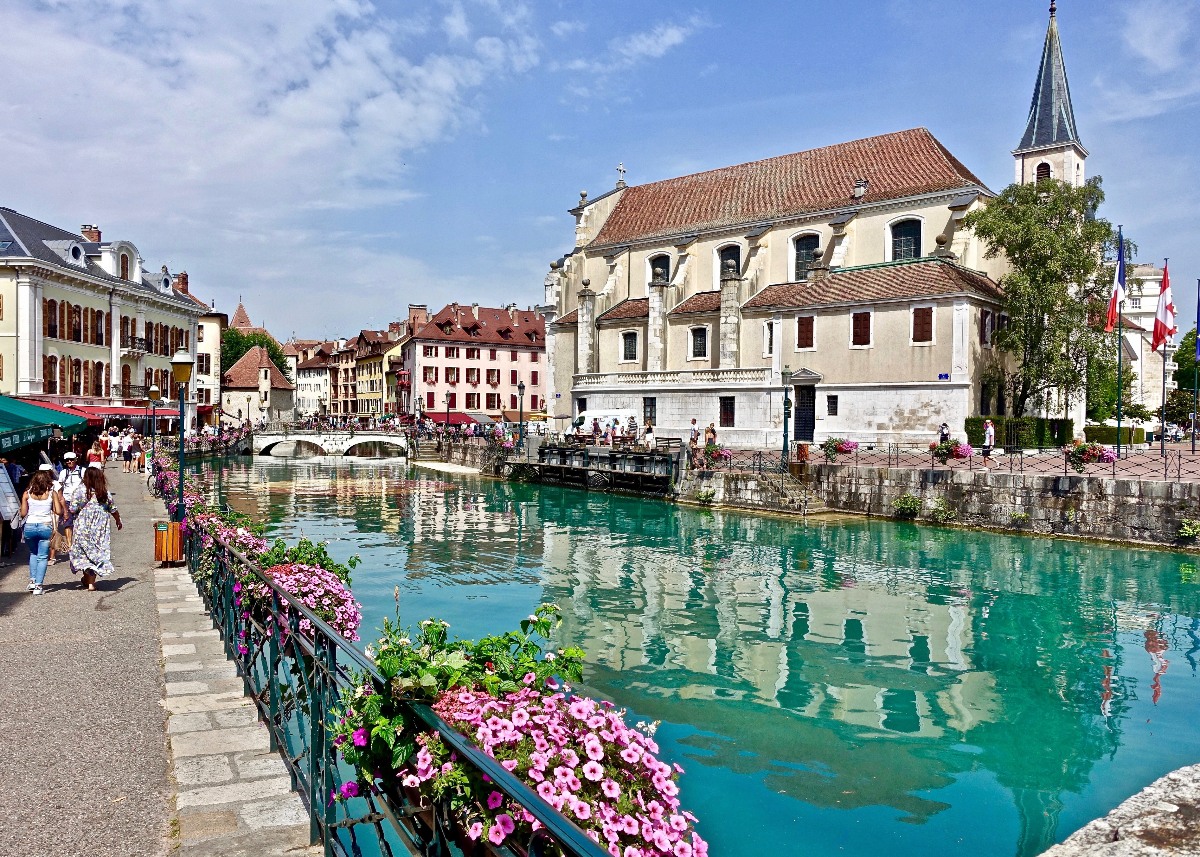
For a longer trip, take advantage of proximity and fuss-free transportation options that make additional stopovers easy. Cary recommends the lakeside town of Annecy, France, as an idyllic place to unwind and recharge after a wine-country excursion. Pastel-painted houses and cobblestone streets frame the turquoise canals that earned the town its moniker as the Venice of the Alps. Cary also suggests pairing France with Switzerland for travelers who have an extra week or so to enjoy this beautiful slice of Europe.
Relevant Links:
Browse all destinations and accommodations in France on Ciao Bambino
52 tips for traveling in France with kids
A family escape to the Dordogne region of France
Things to do in Lyon, France with kids
Why September is the best time to visit Saint-Tropez
France’s Loire Valley with kids: Countryside idylls & castle dreams
Editor’s note: This post was accurate when published. We advise checking independently for the latest information and updates. Ciao Bambino does not accept responsibility or liability for any errors or omissions in, or for any actions taken based on, the information presented.


 travel recommendations, inspiring adventures, and exclusive travel offers
"*" indicates required fields
Want to save all the great intel and tips you are finding on Ciao Bambino? My Trip Planner allows you to bookmark articles, family-friendly hotel reviews, and family vacation packages. Simply click the heart icon on anything you want to save. Site registration is required to get started. Happy planning!
Please fillout the form below to create your free My Trip Planner account.