 Back
Back







 FACEBOOK
 Pinterest
 Instagram

 FACEBOOK
Pinterest
Instagram
FACEBOOK
Pinterest
Instagram
For first-time visitors to Japan, it would be almost criminal not to visit big-ticket sights in Tokyo and Kyoto. But rather than simply checking the boxes, you can craft a more grounded-feeling itinerary by mixing in a few under-the-radar attractions in addition to the must-see spots.
This approach will give you a chance to commune with worthy temples and gardens that offer a bit of welcome solitude in between the well-worn tourist path locales that require more bobbing and weaving around other visitors. Lest we give you the wrong idea, these sights are all decorated and important in their own rights. Some figure into many domestic tourism agendas but are still less traveled by foreign tourists.
Meiji Shrine and Sensoji Temple are iconic for a reason, but there are many other interesting stops that are bound to captivate. Tokyo is vast — you can take a train for more than an hour and still be in the city proper. A lot of the beauty of visiting different sites can be found in the coming and going and immersing yourself in varied, unique streets and neighborhoods.
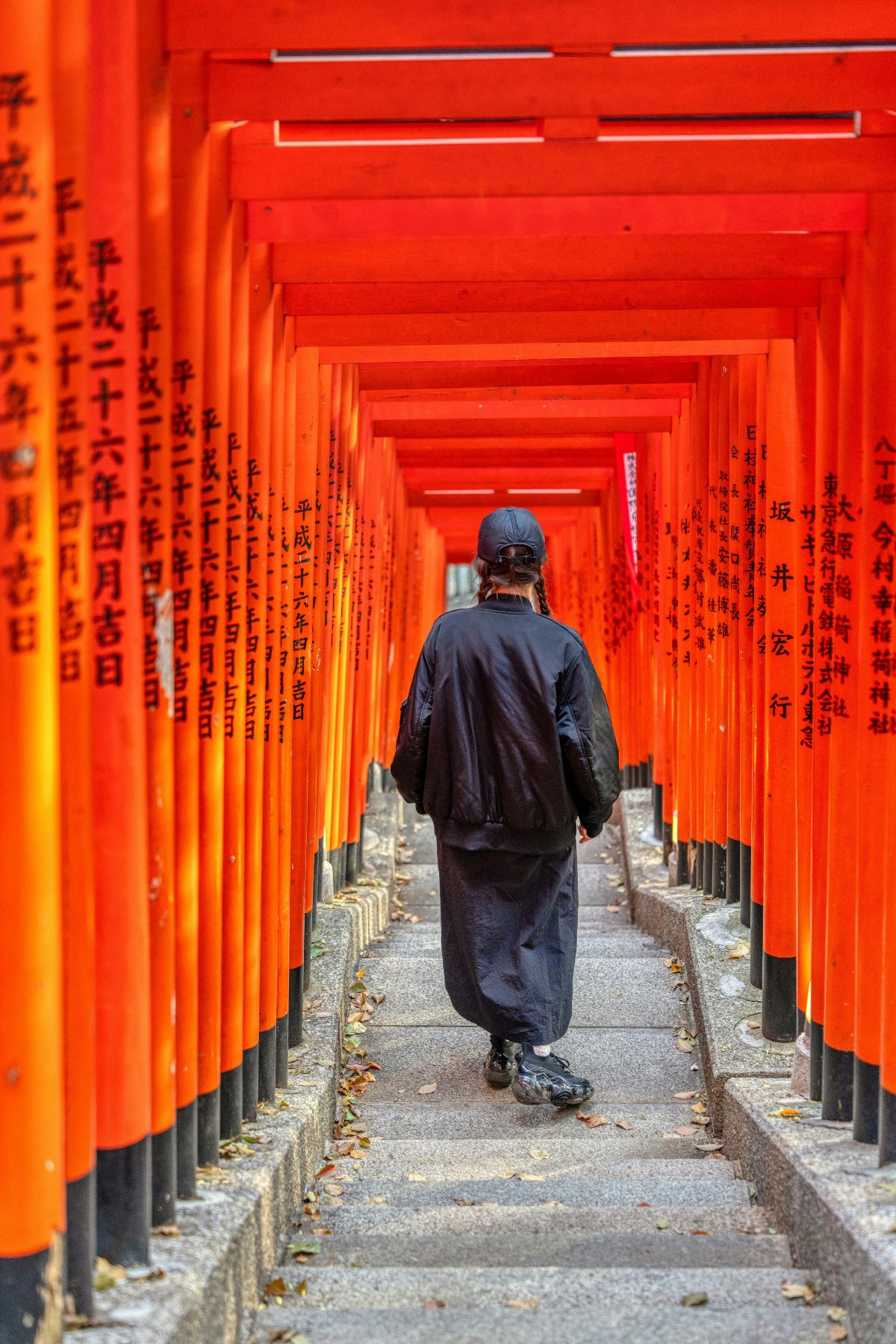
Although the sizeable, hillside-located Hie Shrine is considered one of the major shrines of Tokyo, it’s not overrun with tourists. It has all the majesty of iconic torii gates (which number more than 90) yet still remains rather peaceful. Visitors will appreciate the outdoor escalator that makes the steep terrain easier to navigate. On certain days of the week, you can visit the small treasure house with a collection of 17th-century artifacts, including swords and historic calligraphy. Hie is also known for the sacred monkey sculptures that look over and protect it.
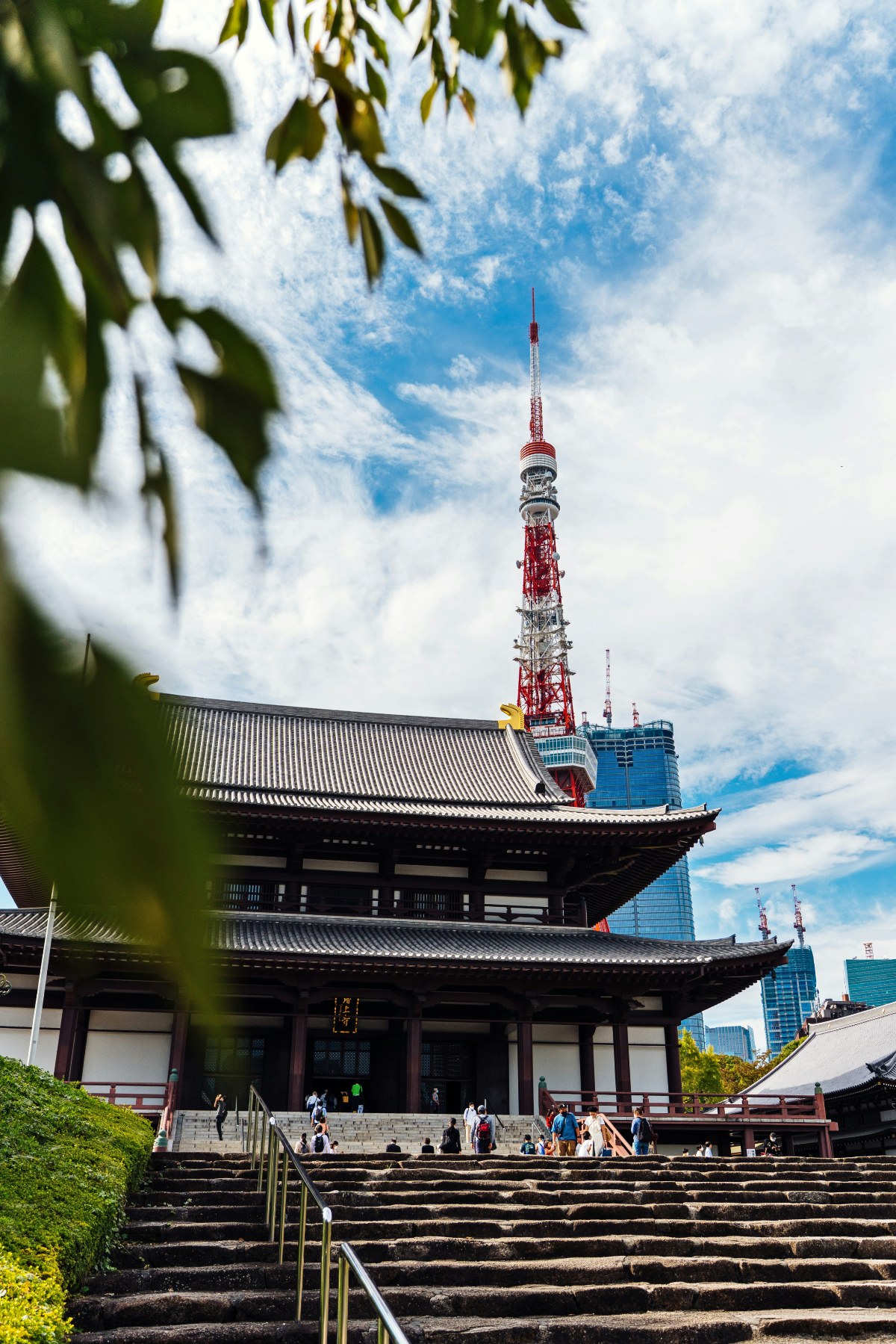
Founded in 1622 in homage to the Jodo sect of Buddhism, Zojoji is important to Japanese history, as it was the family temple of the Tokugawa clan that ruled during the Edo time period. It is almost hidden in plain sight, with an extremely central position in the shadow of Tokyo Tower. Zojoji’s impressive red main gate, also known as Sangedatsumon, is sure to wow and is remarkably intact, having survived many earthquakes and wars (including the bombings during World War II). Don’t miss the main hall with its wooden edifice and whitewashed walls.
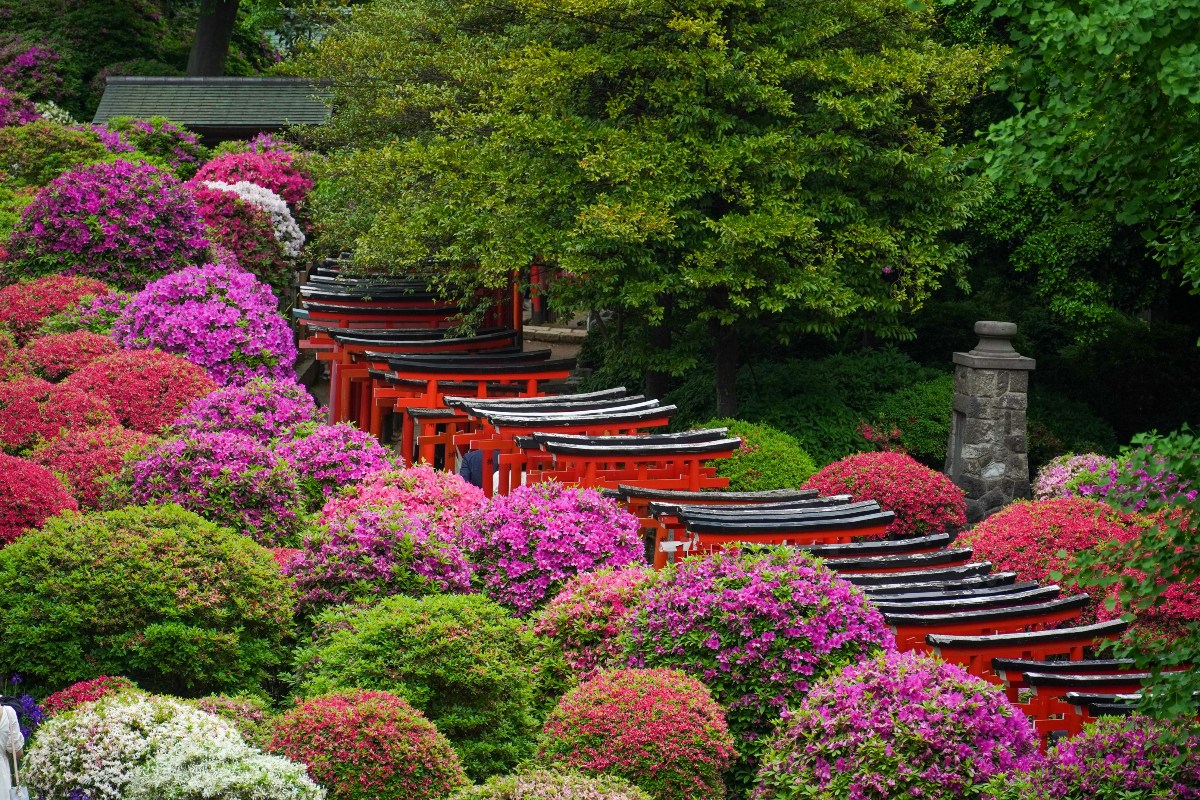
This incredible Shinto site is almost 2,000 years old and its red torii gates are often photographed for their tunnel effect, much like some shrines in Kyoto. Nezu honors the god of seas and storms and is often visited for protection from their potential wrath. With an extremely lengthy history, Nezu was the site where Emperor Meiji sent envoys for divine blessing when he moved the capital of Japan from Kyoto to Tokyo in 1868. In addition to the torii gates, the complex includes an ornately designed two-story main gate, an azalea garden celebrated with a festival in spring, and a small shrine at the top dedicated to the god of rice and prosperity.
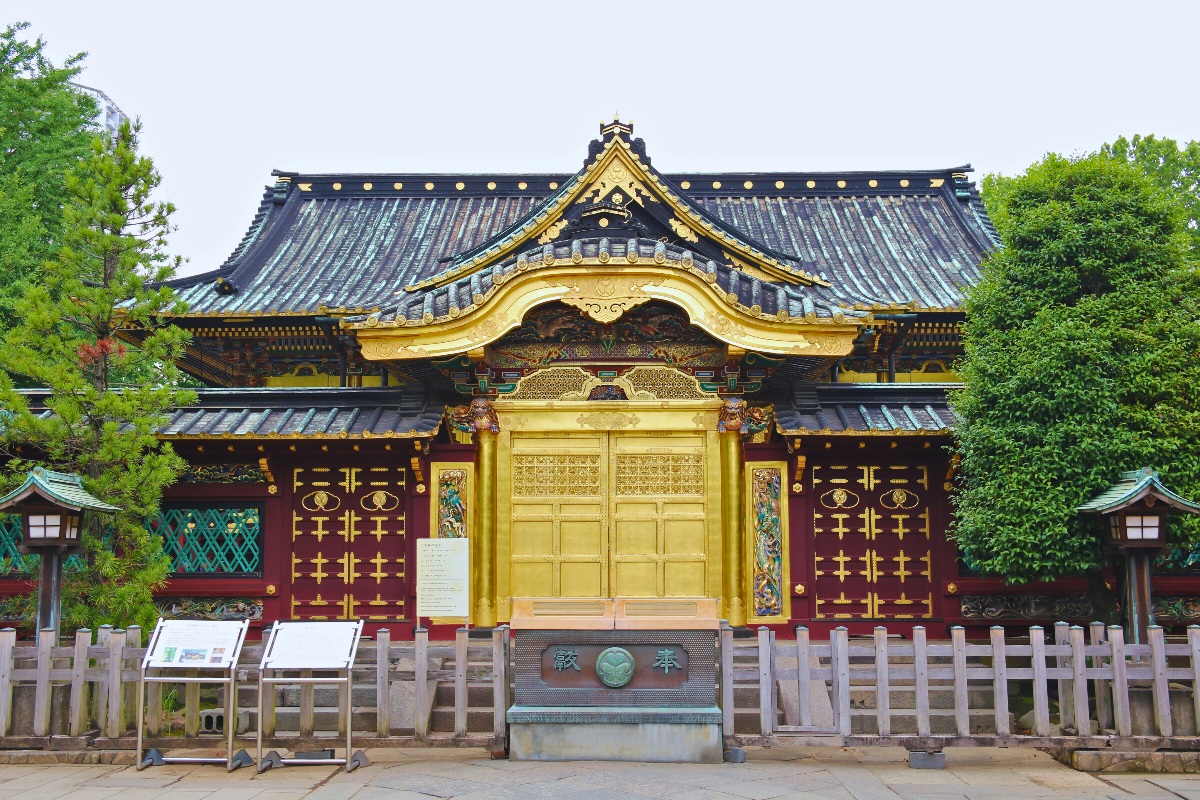
Near Nezu lies Ueno Toshogu Shrine, located within the expansive and leafy Ueno Park (which is a worthy destination in its own right). Built in 1627, this important and highly decorated shrine memorializes the founder of the Tokugawa Shogunate that ruled Japan for more than 250 years. Highlights include the five-story pagoda, the wooden carvings of the shrine building, the peony garden and the Yomeimon Gate, which drips with gold leaf and has been called the most beautiful gate in Japan.
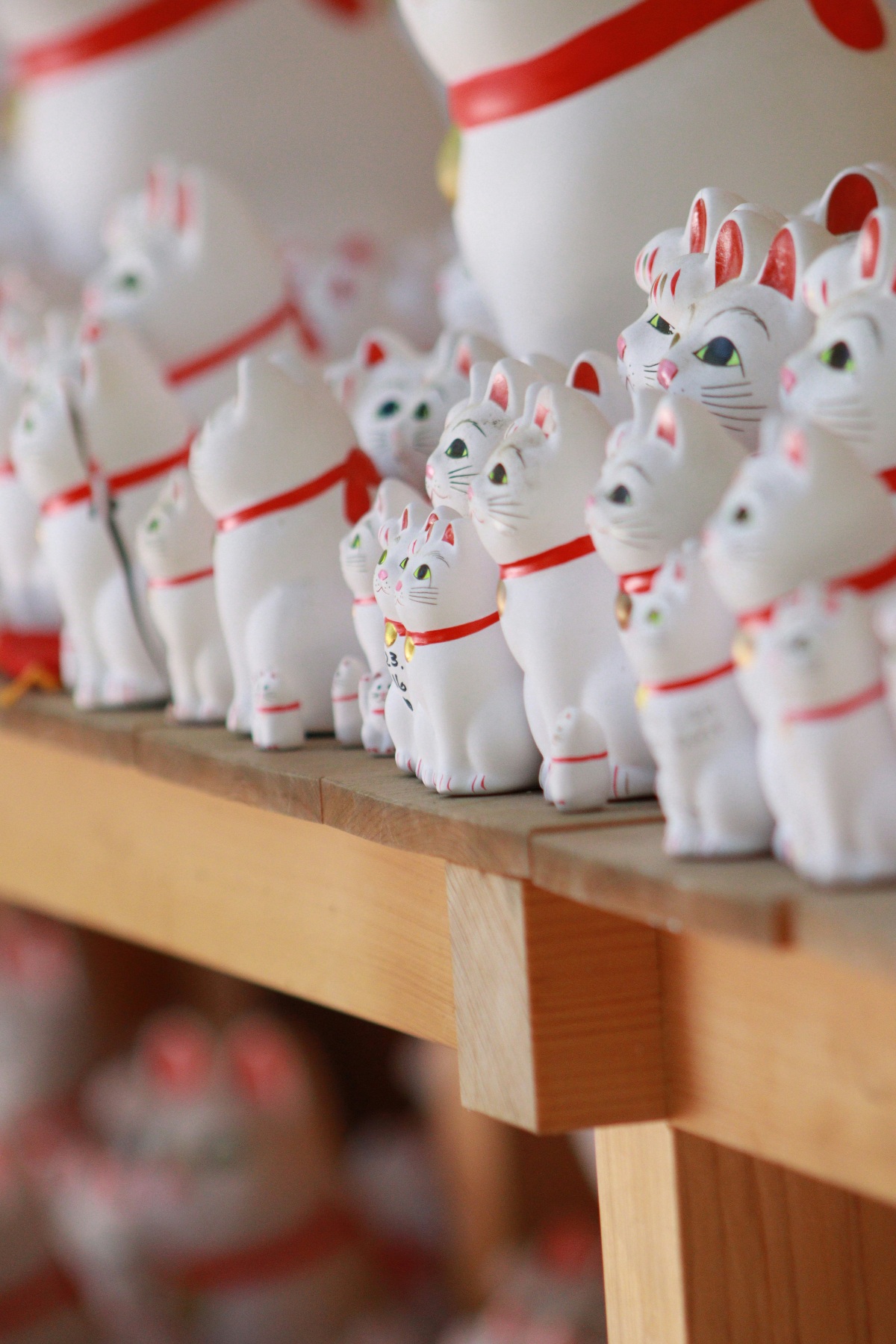
This one is farther afield, but worth the trip for cat-lovers (and definitely one for the Instagram crowd). Gotokuji celebrates the maneki neko, or beckoning cats, typically cast in white or gold. The raised paw is a luck signal — a left paw beckons customers to a business; a right paw invites personal fortune and wealth. You can buy your own maneki neko, make a wish and leave it in your spot of choice. Younger kids and teens may particularly enjoy seeing the hordes of identical cats waiting patiently to fulfill people’s hopes and desires.

Send us a quick inquiry, and we’ll pair you with an expert Travel Advisor who can design a custom itinerary, arrange private guides and experiences, and book vetted accommodations, often with valuable perks to pass along.
Although Kyoto has almost 2,000 temples and shrines, most international visitors barely scratch the surface, often visiting the same handful of places. We’re not suggesting you skip Kiyomizu or Kinkakuji — just augment with sites that feel lower-key and allow for peaceful reflection.
Another strategy is to spend time at the less touristed areas of popular spots. For example, the extensive red torii gates of Fushimi Inari are a huge draw, but rather than jostling with the masses along the main trail, you can find an utterly different vantage point and outlook along the many connected local trails.
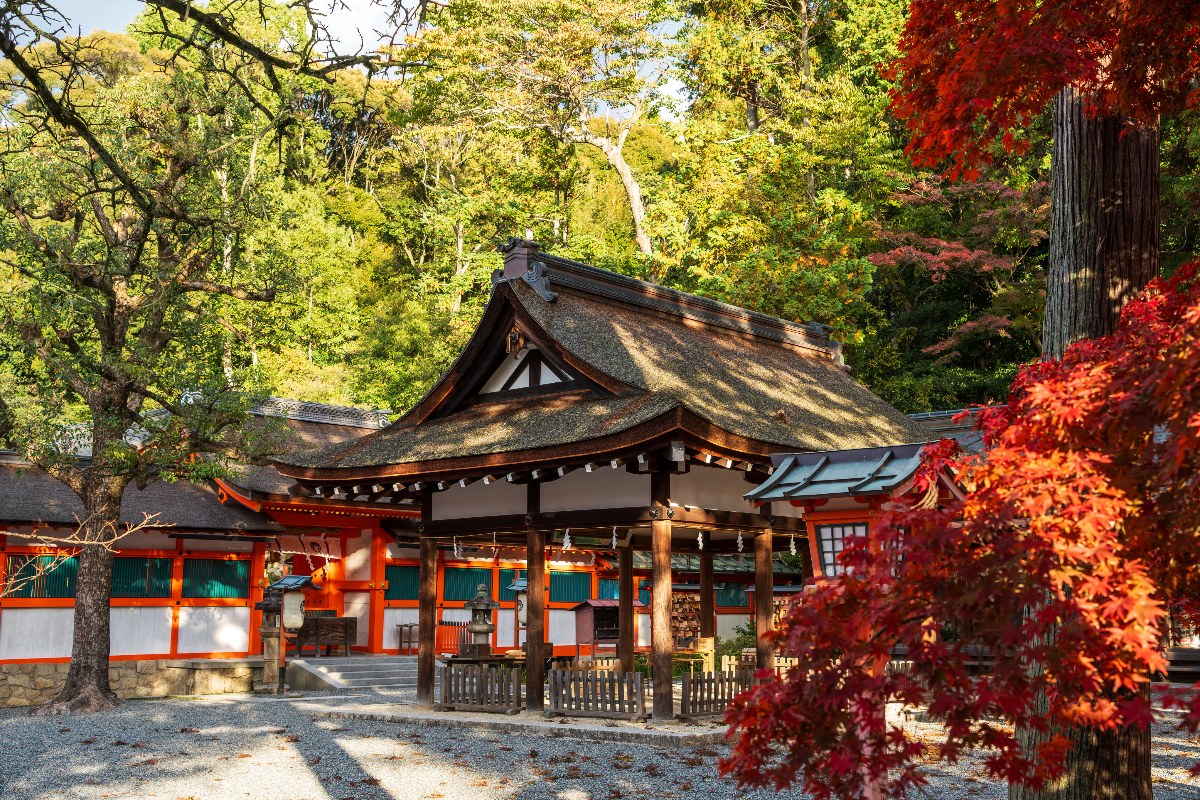
This Shinto shrine dates to 859 and houses a grouping of temples and smaller sub-temples, making it a high-value stop near Kyoto University. Yoshida draws visitors for its Setsubun festival in early February — a ritual to ward off evil spirits — and a visit here also puts Shinnyodo and Kurodani Temples within easy reach. The parklike atmosphere makes it a welcome spot for appreciating local beauty and taking scenic photos, including plenty of torii gate shots.
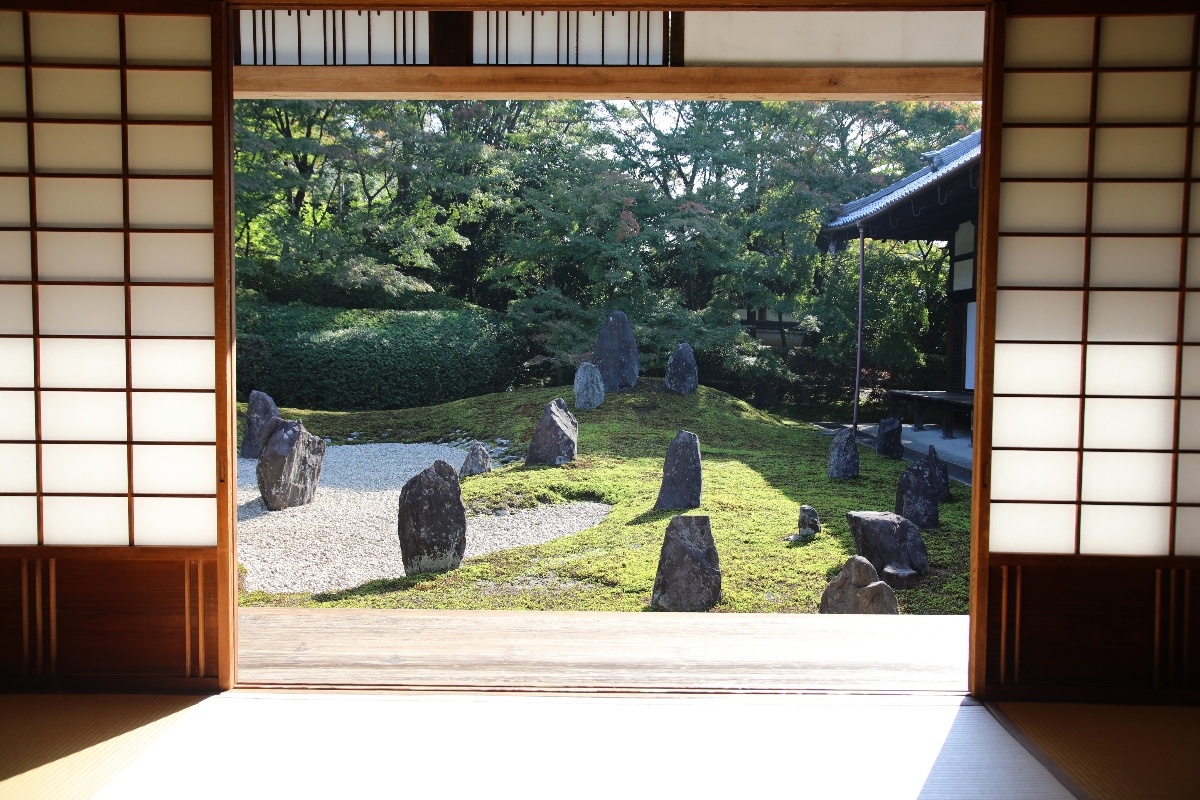
Despite its location near Fushimi Inari, this under-the-radar Buddhist Temple and Zen rock garden manages to remain peaceful. The rock garden is an ideal spot to commune with nature and ponder one of those famous zen koans, and the surrounding area is prized for its gorgeous fall foliage. In fact, while this somewhat hidden spot is free to visit most of the year, it does charge a fee during the autumn leaf season.
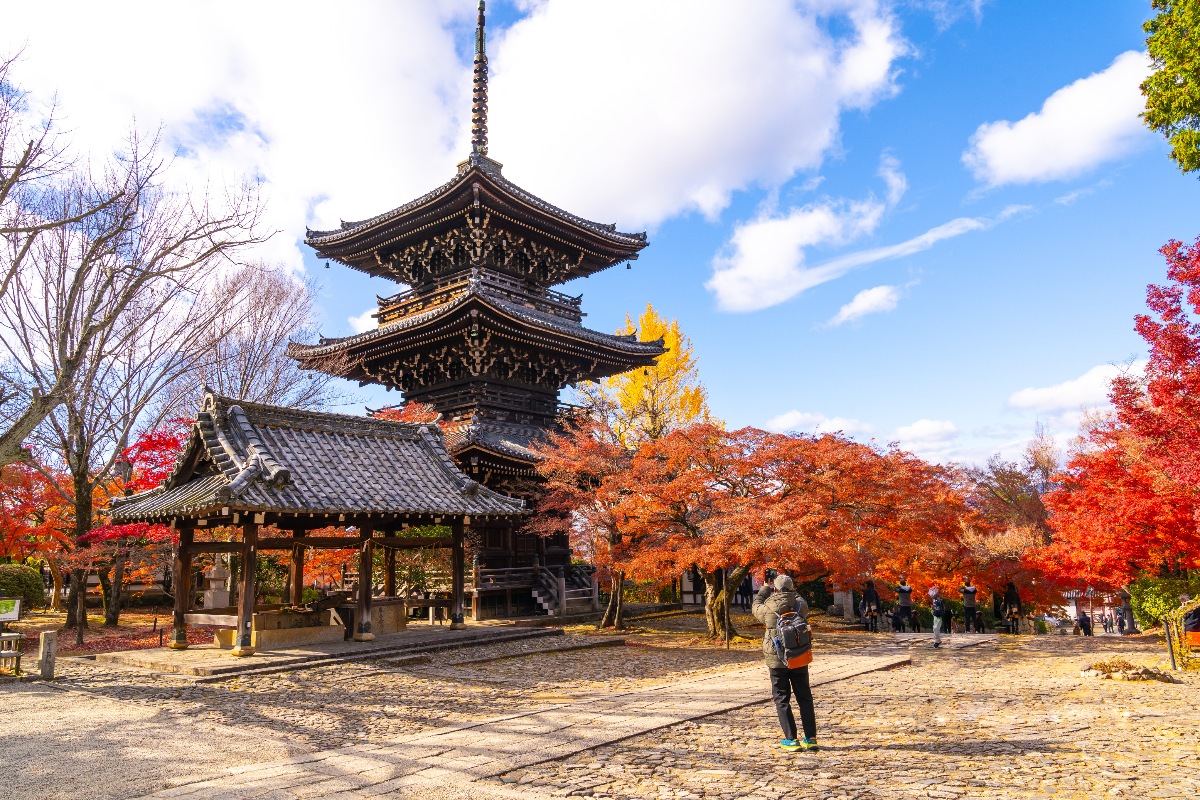
Close to Ginkakuji and the Philosopher’s Path, Shinnyodo is a Buddhist Temple of the Tendai sect, notable for its picturesque three-story pagoda, excellent examples of typical dry gardens and a Buddha statue in the main hall. The temple looks particularly beautiful in the fall when the leaves are changing, but makes a welcome and memorable stop any time of year.
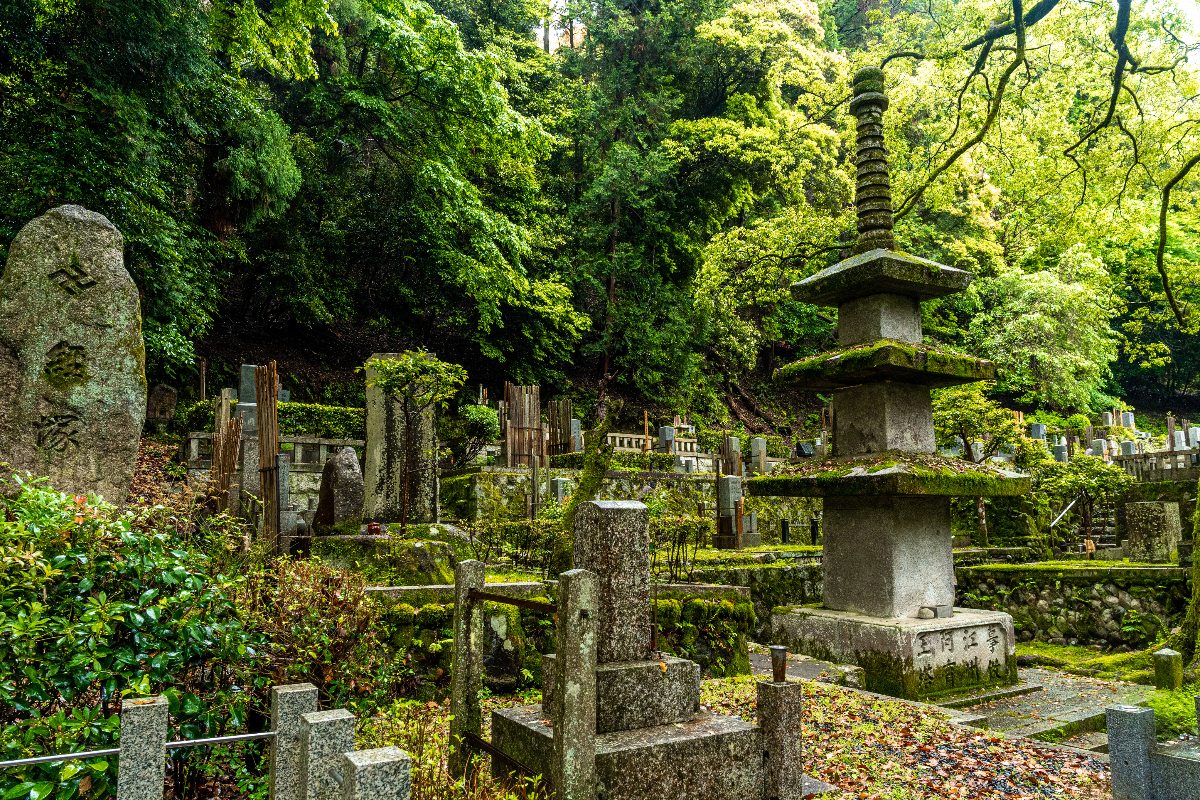
Also near the Philosopher’s Path, Honen-in was founded in 1680 to honor the Buddhist monk Honen. The temple carries a spiritual aura and holds natural beauty in high regard, its ambiance shifting notably with the seasons. A thatched-gate entrance leads to manicured sand art mounds, a koi pond and traditional Japanese gardens.
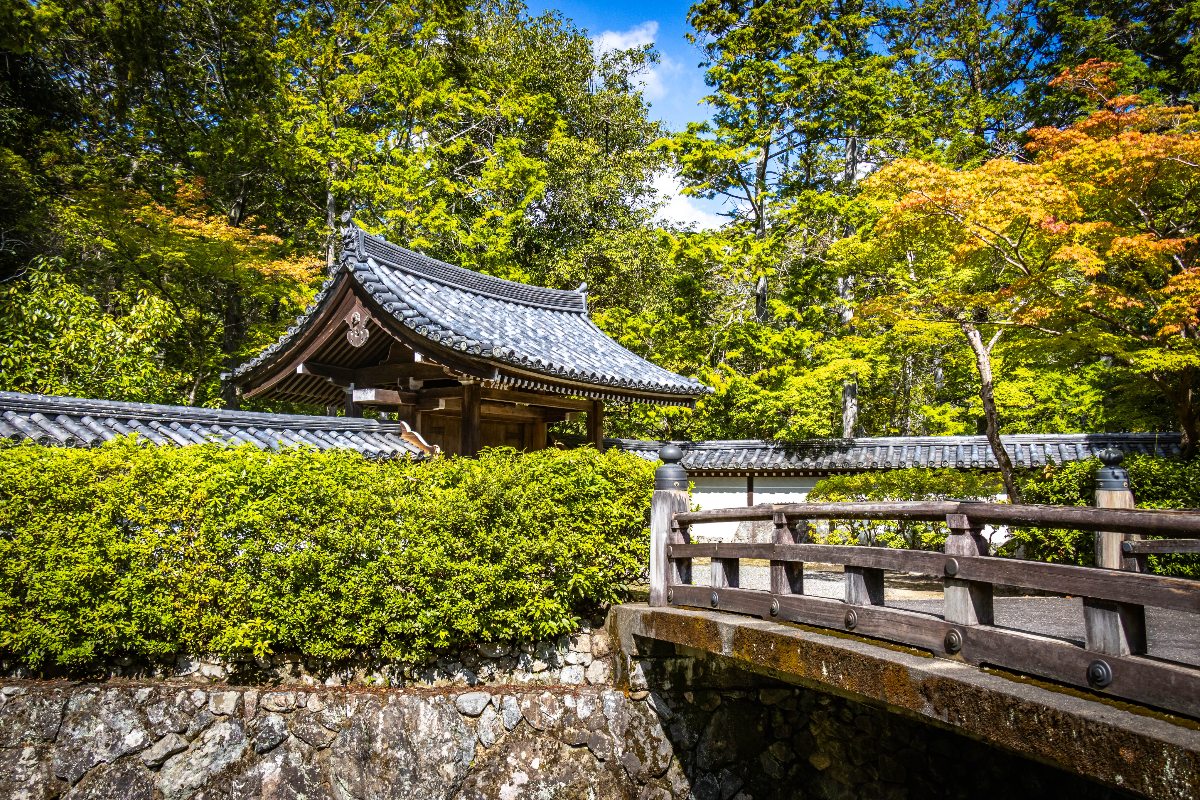
Located in western Kyoto, Kokedera — also known as Saihoji or the Moss Temple — is a UNESCO World Heritage site. Much is made of Kokedera as a place that brings visitors into harmony with nature, and it was reportedly Steve Jobs’s favorite spot in Japan (the Moss Temple is said to have influenced much of the clean design and simplicity found in Apple products today). Beyond the extensive gardens, visitors are encouraged to sit in the main hall and trace a pre-printed sutra to calm the mind, taking home a copy as a keepsake.
Relevant Links:
Browse all destinations and accommodations in Japan on Ciao Bambino
Unforgettable things to do in Kyoto with kids
Best 1-week Japan itinerary with kids
9 favorite day trips from Tokyo with kids
Seasons of Japan: When is the best time to plan your trip?
Editor’s note: This post was accurate when published. We advise checking independently for the latest information and updates. Ciao Bambino does not accept responsibility or liability for any errors or omissions in, or for any actions taken based on, the information presented.


 travel recommendations, inspiring adventures, and exclusive travel offers
"*" indicates required fields
Want to save all the great intel and tips you are finding on Ciao Bambino? My Trip Planner allows you to bookmark articles, family-friendly hotel reviews, and family vacation packages. Simply click the heart icon on anything you want to save. Site registration is required to get started. Happy planning!
Please fillout the form below to create your free My Trip Planner account.