 Back
Back







 FACEBOOK
 Pinterest
 Instagram

 FACEBOOK
Pinterest
Instagram
FACEBOOK
Pinterest
Instagram
For many families, an African safari sits high on the travel wish list, but choosing where to go can feel overwhelming. For those willing to venture a bit farther afield from the typical spots like Kenya and South Africa, Zambia offers something different: a safari experience that feels more intimate, more adventurous and ultimately more rewarding.
“Zambia is usually someone’s second or third safari,” says Ciao Bambino’s Africa travel partner Abigail Gable. “It’s not as commercialized, which honestly makes it a favorite of regular safari-goers.”
That authenticity is exactly what makes Zambia such a compelling choice for families, especially those with older kids or teens. Instead of simply checking off animals on a game drive, you can watch elephants swim between islands, track paw prints on foot or cruise past pods of hippos at sunset. It’s immersive, active and just a little bit off the beaten path.
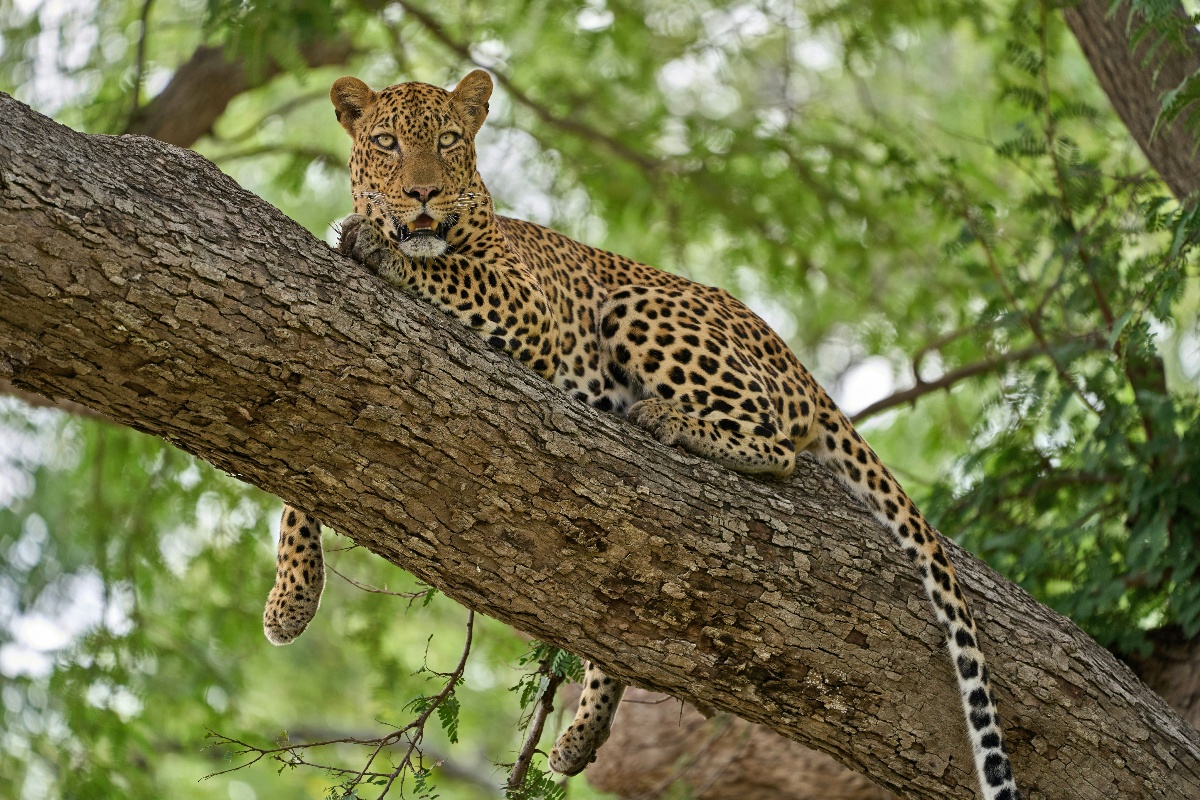
Want a classic safari experience with a twist? Head to South Luangwa National Park. It’s famous for its walking safaris, a uniquely Zambian experience where families with older kids and teens can explore the bush on foot with some of Africa’s most highly trained guides. Guided walking safaris can be a powerful way to connect with the environment — tracking animal prints, learning about native flora and, in some cases, observing wildlife at a safe but thrilling proximity.
Known as the “Valley of the Leopard,” South Luangwa National Park is especially renowned for its leopard sightings, often considered among the best in Africa. The park also has strong populations of lions, elephants and African wild dogs.
Another bonus: Safari camps here tend to operate within loosely defined boundaries, which limits vehicle traffic and creates a more exclusive, less crowded feel.
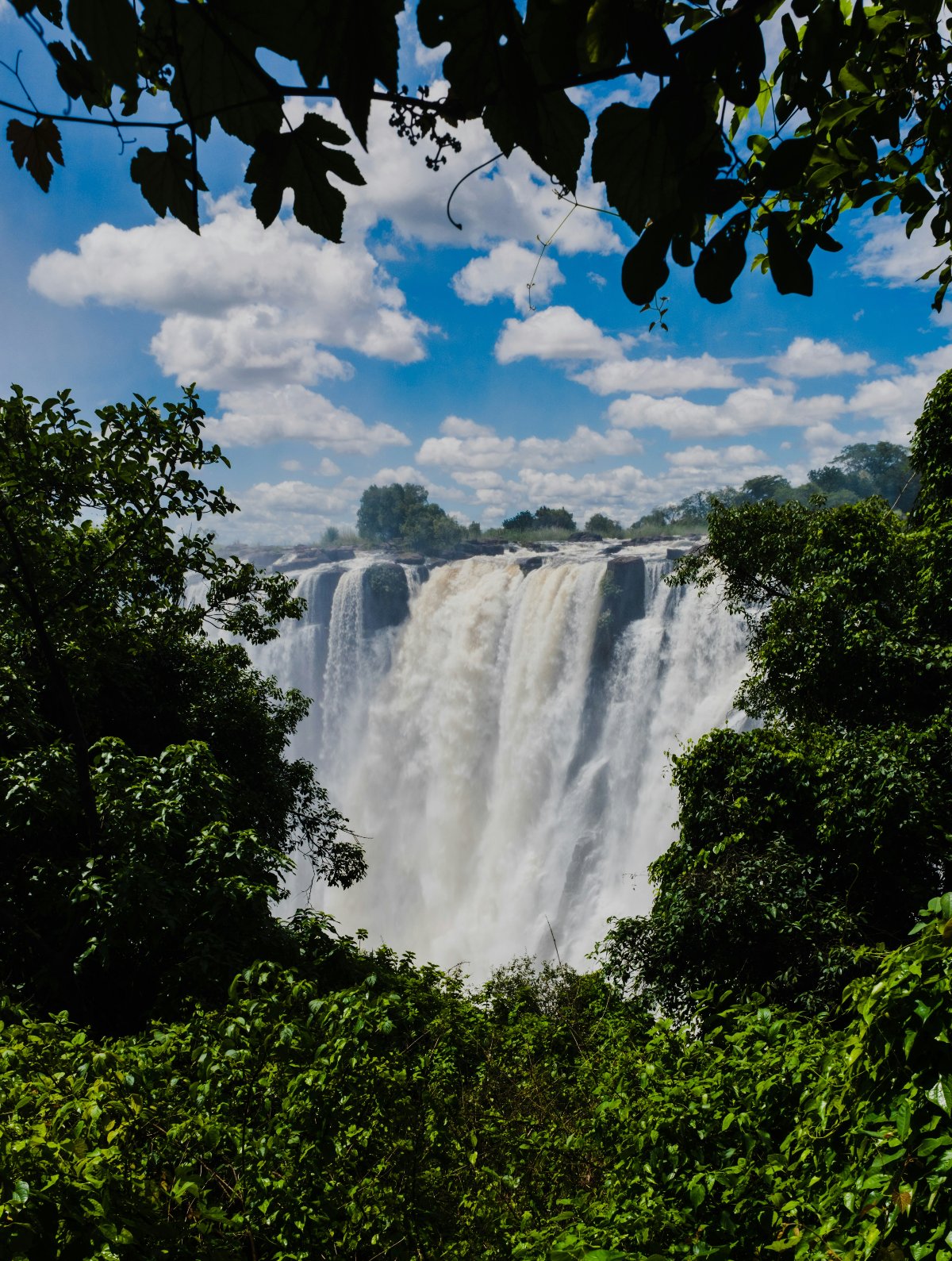
Most Zambia itineraries include a stop at Victoria Falls, one of the world’s largest and most spectacular waterfalls, which straddles the border with Zimbabwe. On the Zambian side, families typically stay in lodges along the Zambezi River, just a short distance from the falls. These lodges offer all-inclusive stays with river views and a mix of relaxing and active excursions. Boat cruises down the Zambezi River and game drives to see rhinos are among the most popular activities.
The Zambia side offers a more intimate, up-close view of the falls, which is particularly good to visit in the springtime during the peak water season. Many families choose to visit the falls on the Zimbabwe side as well, which offers a broader panorama with a visible waterfall even during the drier months.
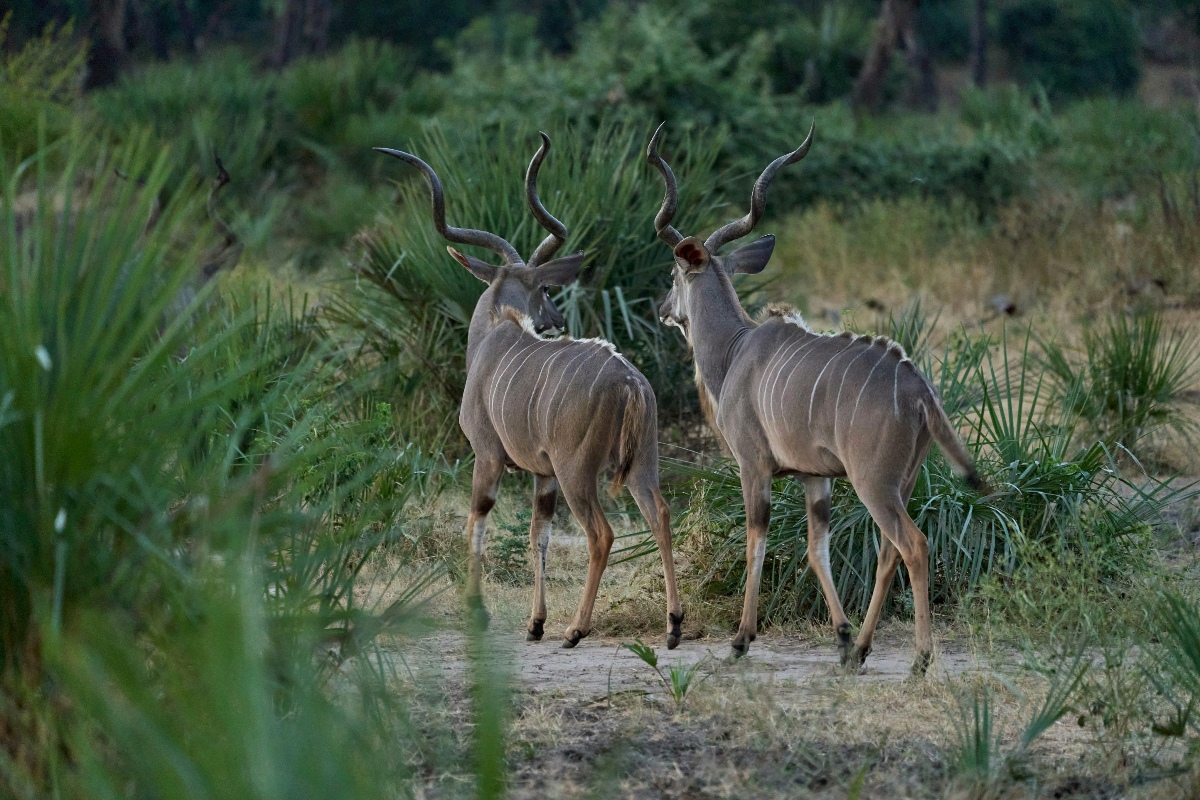
In Lower Zambezi National Park, the river isn’t just a backdrop, but rather the heart of the safari adventure. In addition to game drives through riverine forests, families can take to the water in canoes or small motorboats, gliding past the buffalo and elephants that frequently cross between islands.
The park is known for its incredible elephant encounters, including the rare sight of bulls standing on their hind legs to reach fruit in the trees. Combine that with strong leopard sightings and a steady parade of birds and other wildlife along the banks, and Lower Zambezi becomes a dynamic, ever-changing playground.

We handle the details, you focus on the fun! Get info and read FAQs about our custom vacation planning service, from boutique hotel bookings to hand-designed itineraries and activities you can’t book on your own.
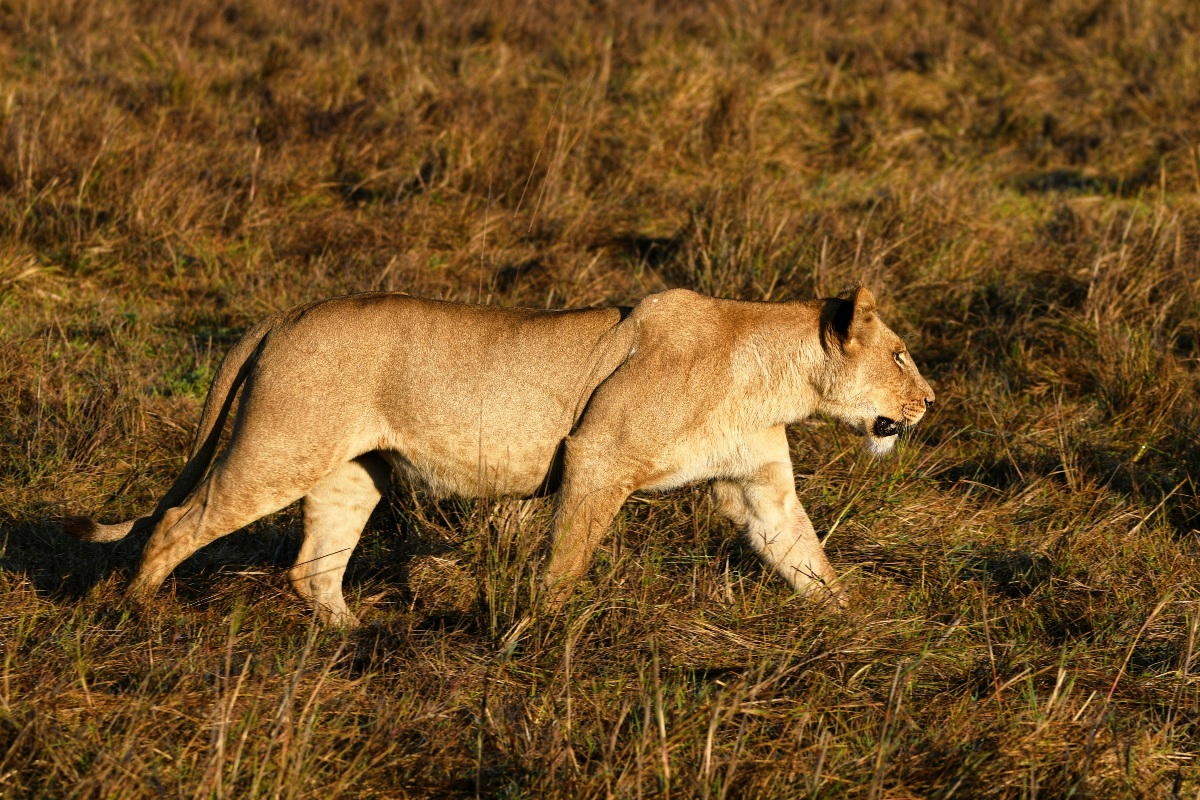
If your family is seeking a true escape, Kafue National Park delivers in a big way. One of Africa’s largest national parks, Kafue is incredibly remote, and that remoteness means wildlife can be a bit more challenging to spot, particularly in the park’s densely forested regions. But patience is often rewarded with animal encounters you’ll be talking about long after you return home.
The highlight for many families is the Busanga Plains, a seasonal floodplain in the northern part of the park that feels straight out of a nature documentary. Here, wide-open savannas dotted with acacia trees and date palms are home to large lion prides (some numbering 20 or more) as well as antelope and other game.
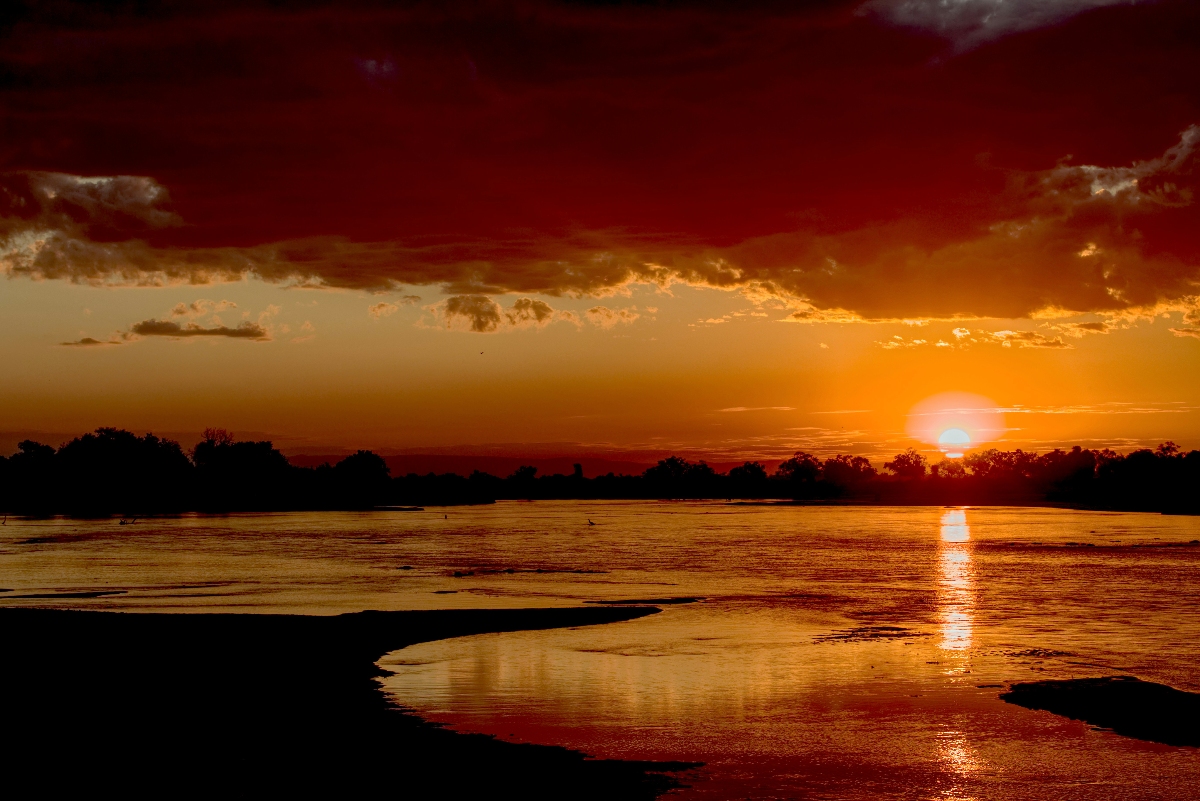
Timing your trip is one of the most important decisions when planning a Zambia safari. Unlike some other African destinations, Zambia is highly seasonal, and many camps close entirely during the rainy months when roads become impassable.
For the best wildlife viewing, plan your visit between April and October, when conditions are dry and animals gather around water sources.
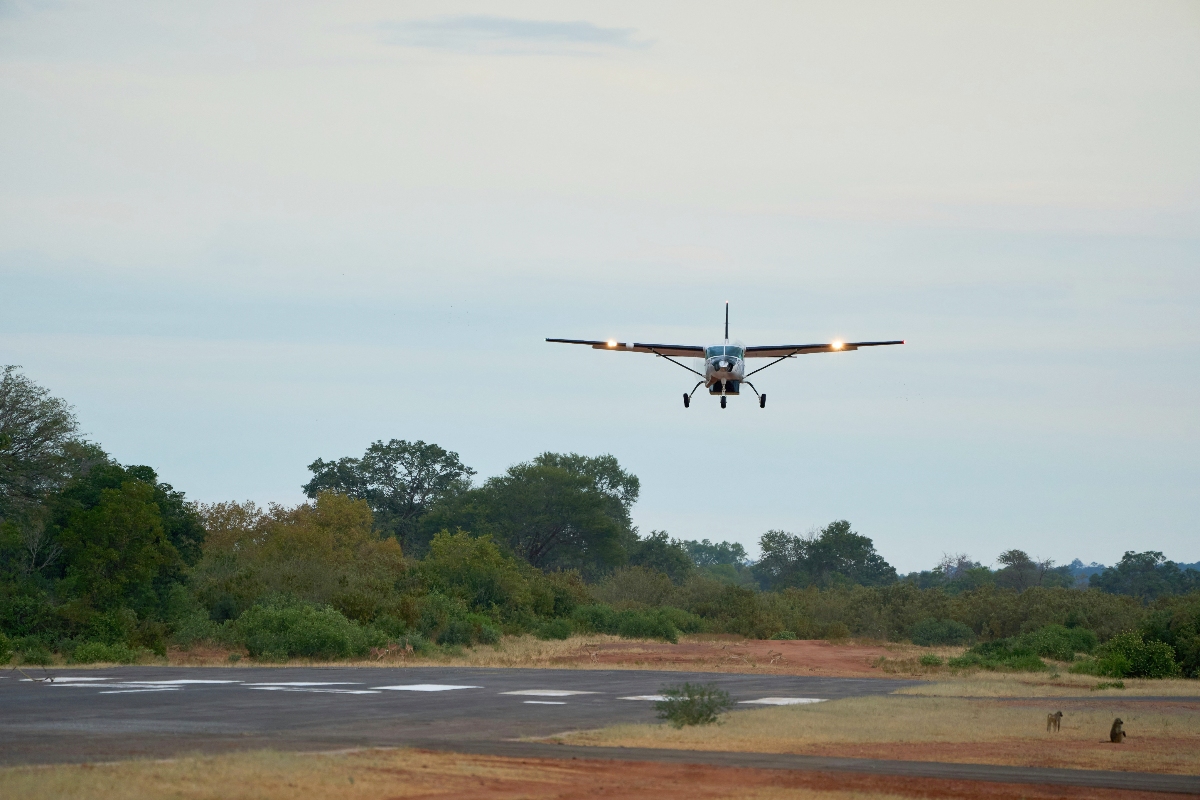
Getting to Zambia is easier than it might seem, though it does involve a few well-coordinated steps. Most families connect through Johannesburg or Dubai, with onward flights into Kenneth Kaunda International Airport (Lusaka) or Harry Mwaanga Nkumbula International Airport, the gateway to Victoria Falls.
From there, travel becomes part of the adventure: families typically board small regional aircraft — either short jet flights or even smaller prop planes — to reach remote safari areas like South Luangwa National Park or Lower Zambezi National Park. While these bush flights may sound daunting, they’re a memorable highlight for many kids (and parents!), providing incredible bird’s-eye views of rivers and wildlife.
Zambia’s landscape is vast and remote, and having vetted local guides and other professionals is essential. Ciao Bambino’s Travel Advisors work with carefully selected on-the-ground partners, such as Abigail Gable and her team, to ensure that travel logistics and time in-country are handled without a hitch. CB partners also have access to luxury lodges and camps that combine an authentic feel with generous creature comforts, meaning there’s no need to rough it. Get in touch for more info.
Relevant Links:
Browse all ideas for nature and wildlife trips on Ciao Bambino
Essential tips for taking an African safari with kids
Everything you need to know for a Botswana family safari
Where to go on a South Africa family vacation
Essential tips for a family-friendly Tanzania safari
3 Belmond properties for a kid-friendly luxury vacation in Africa
Editor’s note: This post was accurate when published. We advise checking independently for the latest information and updates. Ciao Bambino does not accept responsibility or liability for any errors or omissions in, or for any actions taken based on, the information presented.


 travel recommendations, inspiring adventures, and exclusive travel offers
"*" indicates required fields
Want to save all the great intel and tips you are finding on Ciao Bambino? My Trip Planner allows you to bookmark articles, family-friendly hotel reviews, and family vacation packages. Simply click the heart icon on anything you want to save. Site registration is required to get started. Happy planning!
Please fillout the form below to create your free My Trip Planner account.