 Back
Back







 FACEBOOK
 Pinterest
 Instagram

 FACEBOOK
Pinterest
Instagram
FACEBOOK
Pinterest
Instagram
Hue doesn’t often make the short list for a Vietnam itinerary, but there’s arguably no better place to delve into the country’s tangled history than this small city perched halfway down the coast. After centuries of political tumult, Hue grabbed the limelight as the capital from 1802 to 1945; the town and its surrounding provinces would later endure some of the most brutal battles of the Vietnam War. Now a modern city of half a million, Hue thrives on the banks of the Perfume River, with the landmark Trang Tien Bridge connecting the old neighborhoods to the new ones.
Two days is ample time to explore Hue, pronounced “hway.” Add another if you plan on a day trip farther afield, like Bach Ma National Park or the beaches on the South China Sea. Temples, mausoleums, pagodas and other historic monuments are the biggest highlights in town — kids may start to find these repetitive after they’ve seen a few, so it’s best to pick and choose with the help of a trusted kid-friendly tour guide who can put together just the right city tour of Hue for your interests. Here’s what we enjoyed most during our recent visit.
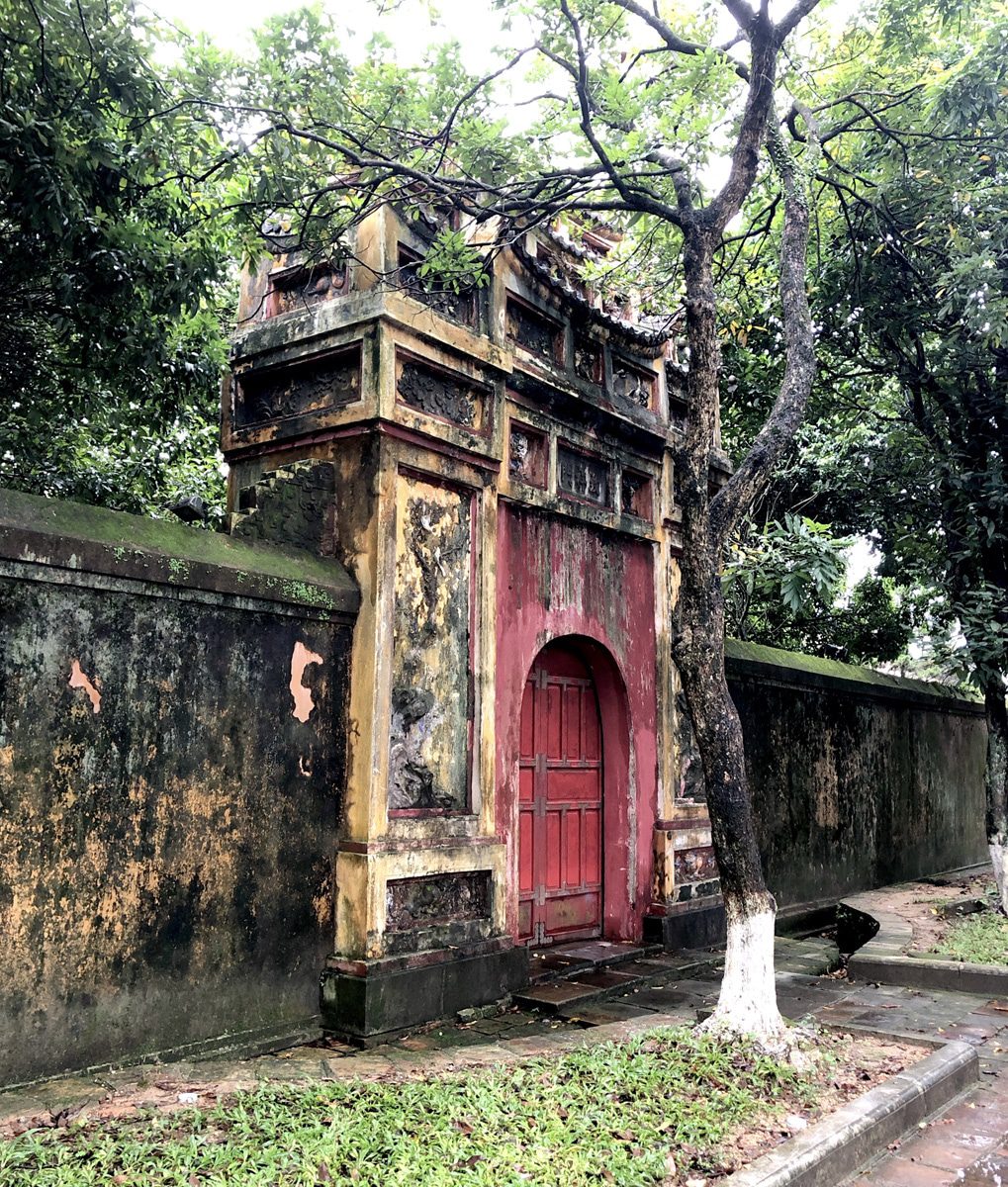
This imposing complex in Hue’s old town was the seat of the ruling Nguyen Dynasty — Vietnam’s last — throughout most of the 19th century. One of the country’s eight UNESCO World Heritage Sites, it sprawls over several square miles. Elaborate gates mark what once were important points of entry for varied classes of royalty and citizens, while a fortified stone wall and a moat enclose the remains of palaces, outbuildings, workers’ quarters, a lavish temple (still in use), a library, a theater, gardens and more. The Forbidden Purple City, the emperor’s inner sanctum, presides over the core.
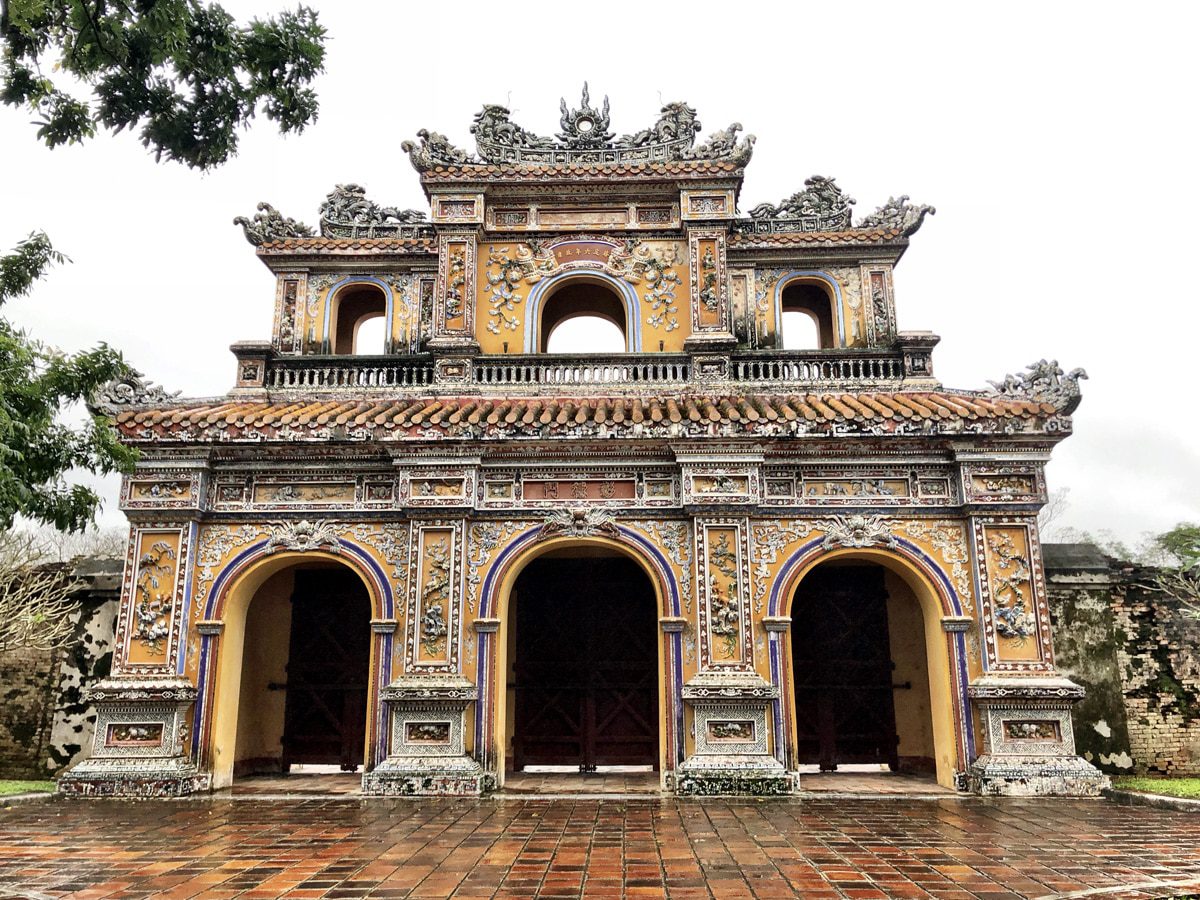
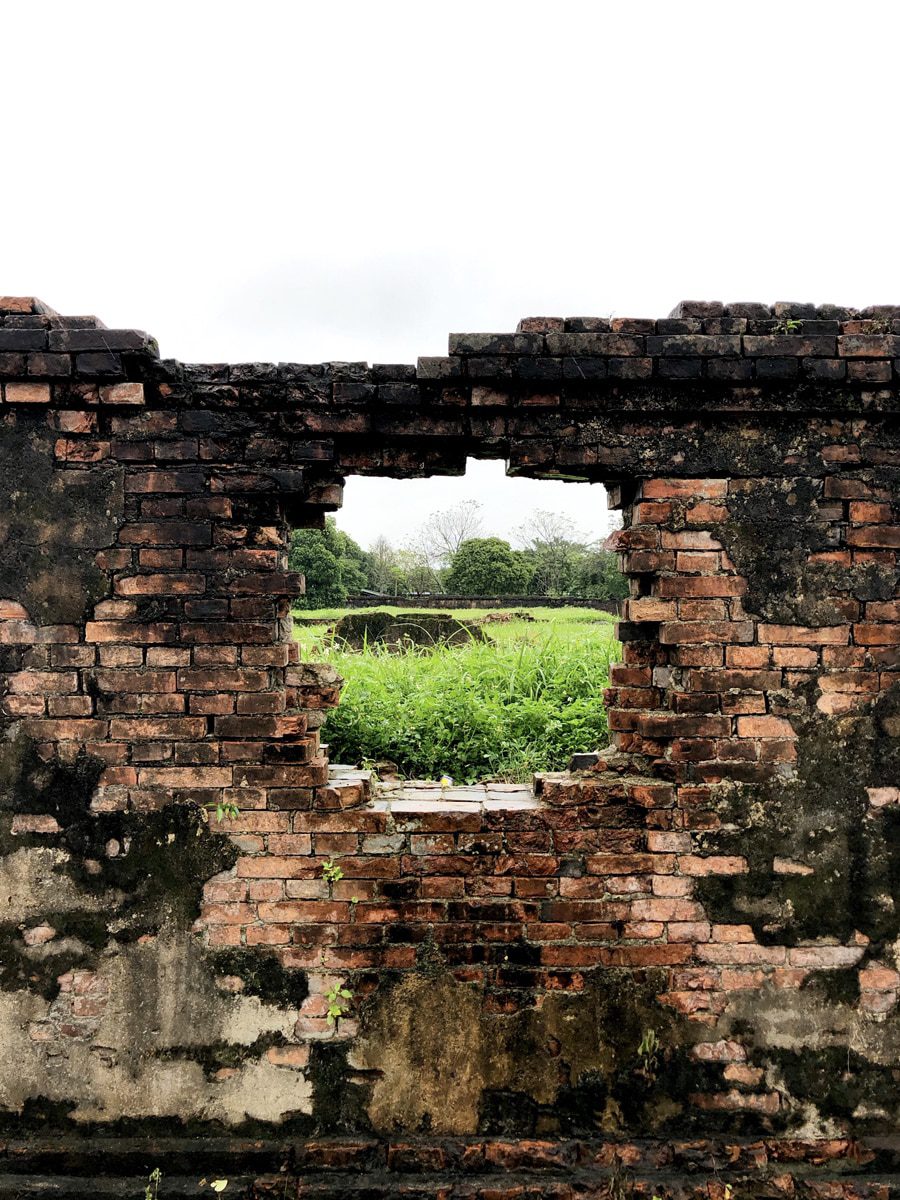
Already decaying by the time the monarchy crumbled in the 1940s, most of the Imperial City was devastated during the decades of war that followed. Only a fraction of the original structures stand intact; some ruins bear the scars of bombs and artillery rounds, and rubble dots the grounds. Reconstruction work is ongoing but slow. Don’t let that deter you, though — there are plenty of treasures on view, and a visit is key to understanding this chapter of Vietnam’s past.
Touring the Imperial City can easily take half a day. Because the layout gets confusing and signage is sparse, a guide can help you navigate and understand what you’re seeing. When everyone needs a break, there’s a cozy open-air teahouse that sits on the water, a perfect place to rest your feet over a fragrant cuppa or a Vietnamese coffee.
While the Imperial City is Hue’s centerpiece, the nearby royal tombs of the Nguyen emperors are equally compelling. Each mausoleum complex is uniquely designed with temples, water features and courtyards integrated into the landscape. Highlights include the Tomb of Minh Mang for its symmetry and setting; the Tomb of Tu Duc, which has a peaceful, parklike air; and the Tomb of Khai Dinh, the last structure to be built under the dynasty.
For Vietnam War buffs or families who have a personal connection to the area, such as a relative who fought here, the DMZ (Demilitarized Zone) is a worthwhile side trip from Hue. This narrow strip of land that divided North and South Vietnam saw savage fighting throughout the war years. Few traces of military infrastructure are left, and those hoping for blockbuster sightseeing may be disappointed. That said, points of interest include the Vinh Moc Tunnels, where local villagers sheltered underground as American forces invaded; Truong Son, Vietnam’s largest war cemetery; and the shell of Khe Sanh Combat Base, site of a pivotal clash that lasted nearly 80 days.
In the rural hamlet of A Luoi to the southwest is Hamburger Hill, known in Vietnamese as Doi A Bia. The famous 10-day battle here became a flashpoint for the American war effort, and a tiny museum at the hill’s base sheds light on the conflict from the Vietnamese point of view. The solemn and emotionally charged aura is palpable, though there’s not much to see along the slopes. Signs here and there point to bomb craters and the remnants of bunkers.
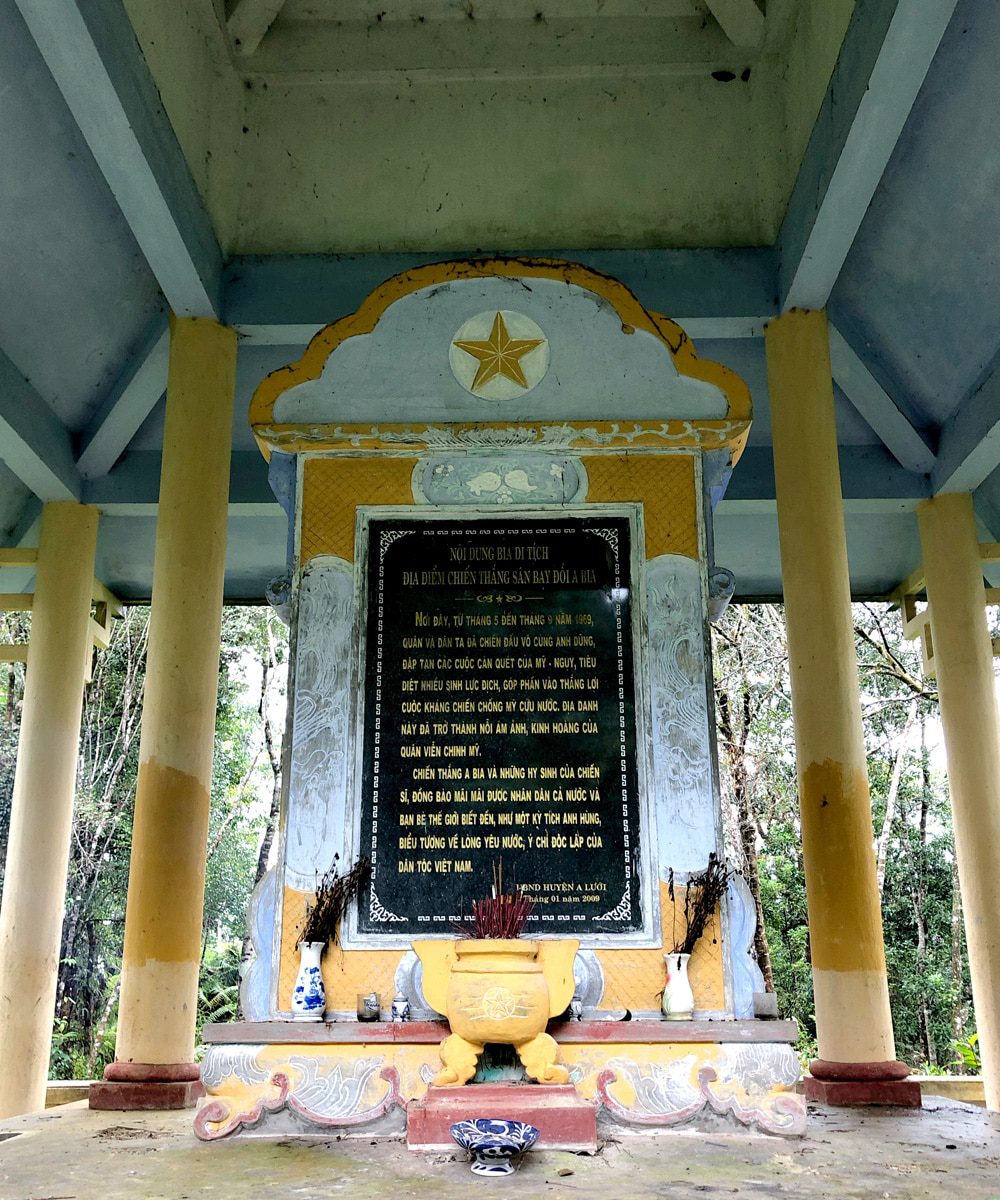
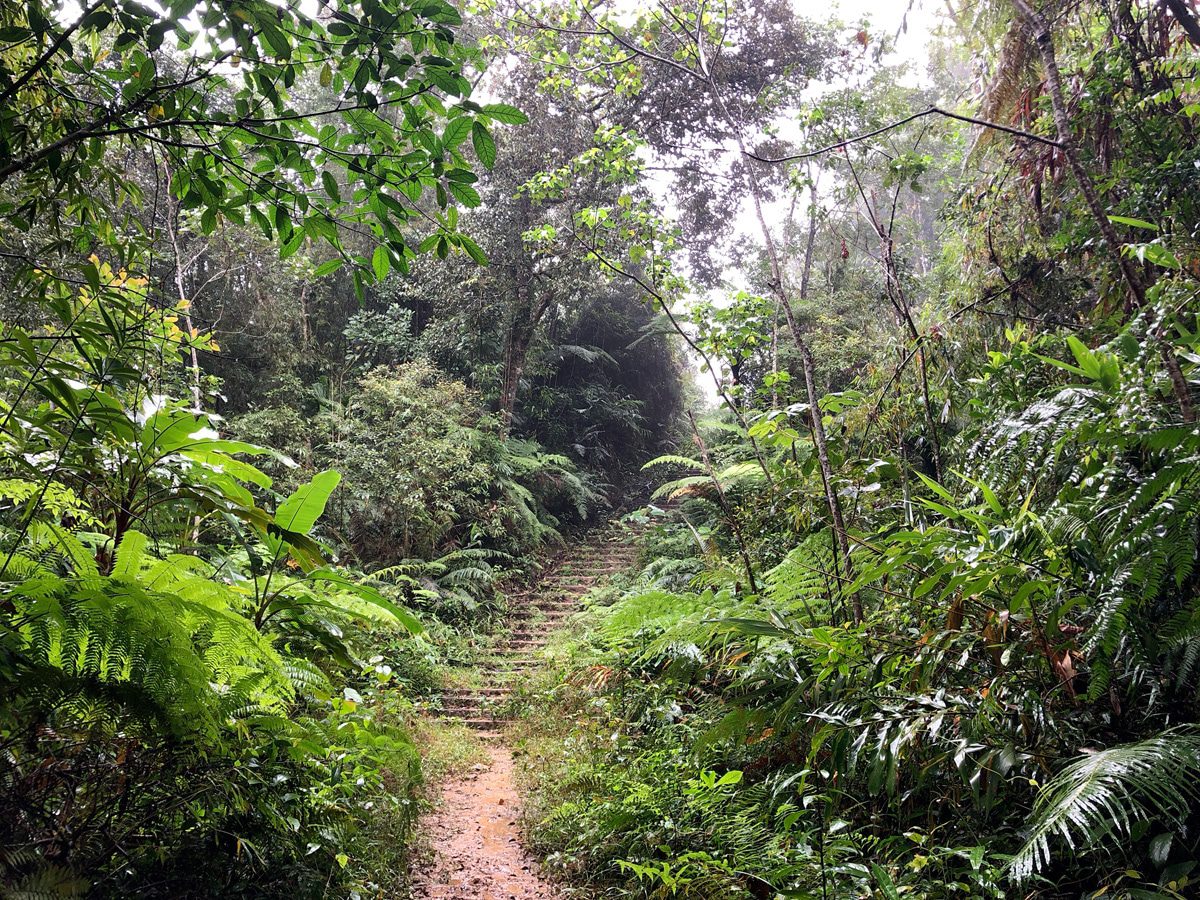
Visiting Doi A Bia requires a guide and an advance permit. Unexploded ordnance still lurks throughout the A Shau Valley, in which A Luoi is located. It’s critical that you stick to well-trodden paths and follow your guide as he or she steers you clear of danger spots. The steep hike isn’t ideal for small children, as it includes 850 concrete steps interspersed with rough and sometimes muddy trails (choose footwear accordingly).
Upon reaching the summit, you’ll have a clear view of the Laos border just a few miles away. A small memorial pavilion — convenient for a brief rest — extols the victory by North Vietnamese forces who, despite losing the battle, retook the hill after the American military abandoned it.
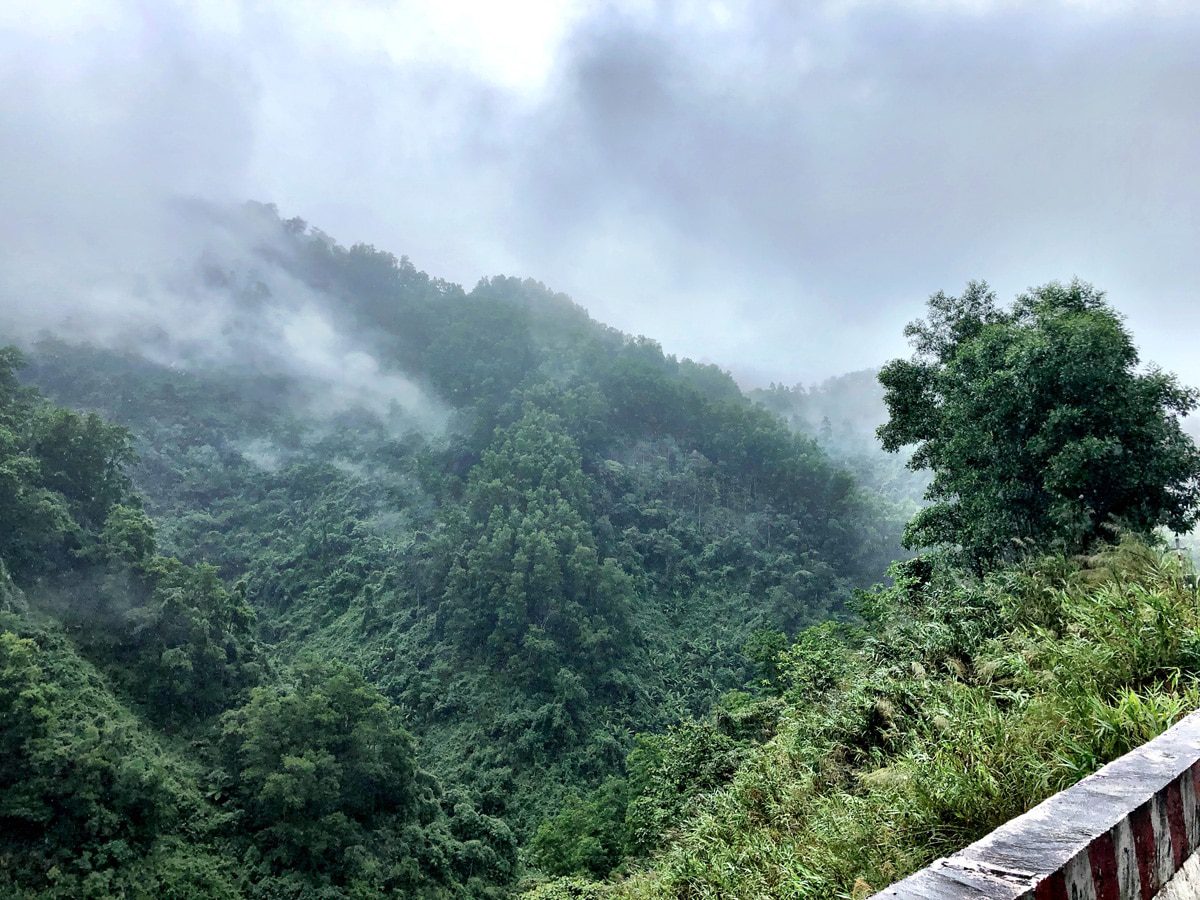
Depending on which sites you visit, it takes about 2 hours to reach either the DMZ or the A Shau by car from Hue. The ride bumps along rugged, twisting roads (take precautions if you’re prone to motion sickness), but you will be rewarded with truly arresting vistas, even in the rain and fog. Hilltops once shorn to accommodate military fire bases have been reclaimed by jungle greenery, and the somber beauty is breathtaking.

Send us a quick inquiry, and we’ll pair you with an expert Travel Advisor who can handle all your trip details: a custom-designed itinerary, private guides and experiences, and vetted accommodations, often with valuable perks to pass along.
Like a miniature version of Rome’s Colosseum, the 1830s Ho Quyen Arena was built to house crowds cheering on tigers and elephants as they fought to the death. The cruel face-offs were rigged in favor of the elephants, which symbolized the monarchy and thus were not permitted to lose — felines had their claws and fangs extracted before being tossed into the ring. While it’s been more than a century since the last such event took place and you can only see the arena from the outside, as it has deteriorated into a safety hazard, it’s worth a quick stop. A short trek down the road lies Long Chau Temple, or the Palace of the Crying Elephants, where the beasts went to rest after their victories and where their remains are housed in tombs. A visit to this structure with kids is excellent, and the tombs are sure to fascinate the whole family.
Break up all the history with a visit to one of Hue’s open-air markets. Like its counterparts throughout the country, Dong Ba Market is a chaotic mix of produce, flowers, live seafood, clothing, crafts, bolts of fabric, prepared foods, souvenirs and other miscellany. It’s bigger but more touristed than Tay Loc Market, which is a little farther removed from the city center and stands out for the vendors selling spring rolls, Hue pancakes and noodle soups.
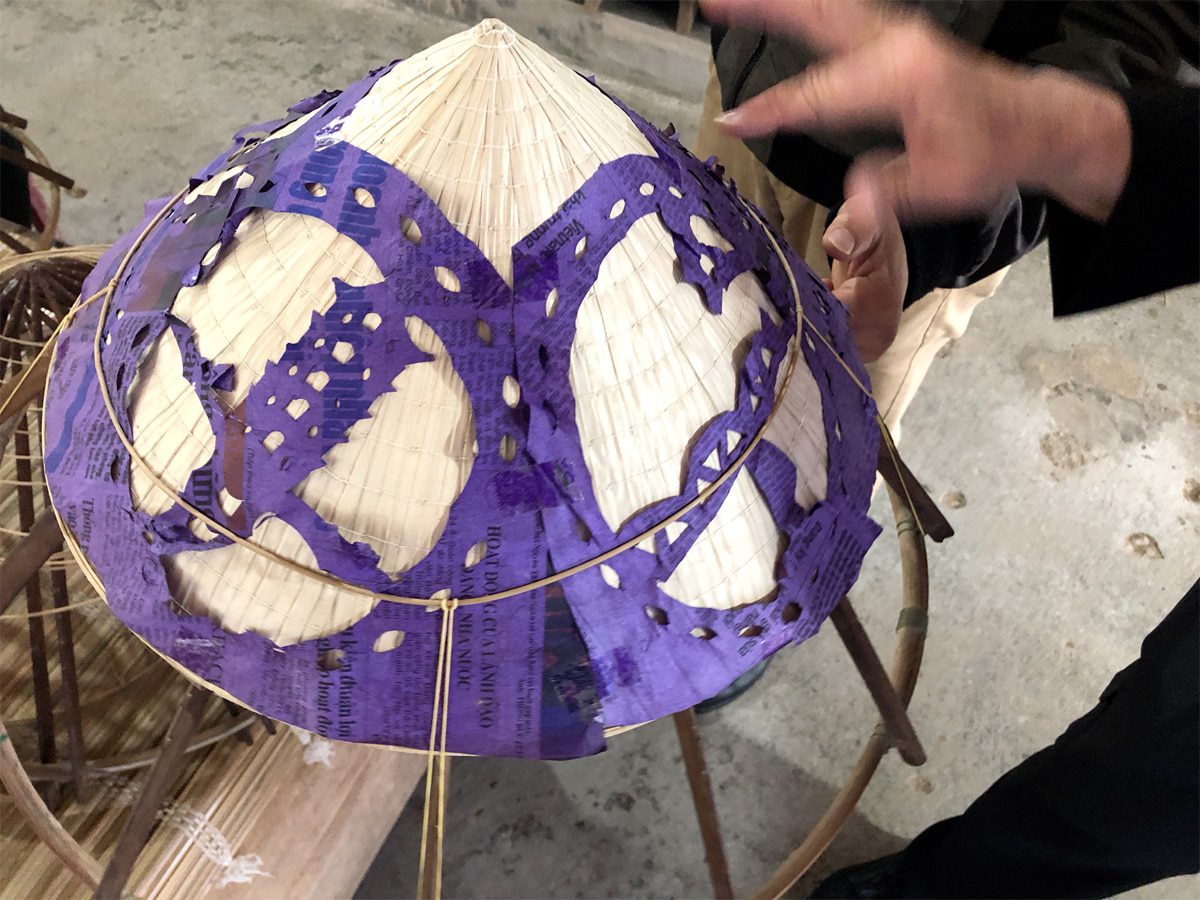
Conical hats are everywhere in Vietnam, but only in Hue will you find the handmade variation known as poem hats. Dyed paper cutouts, featuring a fanciful silhouette or lines of Vietnamese verse, are sandwiched between the typical layers of dried palm leaves. When the finished hat is held up to the light, the design reveals itself. You can stop to watch the hats being fashioned at a little village near the city proper and see pungent incense sticks, another Hue specialty, being rolled as well.
• Although Hue’s temperamental weather sometimes deters travelers, it won’t slow you down as long as you dress for it — pack a rain jacket, waterproof shoes and a small umbrella. The rainiest season spans the fall and winter months, roughly September through January, though showers can pop up any time of year. Winters are chilly; summers are hot and humid.
• Luxury accommodations in Hue are limited, but it has a handful of 5-star options. For a wonderful sense of place, book the colonial-inspired Azerai La Residence, which sits in the heart of town and overlooks the Perfume River as well as the tree-lined avenues of Hue’s former French Quarter. Not far away lies Meliá Vinpearl Hue, a sleek, modern property that offers generously sized rooms and a resort-style pool that families appreciate.
Browse all family-friendly destinations and activities in Vietnam on Ciao Bambino
Top 5 reasons to visit Vietnam with kids
5 essential things to do in Ho Chi Minh City with kids
Exploring Vietnam’s Mekong River with kids
Found: A kid-friendly Halong Bay junk cruise in Vietnam
Photos by Lisa Frederick.
Editor’s note: This post was accurate when published. We advise checking independently for the latest information and updates. Ciao Bambino does not accept responsibility or liability for any errors or omissions in, or for any actions taken based on, the information presented.

Written By
By Lisa Frederick


 travel recommendations, inspiring adventures, and exclusive travel offers
"*" indicates required fields
Want to save all the great intel and tips you are finding on Ciao Bambino? My Trip Planner allows you to bookmark articles, family-friendly hotel reviews, and family vacation packages. Simply click the heart icon on anything you want to save. Site registration is required to get started. Happy planning!
Please fillout the form below to create your free My Trip Planner account.