 Back
Back







 FACEBOOK
 Pinterest
 Instagram

 FACEBOOK
Pinterest
Instagram
FACEBOOK
Pinterest
Instagram
Synonymous with ancient mythology, sun-kissed islands and fresh Mediterranean cuisine, Greece needs little introduction. The country is a bucket-list destination for families (and Percy Jackson fans!) the world over, especially during the popular summer months.
Most international travelers will start their trip in the capital city of Athens, beelining to visit the Acropolis, one of 20 UNESCO-designated sites across Greece. Like most major attractions, the Acropolis complex, which includes the Parthenon (a profound symbol of Western civilization and democracy), requires some strategy to navigate and an expert guide greatly enhances the visit. We tapped our own partner on the ground, Eva Saringala, for her tried-and-true tips.
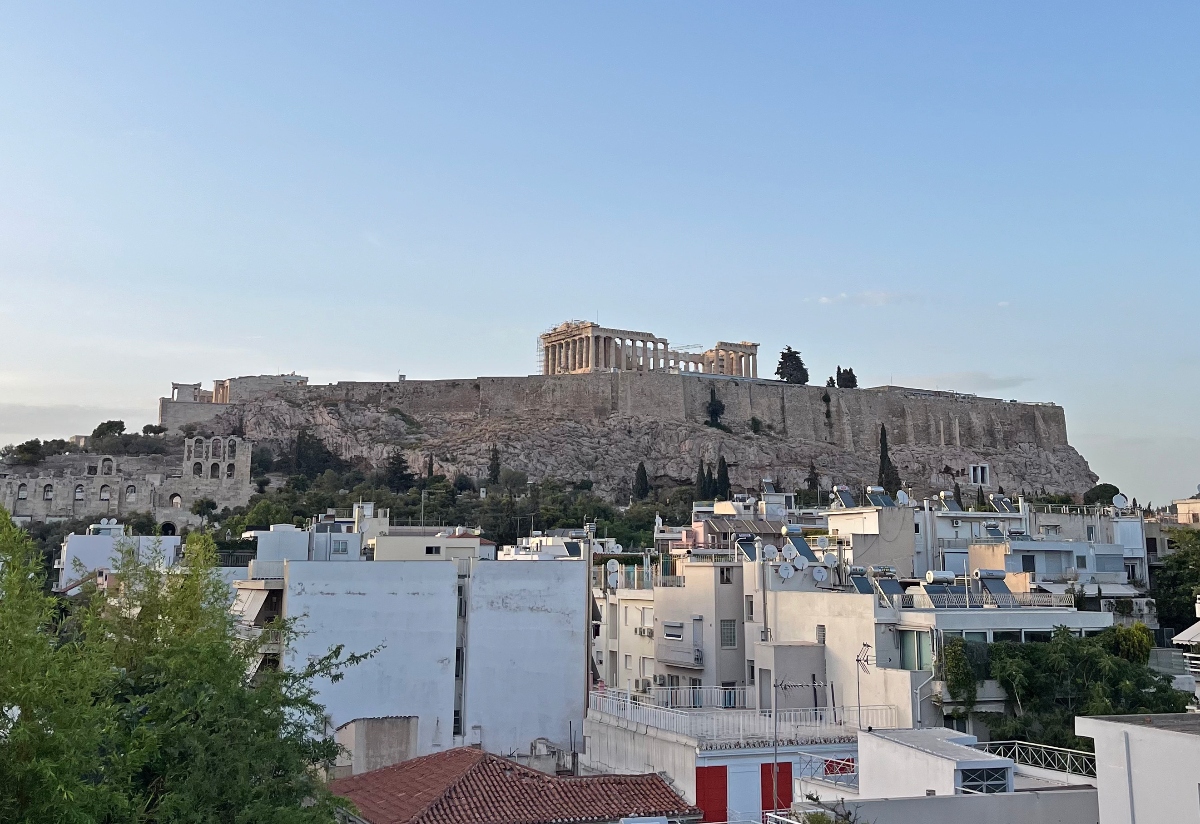
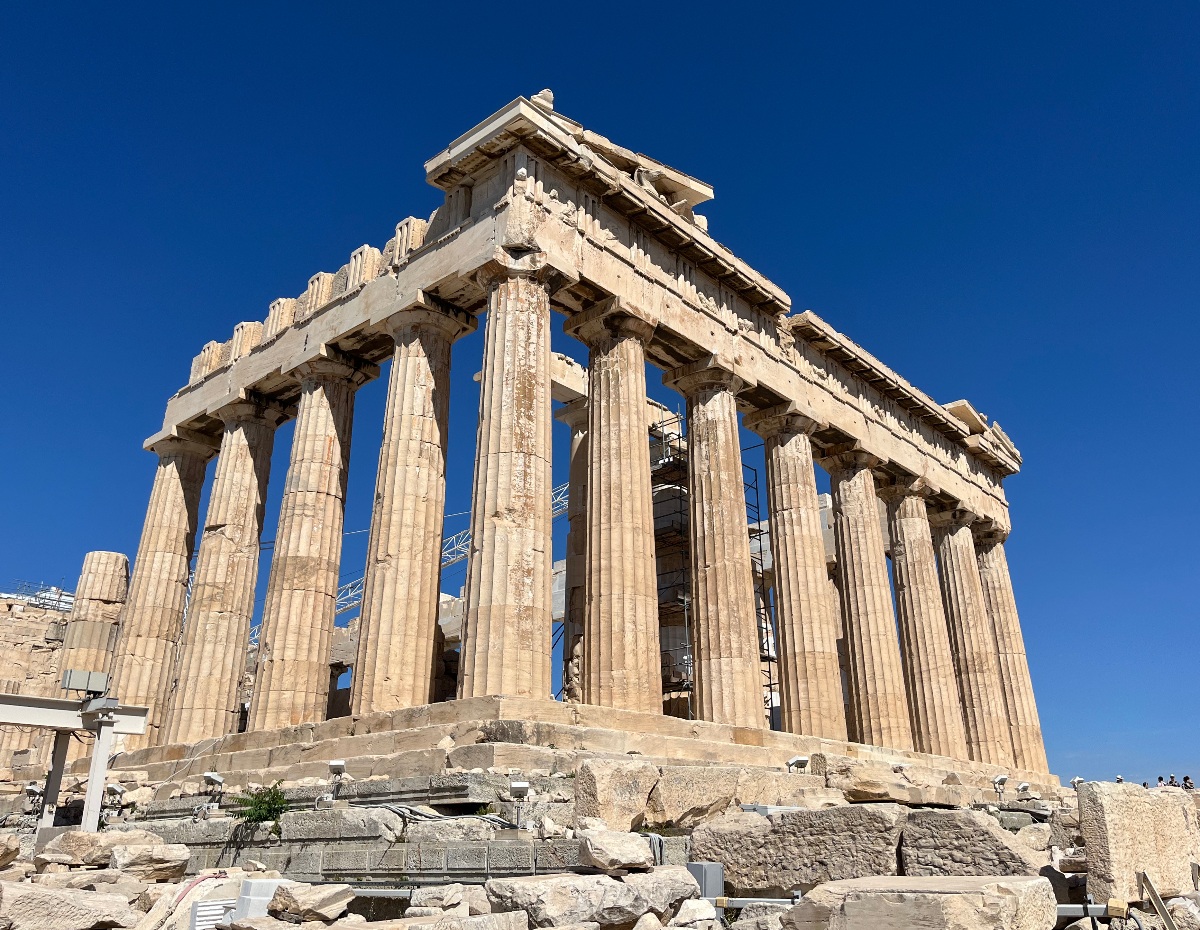
Eva Saringala: So, Acropolis translates to “high city.” The Acropolis of Athens refers to the entire hilltop citadel and its complex of historic sites, including the Parthenon, the temple dedicated to Athena, where a 40-foot-tall statue of the goddess would have once stood.
ES: Typically, families are visiting Greece from May to October (when school schedules align), but if they have more flexibility, the fall months are ideal in terms of crowds as well as weather. June through August gets very hot and it can be hard to really enjoy these sites with the hot sun beating down (ample water and hats are musts!).
September and October are my favorite time of year – it’s very mild and pleasant, and the summer crowds are thinning. Even the shoulder seasons of March/April and November/December are great, frankly. If your visit must be in summer, plan to visit the sites in the early morning or late evening hours. And certainly, during off-season, the weekdays are better than the weekends with many Greeks also visiting these sites.
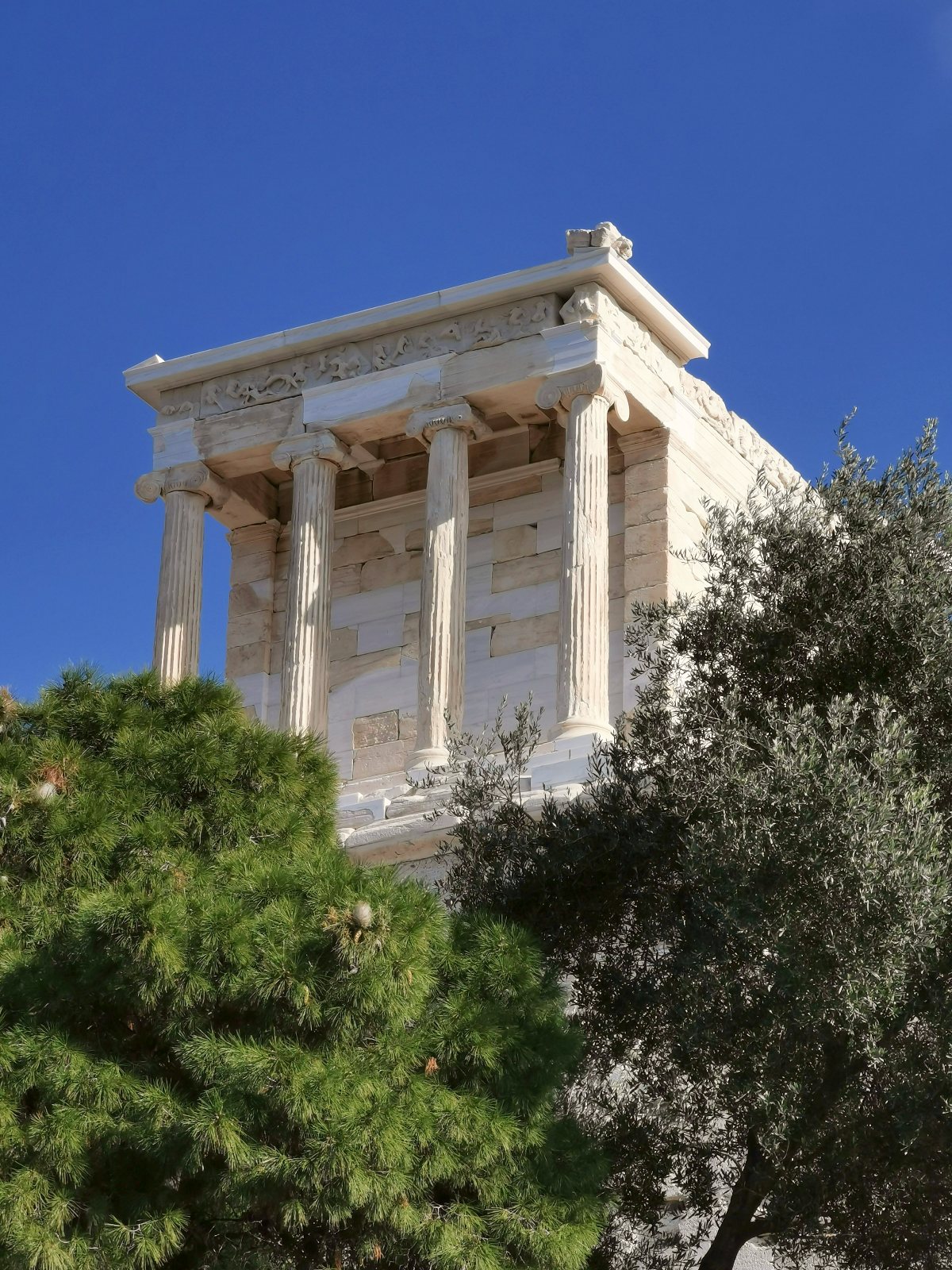
ES: Truthfully, it’s well worth it to have a guide lead you and your family through the site. Not only do they take care of all the logistics, from pickup at your hotel to securing timed-entry tickets in advance to knowing the best way to navigate around the site, they also are expert storytellers. They really bring alive the history and lend greater context to what you are seeing.
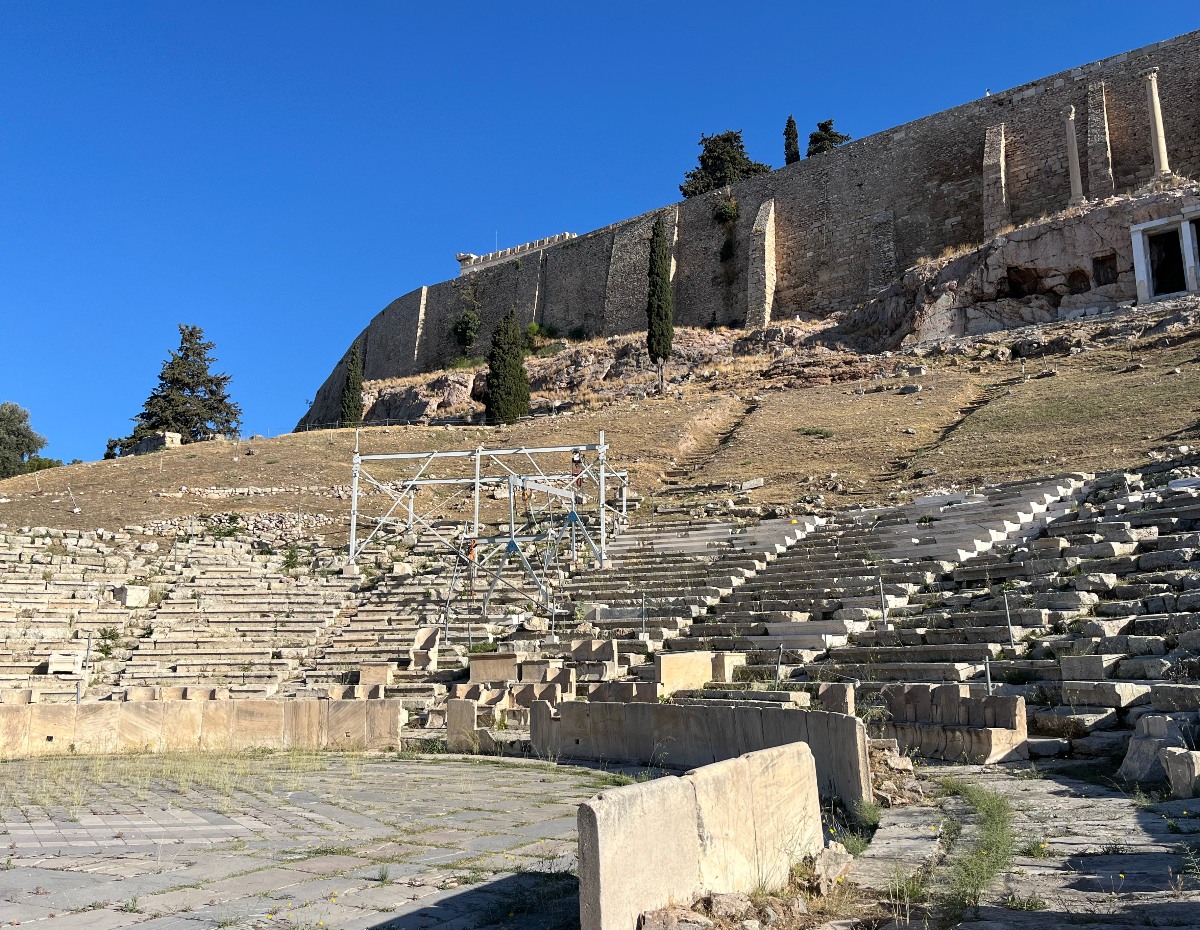
ES: The South Slope entrance with a pedestrian walkway is the best way to enter (and avoid crowds), though those with mobility issues will want to use the elevators at the main (West) entrance. From the South Slope entrance, you go up the hill and stop at the Theater of Dionysus (considered the world’s first theater and where legendary plays by Sophocles, Euripides and Aristophanes would have been hosted). As you ascend farther, you’ll want to make sure you have shoes with a good grip as the marble has worn down.

Send us a quick inquiry, and we’ll pair you with an expert Travel Advisor who can design a custom itinerary, arrange private guides and experiences, and book vetted accommodations, often with valuable perks to pass along.
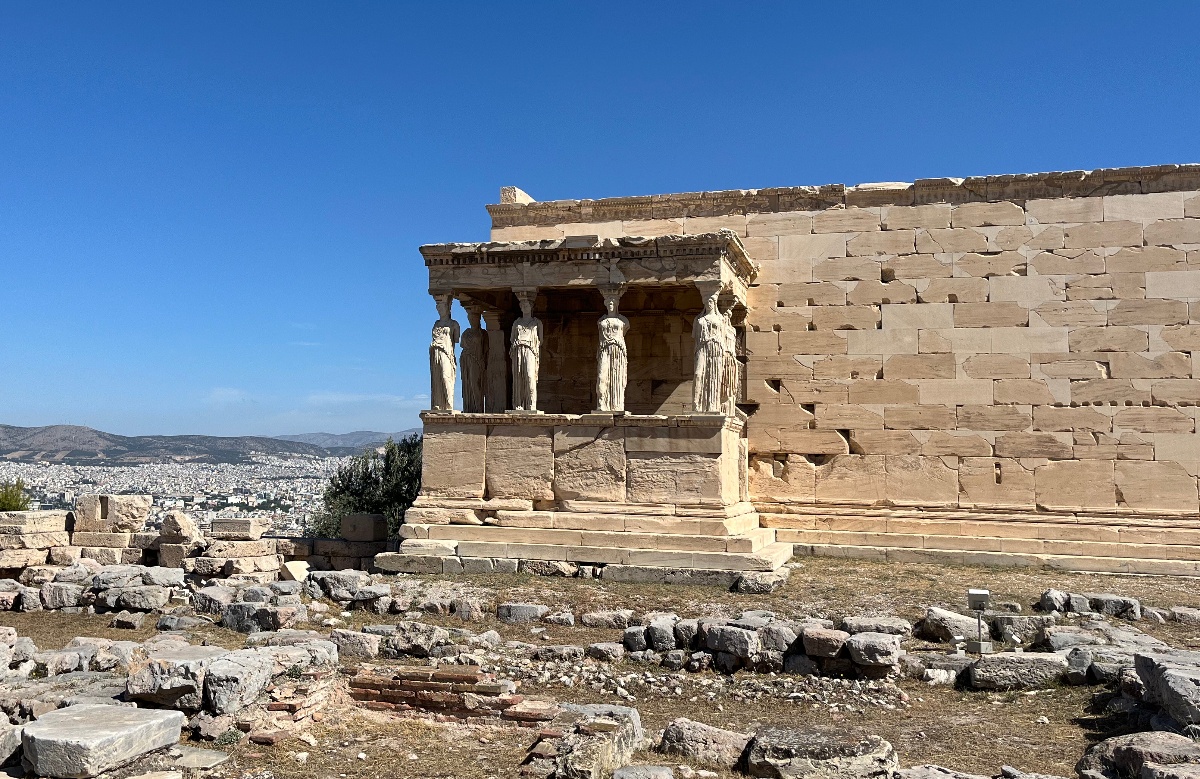
You’ll now make your way to the Parthenon. You can spend 20 to 30 minutes within the actual temple as the guide shares architectural details and additional history. You can also see replicas of the female caryatids on the adjacent Erechtheion temple on the Acropolis. (Five of the original female statues are on the first floor of the Acropolis Museum, while one is at the British Museum in London.)
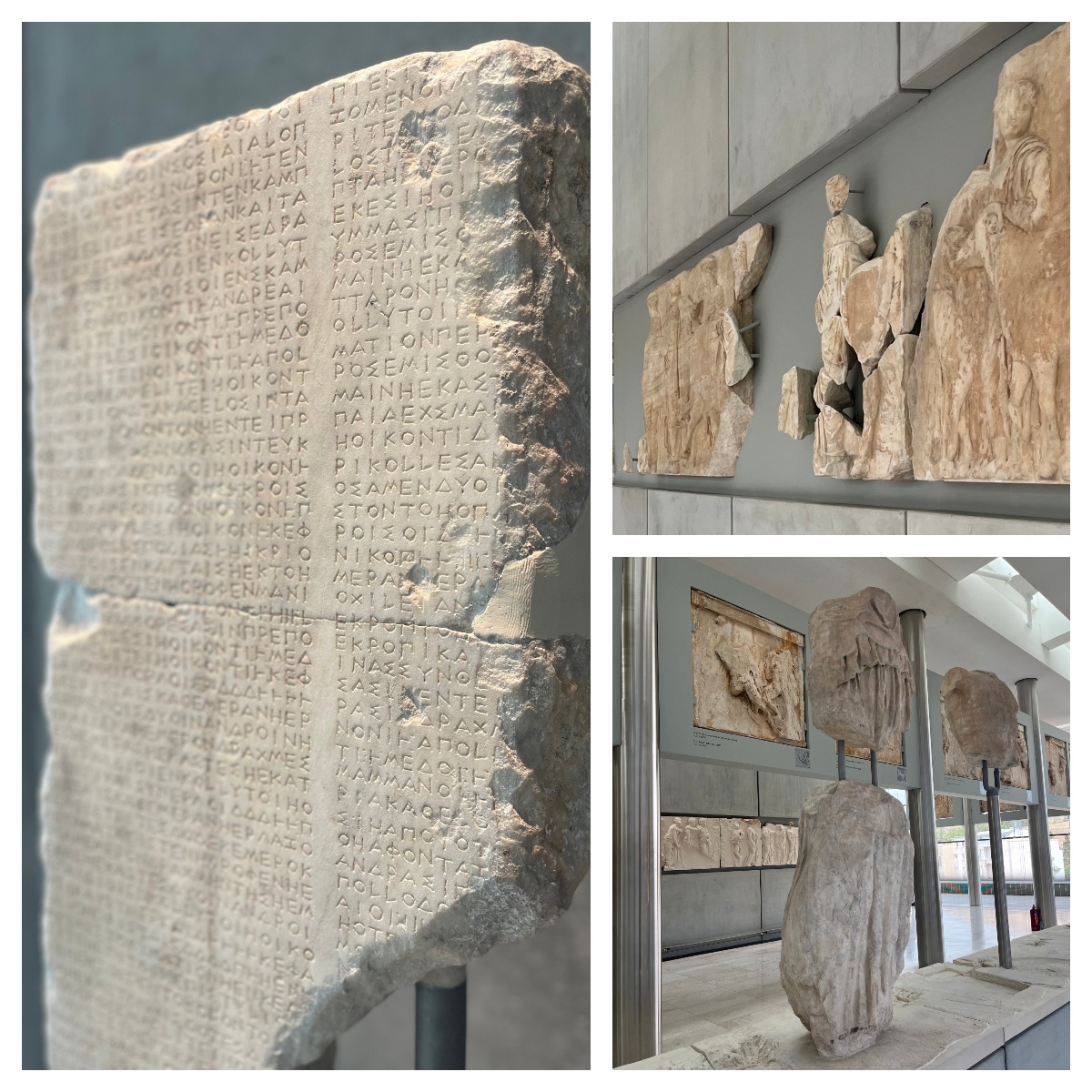
ES: Absolutely! The architecture of the museum is stunning; you can still see the Acropolis from the building. When you’re at the Parthenon, you see the skeleton of the site, but in the museum you see the decorative pieces such as the reliefs and the sculptures that would have been inside. Don’t miss the museum shop either — it’s well-curated with cute souvenirs!
ES: Most family travelers from the U.S. are only able to spend one to two days in Athens at most, so we usually recommend visiting on the second day. Ideally, you visit the Acropolis first thing before it’s too hot and finish with the Acropolis Museum as it’s starting to warm up. Of course, we work it out with families based on their arrival day and time to make it as easy as possible.
ES: The summer heat can be pretty intense in Athens. Start your day early, stay hydrated and, of course, use sunscreen. From April through August 31, the Acropolis is open daily from 8 am to 8 pm, so you can even plan a late afternoon visit and possibly do the museum first.
The Greek government has also introduced a very exclusive Acropolis VIP experience, which allows around 20 participants to visit the site at 6 am (sunrise) or 8 pm (sunset). It really does feel like you have the Acropolis to yourself, but comes with a premium price tag.
ES: Athens is a compact city of neighborhoods, but it continues to evolve and reinvent itself. The Koukaki area [just below the Acropolis and adjacent to the museum] is great for exploring, with plenty of cafes and squares where you can sit and enjoy a leisurely cup of coffee or snack.
Relevant Links:
Browse all destinations and accommodations in Greece on Ciao Bambino
72 hours in Athens, Greece with kids
Greece’s best-kept family vacation secret: the Peloponnese region
Top Greek islands for families: How to choose the best match
Ancient ruins & island vibes: Where to go in Greece with teens
Photos by Lisa Frederick except where noted.
Editor’s note: This post was accurate when published. We advise checking independently for the latest information and updates. Ciao Bambino does not accept responsibility or liability for any errors or omissions in, or for any actions taken based on, the information presented.


 travel recommendations, inspiring adventures, and exclusive travel offers
"*" indicates required fields
Want to save all the great intel and tips you are finding on Ciao Bambino? My Trip Planner allows you to bookmark articles, family-friendly hotel reviews, and family vacation packages. Simply click the heart icon on anything you want to save. Site registration is required to get started. Happy planning!
Please fillout the form below to create your free My Trip Planner account.