 Back
Back







 FACEBOOK
 Pinterest
 Instagram

 FACEBOOK
Pinterest
Instagram
FACEBOOK
Pinterest
Instagram
A weeklong visit to Tuscany is a big part of the most popular family itinerary in Italy for Ciao Bambino readers and clients. This is the best opportunity for families to really dig into their experience together in Italy, as settling into a single location for seven or more days engages parents and children alike in the experience. An essential part of a successful trip to Tuscany with kids is selecting the right accommodations. The vision for many families includes a Tuscan farm stay, also referred to as an agriturismo or working agricultural estate. They aren’t farms in the typical sense — they are more akin to countryside resorts, often surrounded by vineyards and olive trees.
I love these farm stays with kids! In fact, I recommend them over standalone villas for independent families. If you’d like to see our portfolio of Tuscan agriturismos and access a list of vetted family-friendly rental properties, contact our Family Travel Advisors — we can help you find just the right option.
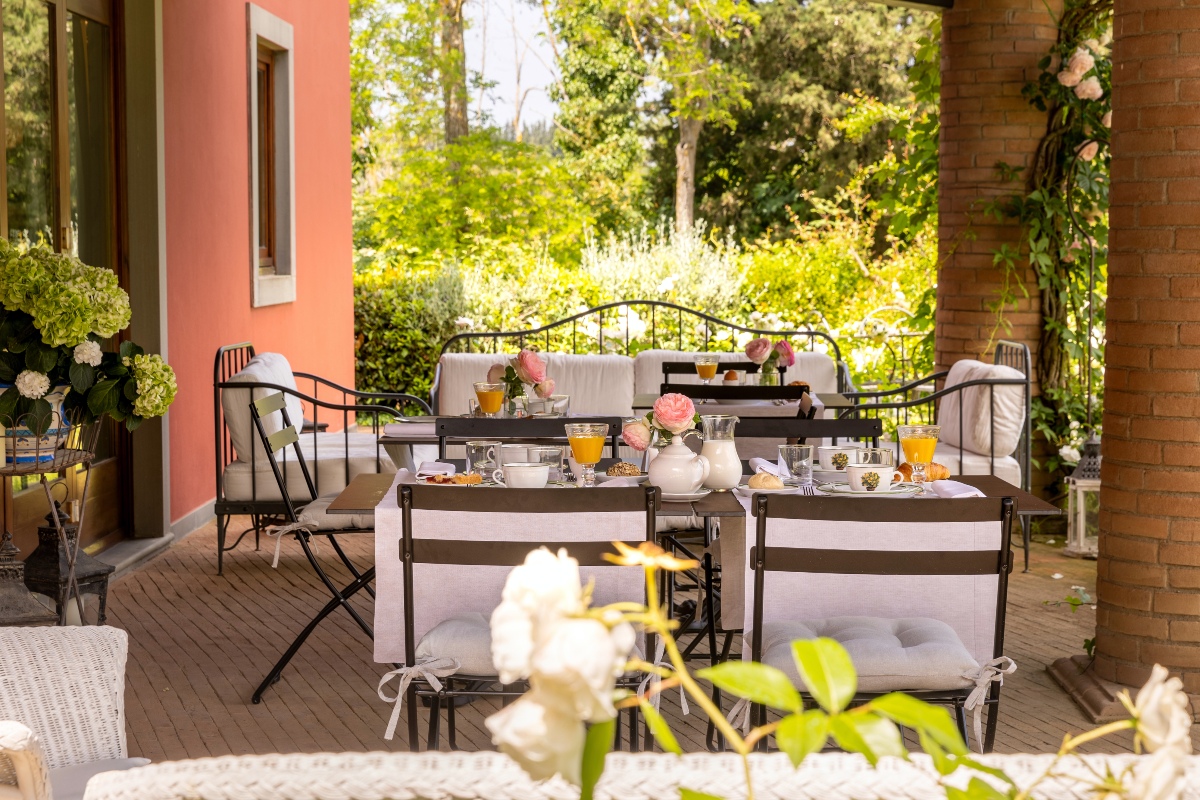
One myth is that a farm stay in Tuscany means animals. It can, but usually the only animals around are the domestic variety like dogs and cats. Most farms focus on wine and/or olive oil production, and you’ll often find world-class wine and olive oil onsite. Some properties also offer wine tasting and wine buying.
What makes these accommodations work so well for families is their ideal setup, often with self-catering guest units that have plenty of room to spread out. Guests typically stay in apartments or standalone villas in restored farmhouse or palazzo-style buildings. One huge plus is that there is usually a property manager who will provide services and support like housekeeping, a private chef and local guidance. Beyond that, there is a huge range of amenities that can be offered within this category, including onsite dining, swimming, tennis, play areas and even spa services.
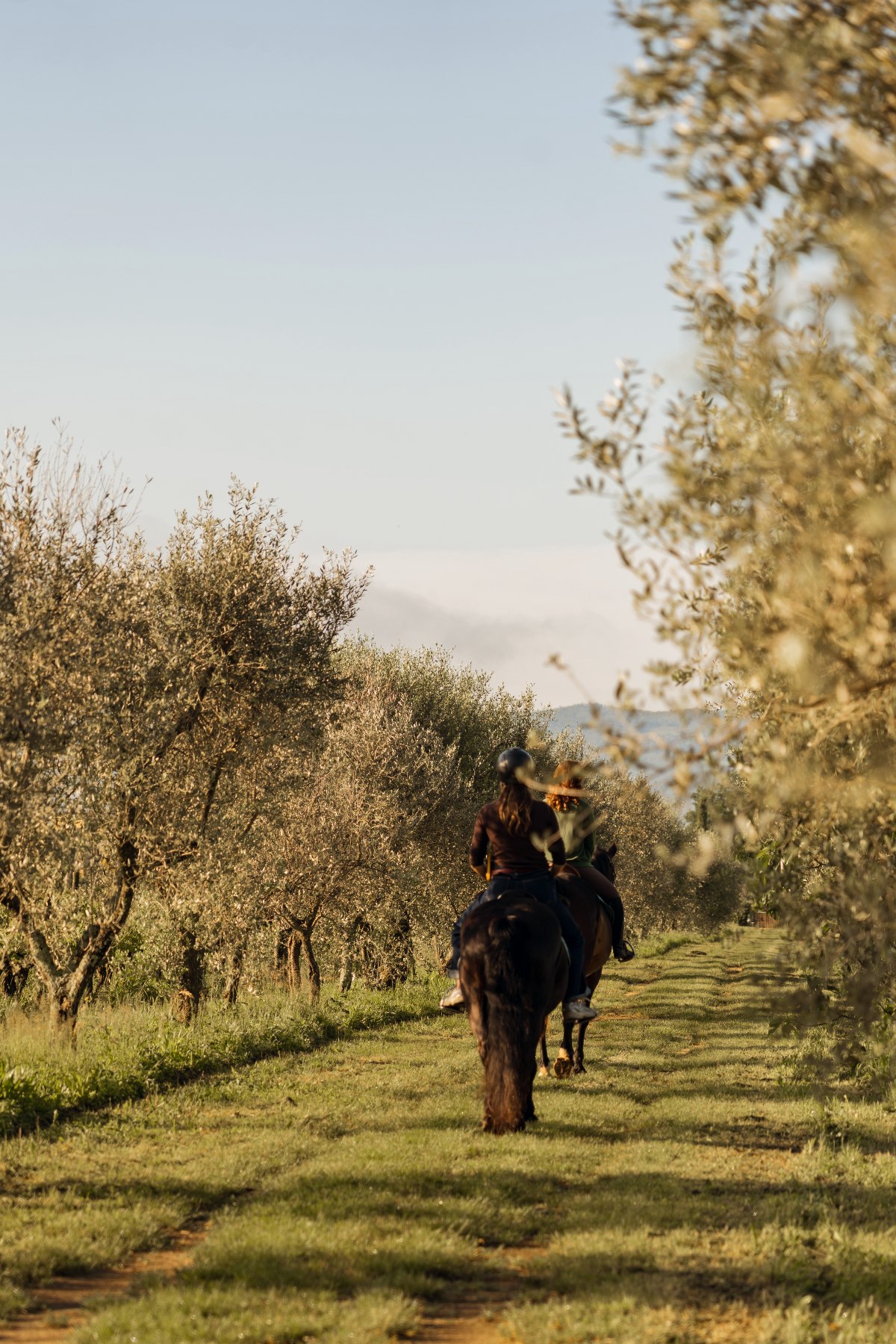
Given the setup, there will likely be other families present, particularly over the summer months. One of my favorite things about international kid-friendly accommodations like this is that children have the opportunity to interact with and play with kids from around the world — a priceless experience for any age.
Finally, there is huge value for the quality at agriturismos, which usually have weekly rates, compared to a hotel with a nightly rate.

Every stay should feel special, and we’ll pair you with an expert Travel Advisor who can pass along insider perks such as complimentary breakfast and room upgrades and more, all while handling every detail behind the scenes. Click to send us a request!

Most upscale to luxury agriturismos at least have a pool, but beyond that, amenities vary. If you want an engaging on-property experience in addition to sightseeing, it’s important to have more than just a place to swim. Major differentiators include experiences like wine tasting and recreational activities such as tennis and bicycling (check that equipment is provided).
As most agriturismos are not standard hotels, the list narrows quickly when it comes to onsite dining options. Some properties offer weekly or biweekly group dinners for guests. For others, food is an essential part of the offering, with cooking lessons (for kids too) and incredible meals. Some restaurants are seasonal and/or closed certain days of the week, so it’s a good idea to check before you book.

If you have a baby or a small child and you need a crib, from a quality standpoint, we recommend bringing your own pack and play. When it comes to babysitting, many agriturismos are owned and operated by families who might have local connections, but due to the rural nature of these accommodations there aren’t companies that supply babysitters as a rule.
By nature, working farms need land so these properties are not in villages. Nor are most of them well suited for walking to villages as Tuscan rural roads are narrow without sidewalks and Italians drive fast. The key is to select a property that is within a 5 to 10 minute drive of appealing villages. Longtime CB favorite Al Gelso Bianco, for example, is just 10 minutes from an array of picturesque villages where you can get a fabulous dose of local life. Despite this, Al Gelso Bianco is only a 20-minute drive to the main Florence-Siena highway, making larger excursions from here a snap too.

Many agriturismos work on Saturday-to-Saturday stays. We work with a handful that offer more flexibility, but your options will be limited if that weeklong requirement doesn’t match your travel dates.
Some properties feel very isolated and rural. Just know that you’ll be a long drive from some basic services, and decide for yourself if it’s a feasible tradeoff.
Also, understand the small road premium: One of the most common mistakes people make is that they assume what looks like a short distance on the map will mean a short drive time. False! Many rural roads in Tuscany are curvy and slow. It’s possible to have a 30- to 45-minute drive just to reach main access roads from some rural estates, and 20 minutes up a driveway adds up to 40 minutes round-trip. This is one of the reasons we don’t recommend staying in Chianti Classico. We love this area for day trips, but with kids, I don’t want to spend another hour in the car each day just to get to the highway and back.

A structure that is centuries old will not necessarily have a rustic feel. Some agriturismos have been restored in a manner true to the period, while others have been updated with contemporary furnishings and decor.
If you’re willing to splurge, it pays off in start-to-finish pampering, bespoke service and countless amenities.
Many Tuscan farms are located too far from the coast to make consequential beach time a reality, but there are a few exceptions on our short list. From the right location, families can hit the sandy beach clubs in Forte dei Marmi or venture up the coast to iconic Cinque Terre and the rest of the Italian Riviera for day trips.

If you plan on being in these cities for more than just a single-day trip, it’s a good idea to stay near the one you’ll visit the most (they are an hour from each other).
When I think about accommodations in Tuscany, I divide the region in two using Siena as the dividing line. Anything north of Siena is northern Tuscany and anything south of Siena is southern Tuscany. In general, northern Tuscany is busier with the “big” attractions. Southern Tuscany is absolutely idyllic but quieter. You can still get to Siena for a day trip from here, but Florence is too far. The upside is that staying at a property in southern Tuscany puts you within reach of sights in Umbria.
Relevant Links:
Browse all accommodations and destinations in Italy on Ciao Bambino
52 things to know before traveling to Italy with kids
10 beautiful places to discover on a Tuscany family vacation
1 to 2 weeks in Italy: The best itinerary for families
10 tips for traveling to Italy with kids
What to do in Florence with kids
Our 6 favorite things to do in Siena, Italy with kids
Editor’s note: This post was accurate when published. We advise checking independently for the latest information and updates. Ciao Bambino does not accept responsibility or liability for any errors or omissions in, or for any actions taken based on, the information presented.

Written By
By Amie O’Shaughnessy


 travel recommendations, inspiring adventures, and exclusive travel offers
"*" indicates required fields
Want to save all the great intel and tips you are finding on Ciao Bambino? My Trip Planner allows you to bookmark articles, family-friendly hotel reviews, and family vacation packages. Simply click the heart icon on anything you want to save. Site registration is required to get started. Happy planning!
Please fillout the form below to create your free My Trip Planner account.