 Back


 FACEBOOK
 Pinterest
 Instagram

 FACEBOOK
Pinterest
Instagram
If Barcelona is Spain’s freewheeling artist and Seville its soulful romantic, Madrid is its elegant grande dame. The capital feels stately, even imposing, with royal palaces, world-class art museums and wide boulevards lined with Belle Époque architecture. But beneath the dignified facade lies a city full of life and spirit, far warmer and more relaxed than it might appear at first blush.
Madrid with kids is a joy, not because every attraction is tailored for the younger set but because the city (and indeed, all of Spain) is so family-oriented. There’s room to run in leafy parks, and plazas teem with little ones playing late into the night. Children are welcome in tapas bars and at the table, where it’s common to find three generations sharing a meal. With so much to see and do, you might be tempted to pack your days full, but the best approach is to balance the big sights with the simple pleasures of local life.
Three days is enough to delve into Madrid’s regal heritage, sample its distinctive food culture and peruse a museum or two, with time left to play and wander at a Madrileño pace. Here’s how to make the most of 72 hours in Madrid with kids.
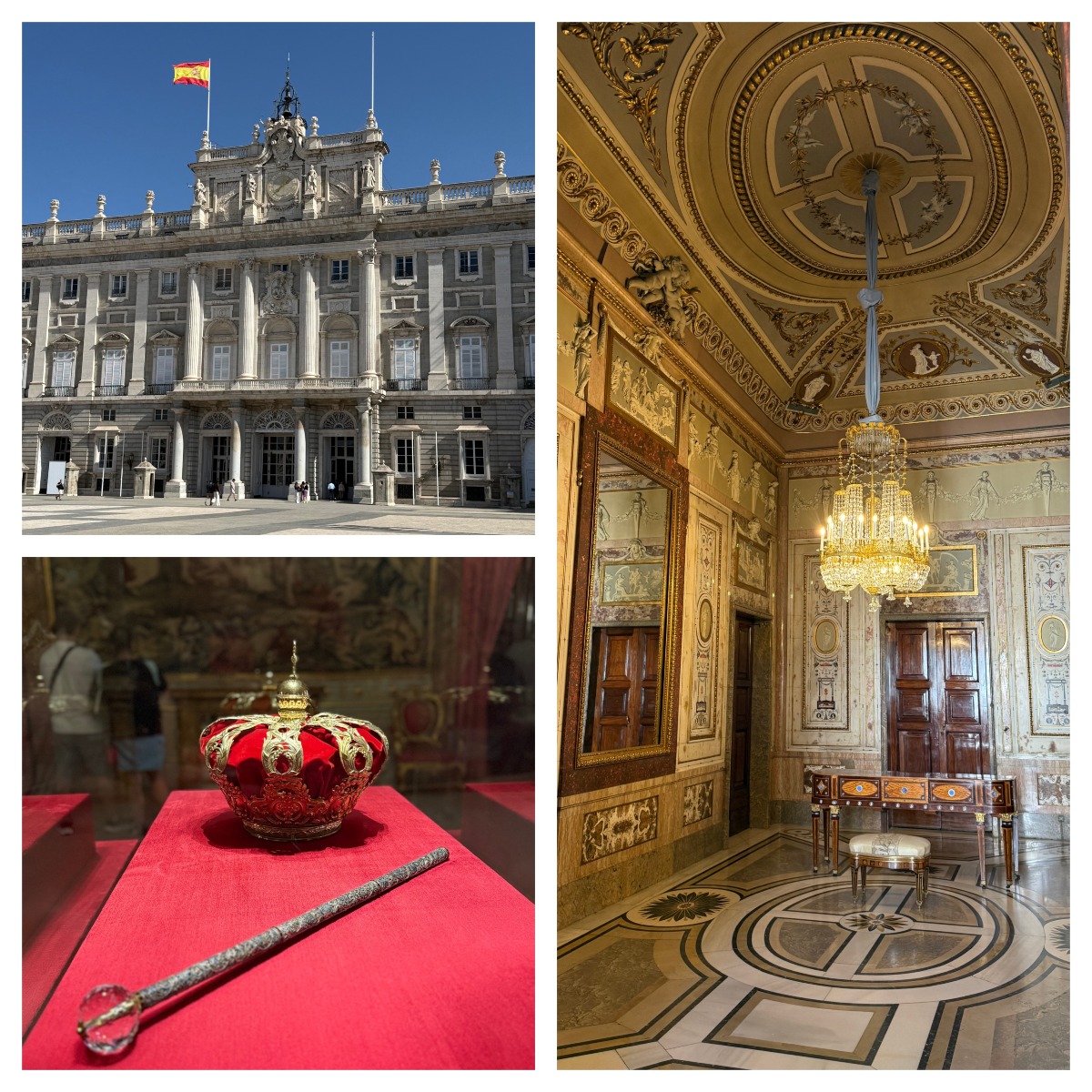
Built mostly in the 18th century on the site of an earlier royal fortress, the Palacio Real is an excellent place to begin your exploration of Madrid. The official home of Spain’s monarch is still used for state ceremonies, although the royal family lives elsewhere, and its sweeping staircases, elaborate frescoes, gilded reception rooms and lavish state apartments showcase the grandeur of the Spanish court in its glory days. Rather than trying to see every room, focus on a few highlights and make a game of it for younger kids: Have them hunt for the fanciest ceiling, count royal symbols such as the fleur-de-lis or choose which bedroom they’d spend the night in if they could.
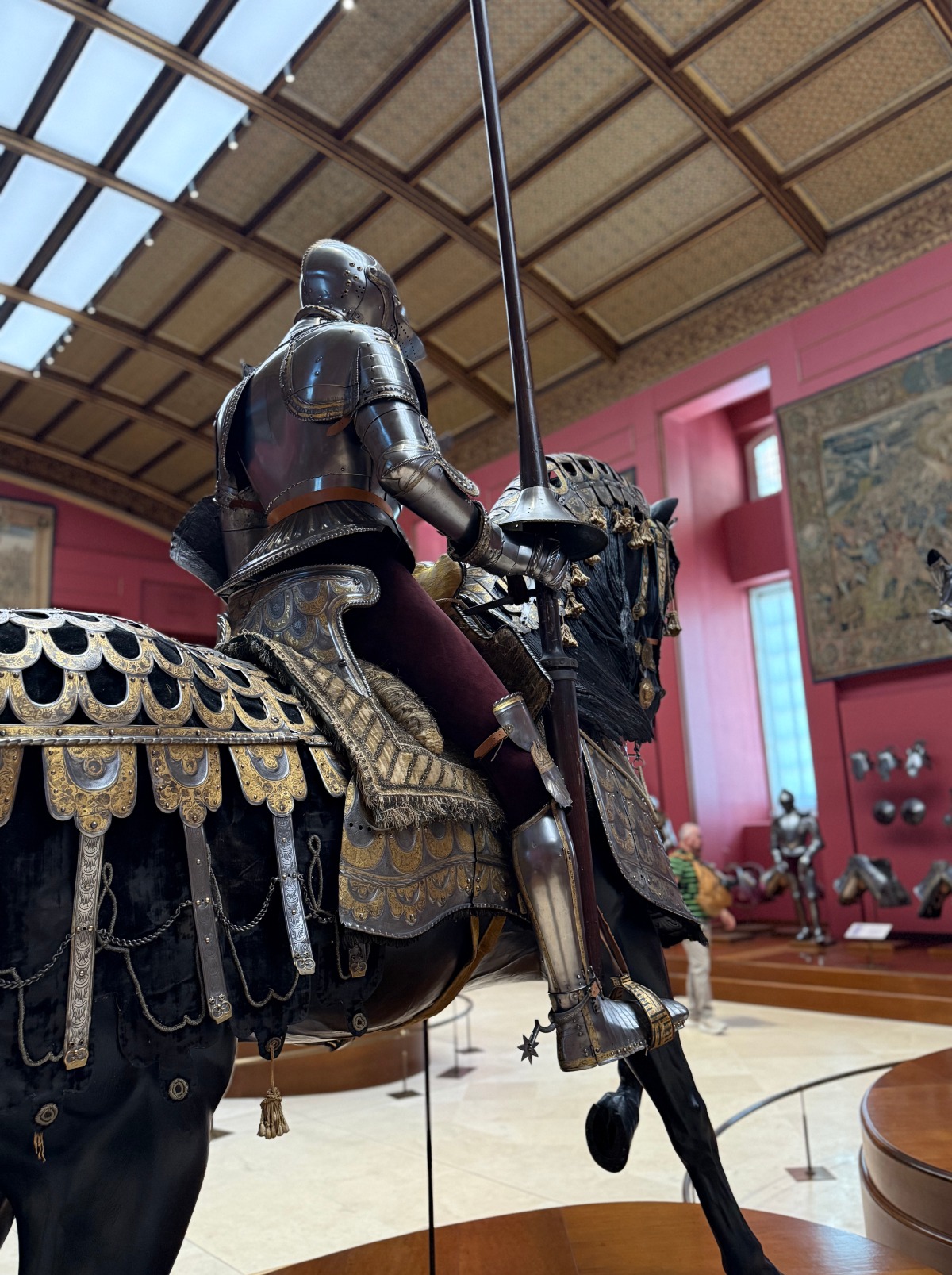
The palace also houses a collection of historic musical instruments, including exquisite Stradivarius violins, plus the Spanish crown and scepter. Make time to pop into the onsite Royal Armoury, particularly if you’re interested in knights and military history — the collection includes armor, weapons and equestrian equipment associated with monarchs and members of the Habsburg dynasty. See if the kids can find the child-size suits of armor on display.
TIP: If your visit coincides with the Changing of the Guard, it can be a fun add-on. The regular ceremony takes place on scheduled days; the more elaborate Solemn Changing of the Guard is generally held on the first Wednesday of the month, subject to the official calendar and exceptions during summer or state events.
After all this visual extravagance, it’s time to get a little fresh air. Head for the Campo del Moro gardens below the palace’s western facade. These landscaped grounds feel a world away from the surrounding streets, with sinuous paths, mature trees and, if you’re lucky, peacocks strutting by. It’s a lovely place to slow down after the palace and let children explore at will.
Another nearby curiosity worth a stop is the Templo de Debod, an authentic ancient Egyptian temple given to Spain by Egypt in the 1960s. Reassembled in a park overlooking the western part of town, it’s a fascinating and unexpected sight. At sunset, the temple and reflecting pools take on a beautiful golden glow, so consider saving it for the end of the day rather than trying to squeeze it in before lunch.
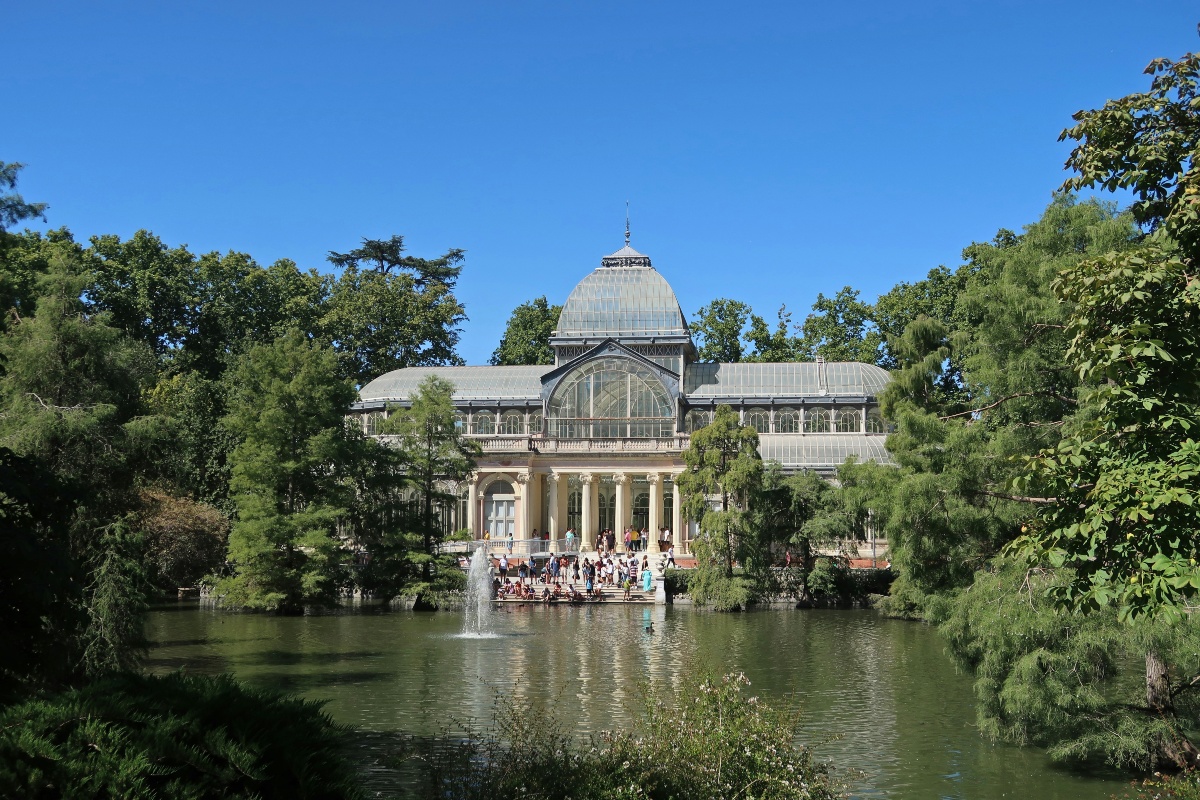
If you have time for just one green space on your first day, make it Parque del Retiro, about a half hour’s walk from the palace. Once part of the royal estate, this vast expanse is a favorite gathering place for locals (especially on Sundays), laced with tree-lined promenades, formal gardens, fountains and open fields for children to burn off energy. Rent a rowboat and glide along the Estanque Grande, a large ornamental lake that dates to the 17th century and, long ago, hosted water shows — including mock naval battles — for the royal court. On weekends, keep an eye out for performances at the Teatro de Títeres del Retiro, an outdoor puppet theater with a regular slate of free shows that littles will love even if they don’t understand the words.

Send us a quick inquiry, and we’ll pair you with an expert Travel Advisor who can design a custom itinerary, arrange private guides and experiences, and book vetted accommodations, often with valuable perks to pass along.
Families with children in the tooth-fairy phase, don’t miss the Casa Museo Ratón Pérez nearby. In Spain, the tooth fairy is traditionally a little mouse named Ratón Pérez, and this tiny museum is devoted to his story and imaginary home. The character became famous through a tale written in the late 19th century for the young King Alfonso XIII after he lost a baby tooth, and the museum offers a playful, distinctly Spanish take on a childhood tradition. Tours are in Spanish and space is limited, so book in advance.
TIP: Exploring the heart of the city will likely take you through Plaza Mayor, Madrid’s bustling main square. Admire its handsome arcades and balconies, look for the equestrian statue of King Philip III and snap a few photos, but resist the temptation to sit down for a drink or meal at one of the restaurants along the perimeter. While the setting is lovely and the people-watching even better, these venues cater mostly to tourists, and you’ll find more interesting food experiences elsewhere.
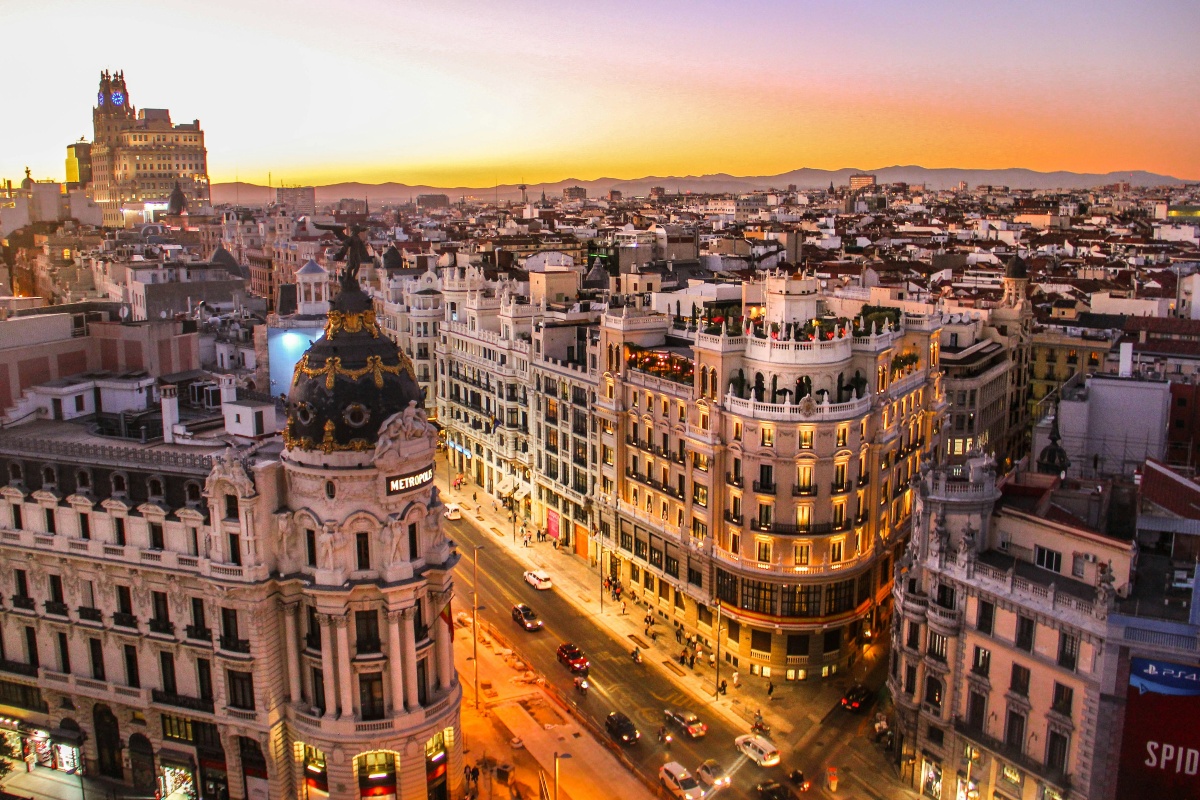
As twilight descends, Madrileños take to the streets. Join them! The evening paseo, the tradition of ambling along the city’s boulevards (particularly appealing in summer after the heat of the day has eased), is a multigenerational affair. Grandparents, parents, toddlers in strollers and clusters of teens mingle with couples and groups of friends. Nobody’s in a hurry or bound for any particular place; the idea is simply to enjoy being out together. Kids are woven into the fabric of Spain’s social life, so yours will fit right in.
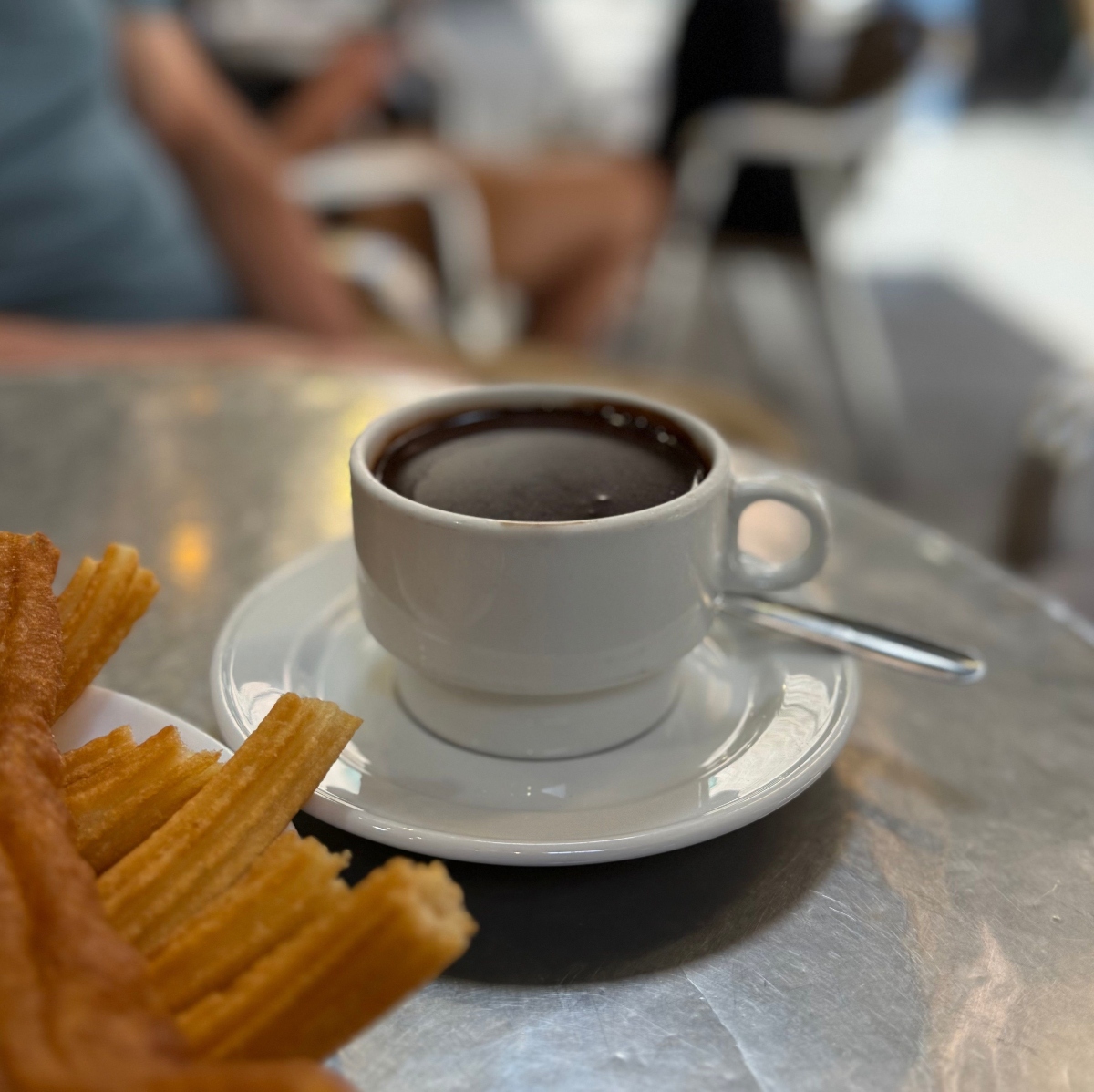
In the mood for a treat en route? Our top pick is the legendary Chocolatería San Ginés, which has been serving churros con chocolate since 1894. Dunking the fried ribbons of dough in lusciously thick hot chocolate is a local ritual not to be missed. Expect crowds, but don’t be put off: To relieve the congestion, San Ginés has spread into several adjoining spaces along its little passageway, and the downstairs dining room is usually calmer than the main counter.
Food is one of the most enticing lenses through which to view Madrid, and a guided food tour turns a morning of munching into a delicious crash course in local culture. The city’s classic dishes reflect its history not only as Spain’s capital but also as a meeting point for regional cuisines. You might taste jamón ibérico, croquetas, bocadillos de calamares (Madrid’s beloved fried calamari sandwiches), buñuelos de bacalao (salt cod fritters), champiñones rellenos (savory stuffed mushroom caps) and boquerones en vinagre (anchovies marinated in vinegar). Portions on these tours tend to be small, but they add up quickly, so don’t plan on needing lunch afterward.
A good guide can make the experience engaging for children, explaining unfamiliar ingredients, introducing a few useful Spanish words and encouraging them to try new things. Our CB Travel Advisors work with vetted local partners and can arrange a food experience that suits your children’s ages and appetites.
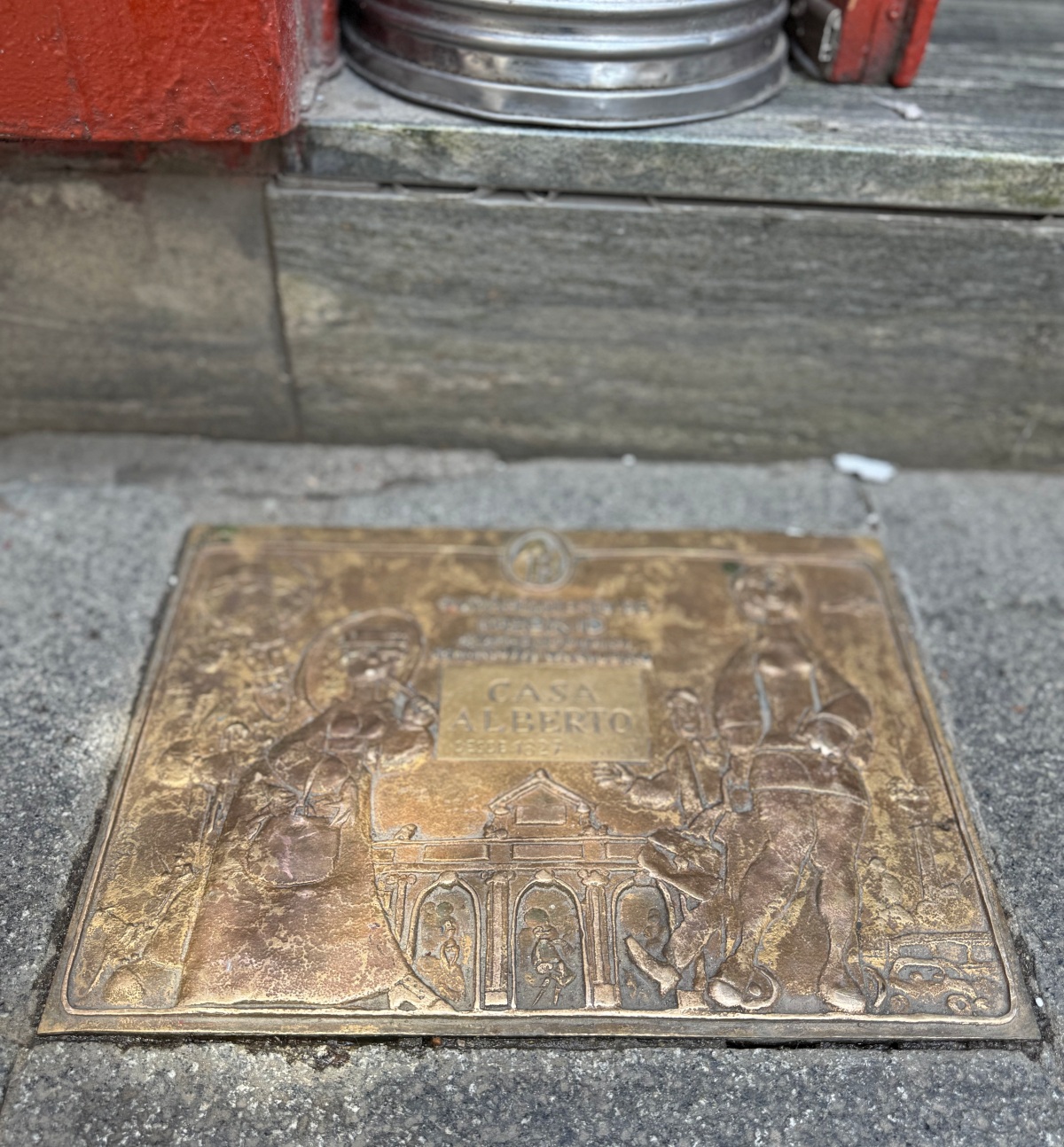
TIP: Build in a small scavenger hunt along the way — brass plaques embedded in Madrid’s sidewalks commemorate notable establishments and historic businesses. Challenge your crew to spot them as you walk, or ask your guide to point out some of the oldest shops and traditional taverns in the neighborhood.
In the afternoon, head to Casa de Campo, an enormous green space west of central Madrid. This former royal hunting ground is now a popular destination for walking, cycling and boating, and the landscape feels much more open and rural than the historic center, i.e. it’s a great place to work out a few wiggles. The Teleférico de Madrid, a cable car that runs between Casa de Campo and the city near Parque del Oeste, is one of the most fun ways to arrive — you’ll sweep over Madrid’s rooftops and skyline before crossing into the leafy expanse beyond. Note, the Teleférico is currently closed for renovations and expected to reopen in 2027; check the official website before you go.
Fortunately, Casa de Campo is worth visiting even without the cable car. Zoo Aquarium Madrid houses mammals, birds, reptiles and marine life from around the world, and the Parque de Atracciones de Madrid amusement park offers rides and attractions for a range of ages and thrill levels. Both attractions sit within Casa de Campo, but trying to squeeze them into a single afternoon is likely to exhaust you. Choose the one your family prefers and leave room for a snack and a short walk in the bargain.

Up for an evening of entertainment? Flamenco is one of Spain’s signature art forms, combining intricate footwork, expressive movement, guitar and song into a performance that can be surprisingly intense and emotional. Seeing it in Madrid may seem counterintuitive, given its deep roots in Andalucia, but the capital has a long tradition of flamenco venues and dancers. The challenge is choosing the right one, since the experience varies considerably depending on location and format. Our favorites prioritize the music and dance rather than elaborate staging, in intimate settings where you can appreciate the rhythm and improvisation up close.
Some spots pair dinner with the show; others are all about the performance itself. A late-night time slot might be fine for older children but tricky for young ones, especially after a full day of sightseeing. CB Advisors can find an age-appropriate option and work it neatly into your schedule.
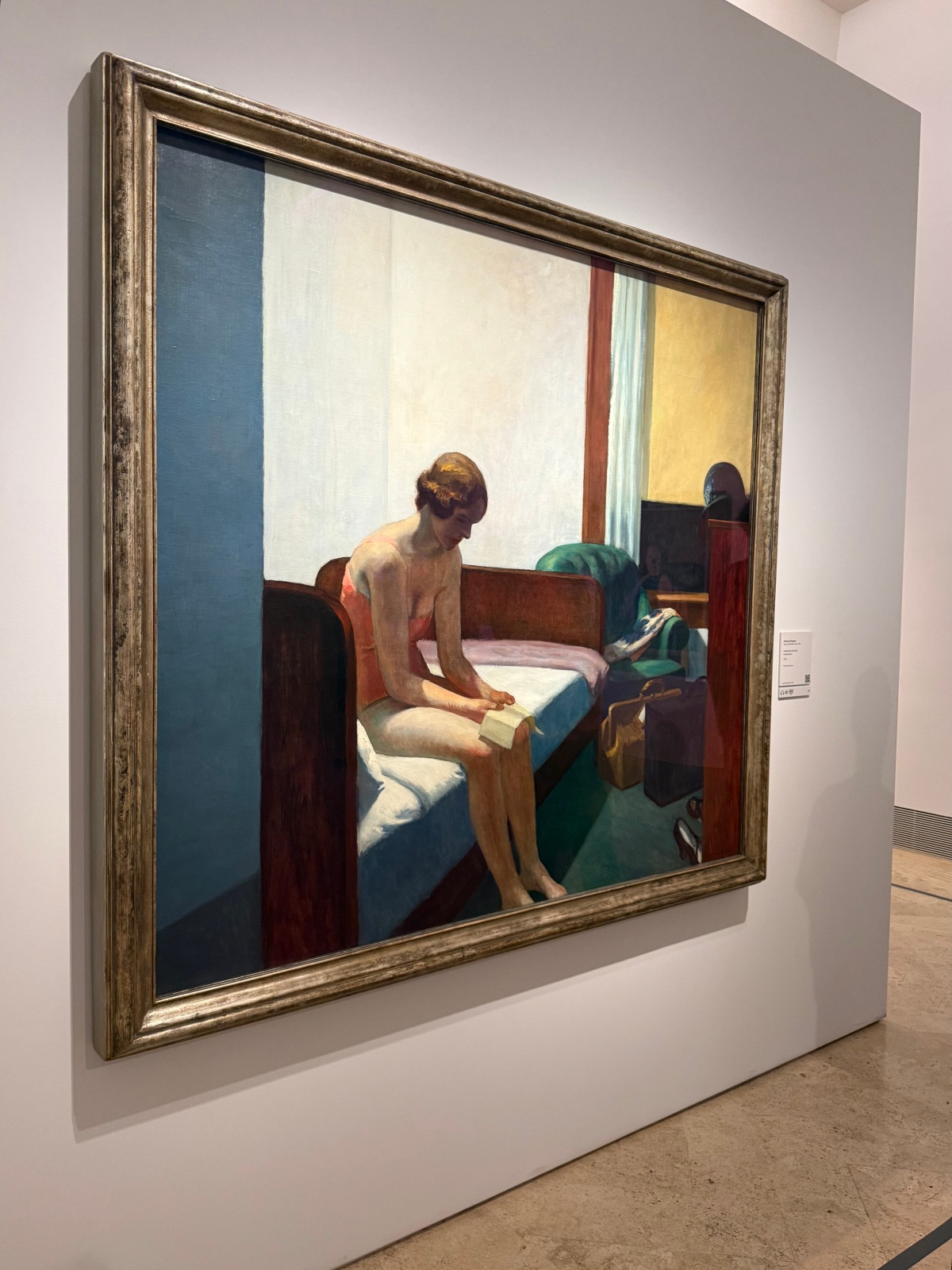
While art museums and kids aren’t always the smoothest fit, no Madrid trip is complete without a visit to at least one of the trio known as the “Golden Triangle”: the Prado, the Reina Sofía and the Thyssen-Bornemisza. Each offers a very different experience.
Many families find the Thyssen-Bornemisza the easiest place to start. Its collection spans centuries of Western art, with an especially strong concentration of European and American paintings, so you can move through different styles without tackling the Prado’s overwhelming scale. The Prado is the marquee name, however, and it’s the obvious choice for families interested in Spain’s artistic heritage, with major works by Velázquez, Goya, El Greco and other luminaries. Its galleries hold some of the most influential works ever created, including Velázquez’s Las Meninas, which many experts consider the greatest painting of all time. (Kids love searching out its hidden details, like the artist painting himself into the scene.)
Your best bet for the Prado is to focus your time rather than trying to see it all — choose a handful of masterpieces and consider a family-oriented guided tour. The museum also offers a free kids’ audioguide led by Margarita, the young princess from Las Meninas, with sound bites, cards and videos for each featured painting.
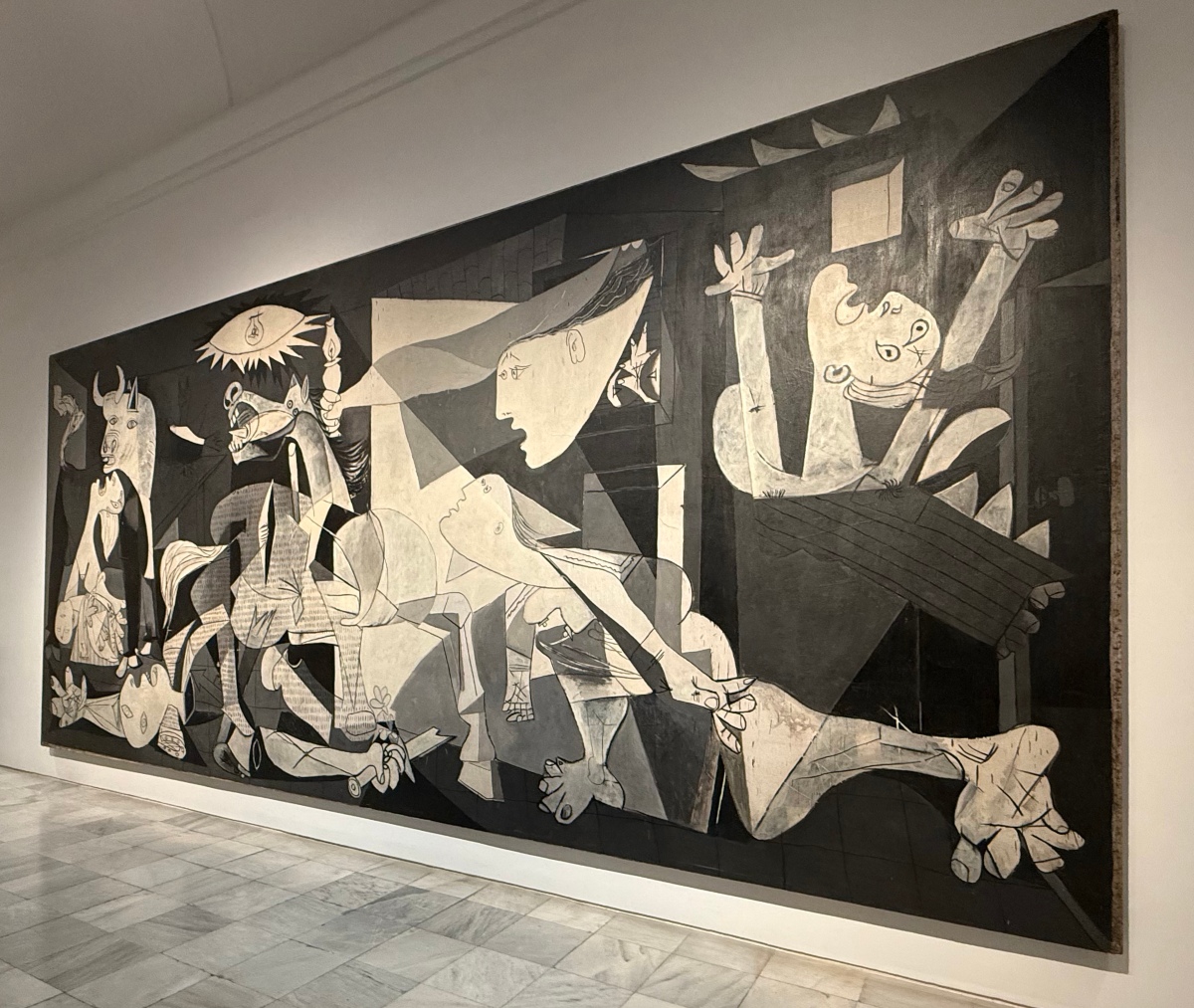
Families with teens may want to add the Reina Sofía, home to Picasso’s monumental Guernica and a strong collection of 20th-century Spanish art. Painted in 1937, Guernica is the artist’s response to the bombing of a Basque town during the Spanish Civil War, and it has come to be known as one of the world’s most powerful antiwar images. The painting’s scale and subject matter are a good springboard for meaningful conversations with older children, but consider whether its themes, plus those of some other works in the museum, are right for younger visitors as they can be quite unsettling.
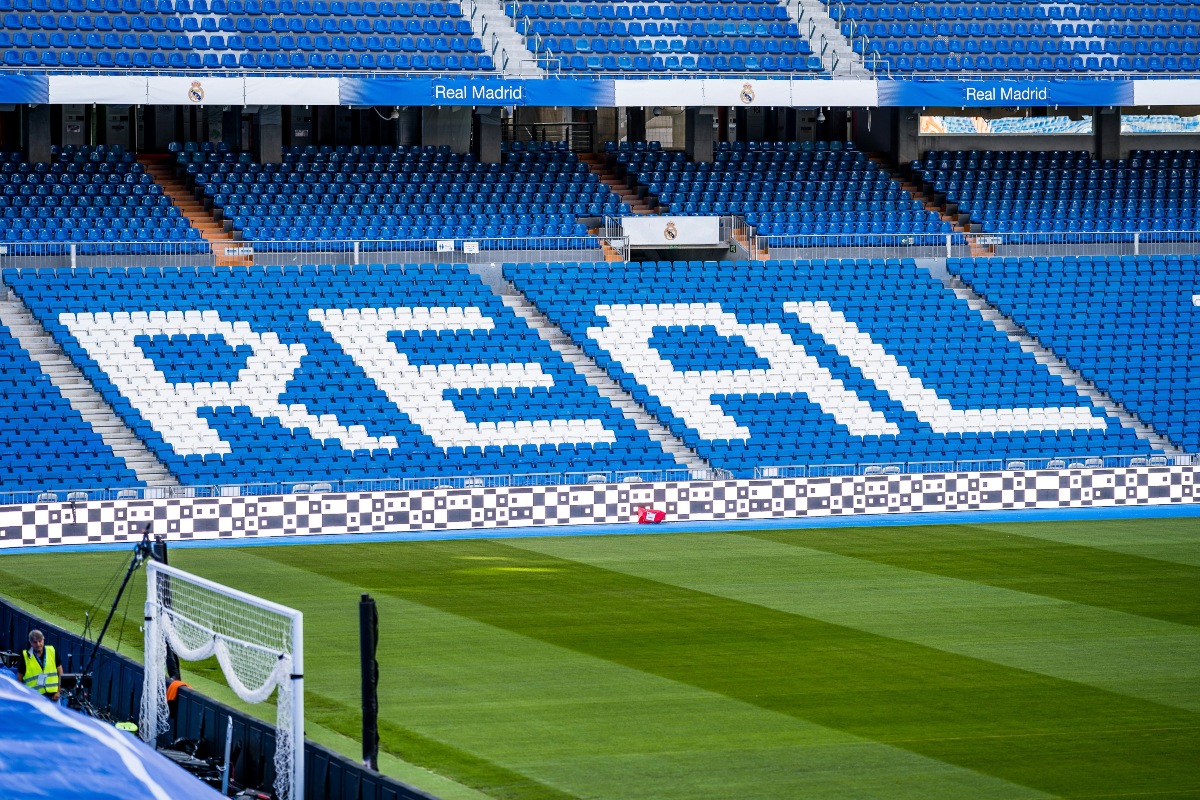
If your family follows soccer (known locally as fútbol), devote the afternoon to touring Santiago Bernabéu Stadium, the home of Real Madrid — one of the most celebrated clubs in the world. Fresh from a five-year, billion-euro overhaul, the transformed facilities on the typical route include the trophy room, dressing rooms, presidential box, players’ tunnel and press room, along with panoramic views of the pitch and a look at the club’s storied history. Even those who can take or leave soccer are likely to be impressed, but for committed supporters, the experience is an unforgettable chance to connect the names and faces they know from TV with the place where it all happens. Check match schedules before finalizing your plans, since stadium access can be affected by events and tour availability varies.
Wondering where to travel — and when — for the best possible family vacation? Download our free guide and get expert recommendations for every month of the year, including ideal seasons and standout experiences worth planning a trip around.
Alternatively, you could opt for downtime in Madrid Río, which feels very different from the big green spaces mentioned above. It’s a modern riverside park that stretches for miles along the Manzanares River, built over a highway that was moved underground. Its landscaped paths, striking bridges (especially the Arganzuela Footbridge, a spiral of steel that resembles an oversize corkscrew) and recreational areas offer a new perspective on the city. The giant slides in the Arganzuela area are a hit with younger visitors, and the surrounding playgrounds make it easy to spend an unscheduled hour or two. Bring water and a snack, especially in warm weather.
TIP: Need an idea in your pocket for a rainy day? The Museo del Ferrocarril, housed in the historic Delicias railway station, displays vintage locomotives, carriages and railway equipment in a setting that holds a lot of interest in its own right. It’s particularly well suited to children who enjoy all things transport-related, and it’s a good indoor option if the weather doesn’t cooperate.
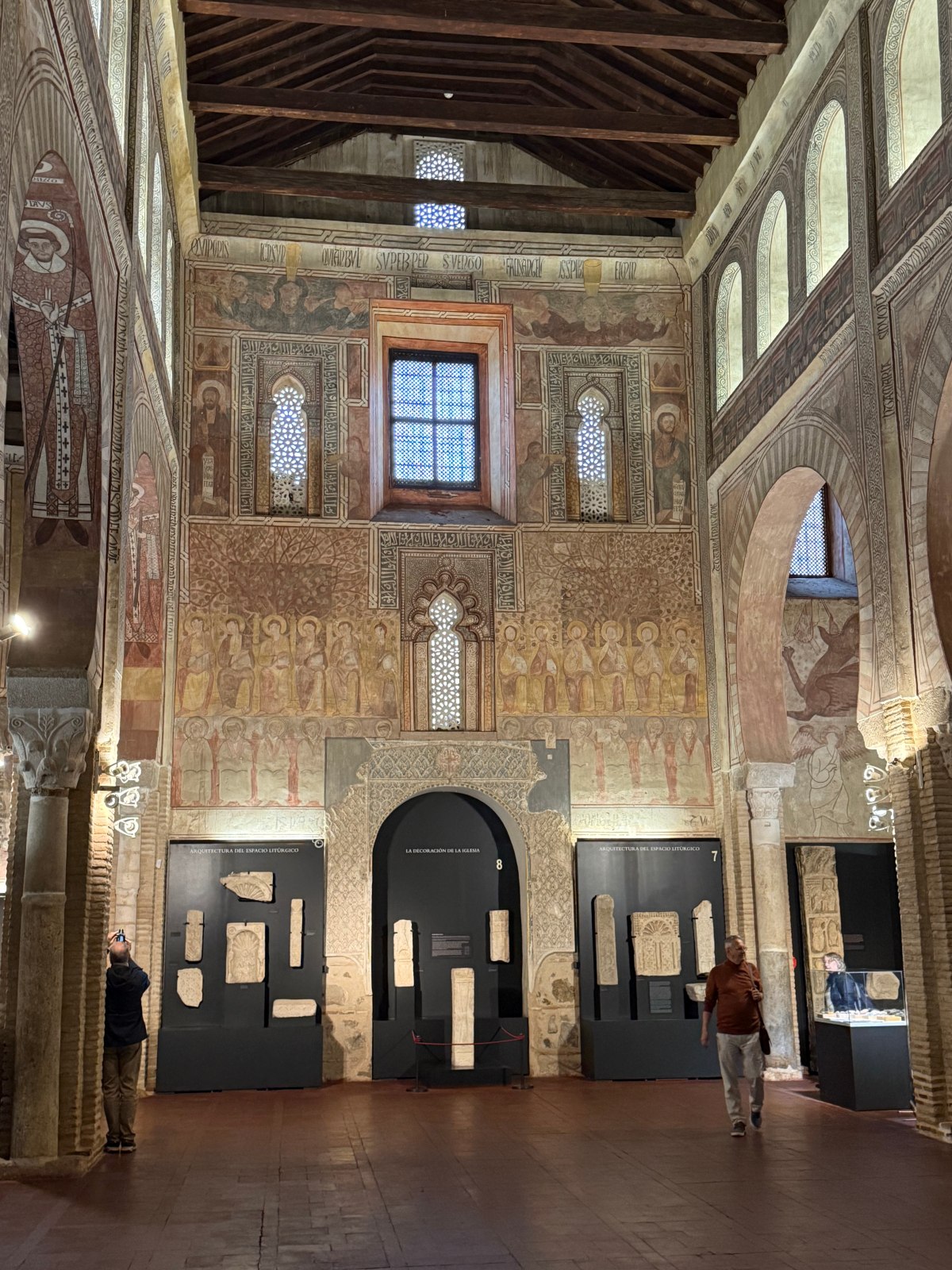
If you have a fourth day, consider venturing beyond the capital for one of two historic cities that reflect a different side of Spain. Both Toledo and Segovia are straightforward day trips from Madrid by train, although the best choice depends on your family’s interests and how much walking you’re prepared to do.
Perched high above the Tagus River, Toledo is among the most historically layered places in the country. Over the centuries, Muslim, Jewish and Christian communities all left their mark, and the compact medieval streets reveal traces of those intertwined traditions, with churches, synagogues and mosques cheek by jowl. A knowledgeable guide makes a big difference here; the significance and symbolism of Toledo’s monuments isn’t always obvious, and its history is too complex to appreciate through a series of quick stops. CB Advisors can arrange a family-friendly guide who brings the stories to life for all ages.
The train journey from Madrid takes only about 30 minutes, but the old town is hilly, with steep streets and uneven surfaces. Wear comfortable shoes and avoid overloading the itinerary, especially with younger children.
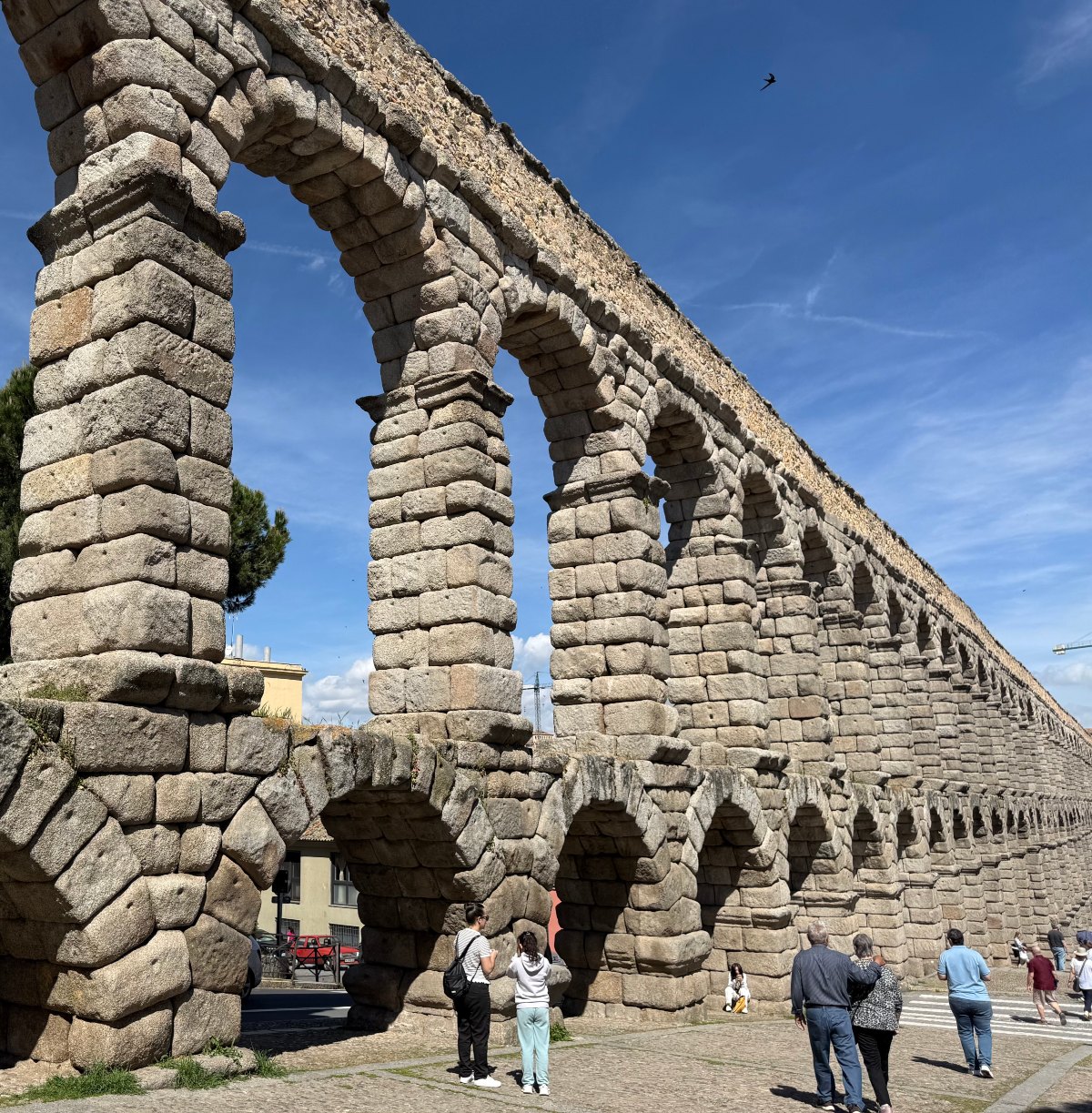
Segovia is another excellent choice, particularly if you like dramatic architecture and tales of kings and castles. Its most famous landmark is the enormous Roman aqueduct that dominates the center of town, a remarkably preserved feat of engineering (capture the kids’ attention by telling them it was built without any mortar). The other big attraction is the Alcázar of Segovia, a castle with pointed turrets and a distinctive silhouette that looks as though it belongs in a storybook. A guide is less necessary here, since the main sights are easy to find and largely speak for themselves.
Segovia also has a walkable core and a handful of very good restaurants for a traditional lunch — try regional specialties such as roast suckling pig and ponche segoviano, a marzipan-topped custard cake. The high-speed train back to Madrid takes about 30 minutes, but Segovia’s station is several miles outside town, so factor in a short bus or taxi ride.
Relevant Links:
Browse all destinations and accommodations in Spain on Ciao Bambino
52 essential tips for a family vacation in Spain
5 adventures in Spain off the beaten path
How to choose the right Spain beach vacation with kids
8 of the best places to go in Spain with teens
Photos by Lisa Frederick except where noted.
Editor’s note: This post was accurate when published. We advise checking independently for the latest information and updates. Ciao Bambino does not accept responsibility or liability for any errors or omissions in, or for any actions taken based on, the information presented.
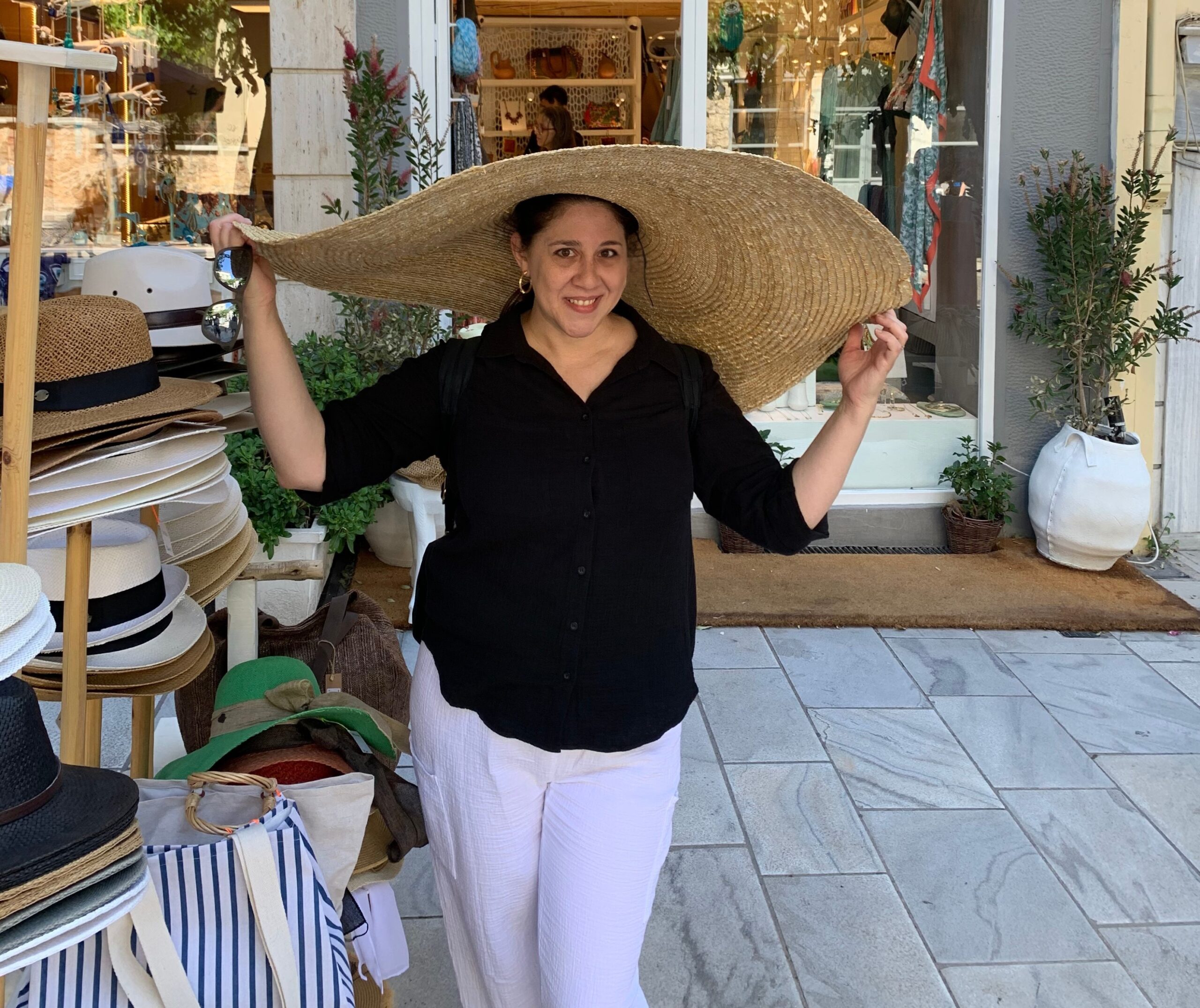
Written By
By Lisa Frederick


 travel recommendations, inspiring adventures, and exclusive travel offers
"*" indicates required fields
Want to save all the great intel and tips you are finding on Ciao Bambino? My Trip Planner allows you to bookmark articles, family-friendly hotel reviews, and family vacation packages. Simply click the heart icon on anything you want to save. Site registration is required to get started. Happy planning!
Please fillout the form below to create your free My Trip Planner account.