 Back
Back







 FACEBOOK
 Pinterest
 Instagram

 FACEBOOK
Pinterest
Instagram
FACEBOOK
Pinterest
Instagram
I guess you could call it travel guilt. It kicked in big time when my kids were in elementary school and a number of friends were planning trips to Yosemite National Park. We live in Northern California. My husband and I love Yosemite — it’s practically in our backyard — but somehow we’d never taken our kids. So I got out the calendar and blocked off a weekend.
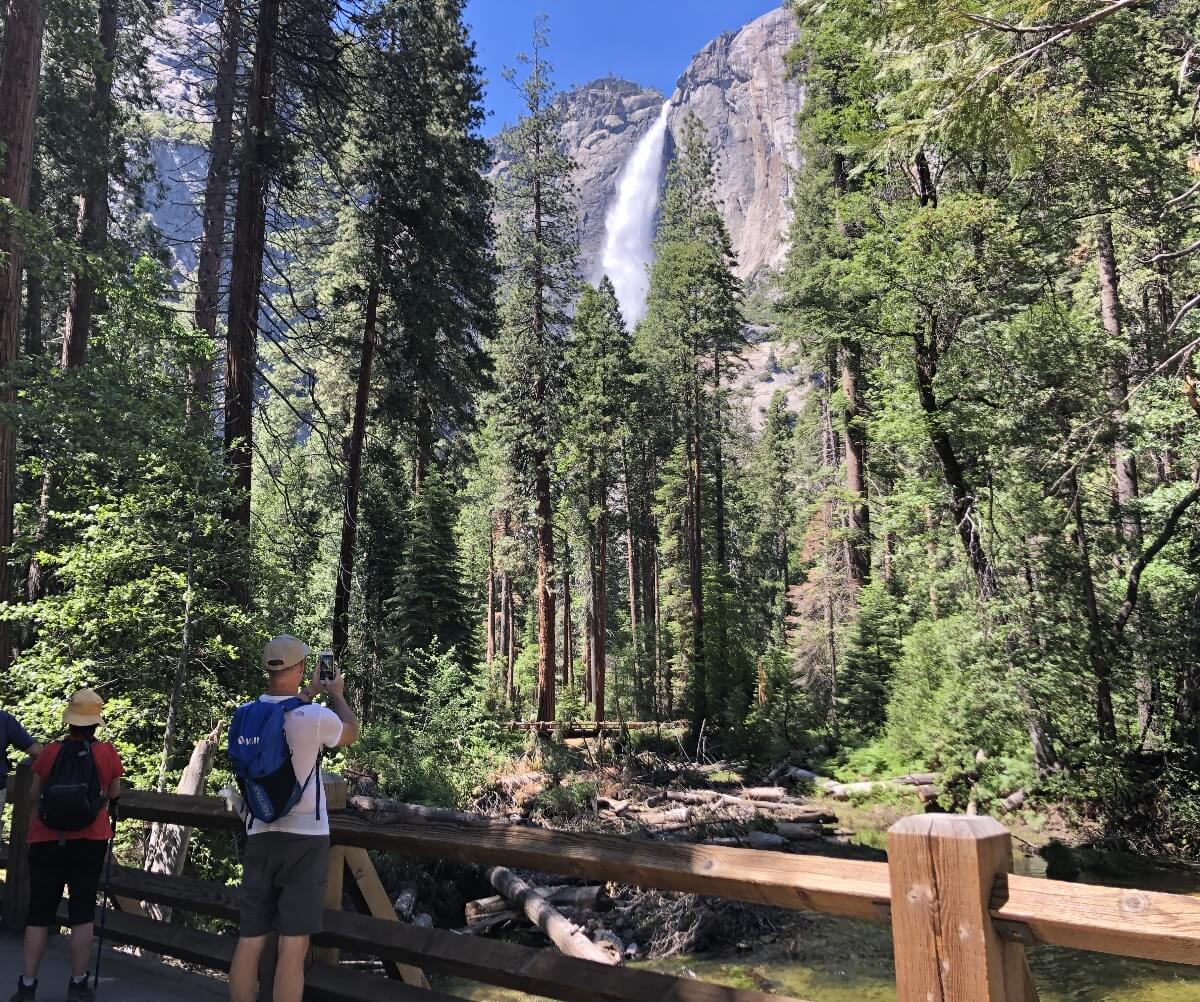
We’ve been countless times in the years since, but organizing a trip to Yosemite National Park can be trickier than expected, especially if you’re not familiar with the logistics that can be involved when visiting a U.S. national park.
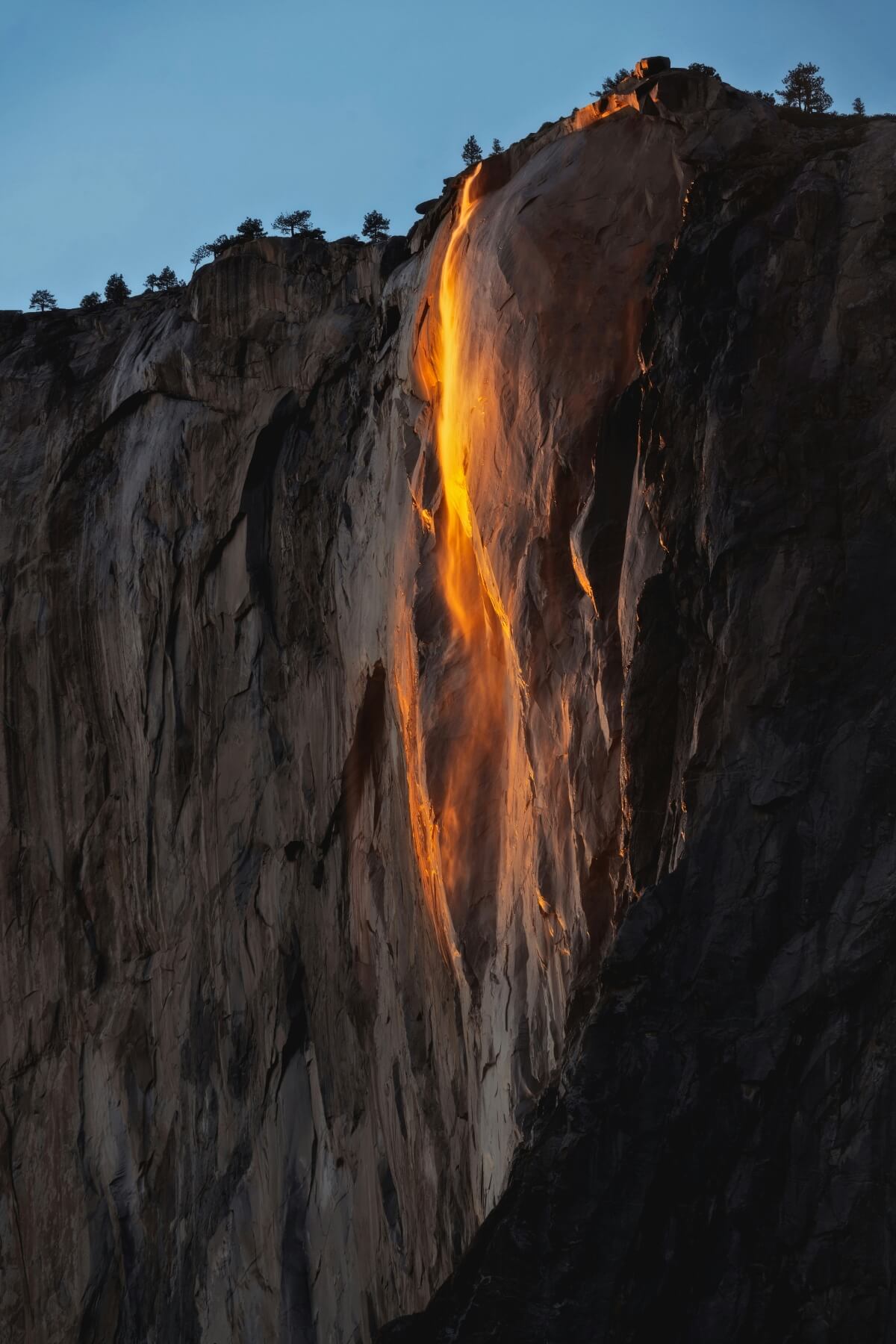
Depending on when you want to visit, a reservation may be required to drive into or through Yosemite. In recent years, reservations have been needed during peak travel times (think summer months) and sometimes for popular park experiences such as Yosemite Firefall, when the sun hits Horsetail Fall on the eastern side of El Capitan and the waterfall glows orange. However, when the reservation system is implemented is not set in stone; in the past, dates have been announced with less than desirable notice. You have to stay on top of park announcements.
If you want to sleep in the park, which I highly recommend, your hotel or camping reservation generally acts as a vehicle entry reservation. (You’ll still need to pay the park entrance fee.) Lodging options inside Yosemite are a bit limited — there are only a handful of hotels to choose from, and some are only open seasonally, so reservations can be pricey and tough to come by during peak times.
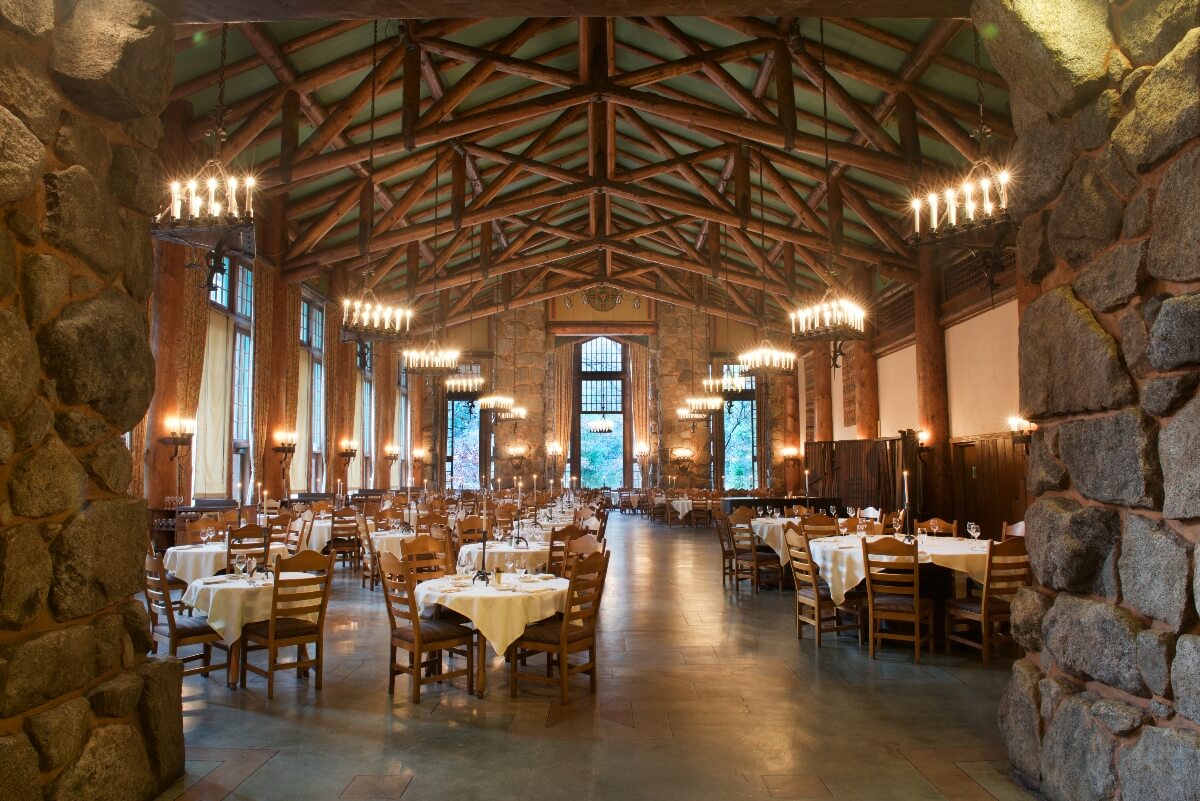
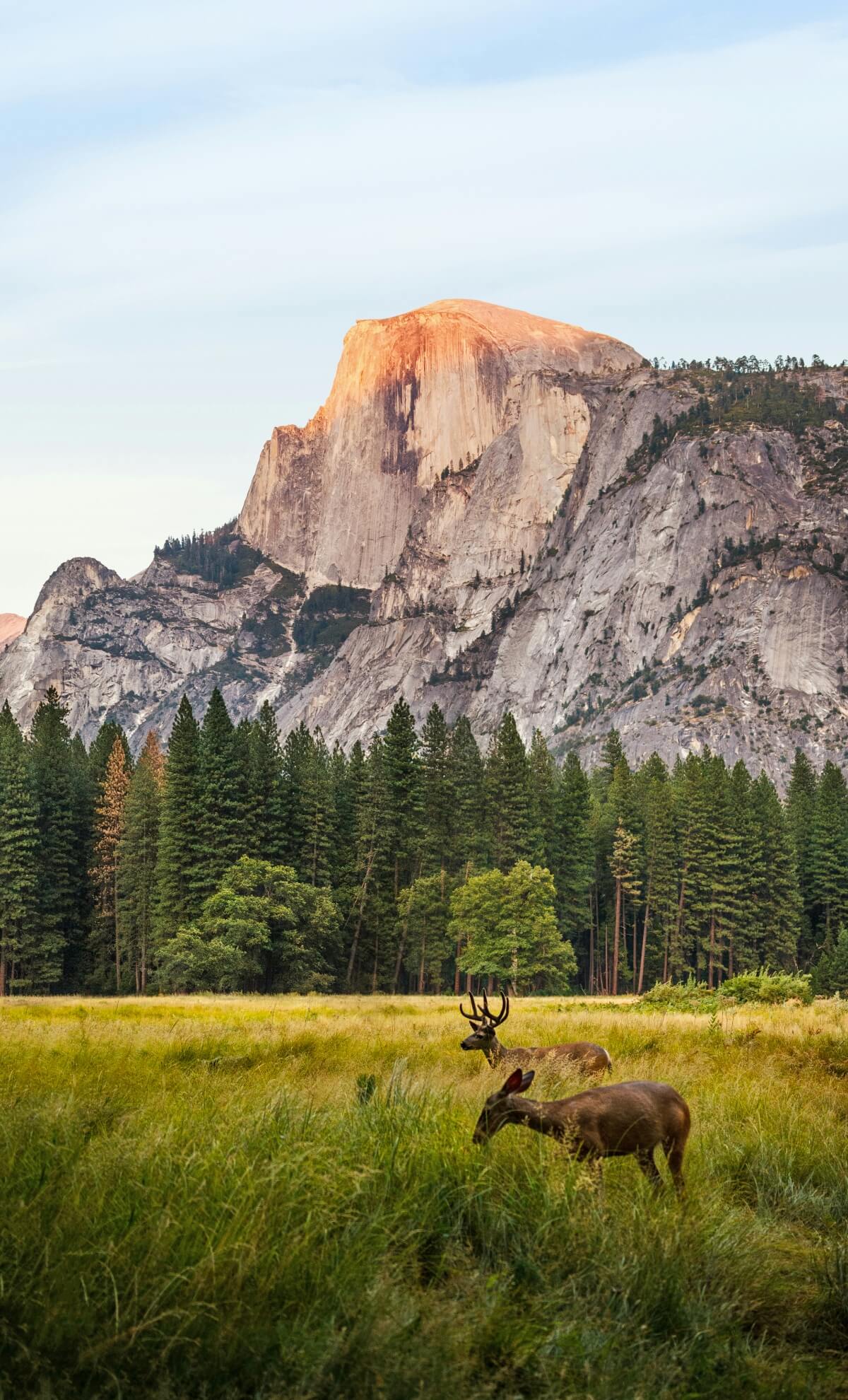
Considered by many to be the crown jewel of the national park lodges, The Ahwahnee is a National Historic Landmark that dates back to the 1920s. Located in Yosemite Valley, the highest- trafficked stretch of the park, she’s a stunner with rooms that offer equally beautiful views of Yosemite landmark Half Dome. There are 121 accommodations ranging from traditional hotel rooms to secluded cottages.
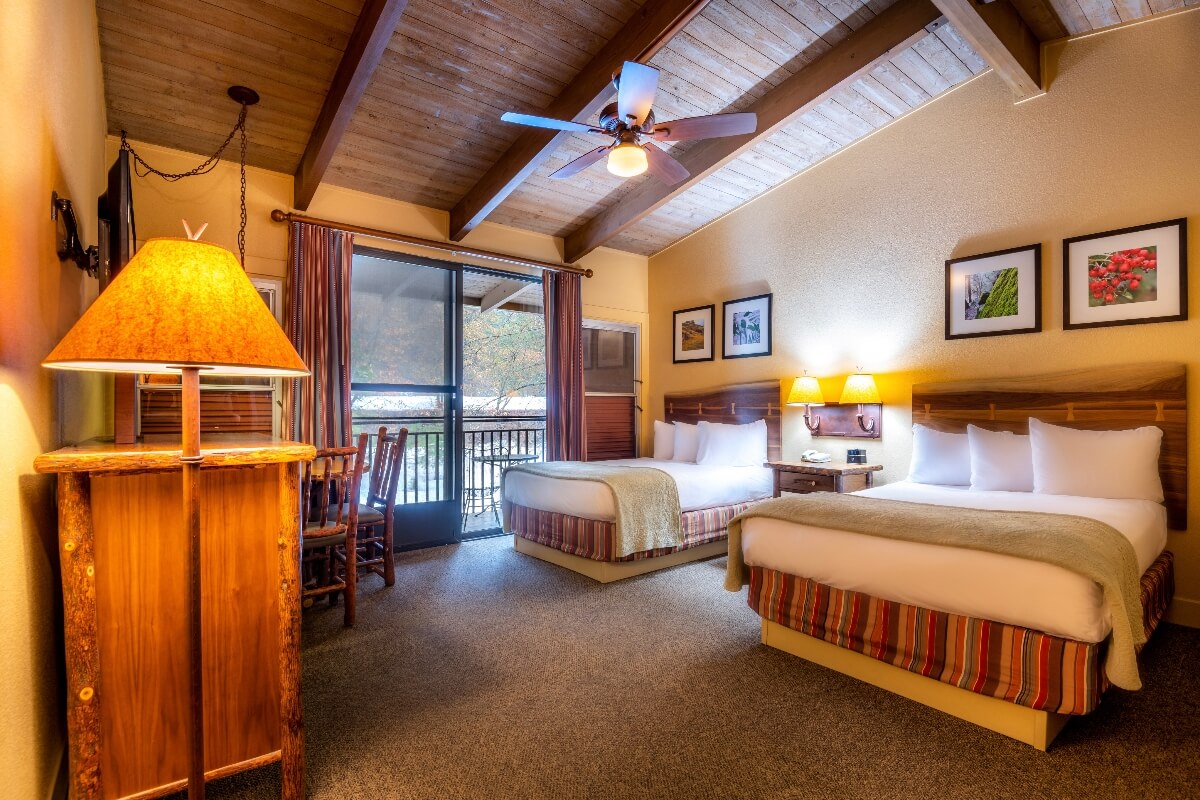
Yosemite Valley Lodge isn’t fancy, but its location, a 5-minute-or-so walk from Yosemite Falls, is stellar. The 245 rooms are spread out among more than a dozen buildings. Yosemite Valley Lodge features a large outdoor pool that is open seasonally, typically late May to early September. The Lodge is also the starting point of the popular Valley Floor Tour.
Get info and read FAQs about how our custom travel planning service works, from boutique hotel bookings to hand-designed itineraries. Click for details!
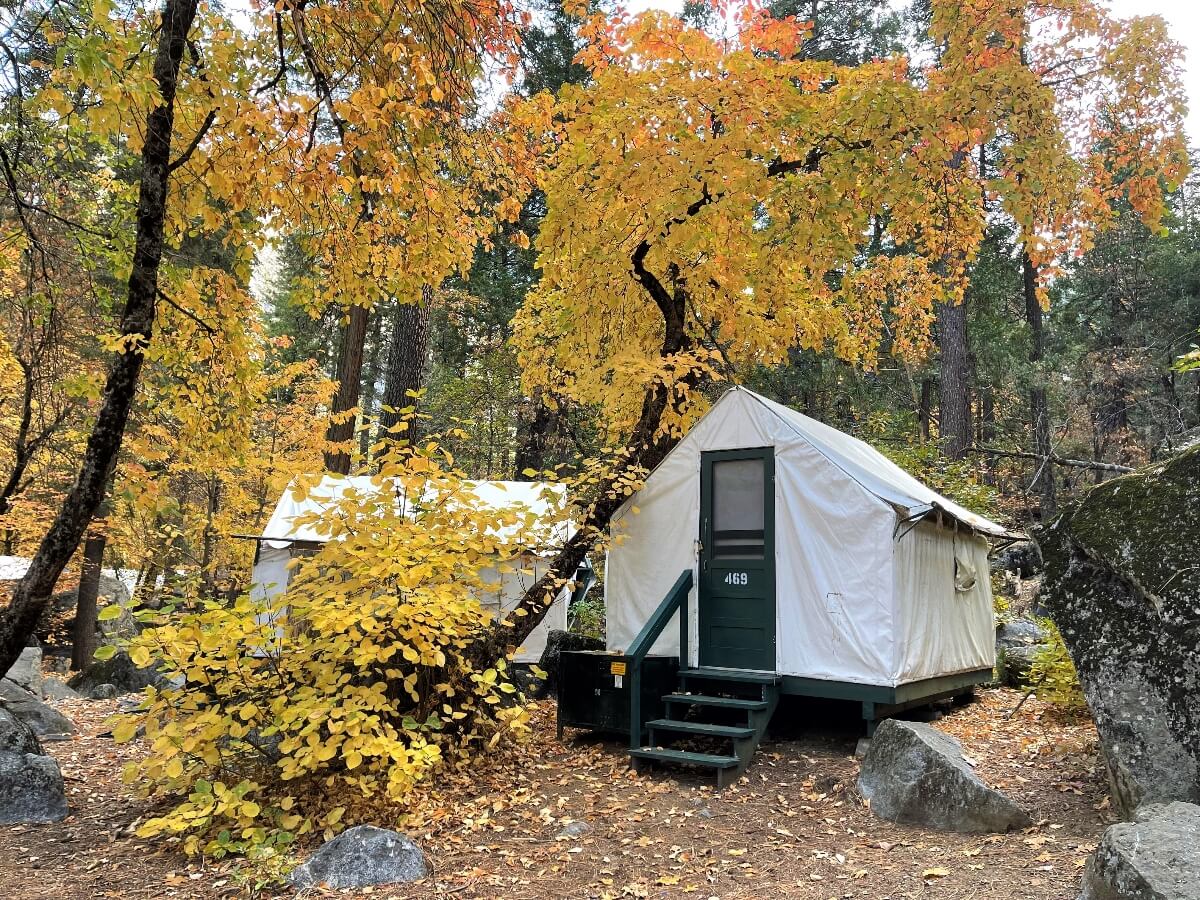
Curry Village is arguably the most rustic of the bunch; there are cabins and motel rooms, but most of the accommodations are canvas platform tents outfitted with beds, linens and towels. Of the 403 tents, a bit more than half are heated during the cooler months of the year.
Established in 1856, Wawona Hotel is indefinitely closed. Located near Yosemite’s Mariposa Grove, the National Historic Landmark is undergoing what’s being called “a comprehensive condition assessment.”
Depending on the timing of your visit, there are also a small number of lodging options inside the park that operate seasonally.
Yosemite has 13 phenomenally popular campgrounds. Camping is a more affordable way to stay in the park, but competition for reservations can be fierce. Reservations are required for all campgrounds from April through October. Some reservations open five months in advance, some two months in advance, while other reservations open two weeks and one week in advance. A clear breakdown on all of Yosemite’s campgrounds and when reservations open can be found here.
Reservations are released at 7 am Pacific Time at recreation.gov. You need to get up early and have your laptop fired up and ready, because reservations can sell out within minutes. On more than one occasion, my husband and I have had multiple computers running, with the toll-free number programmed into our phones, to increase our odds of securing a campsite. (Just a note, I would focus on booking through the website as opposed to trying to call in. All I’ve ever gotten is a busy signal.)
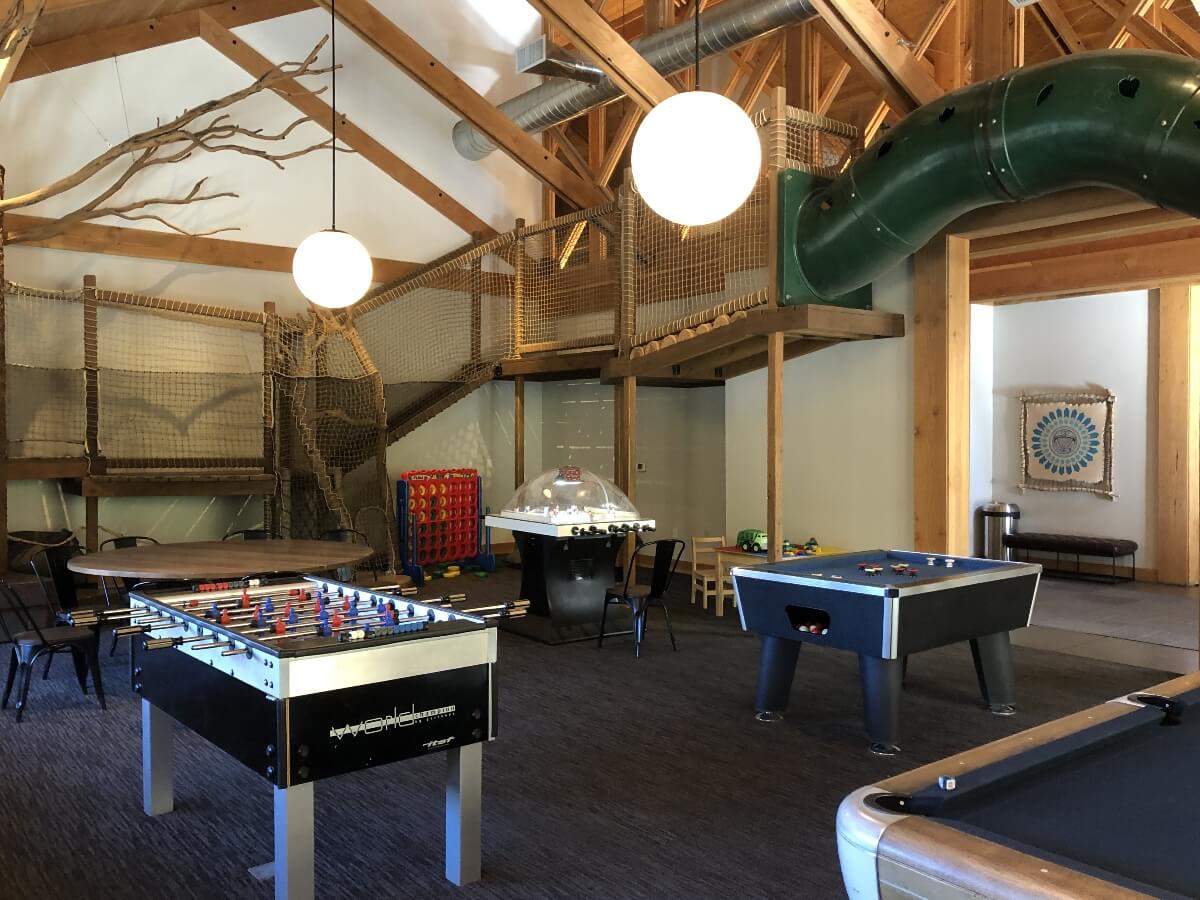
If you stay outside the park, lodging options jump exponentially. Firefall Ranch is perhaps the most luxe of the choices within driving distance. It caters to traveling families along with sister properties Rush Creek Lodge and Evergreen Lodge. If glamping sounds like fun, AutoCamp Yosemite and WildHaven Yosemite should be on your list, as well as Under Canvas Yosemite, set to open spring of 2026.
Lodging outside Yosemite does not come with peak-season park entry reservations. If you are unable to get a park entry reservation during a required period, consider the Yosemite Area Regional Transportation System, better known as YARTS. Though it’s admittedly not as convenient for young families, in the past, riders who use the seasonal shuttles into the park have not needed park entry reservations.
The park offers a plethora of hiking options, but be realistic. What you can do enjoyably depends on the temperament and ages of your kids. Hiking with a 3-year-old can be backbreaking or invigorating. Hiking with a 9-year-old can be exhilarating or incredibly frustrating. Know your kids and acknowledge their and your limits.
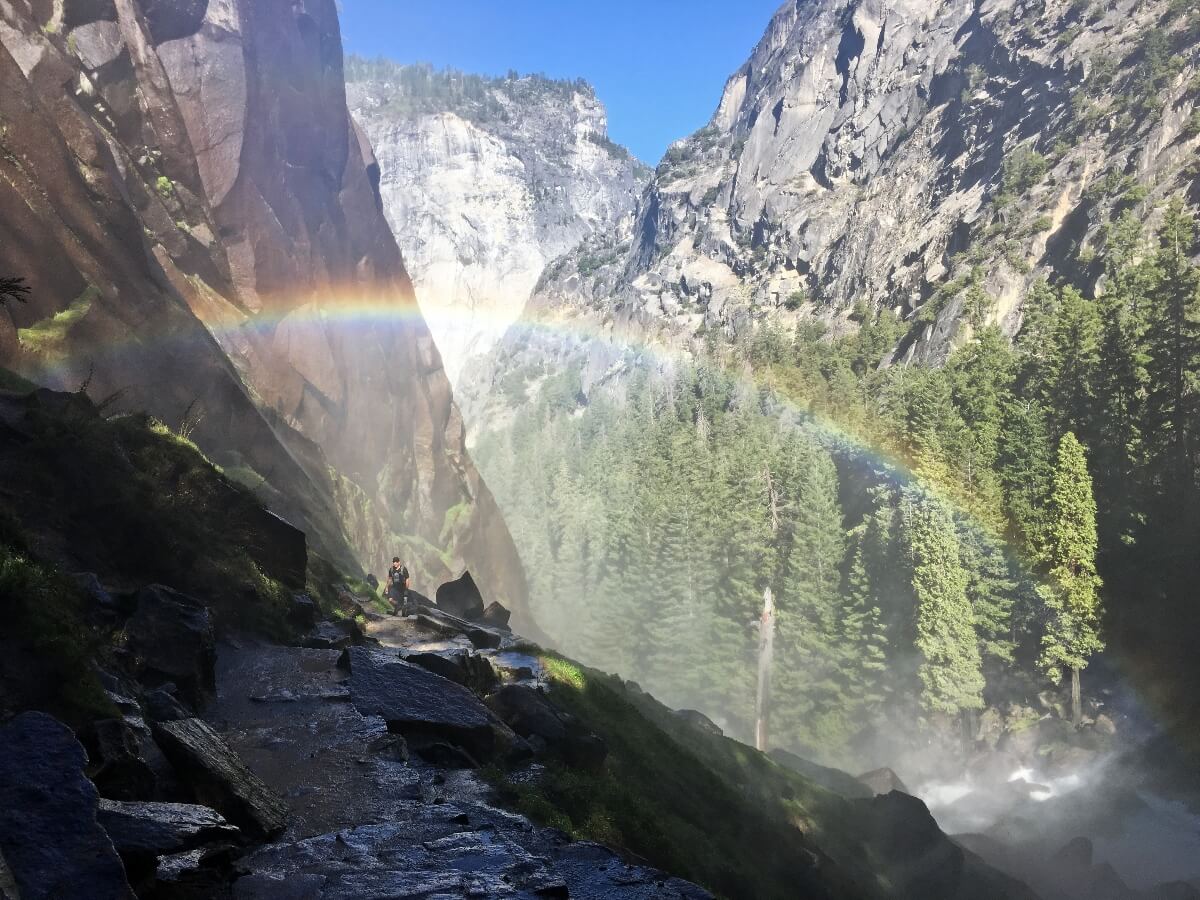
The Mist Trail is one of my family’s favorite hikes; it offers fantastic up-close waterfall views. But it’s not an easy hike, and I wouldn’t recommend it for most families with young children. There are lots of steps, and they can be wet and slippery. Depending on conditions, hikers can also get wet. In the winter, some sections of the trail close. Know what you’re taking on before you set out so you can be best prepared. You can glean a wealth of information from a quick stop at one of the park’s visitor centers. Park rangers are happy to share their expertise and recommendations.
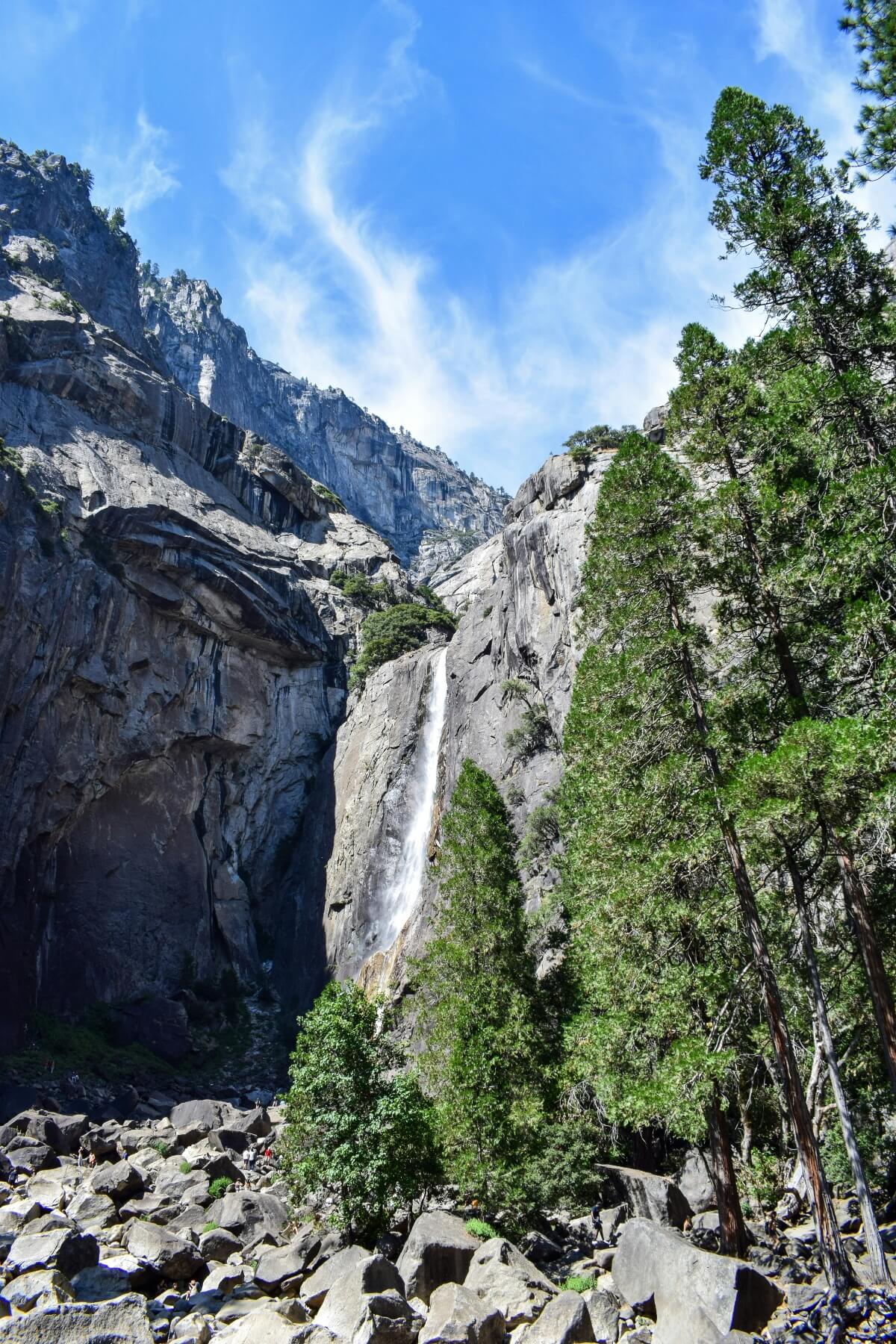
Lower Yosemite Falls is an easy, must-do paved hike with kids of all ages. (It’s even more convenient if you’re staying at Yosemite Valley Lodge.) The one-mile loop is a short walk with a huge payoff: fabulous views of Upper and Lower Yosemite Falls. Depending on the flow of the falls, you can get wet; that said, summer days can also get scorching hot. Be sure your kids wear good walking shoes and dress according to the season.
Send us a quick inquiry, and we’ll pair you with an expert Travel Advisor who can handle all your trip details: a custom-designed itinerary, private guides and experiences, and vetted accommodations, often with valuable perks to pass along. Click to get started!
Rafting on the scenic Merced River is a great way to spend a hot day and one of the best ways to see the valley’s amazing scenery. Typically available in June and July (rafting is only offered at the Curry Village Recreation Center when conditions allow), paddling is relatively easy as the river does much of the work. Rafts hold up to four people. Life jackets must be worn at all times, and children must weigh 50 pounds.
Take your time and beach whenever the mood strikes you. There are plenty of sandy stretches to get out and swim or set up your picnic. Families abound, so don’t be surprised if your kids make some new friends. When you reach the end of the approximately 3-mile stretch down the river, folks are standing by to take your raft and shuttle you back to Curry Village.
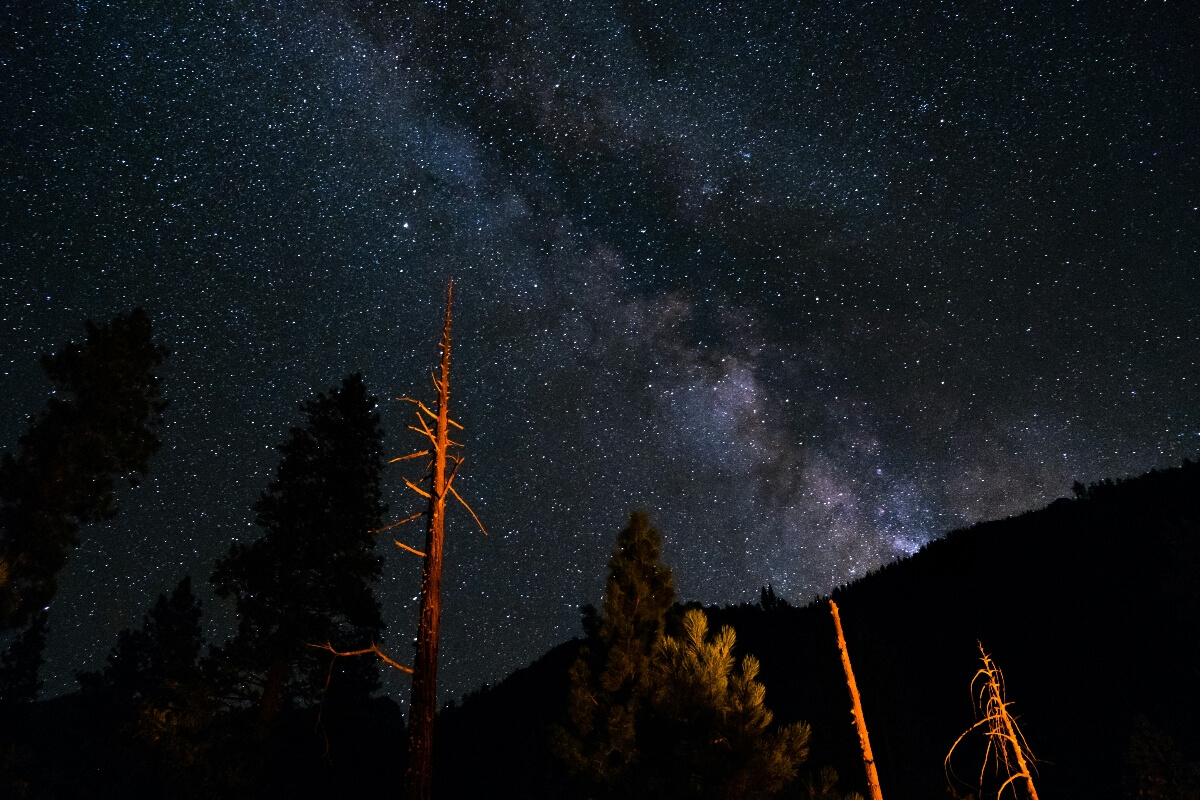
The peak of summer brings hundreds of things to do in Yosemite. Along with the obvious perks Mother Nature holds for visitors, the National Park Service offers a plethora of what I like to call “extras.” Read the Yosemite Guide — along with maps, a rundown on transportation and other services, it lays out what’s happening in the park. There’s often a ton to choose from, such as stargazing, ranger walks and photography classes, just to name a few.
Long days of playing make for tired legs. When the park is crowded and congested, it’s best to leave your car parked. Even when the park entry reservation system is operating, traffic in Yosemite can be a headache. The free Yosemite Valley shuttle is a good option that operates frequently, but it’s popular and buses can fill quickly.
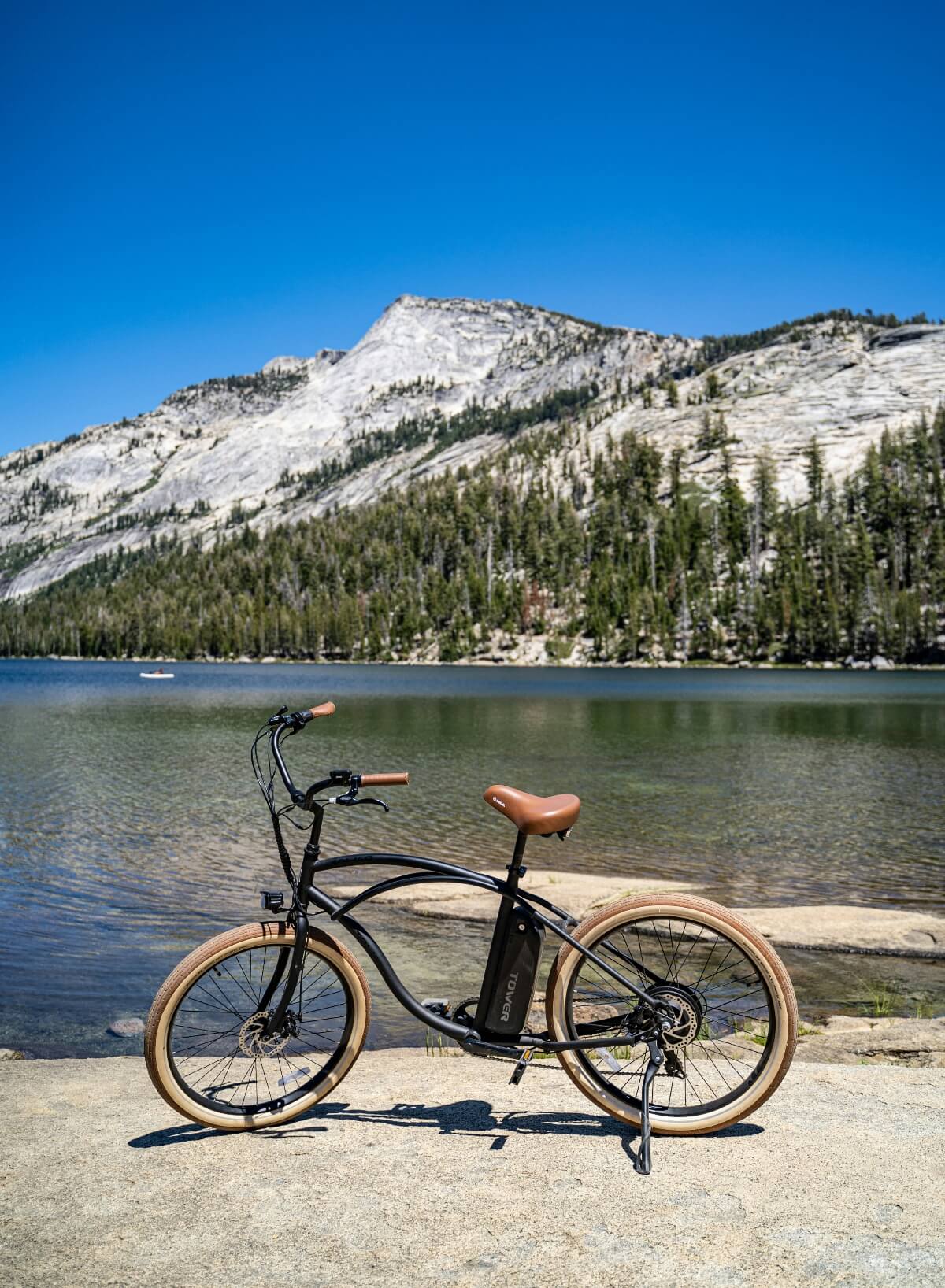
Bicycles are a great way for families to get around the Valley Floor. You can bring your own or rent them in Yosemite Valley. Jumping on and off bikes enables more control of your schedule, or even better, means you don’t really have to have a schedule. In many cases, you’ll move faster than cars headed in the same direction; there’s also the bonus of being able to stop whenever you want — for example, when there’s a deer on the sidewalk or a bear scampering across the meadow. And there’s always the possibility of a post-dinner pedaling adventure to get ice cream at Curry Village.
Relevant Links:
Browse all family-friendly activities and accommodations in California on Ciao Bambino
Evergreen Lodge: Simple, old-fashioned fun in Yosemite
Best American national parks to visit in winter
A perfect Northern California road trip itinerary
9 places to make travel memories with college-age kids
Editor’s note: This post was accurate when published. We advise checking independently for the latest information and updates. Ciao Bambino does not accept responsibility or liability for any errors or omissions in, or for any actions taken based on, the information presented.


 travel recommendations, inspiring adventures, and exclusive travel offers
"*" indicates required fields

Want to save all the great intel and tips you are finding on Ciao Bambino? My Trip Planner allows you to bookmark articles, family-friendly hotel reviews, and family vacation packages. Simply click the heart icon on anything you want to save. Site registration is required to get started. Happy planning!
Please fillout the form below to create your free My Trip Planner account.
Good tips! The camping reservations can definitely make you crazy. Reserving before/after summer helps (a little). 😉
Great post — I am a rare & lucky regular visitor to the park with a family cabin in Wawona, a small town about 45 minutes outside of the valley. If your trip allows, I would also encourage venturing out of the valley to see Wawona or the Mariposa Grove. Both see far less visitors than the valley itself, which can be nice during overcrowded summers.
This is an amazing piece!
I love Yosemite